Gold Plated vs Gold Filled Jewelry: Which One Lasts Longer
Gold plated jewelry offers one of the most accessible ways to wear the look of solid gold without the steep price tag — but how does it actually hold up over time compared to gold filled pieces? The short answer: gold filled jewelry lasts significantly longer, often 10 to 30 years or more, while standard gold plated pieces typically maintain their finish for six months to two years with regular wear. The difference comes down to thickness — gold filled items carry a gold layer roughly 50 to 100 times thicker than standard gold plating, bonded permanently through heat and pressure rather than a thin electroplated deposit. That said, longevity is only one piece of the equation.
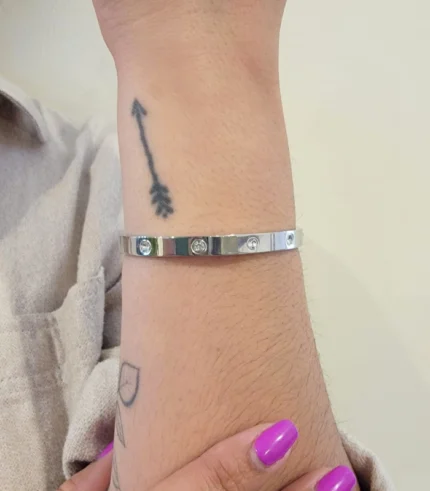
A gold plated bracelet you wear every day and love is worth more than a gold filled piece sitting in a drawer because it cost too much to justify. For women who like refreshing their jewelry rotation, experimenting with trends, or building a layered collection without spending hundreds per piece, gold plated stainless steel has become the practical favorite — and modern plating technology has closed the durability gap considerably. This article breaks down the real differences between gold plated and gold filled jewelry, including what the FTC actually requires for each label, how thickness affects wear, which option makes sense for your lifestyle, and how to care for gold plated pieces so they last as long as possible.
Explore our collection of handpicked jade jewelry at KartiKart — minimalist pieces built to last.
Table of Contents
- How Long Does Gold Plated Jewelry Last Compared to Gold Filled?
- What the Gold Layer Thickness Actually Means for Everyday Wear
- Gold Plated Stainless Steel — Why It Outperforms Older Gold Plated Jewelry
- How to Decide Between Gold Plated and Gold Filled for Your Collection
- Caring for Gold Plated Jewelry So It Lasts
- How to Spot the Difference — Stamps, Labels, and What to Watch For
- The Future of Gold Plated Jewelry — Better Technology, Better Results
- Conclusion
How Long Does Gold Plated Jewelry Last Compared to Gold Filled?
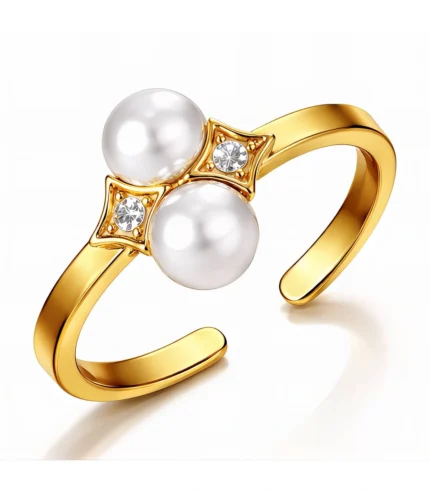
The core difference between gold plated and gold filled jewelry is the thickness of the gold layer and how it is applied. Gold plated pieces have a minimum of 0.5 microns of gold applied through electroplating, with most quality pieces falling in the 0.5 to 2.5 micron range. Gold filled jewelry, by contrast, must contain gold that accounts for at least one-twentieth — or 5 percent — of the item’s total metal weight, per FTC regulations under 16 CFR Part 23.
That translates to a gold layer of roughly 25 to 100 or more microns. In practical terms, gold filled jewelry holds its appearance for 10 to 30 years, and many vintage gold filled brooches and watch cases from the early 1900s still look remarkably intact today. Standard gold plated jewelry, worn daily and exposed to sweat, moisture, and friction, typically shows wear within six months to two years.
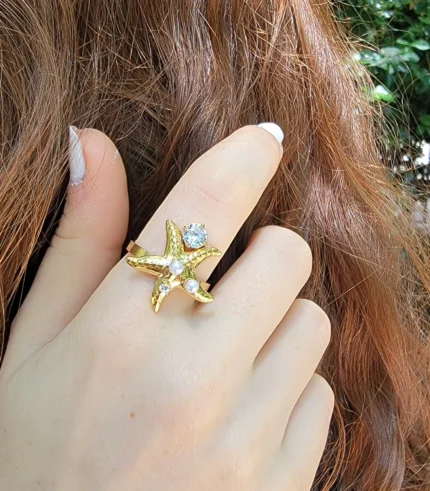
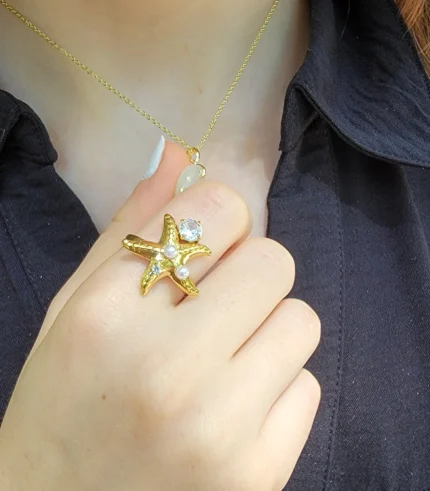
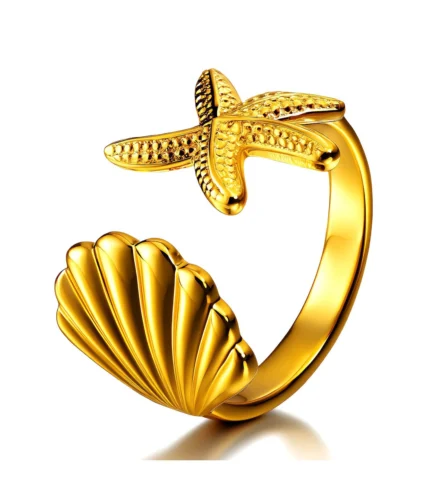
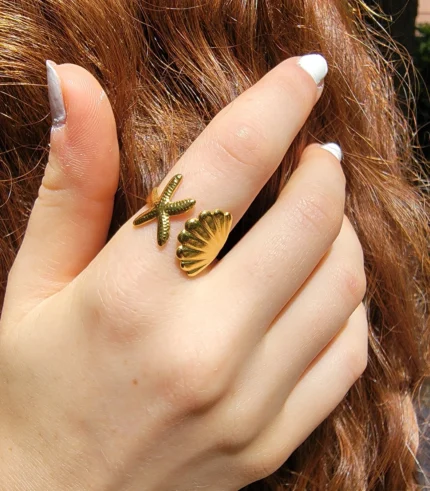
However, the base metal underneath matters enormously. Gold plated brass will tarnish and discolor once the plating wears through. Gold plated stainless steel, on the other hand, resists corrosion even after the gold layer thins — which is why 18K gold plated stainless steel has become the go-to for everyday jewelry that stays wearable far longer than older gold plated fashion pieces.
A useful comparison: think of gold filled as a hardwood floor and gold plated as a quality laminate. The hardwood will outlast the laminate by decades, but a well-made laminate still looks beautiful, costs a fraction of the price, and serves you perfectly well if you plan to update your space every few years.
Shop tarnish-free gold-plated jewelry
View all →
What the Gold Layer Thickness Actually Means for Everyday Wear
Microns are difficult to visualize, so here is a concrete way to think about it. A single human hair is roughly 70 microns thick. Standard gold plating sits at 0.5 to 2.5 microns — a tiny fraction of that hair.
Gold filled pieces start around 25 microns and can exceed 100. That difference is why gold filled jewelry can withstand years of contact with skin, water, and minor abrasion without the gold layer breaking down. The FTC also recognizes an in-between category called vermeil, which requires at least 2.5 microns of gold over a sterling silver base.
Vermeil lasts longer than standard gold plating but still falls well short of gold filled durability. If you see a piece marketed as “heavy gold plated,” that also means at least 2.5 microns — the same minimum as vermeil, but over any base metal rather than strictly sterling silver. However, thickness alone does not tell the full story.
A 2-micron gold plated layer over stainless steel will often outperform a thicker layer over brass, because stainless steel does not corrode or react with skin the way brass does once exposed. This is why the base metal choice matters as much as the plating thickness — and why modern 18K gold plated stainless steel jewelry has earned a reputation for punching well above its weight class in durability.
Gold Plated Stainless Steel — Why It Outperforms Older Gold Plated Jewelry
If your experience with gold plated jewelry involves cheap pieces that turned green or flaked after a few weeks, you were likely dealing with gold plated brass or zinc alloy — the standard for inexpensive fashion jewelry for decades. The problem was never just the thin gold layer. It was what happened when that layer wore through and exposed a reactive, corrosion-prone base metal to your skin’s natural oils and moisture.
18K gold plated stainless steel changes that equation. Stainless steel is inherently resistant to rust, tarnish, and corrosion. Even if the gold plating thins over time, the base underneath does not discolor, turn green, or cause the skin reactions commonly associated with old-school gold plated pieces.
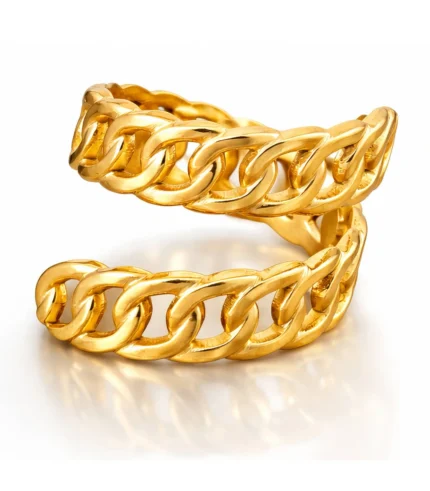
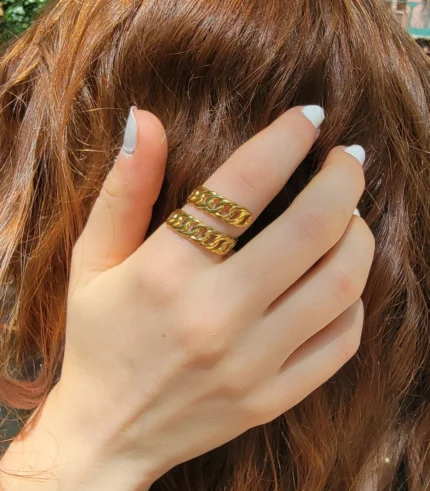
This is also why stainless steel is used in surgical instruments and high-end watches — it holds up under conditions that would destroy softer alloys. For anyone building a jewelry collection they plan to wear regularly — layering bracelets, stacking rings, mixing necklaces — gold plated stainless steel offers the best balance of aesthetics, durability, and affordability. You get the warm 18K gold tone that looks indistinguishable from solid gold, a base metal that will not betray you if the plating wears, and a price point that lets you own ten pieces for what one solid gold item would cost.
How to Decide Between Gold Plated and Gold Filled for Your Collection
Choosing between gold plated and gold filled is not a question of quality — it is a question of priorities. If you want a single piece you will wear every day for the next 15 years without thinking about it, gold filled is the more practical investment. Expect to pay roughly two to five times more than a comparable gold plated piece, typically in the $20 to $200 range, but still far less than solid gold.
Join the KartiKart community
10% off, on top of any current sale, your first order + early access to new collections
Free · No spam · Unsubscribe anytime
If you prefer variety — swapping pieces with your mood, outfit, or the season — gold plated jewelry makes the smarter financial case. At $15 to $50 per piece, you can build a full rotation of bracelets, necklaces, and earrings for the cost of a single gold filled necklace. And because trends in jewelry shift faster than most people realize, having a versatile, affordable collection you can update without guilt keeps your look current.
There is also a middle path worth considering. Reserve gold filled or solid gold for pieces you never take off — a signature necklace, a daily ring, a pair of small hoops. Then fill in the rest of your rotation with gold plated stainless steel.
This approach gives you the longevity where it matters most and the flexibility everywhere else.
Caring for Gold Plated Jewelry So It Lasts
The most common reason gold plated jewelry fades prematurely is not defective plating — it is exposure. Sweat, perfume, chlorine, saltwater, and even the oils in some lotions break down electroplated gold over time. The good news is that a few easy habits can extend the life of your gold plated pieces dramatically.
Remove gold plated jewelry before showering, swimming, or working out. Put it on last when getting dressed — after applying perfume, lotion, and sunscreen. Store pieces individually in a soft pouch or lined box so they are not rubbing against each other or against harder metals.
When cleaning, use only a soft dry cloth or, at most, a cloth barely dampened with water. Avoid jewelry cleaning solutions designed for solid gold, as the chemicals can strip plating. One warning: if a gold plated piece does start to show wear, resist the urge to polish it aggressively.
Buffing with an abrasive cloth will remove more plating faster. A gentle wipe is all you need. And if the piece has reached the end of its plating life after a year or two of regular wear, that is perfectly normal — it has done its job, and replacing it is part of the appeal of an affordable, versatile collection.

How to Spot the Difference — Stamps, Labels, and What to Watch For
Legitimate gold filled jewelry will be stamped with markings like “GF,” “1/20 14K GF,” or “1/10 10K GF,” with the fraction indicating the ratio of gold to total weight. Gold plated pieces carry stamps such as “GP,” “HGP” for heavy gold plate, or “GEP” for gold electroplate. If a piece has no stamp at all, treat its claims with skepticism — the FTC requires accurate labeling for any jewelry sold with gold content descriptions in the United States.
Be especially cautious with terms like “gold tone,” “gold finish,” or “gold color,” which imply no actual gold content at all. These are marketing descriptions, not regulated standards. When shopping, knowing the difference between these labels protects you from overpaying for a piece that does not contain what you expect.
The Future of Gold Plated Jewelry — Better Technology, Better Results
Plating technology has improved substantially over the past decade. PVD (physical vapor deposition) coating, ion plating, and improved electroplating methods are producing gold plated finishes that are harder, more scratch-resistant, and longer-lasting than the electroplating of even five years ago. Several independent jewelers now offer gold plated stainless steel with wear expectations that rival entry-level gold filled pieces at a fraction of the cost.
As these techniques continue to evolve, the traditional durability gap between gold plated and gold filled will keep narrowing. For now, gold filled remains the longer-lasting option by a wide margin — but gold plated jewelry, especially over stainless steel, is no longer the disposable fashion accessory it once was. It has become a legitimate everyday option for women who want real style without the real-gold price tag.
Looking for minimalist jade jewelry? Browse our full collection of necklaces, bracelets, earrings, and rings at KartiKart. Free shipping on all US orders.
Conclusion
Gold filled jewelry lasts longer — that much is straightforward. With a gold layer 50 to 100 times thicker than standard gold plating and a mechanical bond that holds up for decades, gold filled pieces are the clear winner in pure longevity. But durability is only one factor in building a jewelry collection you actually love wearing.
Cost, variety, versatility, and how often you like to refresh your look all matter just as much. Gold plated stainless steel offers the warm look of 18K gold, a corrosion-resistant base that won’t turn your skin green, and a price point that makes experimentation and variety realistic. With simple care habits — keeping pieces dry, storing them properly, and putting them on after lotions and perfume — gold plated jewelry holds up beautifully for everyday wear. Whether you go all in on gold filled, build your collection around gold plated stainless steel, or mix both approaches strategically, the best choice is the one that fits how you actually live and dress.
You Might Also Like
- What Is the Best Jewelry for Work
- How to Choose Jewelry for Men
- What Is the Most Practical Jewelry for Daily Wear
From the KartiKart shop
Wear what you just read about
Dainty, everyday pieces, handpicked by a husband-and-wife team. Free U.S. shipping, gift-ready packaging, 30-day easy returns, and 5% of every order goes to organizations fighting human trafficking.
Shop tarnish-free gold-plated jewelry →