Why Chinese Emperors Were Buried With Jade and What That Means for Collectors Today
For more than four centuries, buried jade was the ultimate status symbol in death — reserved for Chinese emperors and high-ranking royalty who believed it could preserve the body, protect the soul, and grant immortality in the afterlife. The most famous example is the jade burial suit of Liu Sheng, Prince of Zhongshan, who died in 113 BC. His suit contained 2,498 individual jade plaques stitched together with 1.1 kilograms of gold thread, and historians estimate it took roughly ten years to complete.
That spiritual reverence for jade did not end with ancient burial rites. It carries directly into the modern collector market, where archaic jade artifacts now command staggering prices at auction. In 2021, an Eastern Han nephrite bi disc with a Qianlong Emperor inscription sold at Sotheby’s Hong Kong for HK$53.77 million — approximately £5.2 million — setting the world auction record for archaic jade. This article covers the spiritual beliefs behind jade burial traditions, how burial suits were constructed, the hierarchy that governed who received them, and what all of this means for collectors and jade lovers today.
Explore our collection of handpicked jade jewelry at KartiKart — minimalist pieces built to last.
Table of Contents
- Why Were Chinese Emperors Buried With Jade Suits?
- The Hierarchy of Buried Jade — Gold, Silver, Copper, and Silk
- How Buried Jade Was Discovered — Key Archaeological Finds
- What Buried Jade Means for the Modern Collector Market
- Authenticity Challenges and What to Watch For
- Why Jade’s Cultural Meaning Still Resonates in Modern Jewelry
- The Future of Jade Collecting and Appreciation
- Conclusion
Why Were Chinese Emperors Buried With Jade Suits?
Ancient chinese philosophy held that jade connected the earthly realm with the heavens. It represented moral purity and, critically, was believed to hold the power to grant physical immortality. Taoist philosophers taught that jade, when swallowed under certain ritual conditions, could produce immortality in the body.
Important figures had jade amulets placed with them in death, and some had jade inserted into every bodily orifice to preserve their remains. This was not casual superstition. The buried jade tradition lasted roughly 400 years and required extraordinary resources.
Each jade burial suit was divided into twelve sections — face, head, front and rear torso, arms, gloves, leggings, and feet — assembled from hundreds or thousands of individually shaped jade plaques in square, rectangular, triangular, trapezoid, and rhomboid forms. The plaques were joined by wire threaded through drilled corner holes, and the thread material itself followed a strict social hierarchy. For most of China’s history, the most prized variety was white “mutton-fat” nephrite — not the vivid green jadeite that Westerners tend to picture.
This distinction still matters in the collector market today, where nephrite pieces with documented imperial provenance consistently outperform greener jadeite pieces of similar age.
Shop white & blue jade jewelry
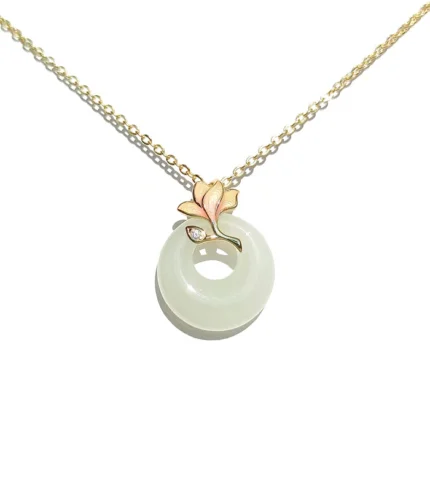
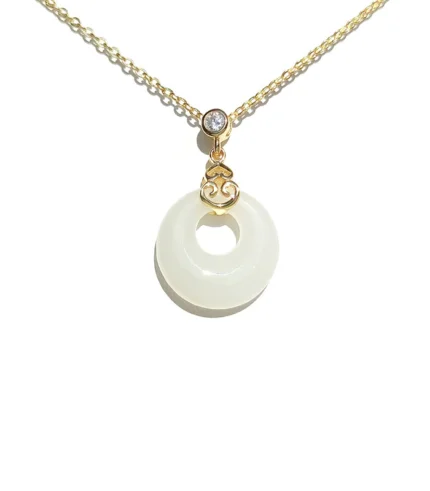
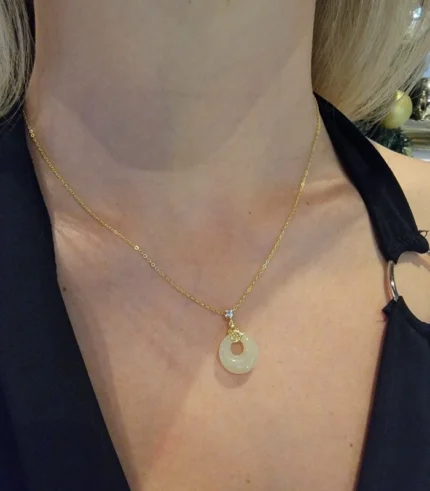
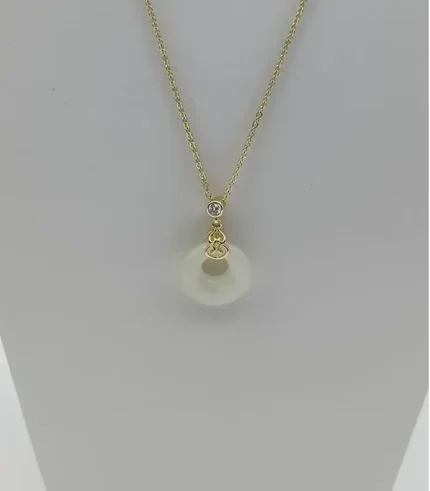
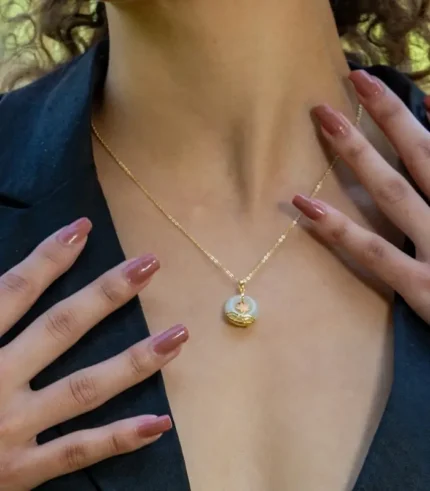
View all →Genuine White Jade Bi Disc Necklace in 14K Gold Plated Silver
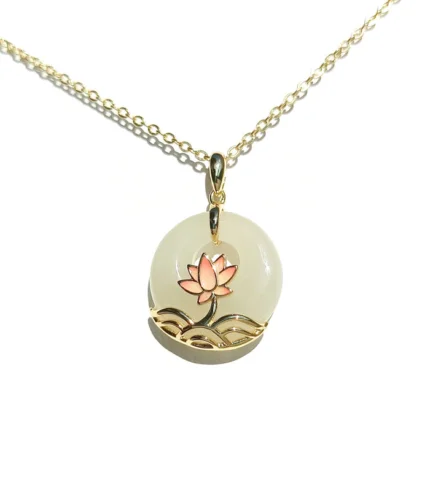
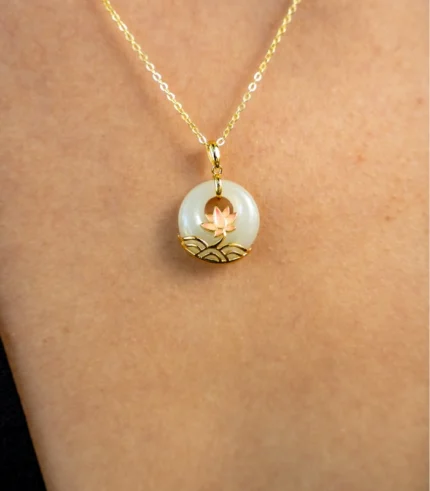
Original price was: $85.00.$76.50Current price is: $76.50.Genuine White Jade Lotus Necklace
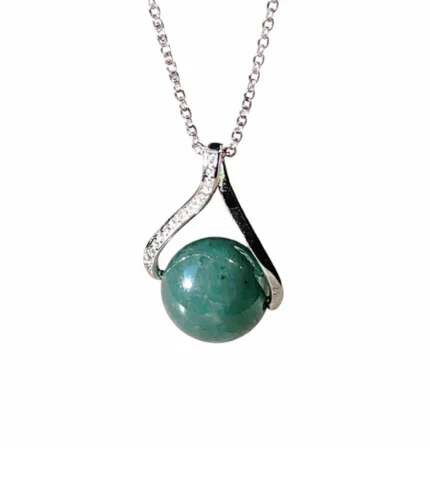
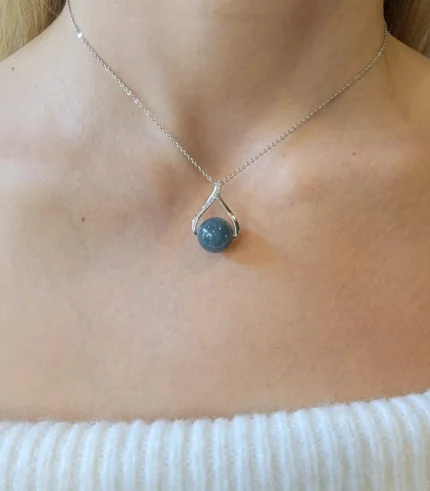
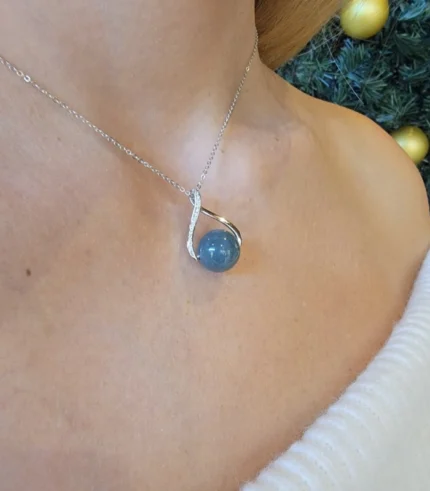
Original price was: $85.00.$76.50Current price is: $76.50.Genuine Blue Jade Round Necklace in Sterling Silver
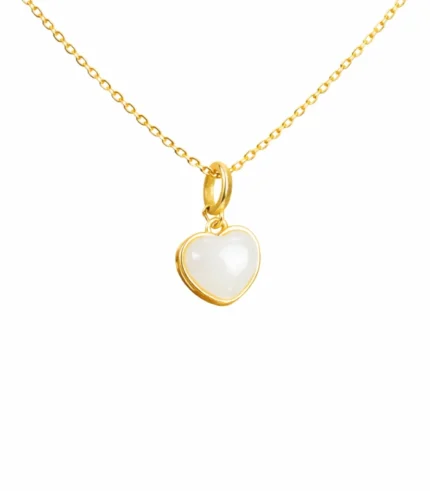
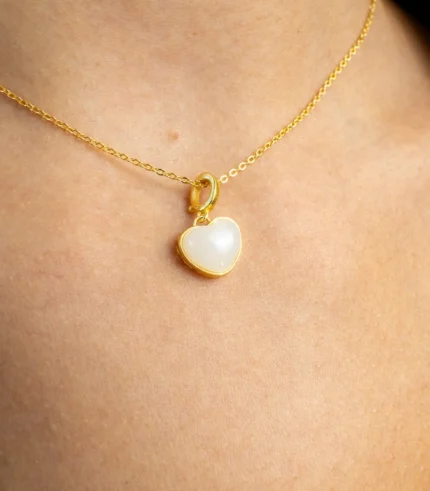
Original price was: $85.00.$76.50Current price is: $76.50.Genuine White Jade Heart Pendant Necklace in 14K Gold Plated Sterling Silver
Original price was: $85.00.$76.50Current price is: $76.50.

The Hierarchy of Buried Jade — Gold, Silver, Copper, and Silk
Not everyone could be buried in jade, and among those who could, the thread material signaled exactly where they stood. gold thread was reserved exclusively for emperors. silver thread was permitted for princes, princesses, dukes, and marquises.
Copper thread went to the children of silver-thread holders. Silk thread marked the lesser aristocrats at the bottom of the jade burial hierarchy. This system meant that a buried jade suit was not simply a religious artifact — it was a political statement encoded in precious materials.
The suit of Prince Huai, discovered in 1973 in Dingxian, Hebei Province, contained 1,203 jade pieces joined with 2,580 grams of gold thread, confirming his high rank. However, if a family attempted to use thread material above their station, it would have been a serious transgression — the hierarchy was enforced as rigidly as any law. The practice finally ended in 222 or 223 CE when Emperor Wen of Wei banned jade burial suits entirely.
His reasoning was pragmatic rather than philosophical: the elaborate suits made tombs irresistible targets for looters, and the looting had become a serious problem.
How Buried Jade Was Discovered — Key Archaeological Finds
The most significant discovery of buried jade came in 1968 in Mancheng, Hebei Province, when an army platoon building an air-raid shelter accidentally uncovered two complete jade burial suits belonging to Liu Sheng and his wife Dou Wan. The find was described as one of the most important archaeological discoveries of the 20th century and gave researchers their first intact examples of imperial jade burial practice. Additional discoveries followed.
In 1973, Prince Huai’s suit was found in Dingxian, Hebei. A decade later, in 1983, the jade suit of Zhao Mo — the second King of Southern Yue — was unearthed in Guangzhou. To date, approximately 20 jade burial suits have been discovered in China.
Each find has deepened our understanding of how jade functioned in ancient Chinese spiritual and political life. These discoveries also transformed the collector market. Before the Mancheng find, buried jade suits were known primarily from historical texts.
Seeing the actual artifacts — the craftsmanship, the scale, the sheer quantity of jade involved — shifted jade from a niche antiquarian interest to a major category in Asian art collecting.
Join the KartiKart community
10% off, on top of any current sale, your first order + early access to new collections
Free · No spam · Unsubscribe anytime
What Buried Jade Means for the Modern Collector Market
The auction market for archaic Chinese jade has surged in recent years, driven partly by the cultural weight that buried jade traditions carry. In November 2024, Christie’s Hong Kong sold the “Cosmic Essence: Archaic Jades from the Lantien Shanfang Collection” — 75 lots that brought in HK$214,778,200, approximately US$28 million. At the same sale series, a Han-dynasty jade bi disc dating to roughly 89–144 AD sold for HK$25.2 million, a figure that was ten times its upper presale estimate.
These are not isolated results. In 2023, a neolithic 13-tier jade cong from around 3000–2500 BC sold at Bonhams for US$1.2 million — 40 times above its low estimate. In 2022, Christie’s Hong Kong sold Taiwanese dealer Chang Wei-Hwa’s archaic jade collection for US$9.3 million in a white-glove sale where every single lot found a buyer.
The general market range for Chinese jade art runs from €100 to €50,000, but exceptional pieces with strong provenance regularly reach millions. However, if you are considering entering this market, be warned: authenticity and provenance are the dominant concerns. Collectors strongly prefer pieces with documented ownership history, and forgeries are a persistent problem.
A piece that looks right but lacks provenance documentation will sell for a fraction of what a well-documented example brings — if it sells at all.
Authenticity Challenges and What to Watch For
The buried jade market’s biggest limitation is the difficulty of authentication. Jade does not lend itself to simple scientific dating the way ceramics or metals do, which means provenance — the documented chain of ownership — becomes the primary measure of legitimacy. Liangzhu culture cong vessels dating to roughly 3300–2300 BC are considered “blue-chip” in the archaic jade category, but only when their collecting history is solid.
Pieces with imperial provenance or connections to known historical collections command the highest premiums. The 2021 Sotheby’s record-setter — that HK$53.77 million nephrite bi — carried an inscription from the Qianlong Emperor himself, which essentially guaranteed its authenticity and added centuries of documented imperial ownership. Without that kind of provenance, even a genuine piece faces skepticism.
For everyday jade lovers who are drawn to the stone’s beauty and cultural significance but are not prepared to navigate the complexities of the antiquities market, modern jade-inspired jewelry offers a practical alternative. The stone’s meaning — purity, protection, connection to something larger — translates beautifully into pieces you can actually wear.
Why Jade’s Cultural Meaning Still Resonates in Modern Jewelry
Institutional interest in jade’s history continues to grow. In June 2025, the “Dragon Soars in China: The Hongshan Cultural Ancient Civilization Exhibition” opened at the Shanghai Museum East Wing, showcasing ancient jade artifacts and reinforcing the stone’s significance in Chinese cultural identity. That kind of institutional attention keeps jade relevant far beyond the auction room.
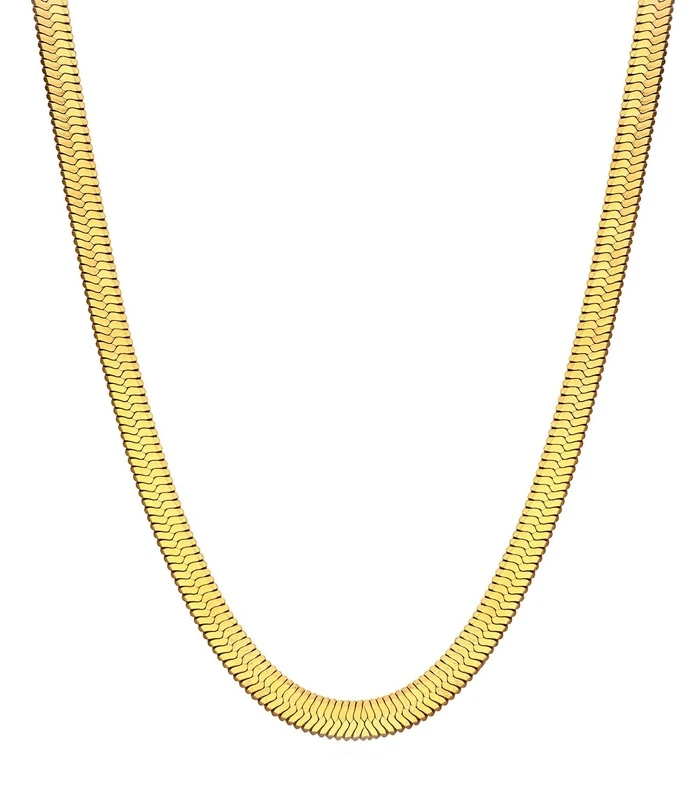
For women who love the idea of wearing a stone with thousands of years of meaning behind it, pairing jade with modern materials like 18K Gold Plated Stainless Steel creates something that honors the tradition while fitting into everyday life. The warmth of gold against jade’s cool greens and whites is a combination the ancient Chinese understood instinctively — and it looks just as striking on a modern wrist or neckline.
The Future of Jade Collecting and Appreciation
The buried jade tradition may have ended nearly 1,800 years ago, but its influence on how we value this stone is still growing. Auction records continue to climb, museum exhibitions draw new audiences, and a younger generation of collectors is discovering archaic jade for the first time. The cultural weight behind jade — as a symbol of immortality, moral character, and connection to the heavens — gives it a depth that few other gemstones can match.
Whether you are drawn to jade as a collector, a history enthusiast, or simply someone who appreciates a stone with real meaning, the story of buried jade adds a layer of significance to every piece. It is a reminder that some things hold their value not because of market forces, but because of what they have meant to people across millennia.
Looking for minimalist jade jewelry? Browse our full collection of necklaces, bracelets, earrings, and rings at KartiKart. Free shipping on all US orders.
Conclusion
The tradition of buried jade in ancient China was one of the most elaborate funerary practices in human history — a system that consumed enormous resources, enforced strict social hierarchies, and reflected a genuine belief that jade could bridge the gap between the living and the dead. From Liu Sheng’s 2,498-piece gold-threaded suit to the roughly 20 burial suits discovered to date, these artifacts continue to reshape our understanding of jade’s role in Chinese civilization. For collectors, the market implications are clear: archaic jade with strong provenance is commanding record prices and showing no signs of slowing down.
For everyone else, the story of buried jade is a powerful reminder of why this stone feels different from other gemstones. When you wear jade — whether as part of a museum-worthy collection or a modern minimalist piece — you are wearing something that entire dynasties believed could grant eternal life. That kind of history is worth knowing.
You Might Also Like
- Chinese Folklore of Chang’e The Moon Goddess
- The Quiet Luxury Movement and Why Understated Jewelry Is Dominating Fashion Right Now
- How French Women Style Jewelry Differently and What Americans Can Learn
From the KartiKart shop
Wear what you just read about
Dainty, everyday pieces, handpicked by a husband-and-wife team. Free U.S. shipping, gift-ready packaging, 30-day easy returns, and 5% of every order goes to organizations fighting human trafficking.
Shop white & blue jade jewelry →Pieces our readers love
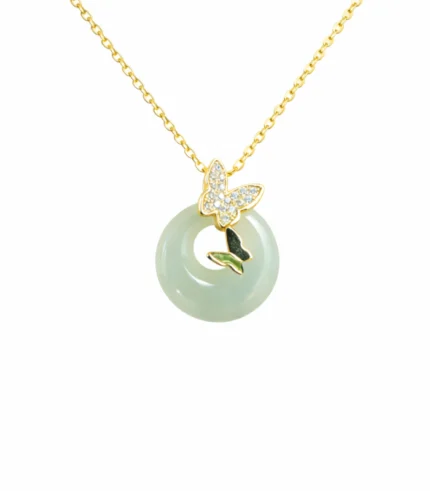
View all →Genuine White Jade Butterfly Necklace in 14K Gold Plated Silver
Original price was: $85.00.$76.50Current price is: $76.50.Genuine White Jade Flower Pendant Necklace in 14K Gold Plated Sterling Silver
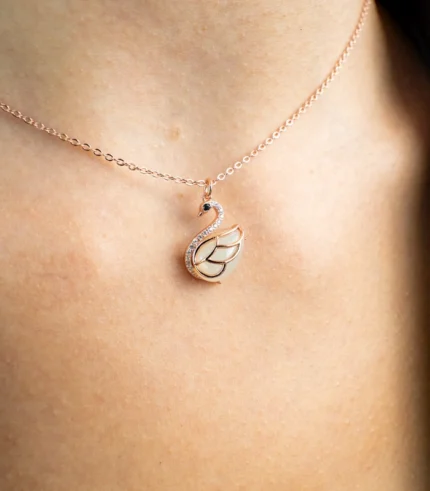
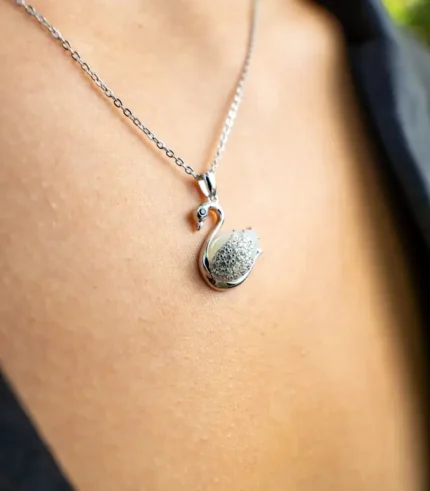
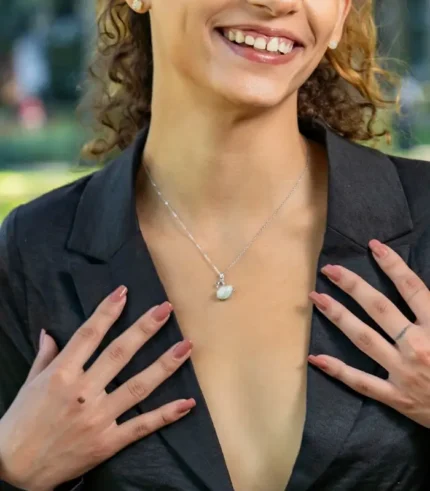
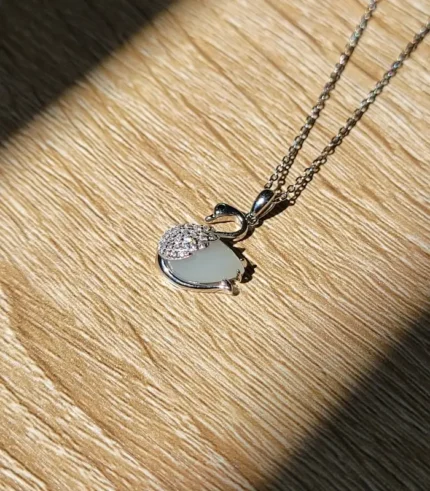
Original price was: $85.00.$76.50Current price is: $76.50.Genuine White Jade Swan Necklace in 14K Rose Gold Plated Silver
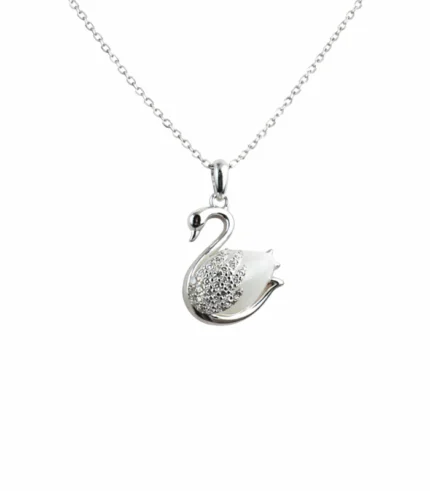
Original price was: $85.00.$76.50Current price is: $76.50.Genuine White Jade Swan Necklace in Sterling Silver
Original price was: $85.00.$76.50Current price is: $76.50.