How Tariffs on Chinese Goods Are Quietly Raising Jewelry Prices in America
Tariffs on Chinese goods are raising jewelry prices across America in ways most shoppers never see on a price tag. Since early 2025, a cascade of trade policy changes has pushed import duties on jewelry components to between 25 and 35 percent under Section 301, with tariffs on diamond-set gold jewelry alone jumping from 5 percent to 25 percent — a 400 percent increase in duties that the industry estimates added roughly one billion dollars to Valentine’s Day 2026 spending nationwide. If you have noticed that the bracelet you bookmarked last spring now costs noticeably more, trade policy is almost certainly part of the reason. The effects go well beyond fine jewelry counters at department stores.
According to the Tax Foundation, the current tariff regime represents the largest U.S. tax increase as a percentage of GDP since 1993, amounting to an average $1,500 tax increase per household in 2026. Rising material costs, eliminated shipping exemptions, and supply chain upheaval are all compounding the problem. This article breaks down exactly how these tariffs work, who absorbs the cost, why certain jewelry materials are hit harder than others, and what practical steps you can take to shop smarter in 2026 and beyond.
Explore our collection of handpicked jade jewelry at KartiKart — minimalist pieces built to last.
Table of Contents
- How Are U.S. Tariffs on Chinese Goods Raising Jewelry Prices Right Now?
- The De Minimis Loophole That Quietly Disappeared
- Rising Material Costs That Are Raising Jewelry Prices Beyond Tariffs Alone
- What Smart Jewelry Shoppers Are Doing Differently in 2026
- The Global Supply Chain Scramble and Why It Matters to You
- How the Holiday and Valentine’s Day Seasons Felt the Impact First
- What Happens Next — Tariff Outlook for Late 2026 and Beyond
- Conclusion
How Are U.S. Tariffs on Chinese Goods Raising Jewelry Prices Right Now?
The short answer is layered duties that stack on top of each other. China tariffs initially escalated to 145 percent in early 2025 before a 90-day truce capped duties on chinese goods at 30 percent. As of December 2025, Chinese imports sit under a 10 percent baseline tariff, with the highest reciprocal tariffs — potentially reaching 79 percent — delayed until November 10, 2026.
jewelry components such as gold findings and gem settings currently face effective tariffs of 25 to 35 percent, and these costs flow downstream to every finished piece that lands on a retail shelf. Industry analysis reported by National Jeweler shows that a 25 percent tariff translates into a 12 to 18 percent retail price increase for consumers. That range exists because some brands absorbed a portion of the cost throughout 2025 to stay competitive.
However, manufacturers are now reporting plans to pass 100 percent of the tariff cost through in 2026, which means the price increases shoppers saw last year were only the beginning. To put this in concrete terms, a necklace that retailed for $120 in early 2024 would carry a tariff-adjusted price closer to $135 to $142 today — and that is before accounting for the separate material cost pressures discussed below. For items with diamond settings or gold components sourced from China, the increase is even steeper.

The De Minimis Loophole That Quietly Disappeared
One of the least discussed but most impactful changes happened on May 2, 2025, when the de minimis exemption — which allowed packages valued under $800 to enter the U.S. duty-free — was eliminated for shipments from China and Hong Kong. By August 29, 2025, the exemption was gone for all countries.
This change hit small jewelry sellers and direct-to-consumer brands hardest, because many relied on shipping individual orders below the $800 threshold to avoid import duties entirely. Since the exemption ended, the number of sub-$800 parcels entering the U.S. has fallen 54 percent.
Products made from textiles or metals, including jewelry and accessories, commonly face duty rates around 12 percent that small businesses previously avoided altogether. If you buy from independent jewelry makers who source materials internationally, expect their prices to reflect this new cost that simply did not exist eighteen months ago. However, this change does not affect every seller equally.
Brands that manufacture domestically, source from tariff-exempt countries, or import in bulk shipments above the de minimis threshold were already paying duties. For them, the playing field has actually leveled — their overseas competitors no longer enjoy a duty-free advantage on small shipments.
Rising Material Costs That Are Raising Jewelry Prices Beyond Tariffs Alone
Tariffs on finished goods are only part of the equation. A 50 percent tariff on copper imports took effect on August 1, 2025, and on the day it was announced, copper prices spiked 13 percent in a single session to a record $5.69 per pound — the largest single-day increase in the metal’s history. Copper is a core component in many jewelry alloys, findings, and plating processes, so this shock rippled through every level of the supply chain.
These material cost pressures compound on top of the finished-goods tariffs, creating a situation where raising jewelry costs is driven by multiple forces simultaneously. A Federal Reserve analysis published on March 5, 2026 confirmed that consumers are paying higher retail prices due to tariffs, though the pass-through was initially delayed as retailers worked through pre-tariff inventory they had stockpiled in anticipation. Stainless steel, by contrast, has remained relatively insulated from the worst spikes.
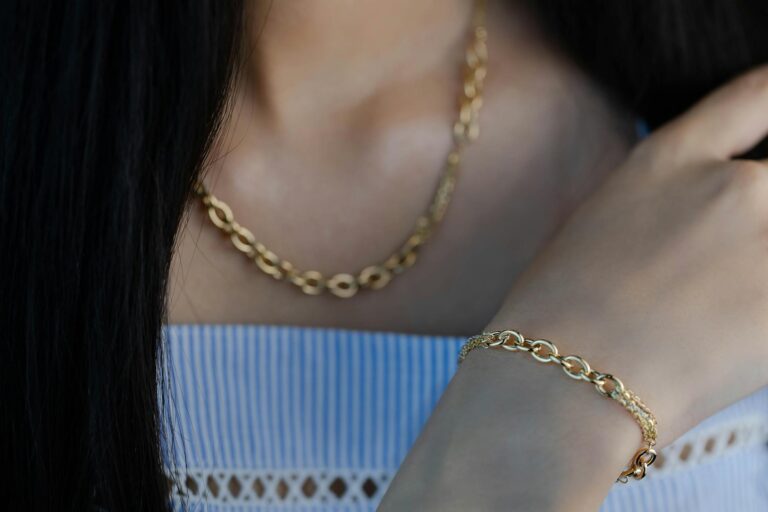
Because 18K gold Plated Stainless Steel uses a durable base metal that is widely produced outside the most heavily tariffed categories, it has not seen the same dramatic material cost escalation as solid gold, copper-heavy alloys, or diamond-set pieces. This is one reason stainless steel jewelry has become an increasingly popular choice for women who want the look and feel of gold without exposure to volatile precious metal pricing.
What Smart Jewelry Shoppers Are Doing Differently in 2026
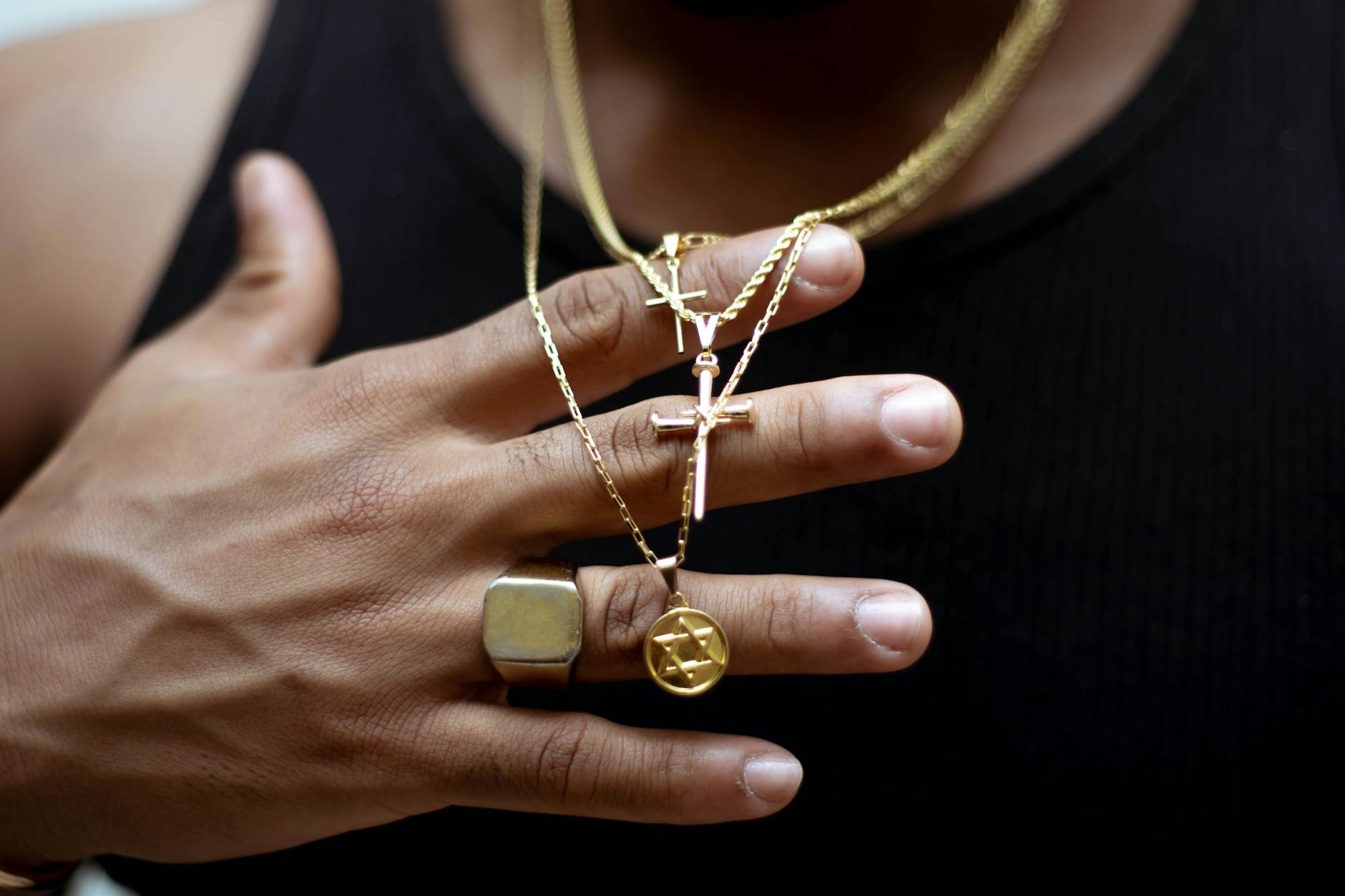
The first and most practical adjustment is rethinking material priorities. Solid gold jewelry has always carried a premium, but with tariffs and material costs pushing prices further upward, the gap between solid gold and high-quality gold plated alternatives has widened significantly. Modern plating technology has improved dramatically — 18K Gold Plated Stainless Steel looks identical to solid gold, wears comfortably because of its lightweight construction, and can be maintained with simple care habits like removing it before showering and storing pieces separately.
The real advantage of gold plated stainless steel in a tariff-heavy market is flexibility. Instead of investing in a single expensive piece and watching its replacement cost climb with every policy change, you can build a versatile collection at accessible price points and update your style as trends shift. This is not about settling for less — it is a different approach for different priorities.
Join the KartiKart community
10% off, on top of any current sale, your first order + early access to new collections
Free · No spam · Unsubscribe anytime
Some women want heirloom gold they will never remove. Others want variety, rotation, and the freedom to experiment without agonizing over the cost. A second smart move is paying attention to where a brand sources its materials and manufactures its products.
Brands transparent about their supply chains are often better positioned to manage tariff exposure and keep pricing stable for their customers.
The Global Supply Chain Scramble and Why It Matters to You
The tariff increases have triggered a massive reshuffling of global jewelry supply chains. Polished diamond and jewelry exports from India to the U.S. experienced a 75 percent volume collapse after cumulative tariffs hit 50 percent on Indian gems and jewelry.
U.S. importers are aggressively diversifying to low-tariff countries such as the UAE and Turkey, seeking to reduce their exposure to the most punitive duty rates. This diversification is a double-edged development for consumers.
On one hand, it may eventually stabilize prices as new, lower-cost supply routes mature. On the other hand, the transition period creates uncertainty. Much of the industry is in a wait-and-see holding pattern while trade negotiations continue — there is hope that Indian gem tariffs may settle into a 12 to 19 percent target range by early 2026, but nothing is finalized.
The warning here is that raising jewelry prices driven by supply chain restructuring does not reverse quickly even if tariffs are reduced. Brands that invested in relocating production, qualifying new suppliers, and rebuilding logistics networks will need to recoup those costs over time. Consumers should not expect an immediate price drop even in an optimistic trade scenario.

How the Holiday and Valentine’s Day Seasons Felt the Impact First
Seasonal shopping events were the first places where tariff-driven price increases became undeniable. By the 2025 holiday season, prices for many diamond jewelry pieces were 10 to 20 percent higher than a year prior, reflecting the combined effect of tariffs and inflation. The tariff increase on diamond-set gold jewelry alone added an estimated $1 billion to national Valentine’s Day 2026 spending — a figure analysts at OANDA described as a “Cupid Tax.” This seasonal pressure disproportionately affects buyers shopping for traditional fine jewelry gifts.
Women shopping for themselves, building everyday jewelry wardrobes with versatile gold plated pieces, have more room to navigate around the sharpest price increases by choosing materials and styles outside the hardest-hit categories.
What Happens Next — Tariff Outlook for Late 2026 and Beyond
The largest tariff escalation still looms ahead. The highest reciprocal tariffs on Chinese goods — potentially reaching 79 percent — are delayed until November 10, 2026. If those duties take full effect without further negotiation, the current round of raising jewelry prices will look modest by comparison.
Industry groups are lobbying for exemptions and reduced rates, but there is no guarantee of relief. For now, the most practical mindset is to assume that jewelry prices are unlikely to decrease in the near term. Building a collection around durable, well-plated stainless steel pieces, caring for them properly to extend their life, and shopping with brands that offer transparent pricing are the best ways to stay ahead of a trade environment that remains deeply uncertain.
Looking for minimalist jade jewelry? Browse our full collection of necklaces, bracelets, earrings, and rings at KartiKart. Free shipping on all US orders.
Conclusion
Tariffs on Chinese goods have been quietly raising jewelry prices through a combination of direct import duties, eliminated shipping exemptions, spiking material costs, and supply chain disruption. The numbers are substantial — 25 to 35 percent tariffs on jewelry components, a 54 percent drop in duty-free small parcels, a record-breaking copper price spike, and an estimated $1,500 average household tax increase in 2026. These forces are not temporary, and the industry has signaled that full cost pass-through to consumers is coming.
The good news is that informed shoppers have real options. Choosing 18K Gold Plated Stainless Steel over tariff-exposed solid gold and imported gemstone pieces is one of the most straightforward ways to maintain your style without absorbing the full impact of trade policy you did not choose. Pay attention to sourcing transparency, take care of the pieces you own, and treat this moment as an opportunity to rethink what smart jewelry buying looks like in a changed economic landscape.