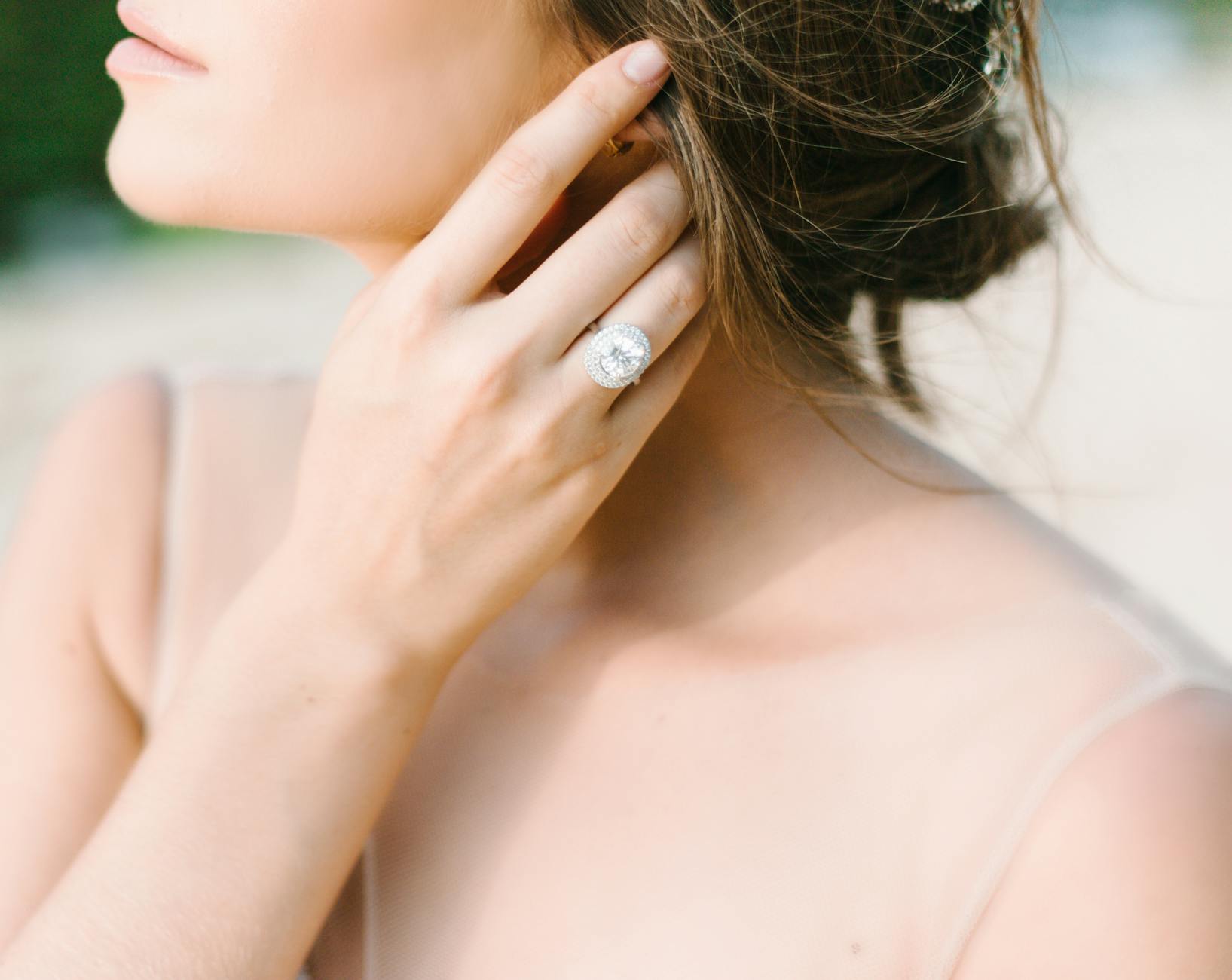
How Runway Jewelry Trends Reach Your Local Store in Under Six Months
Jewelry trends now move from the runway to your favorite store in as little as two to four weeks, a dramatic shift from the twelve-to-eighteen-month timeline that defined the industry just a decade ago. The compression is driven by a combination of real-time social media discovery, data-driven merchandising, and vertically integrated supply chains that allow brands like Zara to spot a trend, produce a piece, and ship it to the sales floor within days.
When Matthieu Blazy debuted Bottega Veneta’s drop stud earring on the Autumn/Winter 2022 runway, bold studs spread across price points into mass retail in roughly six to twelve months — and that was considered a typical cycle for jewelry specifically, according to Marie Claire UK. This article breaks down each stage of that accelerated pipeline, from how designers and algorithms identify what is about to take off, to how proximity manufacturing and small-batch production keep stores stocked with what shoppers actually want. You will also learn why the jewelry category is outpacing clothing in growth, how gold-toned finishes like 18K gold plated stainless steel dominate bestseller lists, and what all of this means for your next purchase.
Explore our collection of handpicked jade jewelry at KartiKart — minimalist pieces built to last.
Table of Contents
- How Do Runway Jewelry Trends Actually Reach Retail Shelves So Fast?
- Why Social Media Has Replaced the Traditional Trend Calendar
- Which Jewelry Trends Are Dominating Right Now and Why
- How Retailers Decide Which Trends to Stock
- The Supply Chain Pressures Behind Every Trend Cycle
- Small-Batch Production and the Rise of Accessible Gold Jewelry
- Where Jewelry Trends Are Heading Next
- Conclusion
How Do Runway Jewelry Trends Actually Reach Retail Shelves So Fast?
The traditional fashion cycle has three phases — planning and design, sell-in to wholesale buyers, and production with delivery — each lasting anywhere from twelve to thirty weeks depending on the company, according to McKinsey’s analysis of the apparel calendar. That puts the old timeline at roughly nine to eighteen months from sketch to shelf. Vertically integrated brands like Zara and H&M eliminate the sell-in phase entirely because they own their own stores, which alone shaves weeks off the process.
What makes the current speed possible is technology layered on top of that structural advantage. Zara uses machine learning algorithms to analyze in-store and online purchase patterns, adjusting production runs within forty-eight hours of detecting a trend shift. Once a design is finalized, finished goods can move from factory to store floor within forty-eight hours of shipping.
For jewelry trends in particular, the lighter weight and smaller size of accessories make logistics even faster than for apparel. However, this speed is not universal. Brands that rely on overseas contract manufacturing and multi-tier wholesale distribution still operate on timelines closer to six months or longer.
If your favorite local boutique sources from small artisan workshops in Southeast Asia, the runway-to-retail window may look very different from what a fast-fashion giant achieves.
Why Social Media Has Replaced the Traditional Trend Calendar
Trends that once lasted years now peak and disappear within months or even weeks. Digital platforms have compressed the timeline, turning fashion into a near-real-time conversation where a single viral post can make a style ubiquitous overnight. According to the Business of Fashion and McKinsey’s State of Fashion 2026 report, twenty-eight percent of jewelry discovery among Gen Z happens via social platforms — Instagram, TikTok, and live shopping now function as direct sales channels, bypassing traditional trend diffusion entirely.
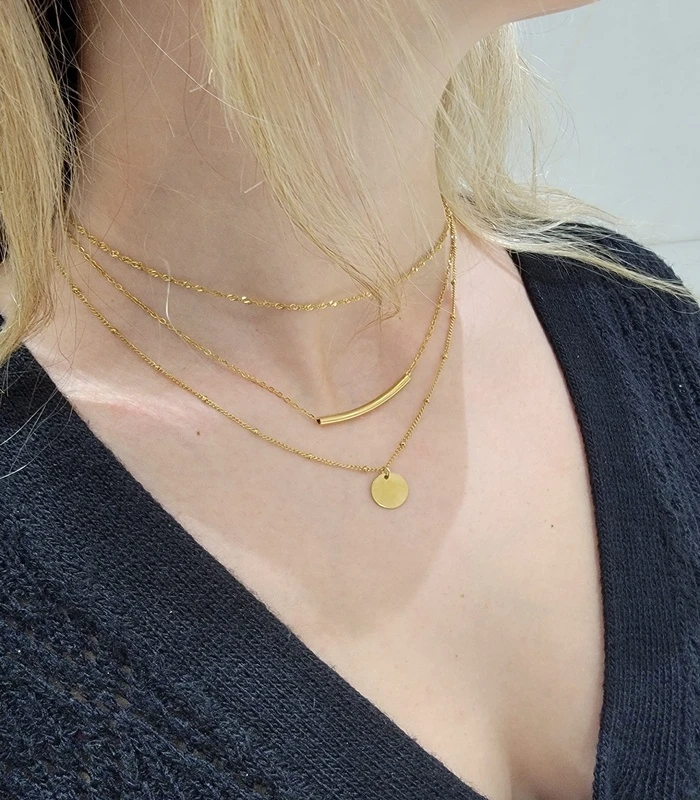
This means a designer can show a chunky gold cuff on a Paris runway in October, and by November a TikTok creator has styled a similar 18K gold plated stainless steel version for a fraction of the price, driving thousands of searches and purchases. The old model — where editors filtered trends, buyers placed orders at trade shows, and consumers waited for the next season — has been largely replaced by an always-on feedback loop between creators, brands, and shoppers. The limitation here is that social-driven jewelry trends can burn out just as quickly as they ignite.
A style that peaks on TikTok in three weeks may feel dated by the time a slower retailer stocks it. This is one reason why affordable materials like gold plated stainless steel have become so appealing — they let you participate in fast-moving trends without committing hundreds or thousands of dollars to a single piece.
Which Jewelry Trends Are Dominating Right Now and Why
The global jewelry market reached three hundred forty-eight billion dollars in 2025, and jewelry is forecast to be the fastest-growing fashion category by unit sales, growing at 4.1 percent annually — four times the rate of clothing — through 2028, according to the Business of Fashion and McKinsey. That growth is not evenly distributed across all styles and materials. Gold-toned finishes, particularly 18K gold PVD coatings, dominated more than ninety percent of fashion jewelry bestsellers in recent wholesale data, making gold the clear priority for inventory planning at every price level.
Lab-grown diamonds represent another major shift in jewelry trends, growing at fifteen to sixteen percent annually and forecast to account for half of all diamond jewelry unit sales by 2030. This signals a broader consumer preference for accessible luxury — shoppers want the look and the quality without the traditional price barrier. The same logic applies to gold plated stainless steel, which offers the warmth and richness of solid gold at a fraction of the cost, with modern plating technology delivering durability that earlier generations of plated jewelry could not match.
What is worth noting is that not every trending material works for every lifestyle. Solid gold remains the choice for heirloom pieces you plan to wear daily for decades. But for building a versatile collection, rotating seasonal styles, and keeping up with jewelry trends as they evolve, 18K gold plated stainless steel is the smart approach — it lets you own more styles and update your look without the financial weight of fine metals.
How Retailers Decide Which Trends to Stock
Data-driven merchandising has replaced intuition-based buying across the industry. Retailers now use real-time sales data, social listening tools, and point-of-sale analytics to determine which jewelry trends justify a production run, according to Jewel360’s 2026 retail trend report. A boutique owner who once relied on gut instinct at a trade show can now see exactly which styles are gaining momentum in her zip code before placing an order.
Join the KartiKart community
10% off, on top of any current sale, your first order + early access to new collections
Free · No spam · Unsubscribe anytime
The tradeoff is between speed and exclusivity. Fast-fashion retailers produce in small batches, maintain surplus manufacturing capacity, and adjust production levels based on what is actually selling. This means they rarely get stuck with dead inventory, but it also means the pieces they carry tend to look similar across brands.
Independent jewelers and smaller labels sacrifice speed for distinctiveness — their longer lead times often result in more unique, curated collections that do not appear on every other wrist at the office. For shoppers, this creates a practical choice. If you want to be first to a trend, large retailers and online-first brands will have it fastest.
If you value pieces that feel personal and less mass-produced, smaller brands working with quality materials like stainless steel or sterling silver offer a different kind of value, even if they arrive a season behind the runway.
The Supply Chain Pressures Behind Every Trend Cycle
Forty-five percent of fashion executives say sourcing costs will pressure their economic models more than any other factor in 2026, according to McKinsey’s State of Fashion report. This is not an abstract concern — it directly affects which jewelry trends make it to your local store and at what price. When raw material costs spike or shipping routes are disrupted, brands are forced to prioritize their safest sellers and cut experimental styles.
Twenty-three percent of companies are responding by nearshoring — moving manufacturing to geopolitically stable regions and setting up satellite warehouses to reduce lead times, according to Supply Chain Dive. Brands with production facilities near their primary markets, like Zara’s network in Spain, Portugal, and Morocco, achieve dramatically shorter lead times compared to those sourcing entirely from Asia. For jewelry specifically, this proximity manufacturing allows brands to react to emerging trends in weeks rather than months.
The warning for consumers is that supply chain instability can quietly affect quality. When brands face pressure to cut costs and speed up production simultaneously, material shortcuts sometimes follow. This is where knowing what you are buying matters — a clearly labeled 18K gold plated stainless steel piece from a transparent brand is a more reliable purchase than a vaguely described “gold tone” accessory from an unknown source.

Small-Batch Production and the Rise of Accessible Gold Jewelry
Small-batch production has become the standard for trend-responsive jewelry brands. Rather than committing to thousands of units before knowing whether a style will sell, manufacturers produce limited runs and reorder based on actual demand. This model keeps prices accessible because brands are not building the cost of unsold inventory into every piece.
For materials like 18K gold plated stainless steel, small-batch production is especially well suited. The base material is affordable and widely available, plating processes are efficient at smaller scales, and the finished product looks identical to solid gold to the casual eye. This is why gold plated jewelry has become the backbone of fast-moving jewelry trends — it lets both brands and buyers stay current without the financial risk that comes with precious metals.
Where Jewelry Trends Are Heading Next
The next few years will likely accelerate these cycles even further. As machine learning tools become more sophisticated and social commerce platforms add features like in-app try-on and instant checkout, the gap between trend emergence and purchase will continue to shrink. The brands that thrive will be those that combine speed with material integrity — delivering on-trend pieces in quality metals and finishes, not disposable accessories that tarnish after a few wears.
For anyone building a jewelry collection in this environment, the strategy is clear. Invest in a few timeless staples in durable materials, then use affordable, well-made gold plated pieces to experiment with seasonal jewelry trends as they come and go. You get variety without waste, style without regret, and a collection that evolves as naturally as your taste does.
Looking for minimalist jade jewelry? Browse our full collection of necklaces, bracelets, earrings, and rings at KartiKart. Free shipping on all US orders.
Conclusion
The path from runway to retail has been compressed from over a year to a matter of weeks, driven by vertical integration, real-time data, social media discovery, and proximity manufacturing. For jewelry specifically, the lighter logistics, strong consumer demand, and dominance of gold-toned finishes have made this category one of the fastest to respond to emerging trends. Understanding this pipeline helps you shop smarter — knowing that the bold studs or minimalist chains you see online today will likely be widely available within a season.
Your next step is straightforward. Pay attention to what catches your eye on social platforms and editorial pages, then look for those styles in materials that match your priorities. If you want to keep pace with jewelry trends without overspending, 18K gold plated stainless steel offers the look and the versatility to rotate your collection as often as the trends themselves shift. The runway is no longer a world away — it is already in your cart.