How to Build a Jewelry Collection That Tells Your Life Story
To build jewelry that tells your life story, start by choosing pieces that mark the moments, relationships, and turning points that have shaped who you are — not by buying everything at once, but by collecting intentionally over months and years. A meaningful collection might begin with something as simple as a gold bracelet you bought yourself after your first promotion, a jade pendant that reminds you of your grandmother, or a ring you picked up while traveling through Mexico. The thread connecting these pieces is not a color palette or a price tag.
It is you. This approach to how you build jewelry collections has quietly replaced the old idea that you need a matched set of expensive heirlooms to have a “real” jewelry box. What matters now is curation — knowing why each piece is there and what it represents. In this article, we will walk through how to start a collection rooted in personal meaning, which foundational pieces to prioritize, how to layer different materials and styles without looking scattered, and how to keep your collection evolving as your life does.
Explore our collection of handpicked jade jewelry at KartiKart — minimalist pieces built to last.
Table of Contents
- How Do You Build Jewelry That Actually Reflects Your Story?
- Choosing Foundational Pieces That Grow With You
- How to Build Jewelry Layers That Tell a Deeper Story
- Mixing Materials and Price Points Without Losing Cohesion
- When Sentimental Value and Style Conflict
- Marking New Chapters Intentionally
- Letting Your Collection Evolve Honestly
- Conclusion
How Do You Build Jewelry That Actually Reflects Your Story?
The first step is to stop thinking about jewelry as decoration and start thinking about it as a personal archive. Every piece you own should be able to answer the question: why this one? Maybe it is a pair of stainless steel earrings you wore on your first date with your partner, or a simple gold plated bracelet you bought on a trip to celebrate a hard year ending. When each piece carries a reason, your collection starts to feel like a timeline rather than a pile of accessories.
A practical way to begin is to write down five to ten moments in your life that changed you — a move, a loss, a friendship, a risk that paid off. Then ask yourself whether any piece you already own connects to those moments. Most people discover they already have the beginnings of a meaningful collection without realizing it.
The pieces that survived every closet purge are usually the ones with stories attached. According to the Gemological Institute of America, gemstones have carried personal and cultural significance across civilizations for thousands of years, which means this instinct to attach meaning to what we wear is not new. If you are starting from scratch, do not rush to fill gaps.
Buy one piece at a time, and let each one settle into your daily life before adding the next. A collection built over five years will always feel more personal than one assembled in a single shopping spree.
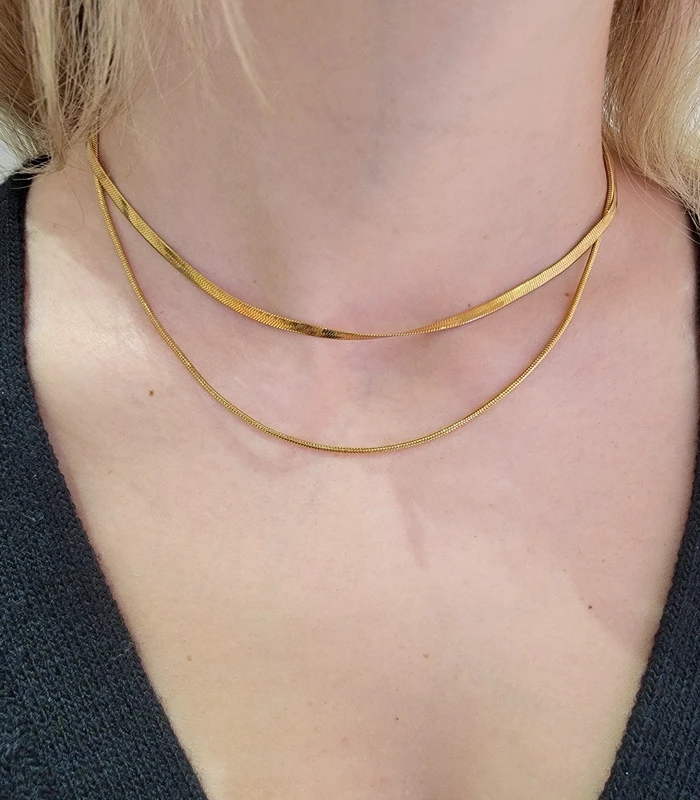
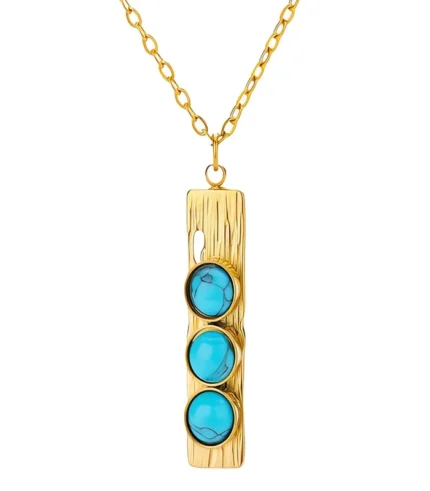
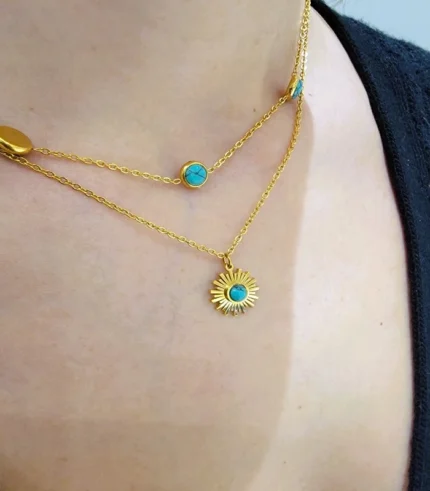
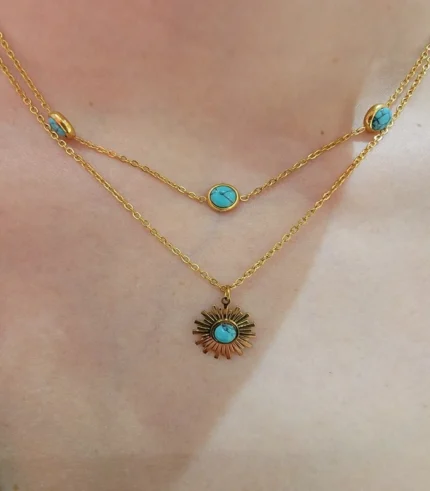
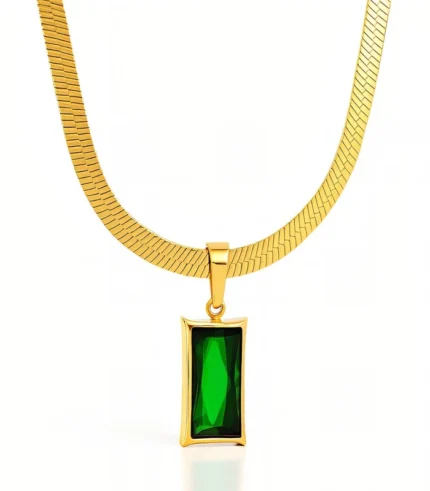
Shop tarnish-free gold-plated necklaces
View all →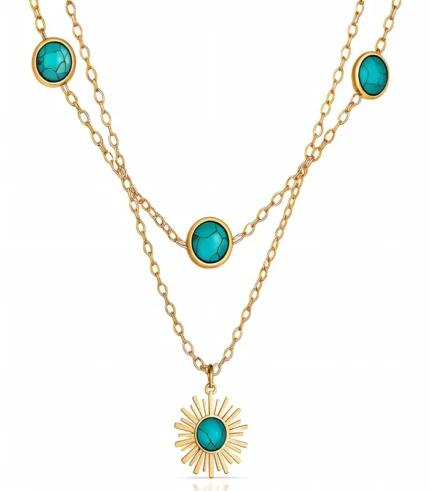


Choosing Foundational Pieces That Grow With You
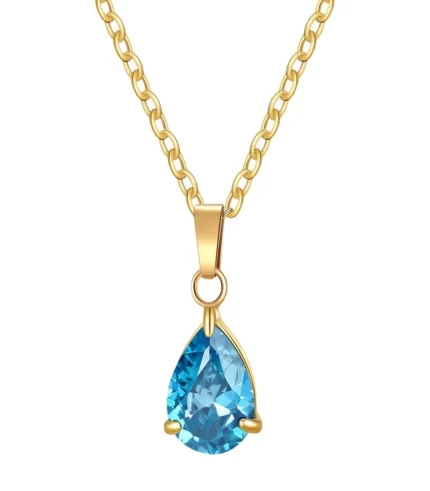
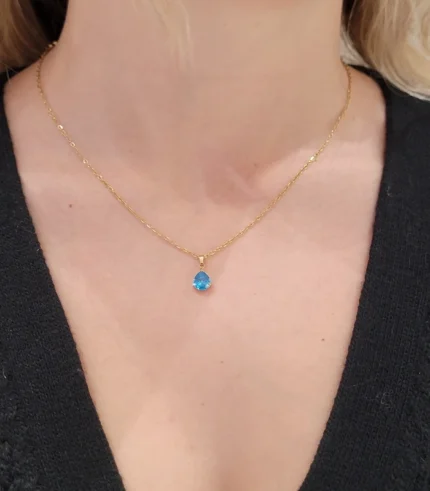
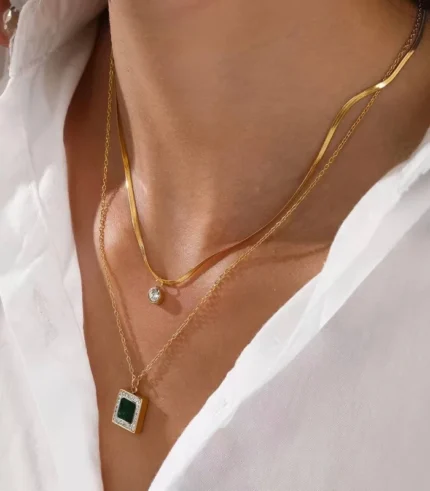
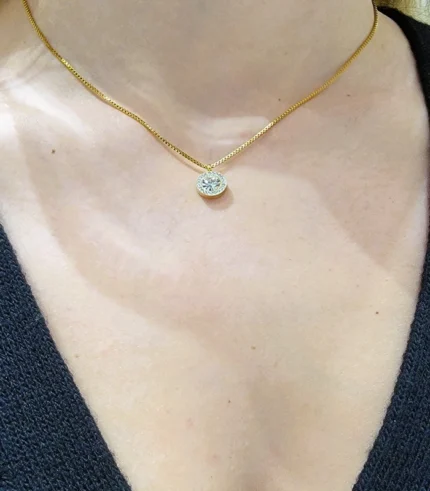
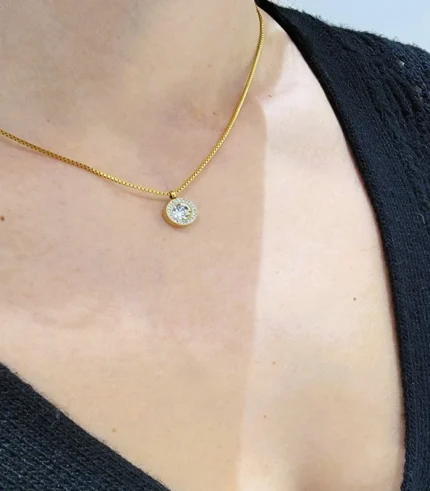
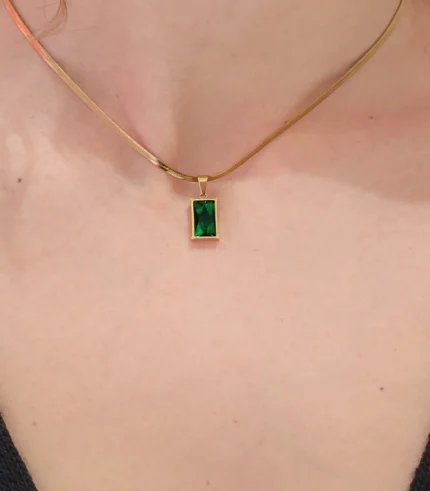
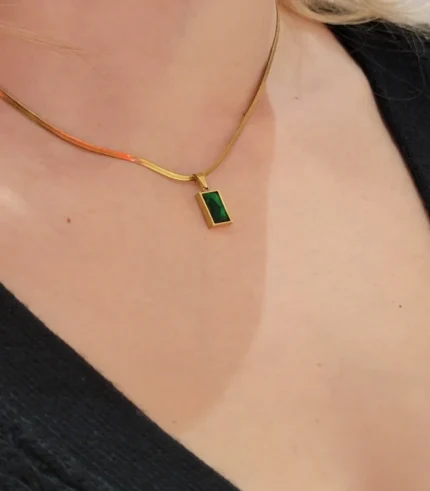
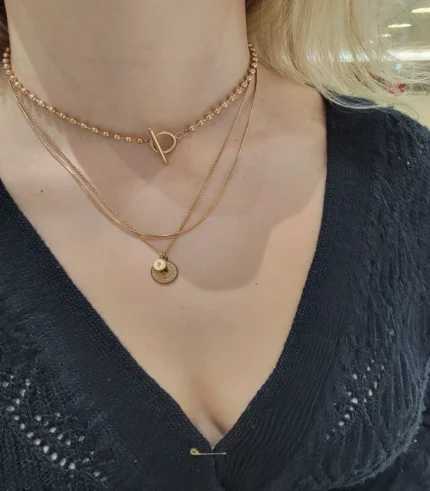
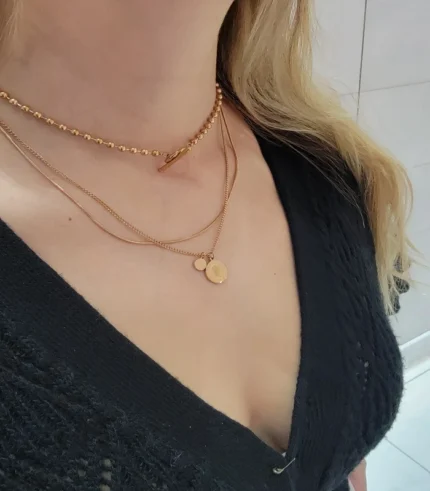
Every strong collection needs a few anchors — pieces versatile enough to wear daily but distinct enough to carry weight. Think of these as your base layer. A minimalist gold plated stainless steel bracelet, a pair of small hoops, and a simple pendant necklace can serve as the foundation you build jewelry around for years.
However, if you choose foundations based only on trends, you will likely outgrow them within a season. The pieces that last are the ones tied to your actual lifestyle. If you work with your hands, delicate chains may frustrate you — a solid cuff or a sturdy ring might be a better anchor.
If you dress minimally, a single statement pendant will do more work than five layering chains. Be honest about how you live, not how you wish you dressed. The material matters here too.
18K gold plated stainless steel is a smart foundation choice because it gives you the warmth and polish of gold without locking a large investment into a single piece. that means you can afford to have two or three foundational items instead of agonizing over just one. Easy maintenance — simply store pieces separately and keep them dry — ensures they stay looking sharp through years of daily wear.
How to Build Jewelry Layers That Tell a Deeper Story
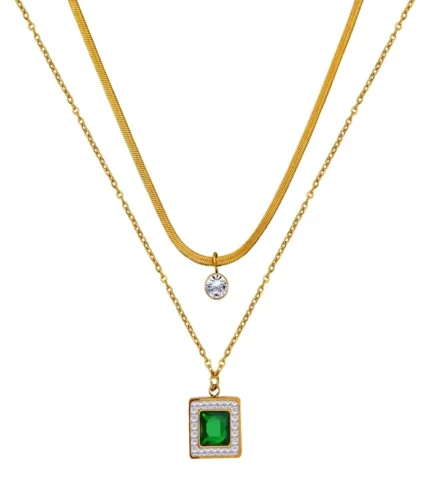
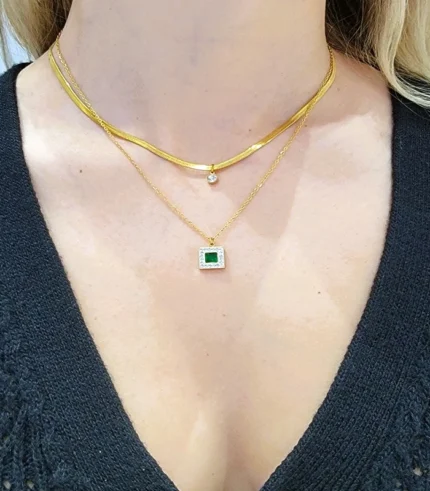
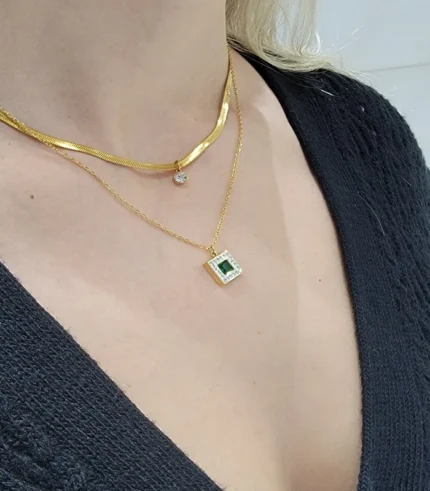
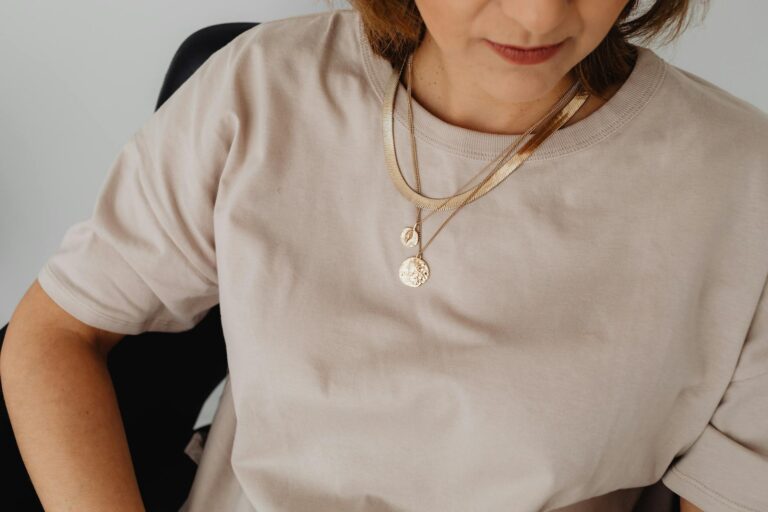
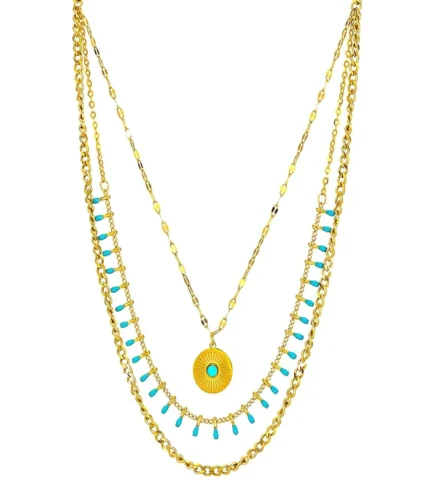
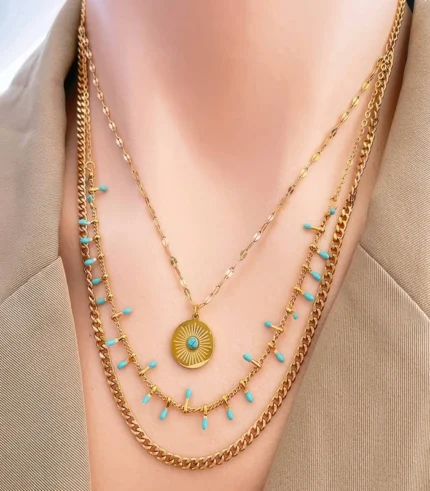
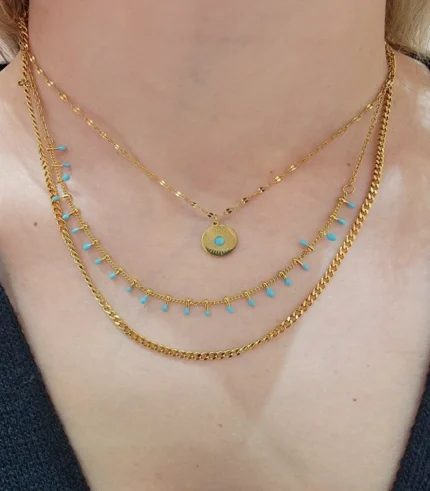
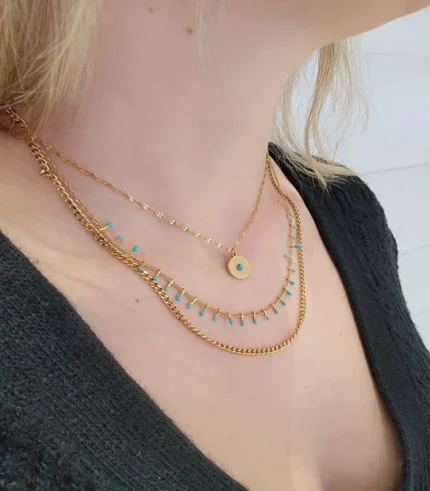
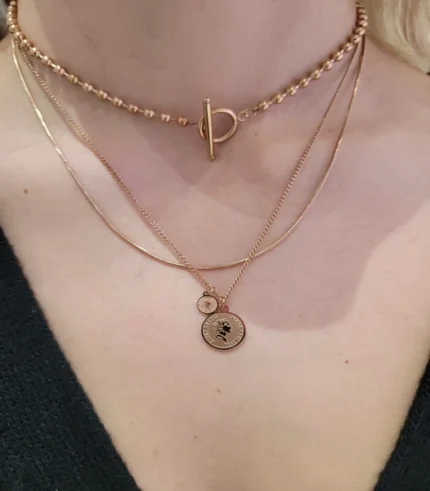
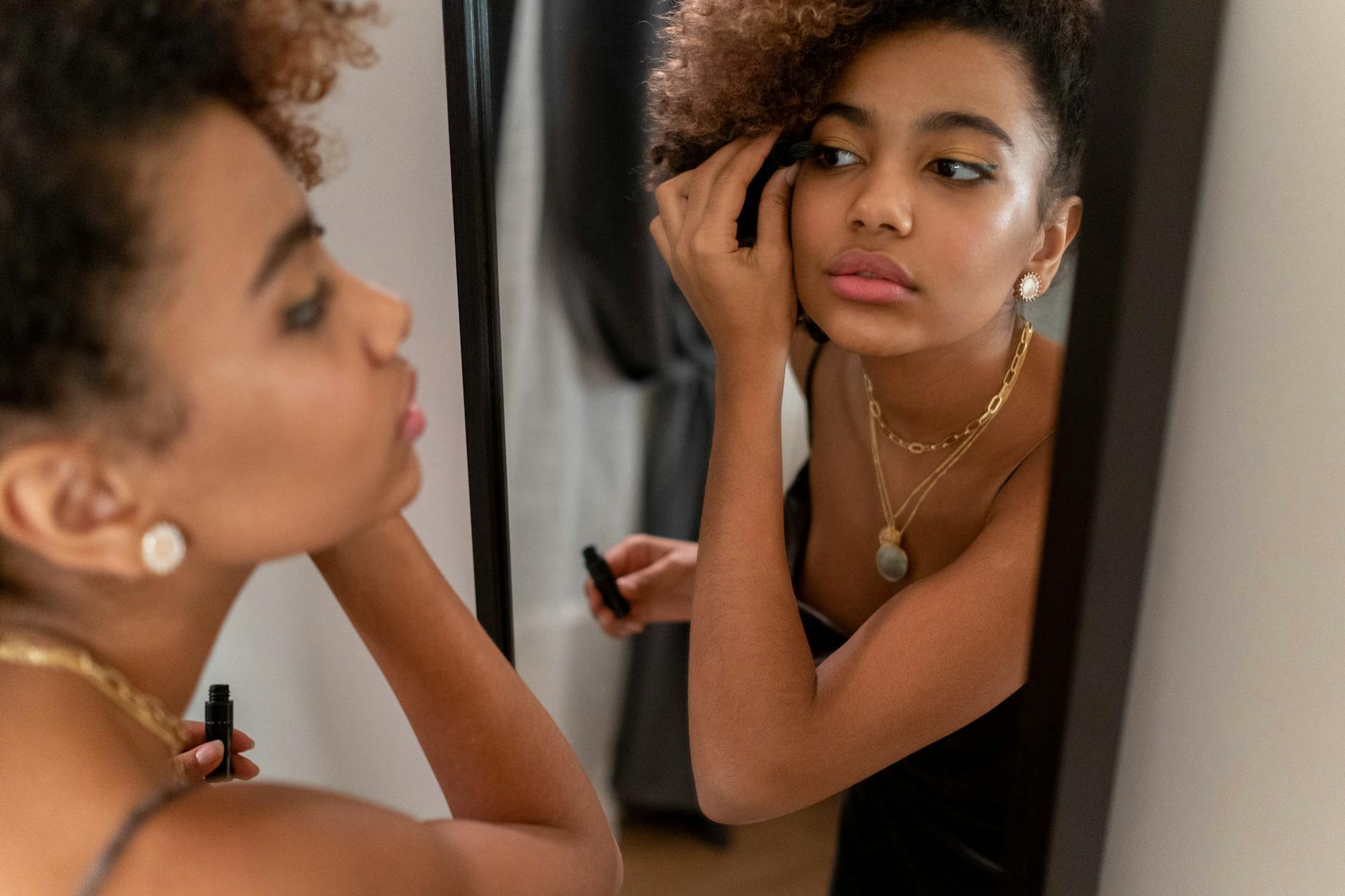
Layering is where a collection goes from functional to expressive. Once your foundations are in place, you start adding pieces that represent specific chapters — a jade bangle from a period when you were focused on healing, a rose gold ring that marks the year you started your business, or a gemstone pendant you chose because its meaning resonated with something you were going through. The key to layering without looking chaotic is to keep one element consistent.
That element might be metal tone — sticking mostly to gold tones, for instance — or it might be scale, keeping everything delicate. You do not need a rigid formula, but having one unifying thread lets you mix jade with stainless steel, or sterling silver with gold plated pieces, without the combination feeling random. A specific approach that works well: dedicate your left wrist to pieces that represent people in your life, and your right to pieces that represent personal milestones.
Or wear necklaces that mark places you have been and rings that mark versions of who you have been. These systems are private — no one else needs to know — but they give your layering an internal logic that you will feel every time you get dressed.
Mixing Materials and Price Points Without Losing Cohesion
One of the most common fears people have when they build jewelry collections is that mixing a thirty-dollar bracelet with a three-hundred-dollar ring will look “off.” It will not. What creates visual cohesion is intention, not price uniformity. A well-chosen 18K gold plated stainless steel chain layered with a vintage sterling silver pendant looks deliberate and interesting — not mismatched.
The real tradeoff to understand is between variety and uniformity. If every piece in your collection is the same material and style, your jewelry will always match but never surprise you. If every piece is wildly different, you will have options but struggle to combine them.
Join the KartiKart community
10% off, on top of any current sale, your first order + early access to new collections
Free · No spam · Unsubscribe anytime
The sweet spot is a consistent core — say, gold-toned metals — with occasional intentional contrasts, like a single silver piece or a natural stone that stands apart. Think of it the way you would a wardrobe. You do not need every shirt to be the same shade of blue.
You need most of your pieces to be in conversation with each other, with a few that deliberately break the pattern. That is how a collection starts to feel curated rather than accumulated.
When Sentimental Value and Style Conflict
Here is the part nobody talks about: sometimes the piece that means the most to you is the one that goes with nothing. Maybe it is an oversized pendant from your late aunt, or a ring from college that no longer fits your aesthetic. These conflicts are real, and pretending they do not exist leads to guilt-driven jewelry boxes where half the pieces never get worn.
The honest answer is that not every meaningful piece needs to be in your daily rotation. Some pieces belong in a small jewelry box on your dresser where you see them every morning. Some can be repurposed — a charm removed from an old bracelet and added to a new chain, for example, gives it a second life without forcing you to wear something that no longer feels like you.
The meaning does not disappear when you stop wearing it. A warning, though: do not let this become an excuse to hoard. If a piece carries negative associations — a gift from a relationship that hurt you, a reminder of a version of yourself you have outgrown — letting it go is not disrespectful.
It is editing. The best collections are honest, and sometimes honesty means a piece has finished its chapter in your story.
Marking New Chapters Intentionally
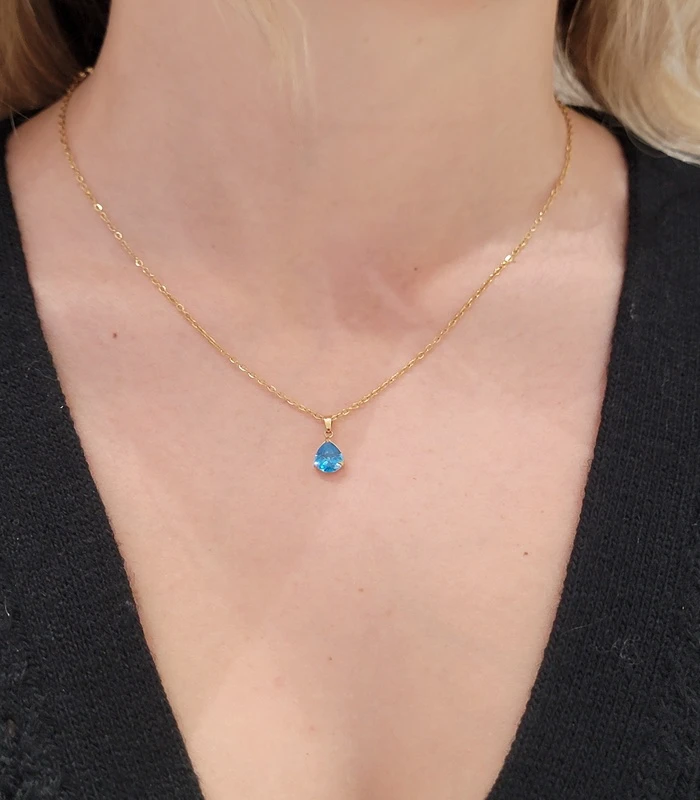
One habit that transforms a random assortment into a real collection is the practice of marking transitions with jewelry. Some women buy themselves a piece after every major life event — a new job, a move, a birthday that hits differently. Over time, this creates a wearable timeline that is surprisingly powerful.
This does not need to be expensive. A simple gold plated bracelet bought on the day you closed on your first apartment carries as much weight as a diamond ring if the memory is real. The ritual is the point.
When you build jewelry habits around your own milestones, you stop waiting for someone else to give you something meaningful and start authoring your own collection.
Letting Your Collection Evolve Honestly
The most important thing to accept is that your collection will never be “done.” Your taste will change. Your life will change. Pieces that felt essential five years ago may feel heavy now, and something you overlooked might suddenly speak to you.
This is not a failure of planning — it is proof that the collection is alive. Going forward, the strongest trend in jewelry is not any particular metal or stone. It is personalization — the idea that what you wear should be as specific to you as your handwriting.
As modern gold plating technology continues to improve durability and finish, the barrier to building a collection that is both beautiful and personally meaningful keeps getting lower. You do not need a trust fund or an inheritance. You need intention, patience, and the willingness to let your jewelry tell the truth about who you are.
Looking for minimalist jade jewelry? Browse our full collection of necklaces, bracelets, earrings, and rings at KartiKart. Free shipping on all US orders.
Conclusion
Building a jewelry collection that tells your life story is not about acquiring the most pieces or spending the most money. It is about choosing deliberately — picking items that mark real moments, mixing materials with confidence, layering with personal logic, and being willing to let go of pieces that no longer fit your narrative. The result is a collection that feels like yours in a way that no matching set from a department store ever could. Start where you are.
Look at what you already own and ask which pieces have stories. Add one new piece that represents something happening in your life right now. Then keep going, one chapter at a time. A year from now, you will look at your jewelry box and see not just accessories but a map of the life you have been building.
You Might Also Like
- Best Jewelry Gifts for Women Starting a New Chapter in Life
- Why Minimalist Jewelry Never Goes Out of Style and What Makes It Timeless
- The Quiet Luxury Movement and Why Understated Jewelry Is Dominating Fashion Right Now
From the KartiKart shop
Wear what you just read about
Dainty, everyday pieces, handpicked by a husband-and-wife team. Free U.S. shipping, gift-ready packaging, 30-day easy returns, and 5% of every order goes to organizations fighting human trafficking.
Shop tarnish-free gold-plated necklaces →