Why the Jewelry Industry Exposed to Lab Testing Fails More Than You ThinkWait, let me give you something cleaner and more natural:Why Most Jewelry Sold as Solid Gold Would Fail an Independent Lab Test
The jewelry industry has a transparency problem that most shoppers never see — and it starts the moment a piece stamped “solid gold” lands on a lab bench. Independent assay testing has repeatedly shown that a significant portion of gold jewelry sold at retail does not match its karat stamp. Whether the issue is a 14K ring that tests closer to 12K, or a chain marked 18K that barely clears 10K purity, the gap between what consumers pay for and what they actually receive is wider than most people realize. This is not a fringe problem limited to shady online sellers. It affects department stores, mall chains, and even some well-known brands.
The reasons range from loose manufacturing tolerances and solder alloy contamination to outright misrepresentation. In the United States, the Federal Trade Commission’s Jewelry Guides allow a tolerance of up to 0.5 karats below the stamped value, meaning a piece stamped 14K can legally contain as little as 13.5 karats of gold purity. Some pieces fall well below even that threshold. And unless a buyer independently tests a purchase — something almost no one does — these discrepancies go completely undetected. This article breaks down why lab test failures are so common in the jewelry industry, what the karat stamp on your jewelry actually guarantees (and what it does not), how different gold categories compare in practice, and why many informed buyers are choosing 18K gold plated stainless steel as a deliberate style strategy rather than overpaying for gold content that may not even be what it claims.
Explore our collection of handpicked jade jewelry at KartiKart — minimalist pieces built to last.
Table of Contents
- Why Does So Much Jewelry Industry Gold Fail Independent Lab Testing?
- What the Karat Stamp Actually Tells You — And What It Leaves Out
- How the Jewelry Industry’s Purity Problem Changes the Way Smart Buyers Think
- Solid Gold vs. Gold Filled vs. Gold Plated — A Practical Comparison
- Common Jewelry Industry Practices That Buyers Should Understand
- What Independent Testing Actually Involves
- Where the Conversation Is Heading
- Conclusion
Why Does So Much Jewelry Industry Gold Fail Independent Lab Testing?
The short answer is that the jewelry industry largely self-regulates when it comes to gold purity. Manufacturers stamp their own karat marks, and outside of periodic FTC enforcement actions, there is no mandatory third-party testing before a piece reaches the consumer. The Gemological Institute of America (GIA) offers education and grading services primarily for gemstones and diamonds, but routine gold purity verification at the retail level simply does not exist in most markets.
The result is a system built on trust — and that trust is frequently misplaced. When independent labs do test retail gold jewelry, the failure rates are striking. Investigative reports from consumer protection agencies in multiple countries have found that anywhere from a modest minority to a significant share of tested pieces fall below their stated karat purity.
Solder joints are a common culprit. A bracelet may use 14K gold for the links but lower-karat solder to join them, pulling the overall gold content down. The stamp on the clasp does not reflect this blended reality.
Manufacturing shortcuts also play a role. Gold alloys require precise mixing of gold with metals like copper, silver, and zinc. When production runs prioritize speed over accuracy, or when scrap gold of uncertain purity gets recycled into new pieces, the final karat content drifts.
The consumer has no practical way to know this at the point of sale. Even jewelers themselves may not know unless they assay every piece that comes through their supply chain.
Shop tarnish-free gold-plated jewelry
View all →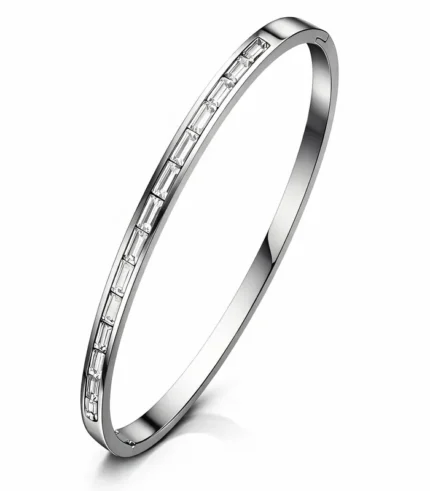
What the Karat Stamp Actually Tells You — And What It Leaves Out
A karat stamp is a declaration of gold purity by the manufacturer. In theory, 18K means 75 percent pure gold, 14K means 58.3 percent, and 10K means 41.7 percent. In practice, these numbers represent targets, not guarantees.
The FTC permits that half-karat tolerance, and enforcement is complaint-driven rather than proactive. Unless a consumer files a complaint or a competitor raises an issue, no one is checking. There is also the question of what “solid gold” means in everyday conversation versus legal definition.
Many consumers assume “solid gold” means pure gold throughout. It does not. Solid gold in the jewelry industry simply means the piece is made of a gold alloy — as opposed to gold plated or gold filled — regardless of karat.
A 10K “solid gold” ring is less than half gold by weight. This distinction matters enormously when you are paying premium prices based on perceived gold content. However, if you are buying from a highly reputable jeweler with transparent sourcing, karat accuracy tends to be much more reliable.
The problem is concentrated among mass-market manufacturers, imported goods with less oversight, and online sellers operating outside established supply chains. If you are spending significant money on gold jewelry specifically for its material value, requesting a certificate of assay or buying from jewelers who provide independent testing documentation is a reasonable precaution.
How the Jewelry Industry’s Purity Problem Changes the Way Smart Buyers Think
Once you understand that the gold content in many pieces is uncertain, the calculus around jewelry purchases shifts. The traditional pitch — that solid gold is an investment, that it holds value, that it is inherently superior — starts to look less straightforward. If you cannot be confident that your 14K chain is actually 14K, then the premium you paid over a high-quality plated alternative was partly based on an assumption, not a verified fact.
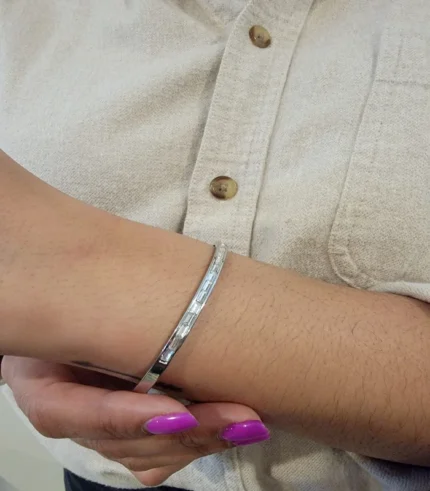
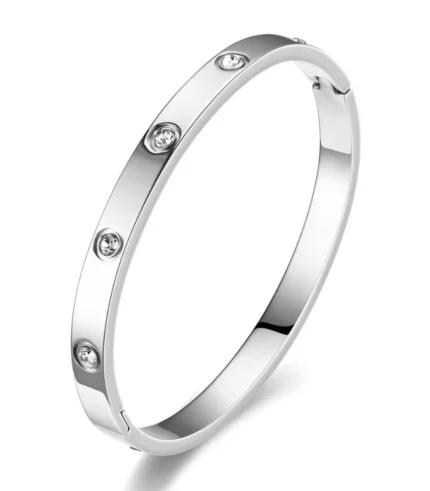
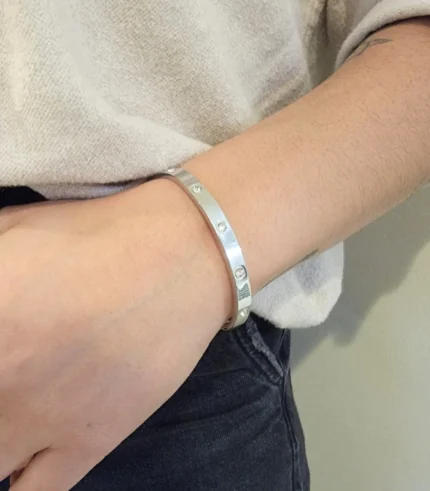
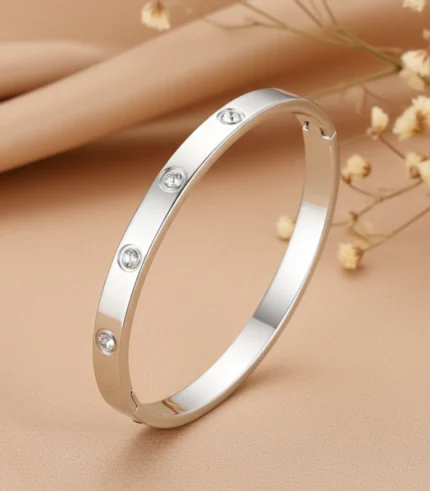
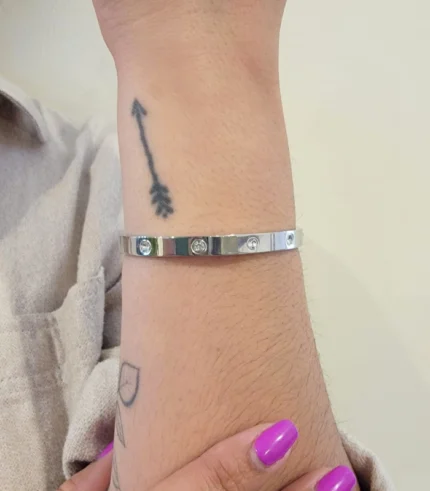
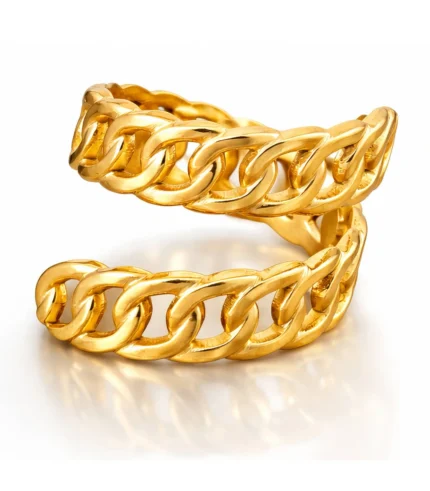
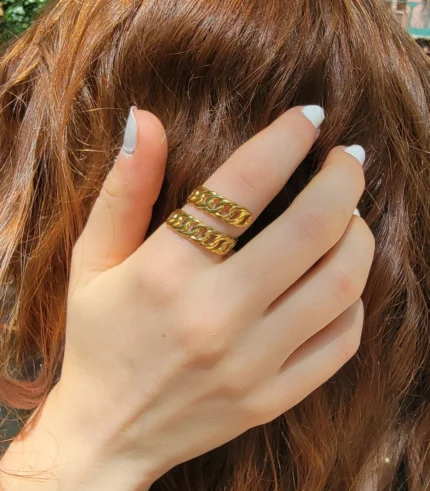
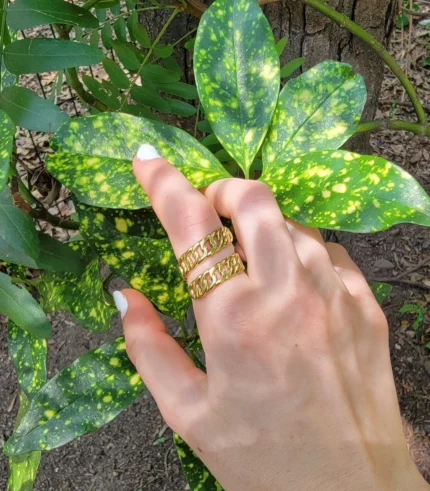
This is one reason informed buyers are increasingly choosing 18K gold plated stainless steel as a deliberate approach to building their jewelry collection. The logic is practical. With modern plating technology, an 18K gold plated piece is visually identical to solid gold.
The base of surgical-grade stainless steel is hypoallergenic, lightweight, and exceptionally durable. And the price point means you can own five or six pieces for what a single solid gold bracelet would cost — with no anxiety about whether the gold content is what the stamp claims. The jewelry industry has traditionally framed this as a hierarchy: solid gold at the top, gold filled in the middle, gold plated at the bottom.
But that framing serves the people selling the most expensive option, not the people buying. A more honest framework treats these as different approaches for different priorities. If you want heirloom metal value and plan to melt it down someday, solid gold makes sense — provided you verify the karat.
If you want beautiful jewelry you actually wear every day without overthinking it, 18K gold plated stainless steel is the smart move.
Join the KartiKart community
10% off, on top of any current sale, your first order + early access to new collections
Free · No spam · Unsubscribe anytime
Solid Gold vs. Gold Filled vs. Gold Plated — A Practical Comparison
Solid gold offers the highest raw gold content, but as discussed, that content is not always what the stamp promises. It is also the heaviest option, which some wearers find uncomfortable for daily pieces like bracelets and long necklaces. And the cost means most buyers can only afford one or two solid gold pieces, which limits versatility.
Gold filled jewelry uses a thick layer of gold mechanically bonded to a base metal, typically brass. It contains more gold by weight than plating and can last for years with proper care. However, gold filled pieces tend to be heavier than plated stainless steel, and the brass base can cause reactions in people with metal sensitivities.
The price sits between solid gold and plated, making it a middle-ground option. 18K gold plated stainless steel occupies a different space entirely. The stainless steel core makes these pieces lighter than both solid gold and gold filled alternatives of the same size.
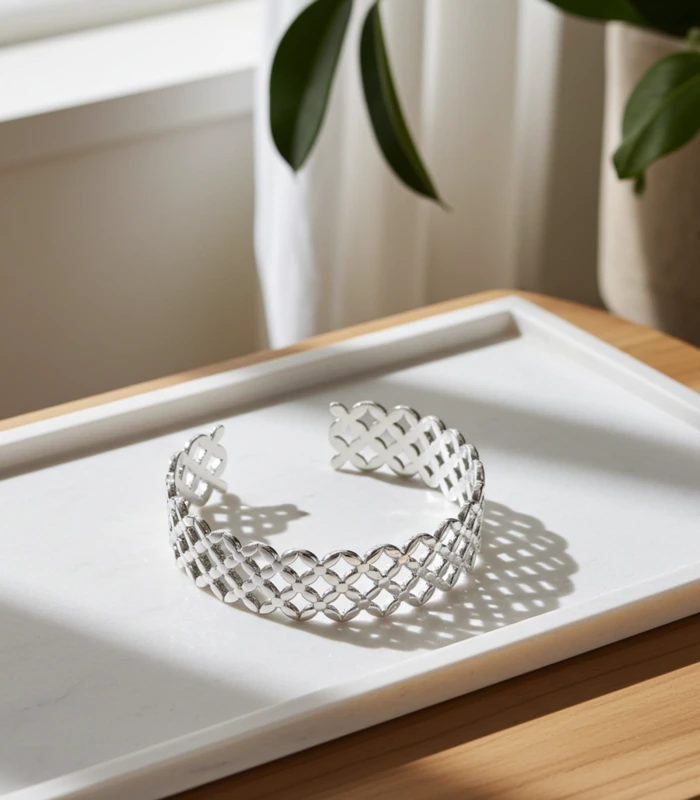
The 18K gold layer provides the warm, rich color that looks identical on the wrist or neckline. And the accessible price point means you can build a full rotation of styles — mesh bracelets, layered chains, statement cuffs — rather than wearing the same single piece every day. Simple care habits like removing jewelry before swimming and storing pieces individually keep the plating looking fresh.
These are easy routines, not burdensome maintenance.
Common Jewelry Industry Practices That Buyers Should Understand
Beyond karat accuracy, there are several jewelry industry practices that can surprise uninformed buyers. One is the use of hollow construction in solid gold pieces. A ring or bracelet may be stamped 14K and test accurately at that purity, but if it is hollow rather than solid throughout, the actual gold weight — and therefore the melt value — is a fraction of what the buyer might assume from the look and feel of the piece.
Another practice involves rhodium plating on white gold. Most white gold jewelry is plated with rhodium to achieve that bright silver-white appearance. Without the plating, white gold has a yellowish or grayish tint.
This means even a piece marketed as solid white gold relies on a surface coating for its appearance — a fact that blurs the line the jewelry industry draws between “solid” and “plated” categories. The rhodium wears off over time and needs to be reapplied, an ongoing cost that is rarely mentioned at the point of sale. These realities do not mean solid gold is a bad purchase.
They mean that the decision to buy solid gold should be based on accurate information rather than marketing narratives. And for buyers whose priority is how jewelry looks and feels — rather than its commodity metal value — the conversation opens up considerably. 18K gold plated stainless steel gives you the aesthetic without the uncertainty or the hidden costs.

What Independent Testing Actually Involves
For anyone curious about what happens when jewelry goes to a lab, the most common methods are X-ray fluorescence (XRF) testing and fire assay. XRF is non-destructive and reads the surface composition of the metal, making it fast and practical for screening. Fire assay is the gold standard — it requires a small sample of the metal to be dissolved and analyzed, providing an exact measurement of gold content throughout the piece, not just on the surface.
The distinction matters because some questionable jewelry industry practices involve pieces that test well on the surface but contain lower-purity alloys underneath. XRF alone can miss this. A full fire assay, while more expensive and destructive, reveals the true composition.
Most consumers will never go to this length, which is precisely why the karat accuracy problem persists. The information asymmetry between seller and buyer remains one of the jewelry industry’s least discussed issues.
Where the Conversation Is Heading
Consumer awareness around jewelry industry transparency is growing, driven partly by social media creators who document independent testing of their purchases. As more buyers see real-world examples of karat discrepancies, the demand for verified sourcing and honest material descriptions is likely to increase. Some direct-to-consumer brands have already begun publishing third-party assay results as a selling point.
At the same time, advances in plating technology continue to close the gap between how plated and solid gold pieces look and wear over time. For the growing number of buyers who want beautiful, high-quality jewelry without the guesswork around gold content, 18K gold plated stainless steel represents a straightforward answer — what you see is exactly what you get, at a price that lets you enjoy jewelry as fashion and self-expression rather than a fraught material investment.
Looking for minimalist jade jewelry? Browse our full collection of necklaces, bracelets, earrings, and rings at KartiKart. Free shipping on all US orders.
Conclusion
The jewelry industry’s relationship with gold purity is more complicated than the simple karat stamp suggests. From manufacturing tolerances and solder contamination to hollow construction and rhodium dependence, the gap between marketing and material reality is real and well-documented. Independent lab testing confirms what most consumers never discover firsthand — that a significant number of pieces sold as solid gold do not fully deliver on that promise. Understanding this does not mean avoiding gold or distrusting every jeweler.
It means making informed choices based on what actually matters to you. If you value the look, versatility, and everyday wearability of gold jewelry without the premium price or the purity uncertainty, 18K gold plated stainless steel is a confident choice. Build a collection you love wearing. Rotate your styles. Spend your money on variety and expression rather than on a karat stamp you cannot independently verify.
You Might Also Like
- What Dermatologists Actually Think About the Jewelry You Sleep In Every Night
- Why Most Jewelry Marked Hypoallergenic Actually Contains the Metals That Irritate Your Skin
- How to Pick the Perfect Jewelry Gift When You Have No Idea What She Likes
From the KartiKart shop
Wear what you just read about
Dainty, everyday pieces, handpicked by a husband-and-wife team. Free U.S. shipping, gift-ready packaging, 30-day easy returns, and 5% of every order goes to organizations fighting human trafficking.
Shop tarnish-free gold-plated jewelry →