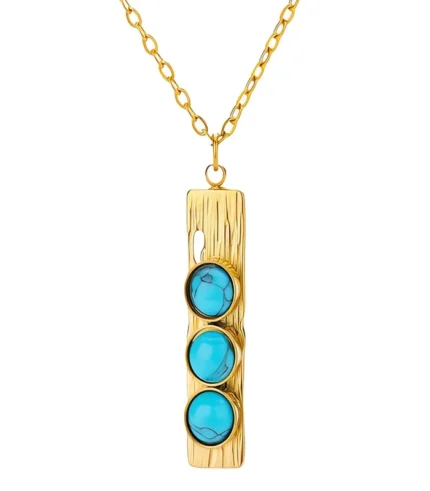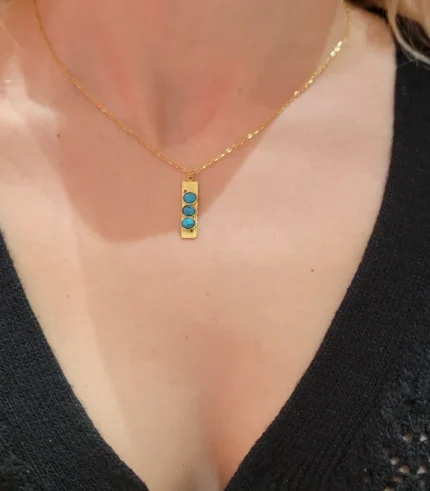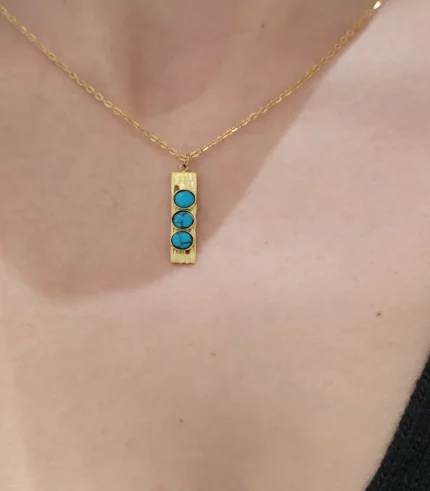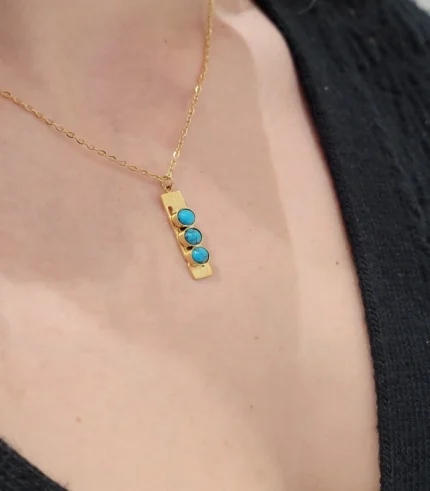
Why Gold Plated Necklace Changed Color and How to Restore
Gold plated discoloration is one of the most common concerns necklace owners face. You notice a subtle shift in tone one day. Maybe the bright gold looks slightly dull. Perhaps there is a faint greenish or dark spot near the clasp. This does not mean your necklace is ruined.
In most cases, gold plated discoloration happens because of everyday environmental factors — not because the jewelry itself is flawed. Sweat, lotions, humidity, and even air pollution can interact with the surface over time. The good news is that modern 18K gold plating on stainless steel is far more resilient than older plating methods. Understanding what causes the color change gives you the power to prevent it and, in many cases, reverse it entirely. This guide breaks down exactly why it happens and what to do about it.
What Causes Gold Plated Discoloration on Necklaces
Gold itself does not tarnish. It is one of the least reactive metals on earth. However, gold plated discoloration occurs when external substances interact with the plating surface or the base metal beneath it. The primary culprits are sulfur compounds found in air pollution, rubber, and certain foods. Chlorine from swimming pools and cleaning products can also attack the plating layer. Even your own body chemistry plays a role. Human sweat has a pH between 4.5 and 7.0, according to dermatological research. More acidic sweat accelerates surface wear.
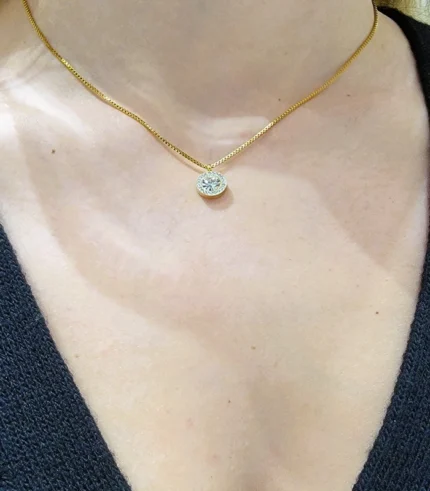
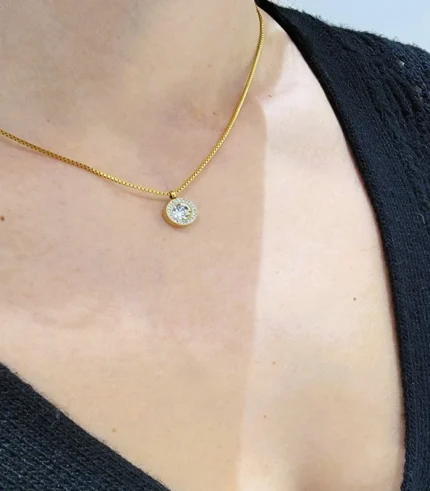
Cosmetics, perfumes, and body lotions contain alcohols and chemical compounds that erode thin gold layers over time. For example, applying perfume directly onto your necklace exposes the plating to concentrated chemicals daily. This is why jewelers universally recommend putting jewelry on last — after lotions and sprays have dried. The base metal underneath the plating matters enormously too. Stainless steel resists corrosion far better than brass or copper bases, which is why gold plated discoloration is significantly less common with stainless steel jewelry.
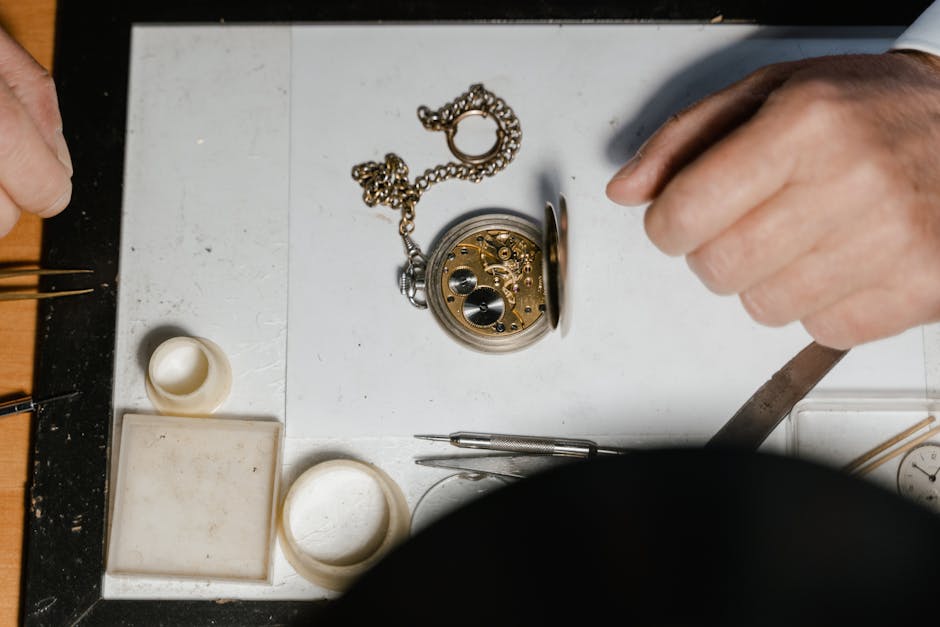
Shop tarnish-free gold-plated necklaces
View all →

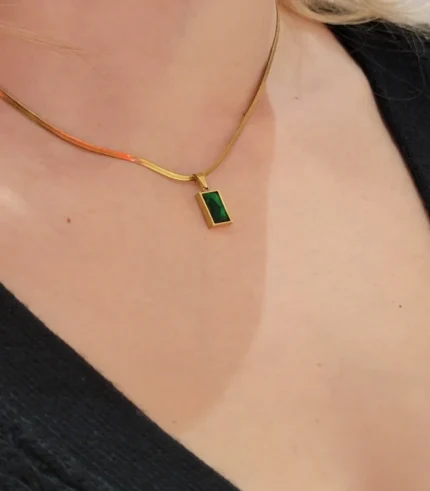

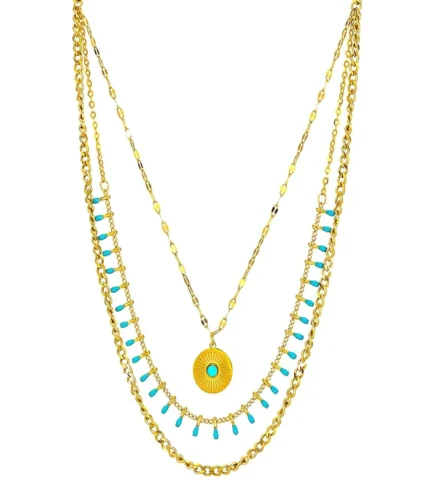
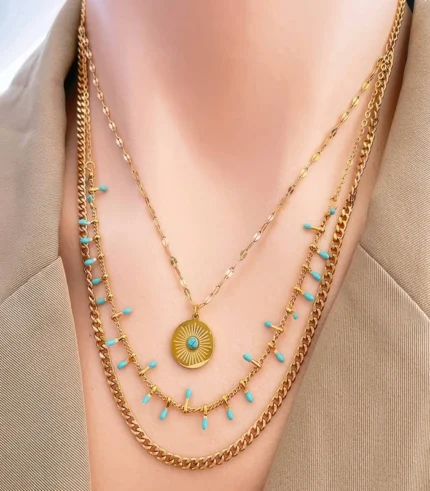
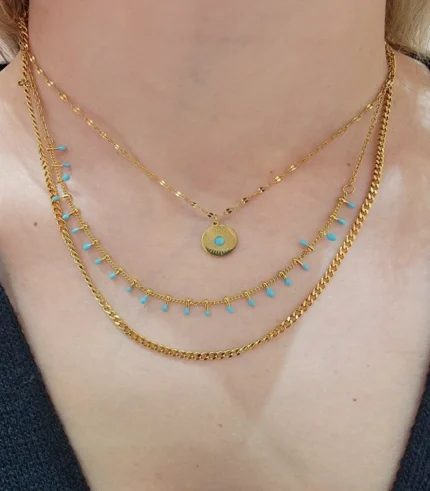
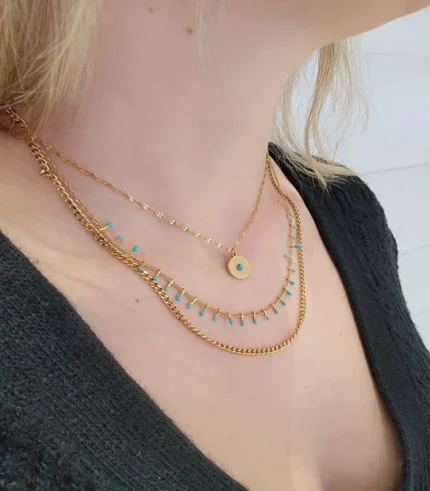
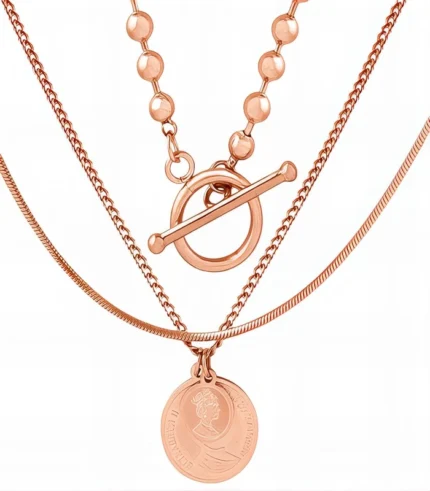
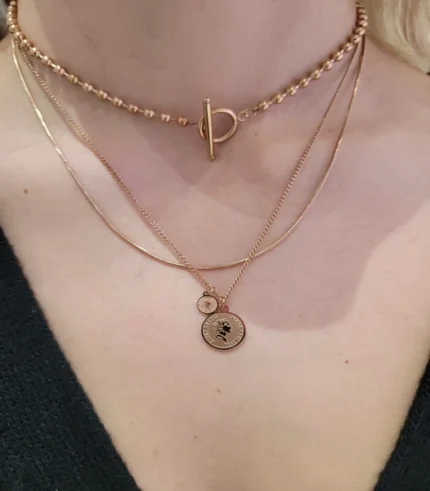


Why Base Metal Choice Determines Gold Plated Discoloration
Not all gold plated necklaces are created equal. The base metal beneath the plating is the hidden factor most people overlook. Brass contains copper and zinc. When plating wears thin, copper oxidizes into green verdigris. Zinc corrodes into gray or white patches. This is where that dreaded “green neck” comes from. Copper-based jewelry reacts readily with sweat and air, making gold plated discoloration almost inevitable with daily wear.
Stainless steel — specifically 316L surgical grade — changes the equation entirely. Its natural chromium oxide layer resists corrosion even if the plating thins slightly. You will not see green or black discoloration bleeding through. Modern 18K gold plating on stainless steel is scratch-resistant, hypoallergenic, and designed for everyday wear. Typically, this combination lasts far longer than gold plating over brass or copper. The Gemological Institute of America (GIA) notes important distinctions between plating methods and base metals that directly affect longevity.
Plating thickness also matters. Flash plating under 0.175 microns wears off within weeks. Standard plating between 0.5 and 1.0 microns lasts roughly six to twelve months with daily wear. However, PVD (Physical Vapor Deposition) coating on stainless steel creates a harder, more durable bond than traditional electroplating. This is why gold plated discoloration is becoming less of a concern with modern manufacturing.
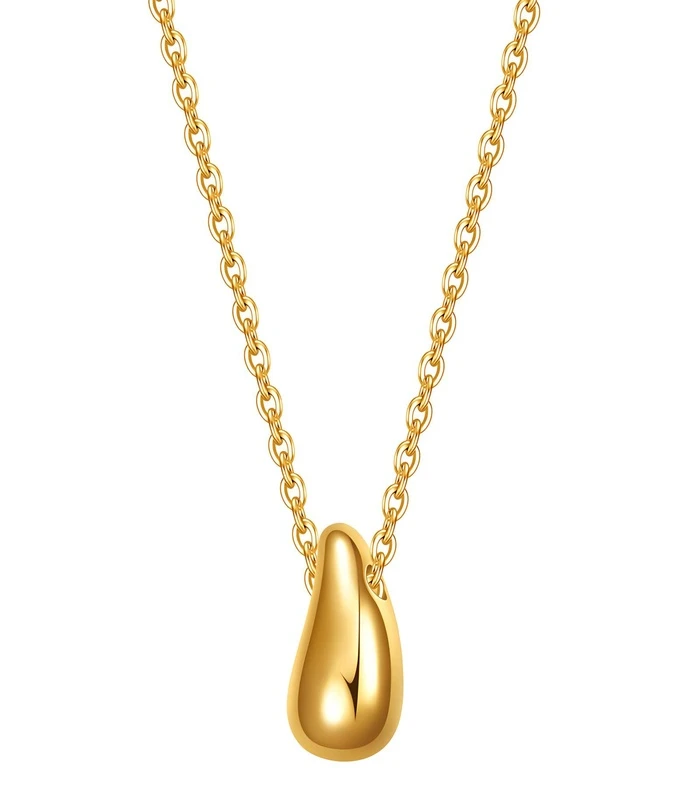
How to Restore a Discolored Gold Plated Necklace
If you notice gold plated discoloration on your necklace, do not panic. Surface tarnish and film can usually be removed at home in minutes. The safest method is warm water with a few drops of mild dish soap. Soak your necklace for 10 to 15 minutes. Then gently wipe it with a soft microfiber cloth. This removes buildup from lotions, sweat, and environmental residue. In most cases, the original shine returns immediately.
For slightly stubborn gold plated discoloration, mix a small amount of baking soda with water to form a gentle paste. Apply it with a soft cloth using light circular motions. Rinse thoroughly and pat dry. This method has just enough mild abrasion to lift surface tarnish without damaging the plating. However, there are important things to avoid. Never use vinegar, toothpaste, or silver polishing cloths on gold plated pieces. These are too abrasive or acidic. They will strip the remaining plating rather than restore it.
If the plating has worn through completely — exposing the base metal underneath — home cleaning will not fix it. A professional jeweler can re-plate the piece through electroplating, which deposits a fresh gold layer onto the surface. This is typically affordable and extends the life of your favorite necklace considerably.
Simple Habits That Prevent Gold Plated Discoloration
Prevention is easier than restoration. These 10-second habits keep your necklace looking brilliant. Remove your necklace before swimming, showering, or exercising. Chlorine and sweat are the two biggest enemies. Apply perfume, lotion, and sunscreen before putting your necklace on. Let everything dry first. Store your piece in a soft pouch or lined jewelry box — away from humidity and other metals. A small silica gel packet in your storage box absorbs moisture and prevents gold plated discoloration between wears.
Wipe your necklace with a dry microfiber cloth after each wear. This removes invisible residue from your skin and the environment. These easy maintenance habits take seconds but dramatically extend the life of your plating. With 18K gold plated stainless steel, you get the look of solid gold without the solid gold price tag. That means you can own five beautiful necklaces for the price of one solid gold piece — giving you variety and versatility for every outfit and occasion.
Join the KartiKart community
10% off, on top of any current sale, your first order + early access to new collections
Free · No spam · Unsubscribe anytime
Frequently Asked Questions
Why did my gold plated necklace turn green?
Green discoloration typically comes from the base metal, not the gold layer itself. Copper or brass bases oxidize when exposed to moisture and sweat. Gold plated discoloration from green tones is rare with stainless steel bases because stainless steel resists oxidation naturally.
Can I fix gold plated discoloration at home?
Yes, in most cases. Surface tarnish responds well to warm soapy water and a soft cloth. For light gold plated discoloration, a gentle baking soda paste works effectively. However, if the plating has worn through entirely, professional re-plating is the best solution.
How long does 18K gold plating last on stainless steel?
With proper care, 18K gold plating on stainless steel lasts significantly longer than plating on brass or copper. Modern PVD coating methods create a harder bond that resists daily wear. Following simple care habits — removing before water exposure and storing properly — keeps gold plated discoloration at bay for a long time.
Shop Jewelry at KartiKart
Explore our collection of handcrafted 18K Gold Plated Stainless Steel jewelry. Every piece is designed for everyday elegance at an accessible price point.
New Arrivals · Necklaces · Bracelets
Sources & Further Reading
For verified gemstone and jewelry information:
Content last reviewed April 2026. If you notice any outdated information, please contact us.
From the KartiKart shop
Wear what you just read about
Dainty, everyday pieces, handpicked by a husband-and-wife team. Free U.S. shipping, gift-ready packaging, 30-day easy returns, and 5% of every order goes to organizations fighting human trafficking.
Shop tarnish-free gold-plated necklaces →