Jewelry Storage Mistakes That Slowly Ruin Your Collection
Storage mistakes are one of the most overlooked reasons jewelry loses its shine over time. Most people focus on what they wear and how they wear it. However, what happens after you take your jewelry off matters just as much. Tossing pieces into a drawer or leaving them on a bathroom counter seems harmless.
In reality, these small habits cause scratching, tangling, tarnishing, and permanent damage. The good news is that fixing these storage mistakes takes almost no effort. A few simple changes protect your entire collection for years. Whether you own solid gold, sterling silver, or modern 18K gold plated stainless steel pieces, proper storage keeps everything looking brand new. This guide covers the most common storage mistakes and exactly how to avoid them.
The Most Common Jewelry Storage Mistakes People Make
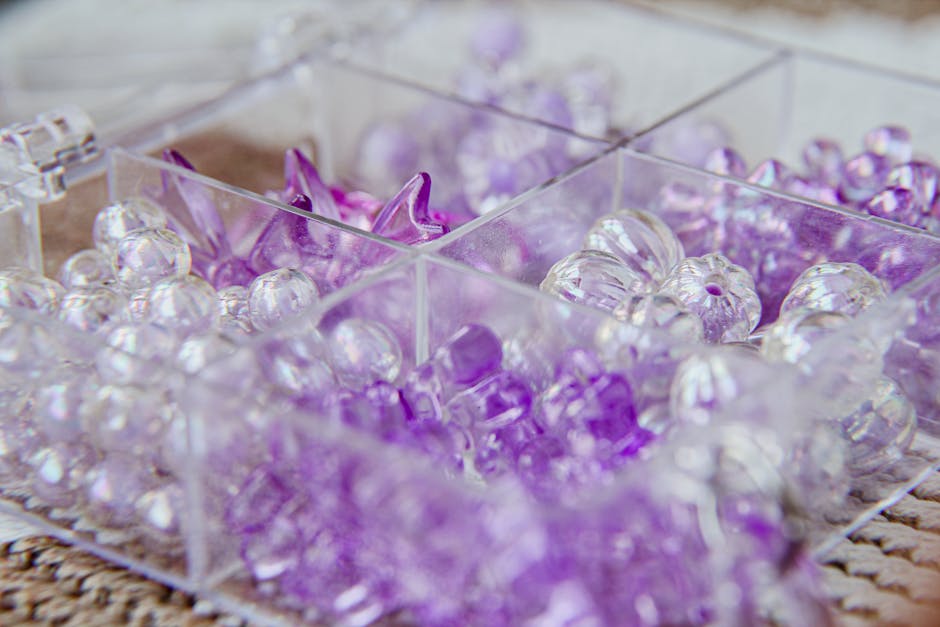
The number one storage mistake is piling all your jewelry together in one spot. Harder gemstones scratch softer metals on contact. Chains tangle around each other and stress delicate clasps. Over time, this constant friction wears down surfaces and weakens links. For example, a diamond pendant rubbing against a gold plated bracelet will gradually thin the plating in that spot. Each piece needs its own space.
Another frequent mistake is storing jewelry in the bathroom. Bathrooms regularly hit 80% humidity during showers. That moisture accelerates oxidation on virtually every metal. Humidity acts as a catalyst for tarnishing. It turns sterling silver dark and can dull even the most resilient finishes. Typically, the best storage environment sits between 45% and 50% humidity at a consistent room temperature.
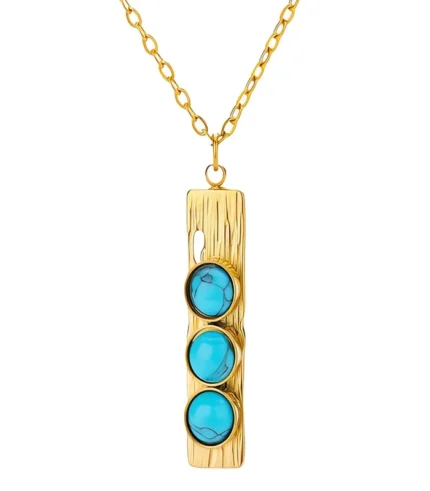
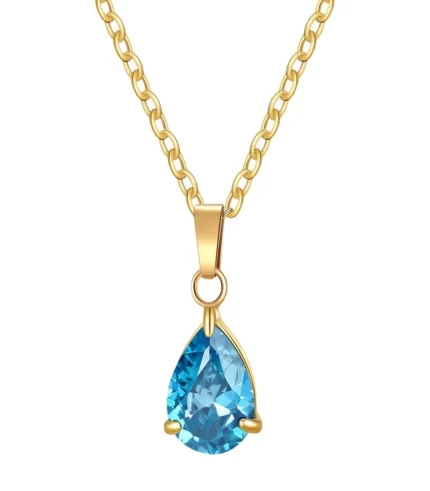
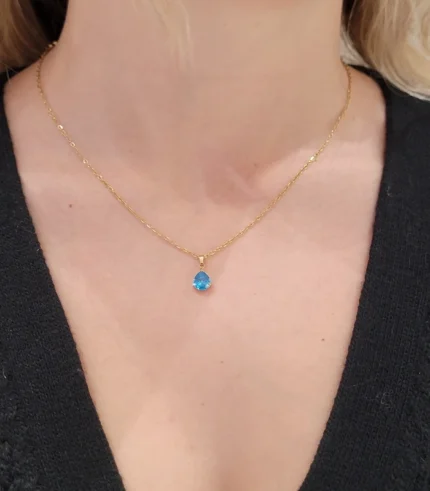
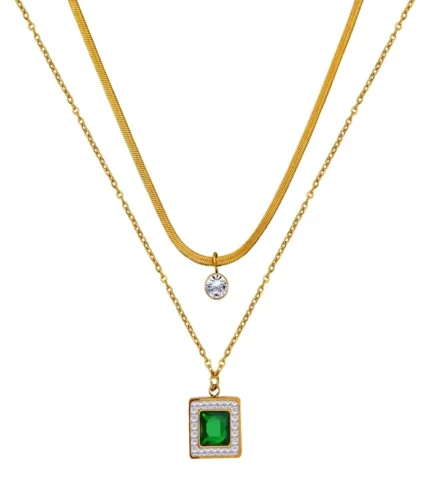
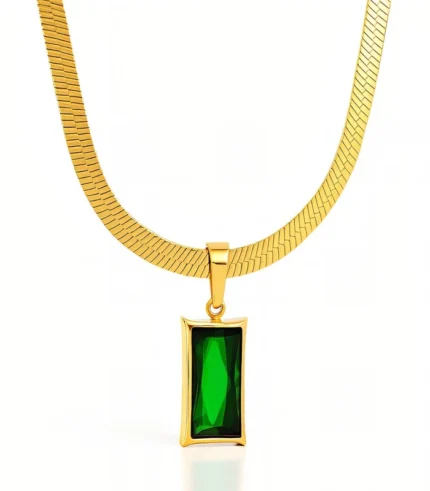
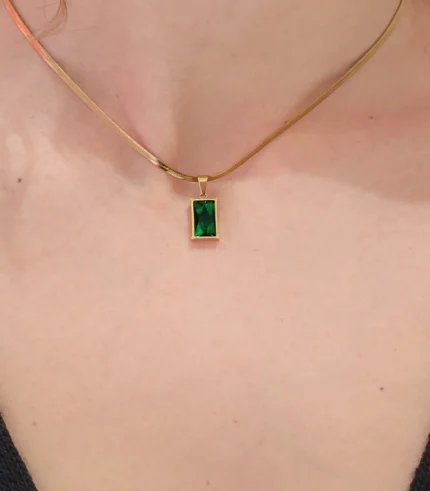
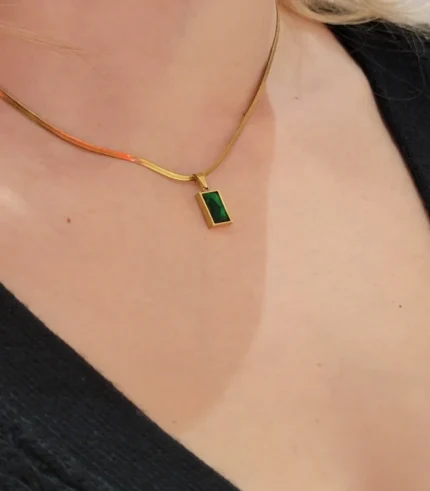
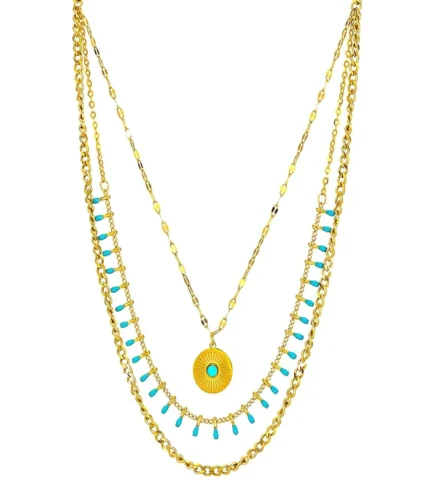
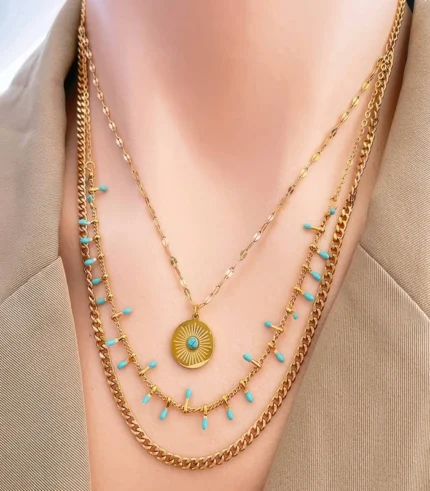
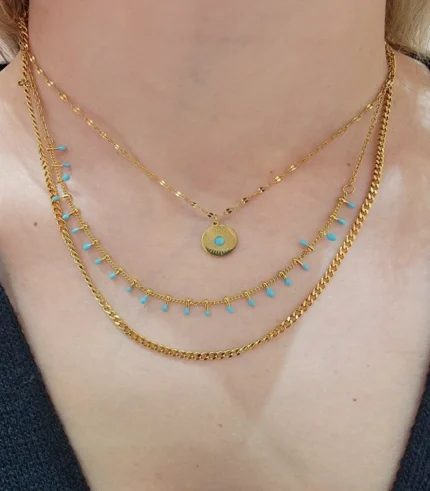
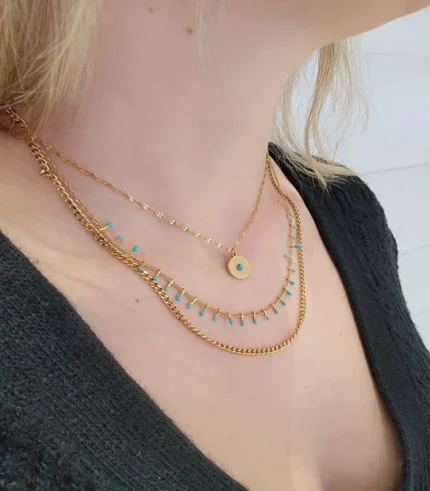
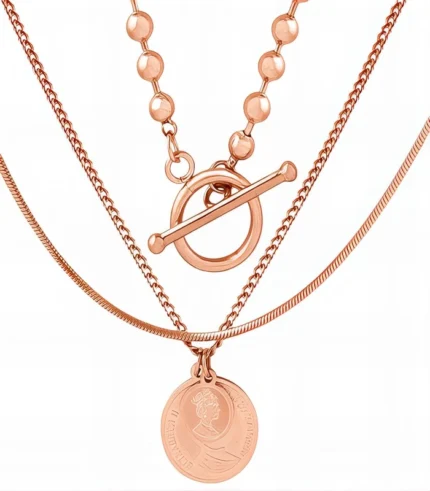
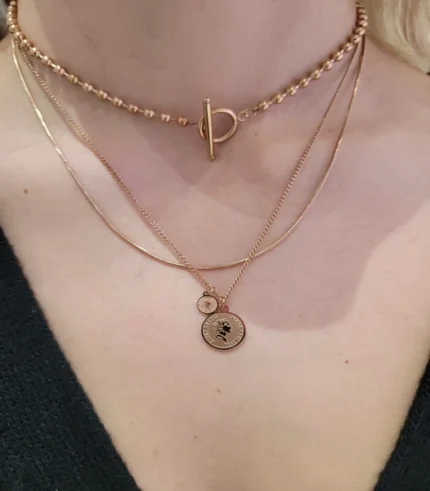
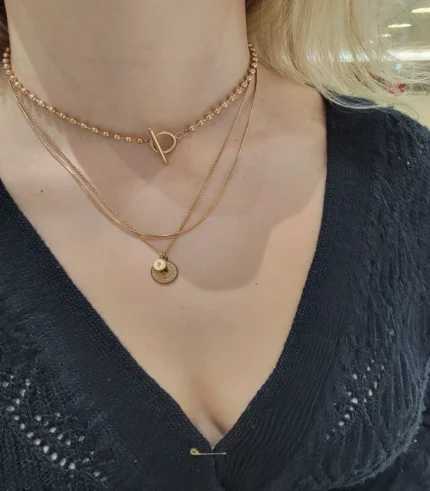
Shop tarnish-free gold-plated necklaces
View all →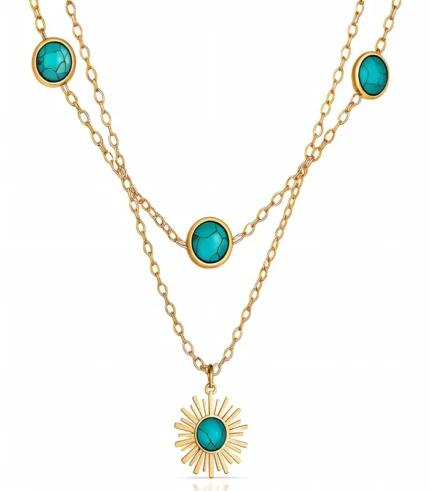



Hidden Storage Mistakes That Cause Tarnishing and Discoloration
Some storage mistakes are not obvious at all. Leaving jewelry near a window exposes it to UV light. Prolonged UV exposure fades colored gemstones like amethyst and topaz. It also degrades adhesives in certain settings and dries out organic materials like pearls and coral. Even indirect sunlight causes cumulative damage over months.
Paper packaging is another hidden threat. Paper contains trace acids that react with metal surfaces and accelerate tarnish. Similarly, plastic bags trap moisture against the metal. This creates a micro-environment that speeds up oxidation. In most cases, a soft fabric pouch or anti-tarnish cloth is the safest option. Anti-tarnish strips work by absorbing sulfide compounds from the air before they reach your jewelry.
Storing jewelry without cleaning it first is also a problem. Lotion, perfume, and skin oils left on the surface react with metals over time. These residues get sealed in when you close a jewelry box. Always wipe pieces with a soft dry cloth before putting them away. This 10-second habit prevents most chemical damage entirely.

Why Proper Storage Matters Even More for Gold Plated Jewelry
Modern 18K gold plating on stainless steel is far more durable than older plating methods. The stainless steel base contains chromium, which forms a self-repairing protective layer according to Wikipedia’s overview of stainless steel. This means even if the plating experiences minor wear, the base metal underneath resists tarnish and corrosion. However, avoiding common storage mistakes still extends the life of your plating significantly.
The smart approach is simple. Store each piece individually in a lined compartment or soft pouch. Keep your jewelry box in a cool, dry room away from direct sunlight. Add a silica gel packet to absorb excess moisture and replace it every three to six months. These small steps protect gold plated pieces so they maintain that rich, warm finish season after season. With 18K gold plated stainless steel, you get scratch resistance, a hypoallergenic surface, and a look identical to solid gold. Proper storage ensures those benefits last.
A Simple Storage System That Prevents These Mistakes
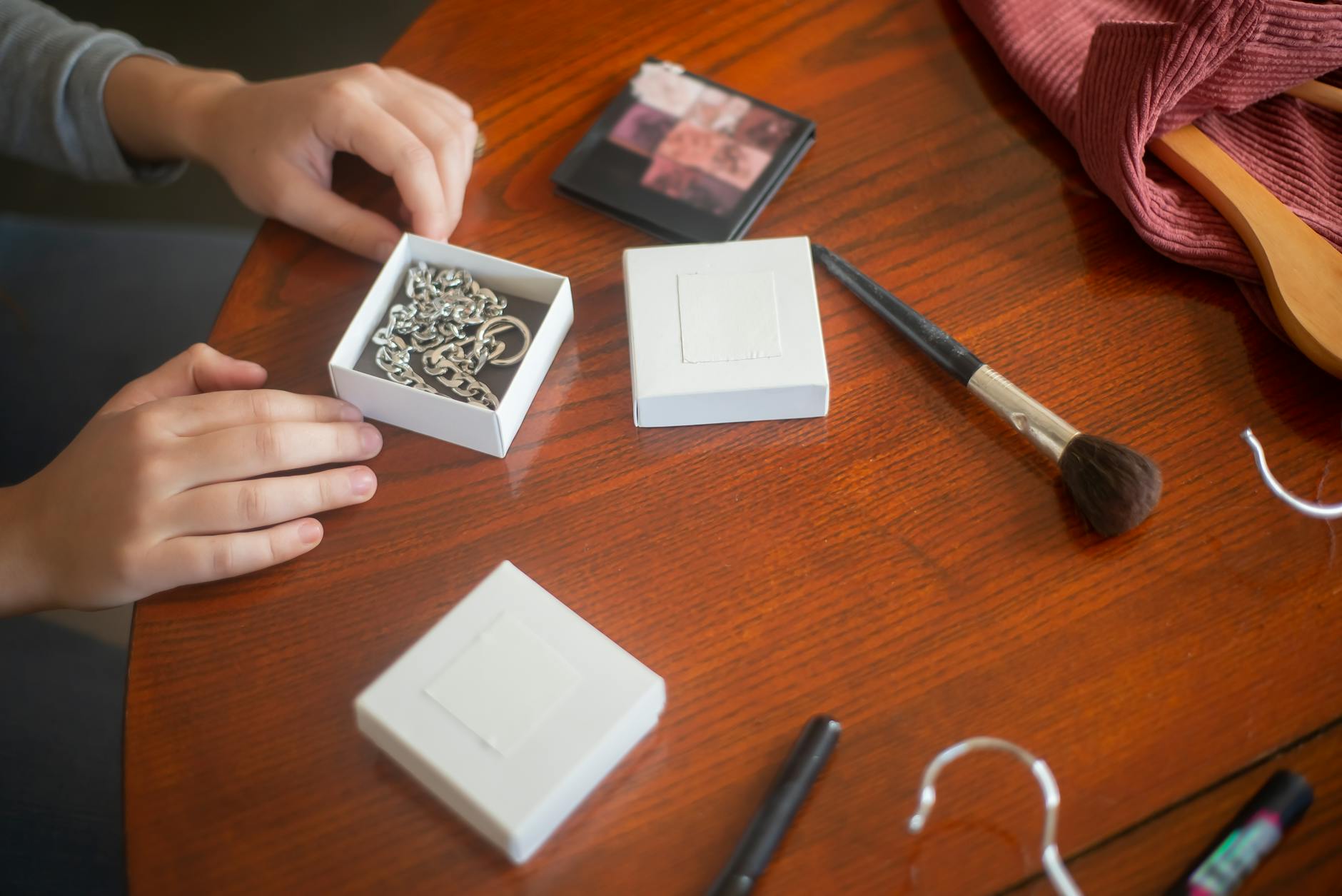
Fixing storage mistakes does not require an expensive setup. Start by separating every piece. Use individual soft pouches or a jewelry box with fabric-lined dividers. Always clasp necklaces and bracelets before storing them. This prevents tangling that can permanently damage delicate chains. Keep your storage spot away from heating vents and windows. Heat dries out organic materials, and temperature swings cause condensation that promotes tarnish.
For anyone building a versatile collection, gold plated stainless steel jewelry is the smart choice. You can own five beautiful pieces for the price of one solid gold item. That means more variety, more styling options, and more ways to express yourself. Modern plating technology makes each piece durable enough for everyday wear. A quick wipe before storage is all the maintenance you need. According to the GIA’s jewelry care guide, keeping jewelry clean and dry before storage is the single most effective way to prevent damage.
Join the KartiKart community
10% off, on top of any current sale, your first order + early access to new collections
Free · No spam · Unsubscribe anytime
Frequently Asked Questions
What is the biggest storage mistake that ruins jewelry?
Storing all your pieces together in one pile is the most damaging storage mistake. Metals and gemstones scratch each other on contact. Chains tangle and weaken at the clasp. Always separate each piece in its own soft pouch or compartment.
Can humidity really damage gold plated jewelry?
Yes. High humidity accelerates oxidation on most metals. Bathrooms are the worst storage spot because humidity spikes above 80% during showers. However, 18K gold plated stainless steel resists this far better than older plating methods. Storing pieces in a dry room keeps them looking flawless.
How often should I clean jewelry before storing it?
Every single time you take it off. This is the easiest way to avoid storage mistakes that cause long-term damage. A quick wipe with a soft, dry cloth removes oils, lotion, and moisture. It takes about 10 seconds and prevents tarnish from building up over time.
Shop Jewelry at KartiKart
Explore our collection of handcrafted 18K Gold Plated Stainless Steel jewelry. Every piece is designed for everyday elegance at an accessible price point.
Necklaces · New Arrivals · Bracelets
Sources & Further Reading
For verified gemstone and jewelry information:
Content last reviewed April 2026. If you notice any outdated information, please contact us.
From the KartiKart shop
Wear what you just read about
Dainty, everyday pieces, handpicked by a husband-and-wife team. Free U.S. shipping, gift-ready packaging, 30-day easy returns, and 5% of every order goes to organizations fighting human trafficking.
Shop tarnish-free gold-plated necklaces →