Why Jade Prices Range From 10 to 10 Million Dollars
Jade price factors determine why one piece of jade sells for $10 at a tourist market while another commands $27 million at auction. Few gemstones show such an extreme price range. The difference comes down to species, color, translucency, texture, treatment history, and origin.
Understanding these jade price factors helps buyers make informed decisions whether shopping for a carved pendant or a collector-grade cabochon. In this guide, we break down exactly what drives jade values up or down. We also explore how modern jewelry — including elegant 18K gold plated stainless steel settings — lets you enjoy jade’s timeless beauty at an accessible price point. By the end, you will know what separates a $10 souvenir from a museum-worthy treasure.
Jadeite vs Nephrite: The First Jade Price Factors That Matter
The word “jade” actually covers two different minerals. Jadeite is a pyroxene mineral. Nephrite is an amphibole. They look similar but differ in rarity, hardness, and value. Jadeite is far scarcer. It scores 6.5–7 on the Mohs hardness scale. Nephrite scores 6–6.5 but is technically tougher due to its interlocking fiber structure. According to the Gemological Institute of America (GIA), jadeite commands significantly higher prices across every quality tier.
Commercial-grade jadeite starts around $5–$50 per carat. Fine translucent jadeite with good green color ranges from $500 to $5,000 per carat. Imperial-grade jadeite — the rarest — reaches $30,000 or more per carat. Nephrite, however, is far more affordable. Common nephrite sells for under $10 per carat. The exception is prized white Hetian nephrite from Xinjiang, China. Called “mutton fat jade,” it can reach $1,000 per carat in the Chinese market. These jade price factors based on species alone create an enormous spread.
Shop white & blue jade jewelry
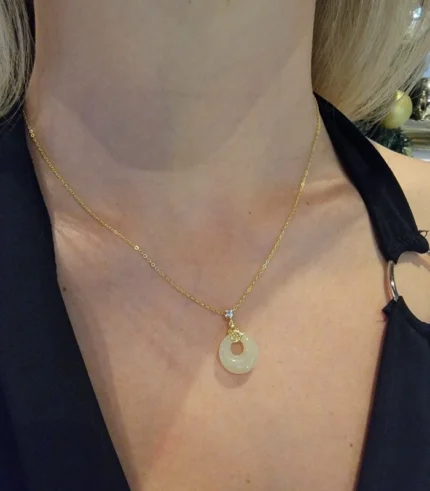
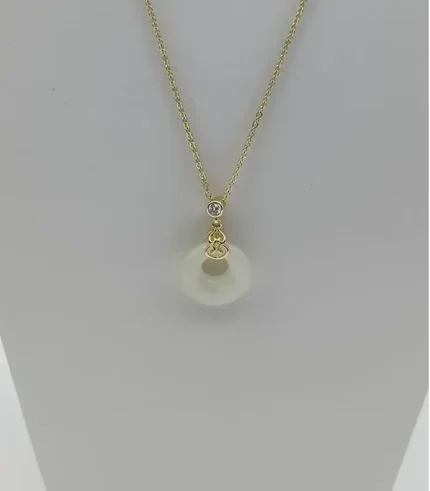
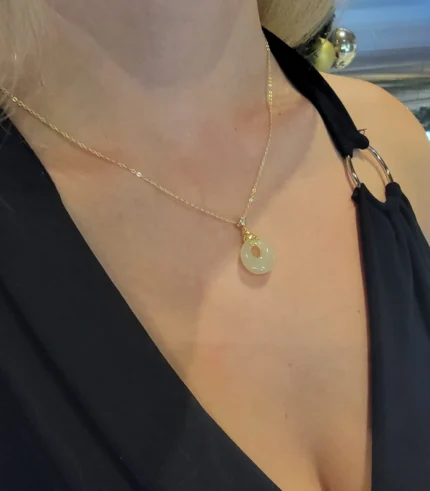
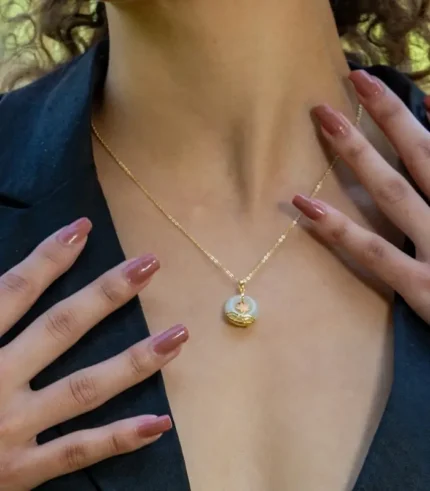
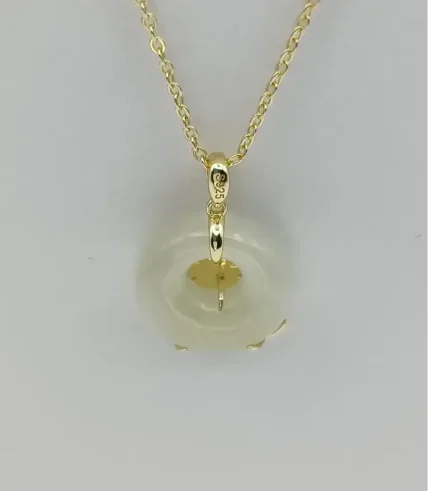
View all →Genuine White Jade Bi Disc Necklace in 14K Gold Plated Silver
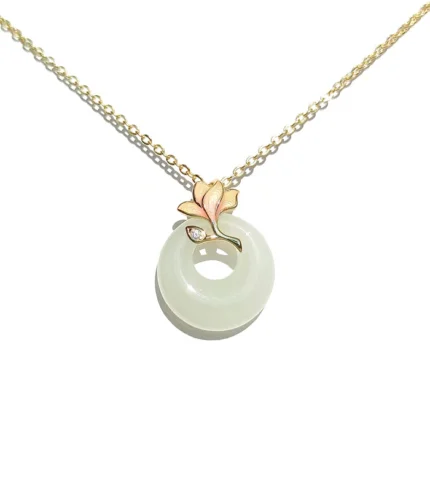
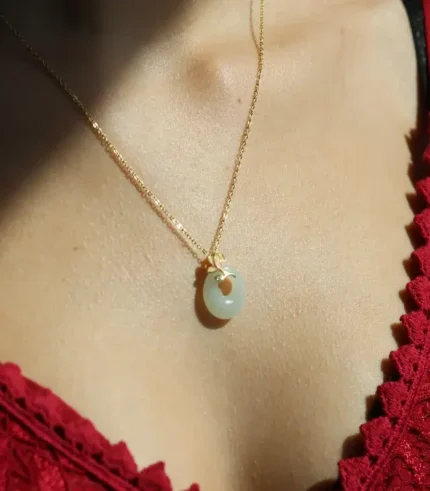
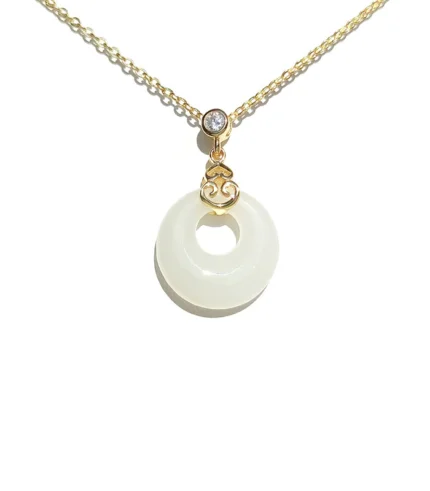
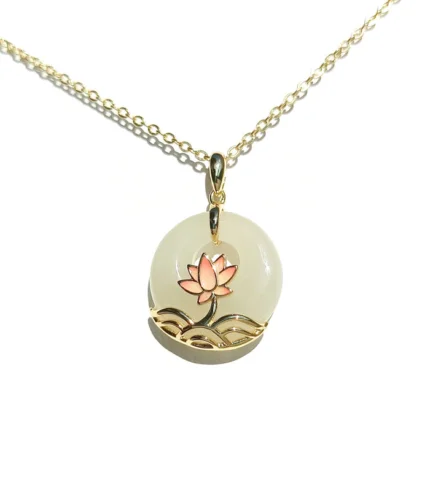
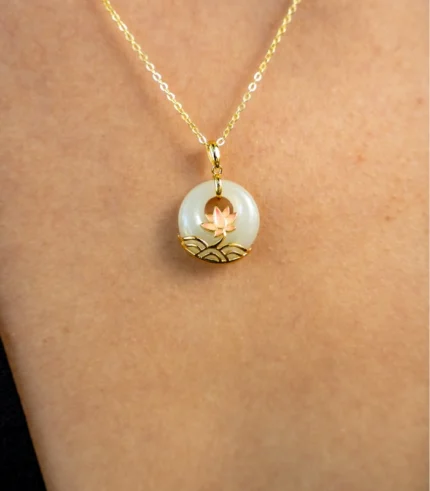
Original price was: $85.00.$76.50Current price is: $76.50.Genuine White Jade Lotus Necklace
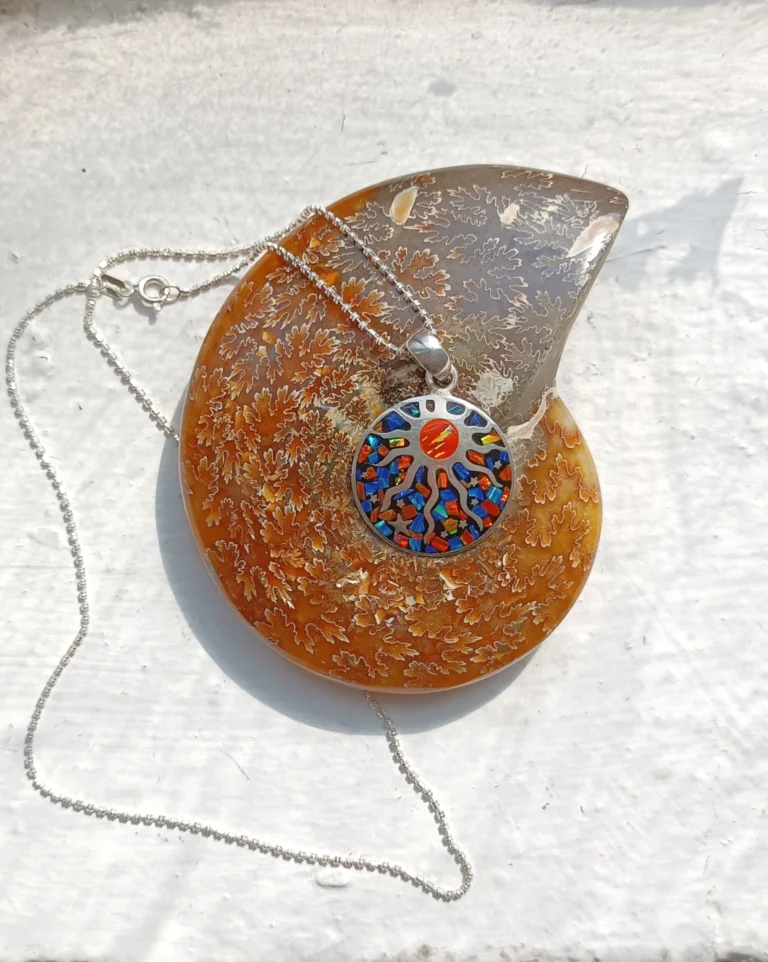
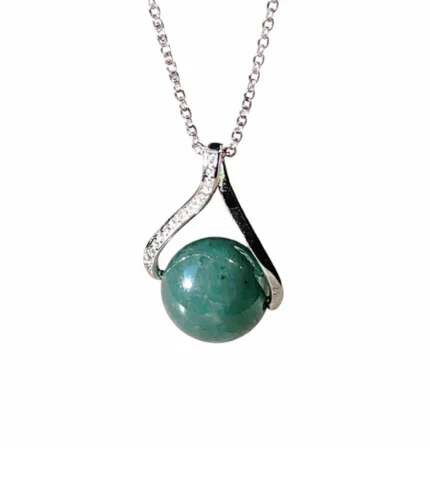
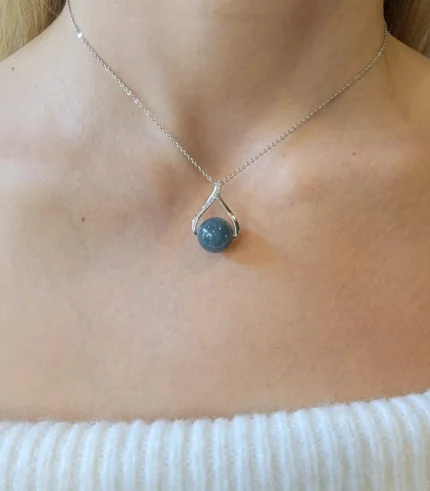
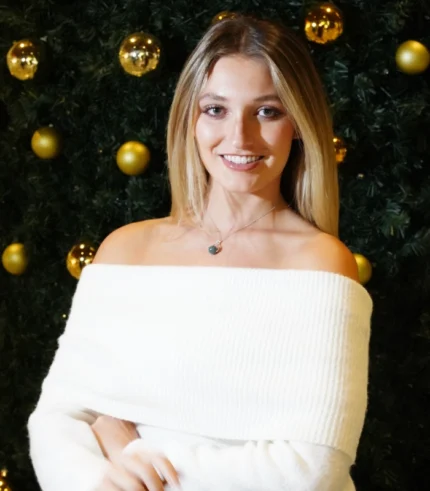
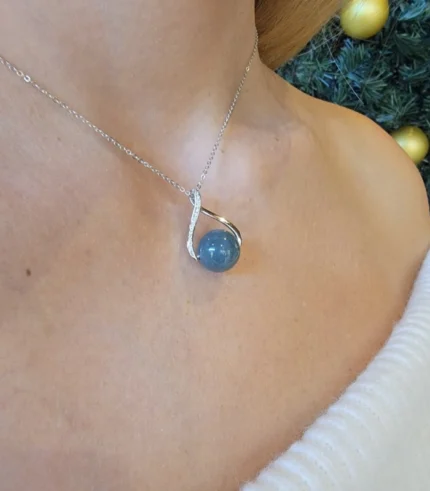
Original price was: $85.00.$76.50Current price is: $76.50.Genuine Blue Jade Round Necklace in Sterling Silver
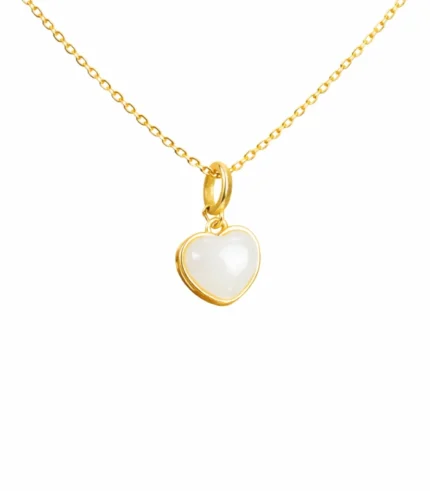
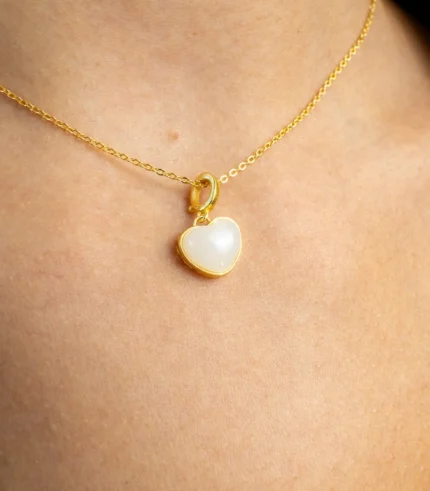
Original price was: $85.00.$76.50Current price is: $76.50.Genuine White Jade Heart Pendant Necklace in 14K Gold Plated Sterling Silver
Original price was: $85.00.$76.50Current price is: $76.50.
Color, Translucency, and Texture: The Core Jade Price Factors
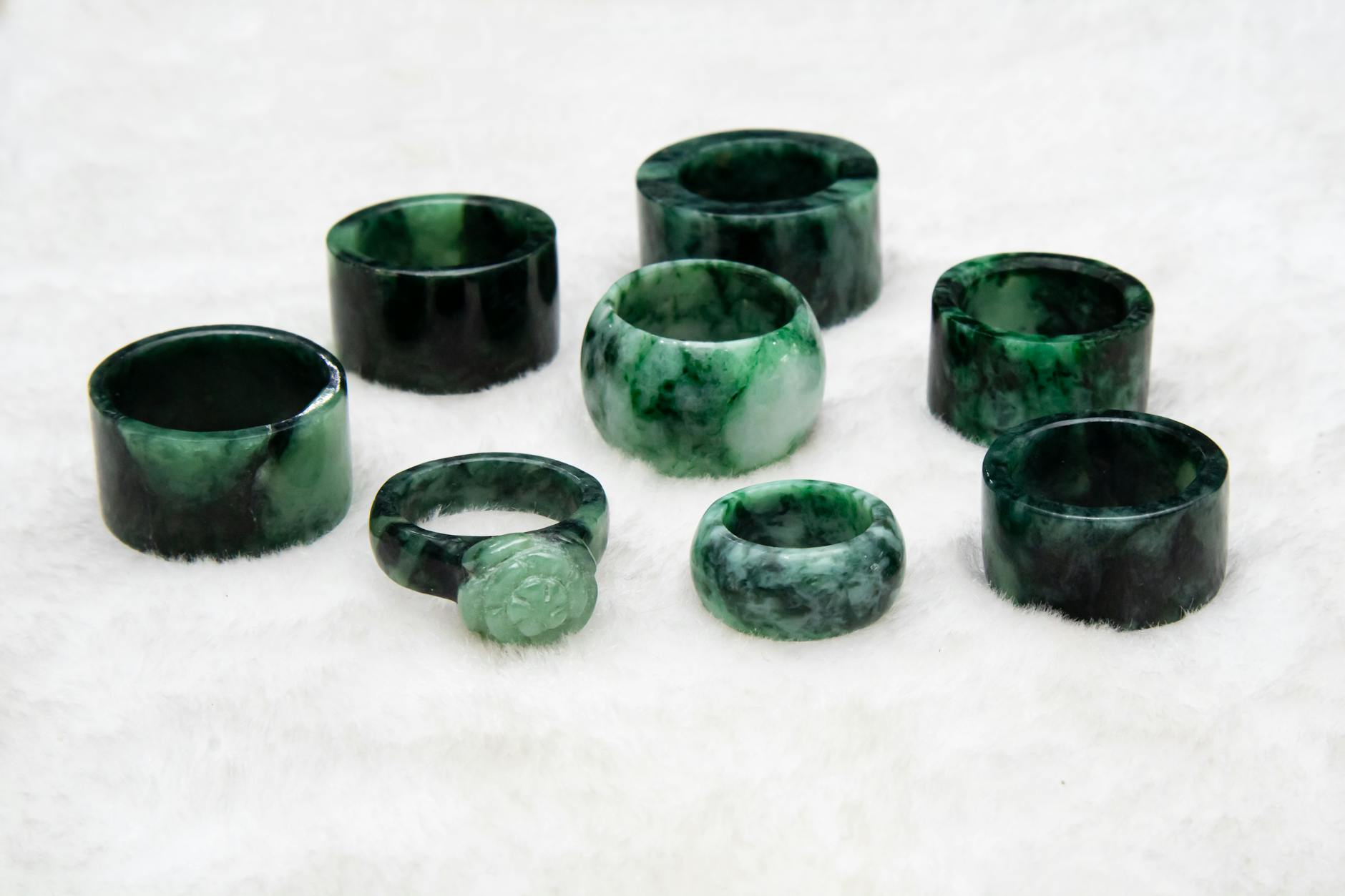
The GIA evaluates jade on seven quality factors. Color is the single most important. For jadeite, the most valued shade is vivid, evenly distributed emerald green — known as “imperial green.” The color must look vibrant in both natural and incandescent light. Any brown or gray undertones reduce value sharply. For example, lavender jadeite is desirable but rarely approaches imperial green prices. Pale or overly dark stones lose value quickly.
Translucency ranks second among jade price factors. Semi-transparent jadeite lets light pass through, creating a glowing quality. Chinese traders describe this as having good “water” (shui tou). Opaque jade, regardless of color, sells for a fraction of translucent material. Texture matters too. Fine-grained jade takes a higher polish and looks smoother. Coarse-grained jade appears grainy and dull. Together, these three qualities — color, translucency, and texture — account for most of the value difference between a $50 bangle and a $5 million one.
Origin and Treatments: Hidden Jade Price Factors Buyers Must Know
Myanmar’s Kachin State produces virtually all gem-quality jadeite worldwide. The famous Hpakan mines supply the stones that appear at top auction houses. Burmese origin is a major jade price factor. Guatemala also produces jadeite, historically important to Mesoamerican cultures, but it rarely approaches imperial grade. Nephrite sources include Russia, Canada, New Zealand, and China. In most cases, origin alone does not guarantee quality — but Myanmar jadeite consistently commands the highest premiums.
Treatment history dramatically affects value. The Asian jade trade uses a standard classification system. Type A jade is natural and untreated, with only an accepted surface wax coating. It commands full market value. Type B jade has been acid-bleached and polymer-impregnated to improve appearance.
It is worth 80–90% less than comparable Type A material. Type C jade has been dyed. It loses 90–95% of its value compared to natural jade. These jade price factors are often invisible to untrained eyes. Reputable labs like the GIA use infrared spectroscopy to detect treatments. Always request a lab certificate before buying any significant piece.
For context, the legendary Hutton-Mdivani Necklace — 27 graduated imperial jadeite beads — sold at Sotheby’s Hong Kong in 2014 for $27.44 million. It remains the most expensive jadeite jewelry lot ever auctioned. Meanwhile, the Doubly Fortunate Necklace sold at Christie’s in 1997 for $9.39 million. These record prices reflect every jade price factor aligning perfectly: natural Type A, imperial green color, exceptional translucency, fine texture, and confirmed Burmese origin.
Smart Ways to Enjoy Jade Without the Million-Dollar Price Tag
You do not need imperial-grade jadeite to enjoy jade’s beauty. Nephrite bangles and carved pendants offer genuine jade at accessible prices. Typically, a well-cut nephrite pendant in a modern setting looks stunning for everyday wear. Pairing jade with 18K gold plated stainless steel jewelry creates a versatile, polished look. Modern plating technology makes these pieces scratch-resistant, hypoallergenic, and designed for daily use. You can build an entire jade-and-gold collection — multiple jade price points, multiple styles — for what one solid gold setting would cost. That variety and versatility is the smart approach to jewelry.
When shopping, focus on the jade price factors that matter most for your goals. If you want a beautiful everyday piece, prioritize even color and smooth texture over translucency. Store jade pieces separately to avoid scratches. A quick wipe with a soft cloth keeps them lustrous — ten seconds of care for years of beauty. For investment-grade purchases, however, always insist on a GIA identification report confirming natural, untreated material.
Join the KartiKart community
10% off, on top of any current sale, your first order + early access to new collections
Free · No spam · Unsubscribe anytime
Frequently Asked Questions
Why is jadeite so much more expensive than nephrite?
Jadeite is geologically rarer and only one major source — Myanmar — produces gem-quality material. Its crystal structure also allows more vivid green saturation and greater translucency. These jade price factors combine to push jadeite prices far above nephrite for comparable sizes.
How can I tell if jade has been treated?
You cannot reliably detect treatments at home. Type B and C treatments are designed to look natural. A certified gemological lab uses infrared spectroscopy to identify polymer impregnation and advanced testing to detect dyes. Always ask for a lab report when buying jade over $500.
Is darker green jade always more valuable?
No. Overly dark jade actually loses value. The most prized shade is vivid, medium-toned emerald green with even distribution. Jade price factors related to color reward saturation and brightness, not darkness. A stone that appears black-green in normal lighting is worth far less than one with a lively, balanced green.
Shop Jewelry at KartiKart
Explore our collection of handcrafted 18K Gold Plated Stainless Steel jewelry. Every piece is designed for everyday elegance at an accessible price point.
Earrings · Necklaces · Best Sellers
Sources & Further Reading
For verified gemstone and jewelry information:
Content last reviewed April 2026. If you notice any outdated information, please contact us.
From the KartiKart shop
Wear what you just read about
Dainty, everyday pieces, handpicked by a husband-and-wife team. Free U.S. shipping, gift-ready packaging, 30-day easy returns, and 5% of every order goes to organizations fighting human trafficking.
Shop white & blue jade jewelry →Pieces our readers love
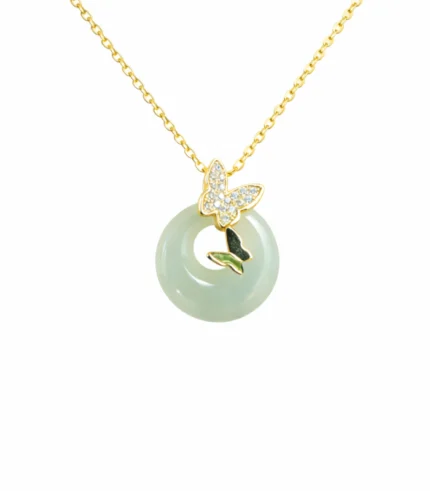
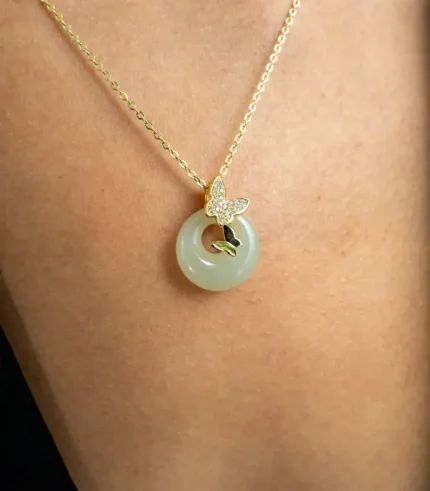
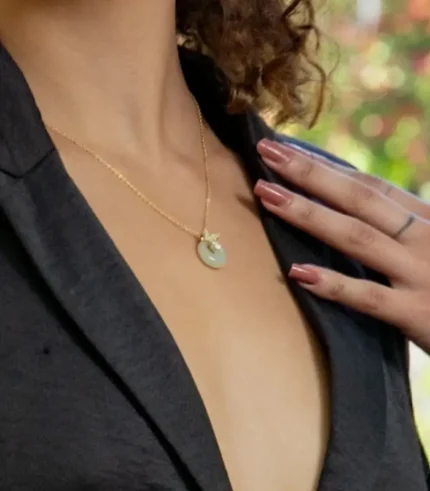
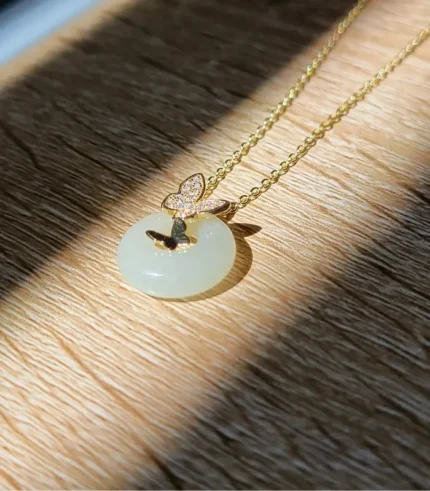
View all →Genuine White Jade Butterfly Necklace in 14K Gold Plated Silver
Original price was: $85.00.$76.50Current price is: $76.50.Genuine White Jade Flower Pendant Necklace in 14K Gold Plated Sterling Silver
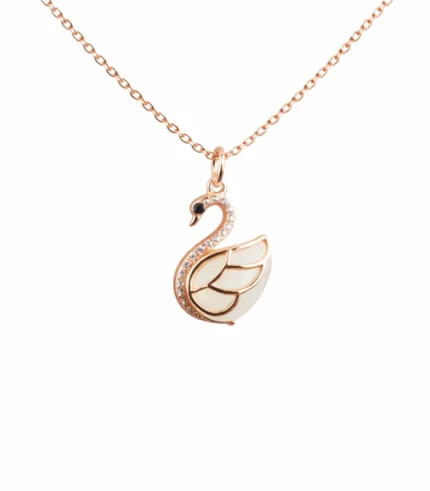
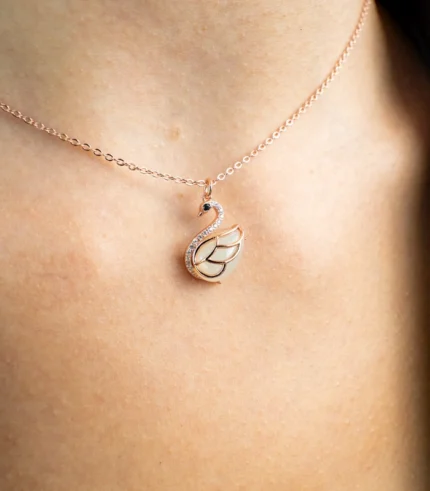
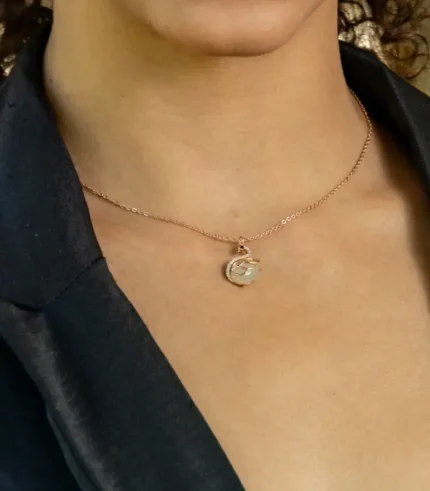
Original price was: $85.00.$76.50Current price is: $76.50.Genuine White Jade Swan Necklace in 14K Rose Gold Plated Silver
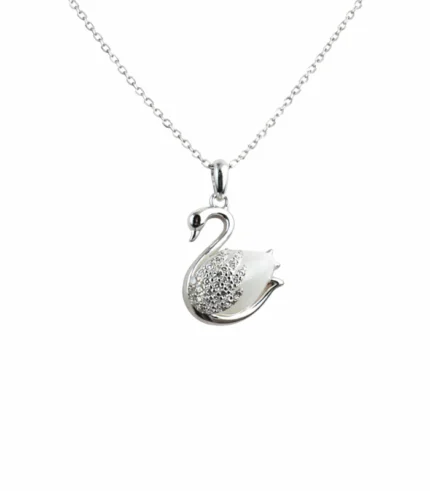
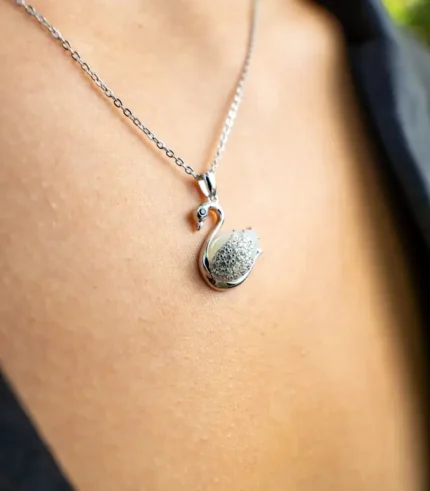
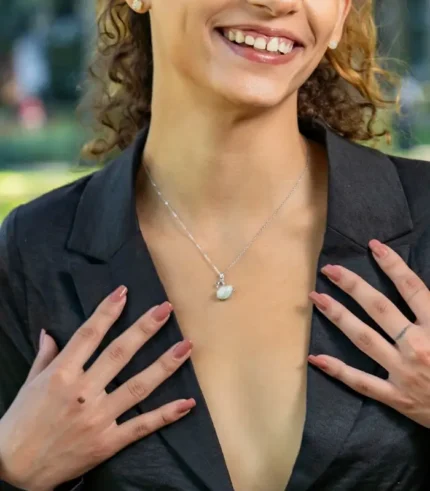
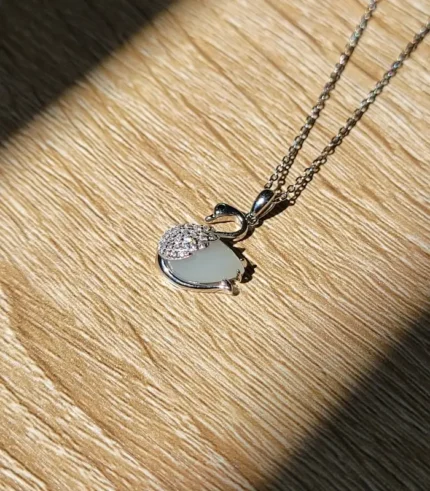
Original price was: $85.00.$76.50Current price is: $76.50.Genuine White Jade Swan Necklace in Sterling Silver
Original price was: $85.00.$76.50Current price is: $76.50.