Jade vs Aventurine: Telling Similar Green Stones Apart
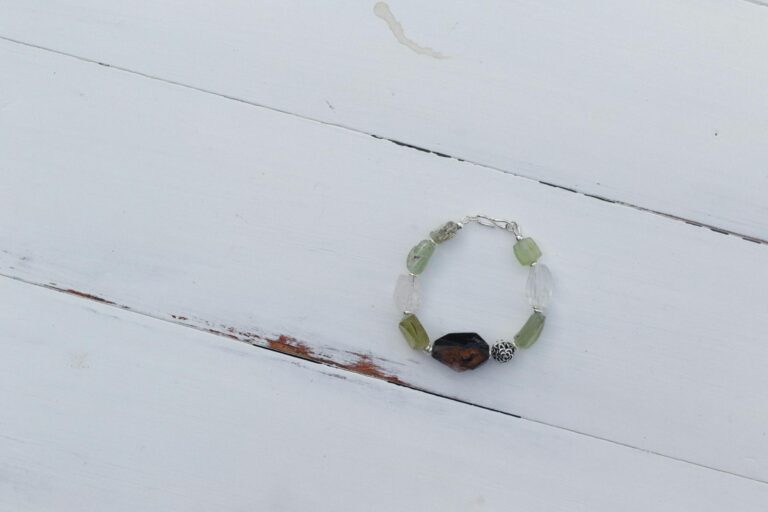
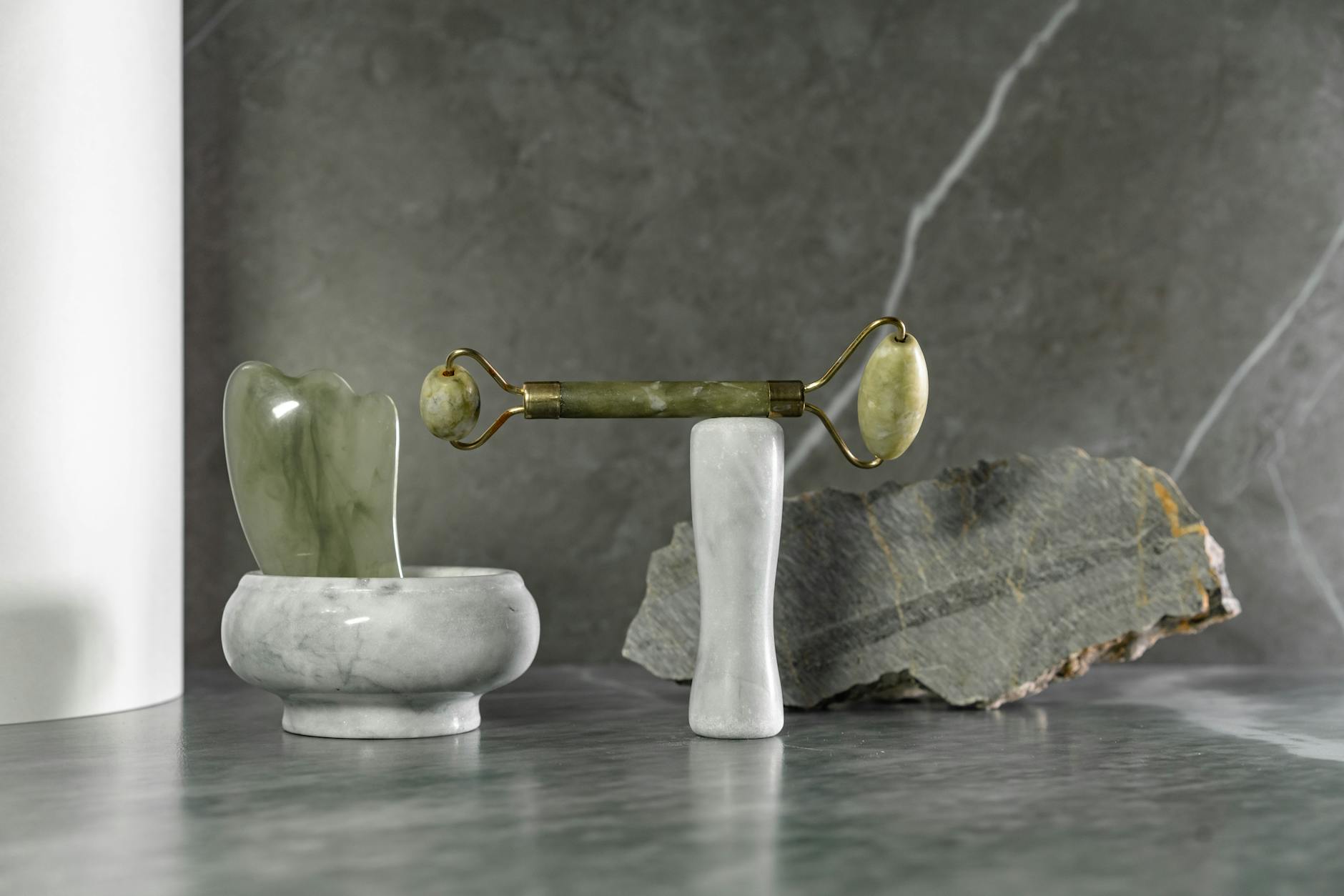
Jade vs aventurine is one of the most common gemstone mix-ups in the jewelry world. Both stones share a similar green color. Both feel smooth and polished. However, they are completely different minerals with distinct origins and properties. Jade refers to two specific minerals: nephrite and jadeite.
Aventurine is a variety of quartz that gets its green color from tiny mica flakes called fuchsite. This confusion matters because jade can cost hundreds of dollars per carat. Aventurine typically sells for under thirty dollars per carat. Knowing the difference protects you from overpaying. It also helps you appreciate what makes each stone genuinely beautiful.
What Makes Jade and Aventurine Different Minerals
The jade vs aventurine debate starts at the molecular level. Jade is a silicate mineral from the pyroxene group. It comes in two forms: jadeite (sodium aluminum silicate) and nephrite (calcium magnesium silicate). Aventurine is silicon dioxide — the same base mineral as amethyst and citrine. In most cases, green aventurine gets its color from chromium-rich mica inclusions scattered throughout the quartz.
Their hardness is surprisingly similar. Both score between 6.5 and 7 on the Mohs hardness scale. This makes a simple scratch test unreliable for telling them apart. However, density tells a different story. Jadeite has a specific gravity of 3.34, while aventurine sits around 2.65. That means a jade bead will feel noticeably heavier than an aventurine bead of the same size.
Shop white & blue jade jewelry
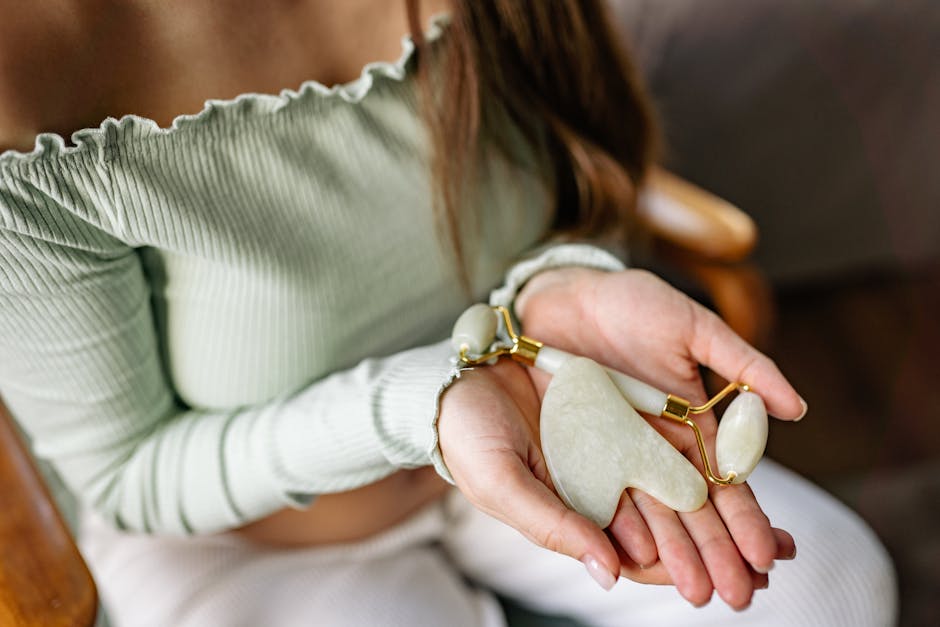
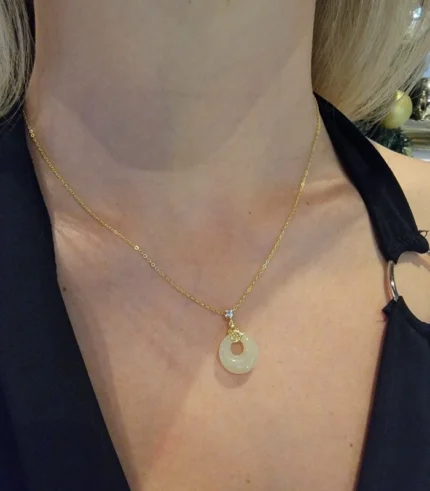
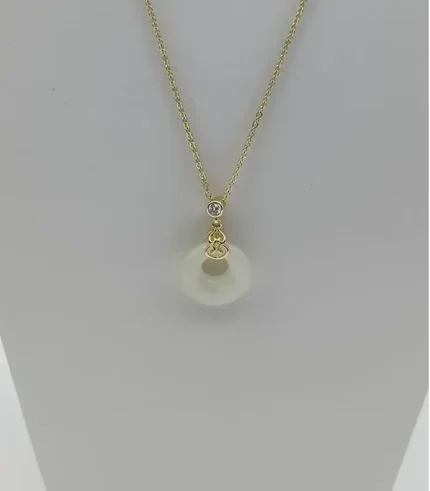
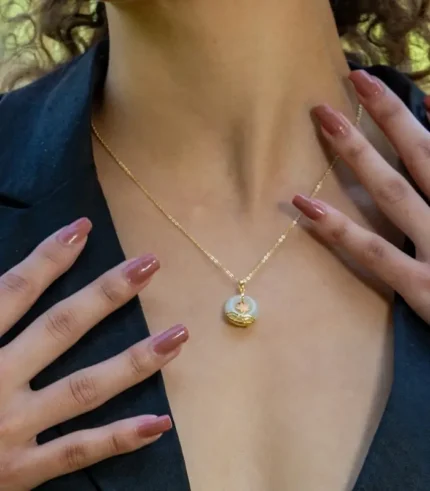
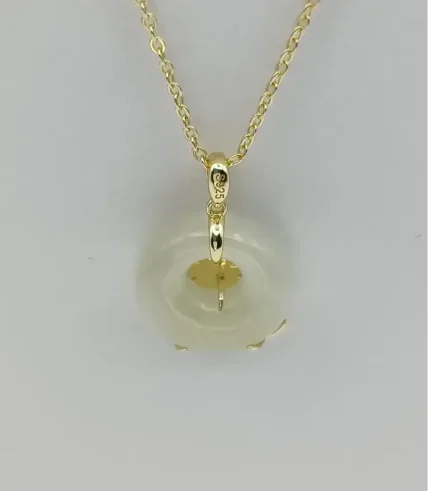
View all →Genuine White Jade Bi Disc Necklace in 14K Gold Plated Silver
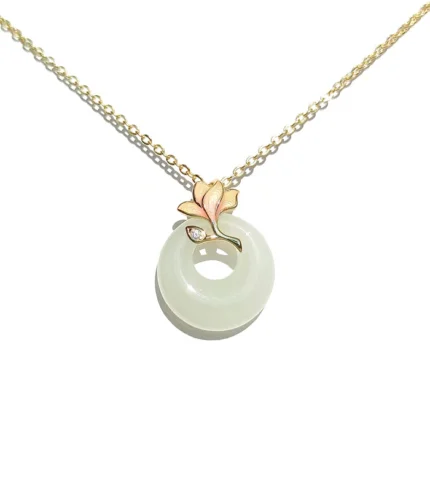
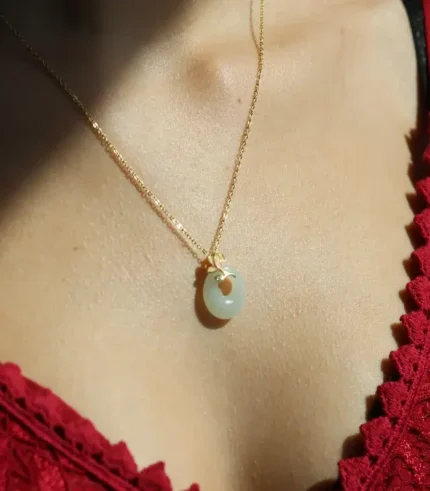
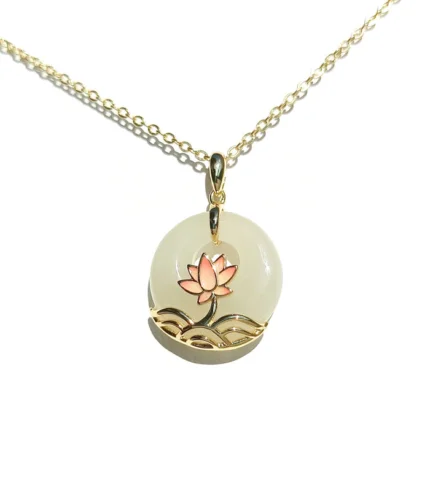
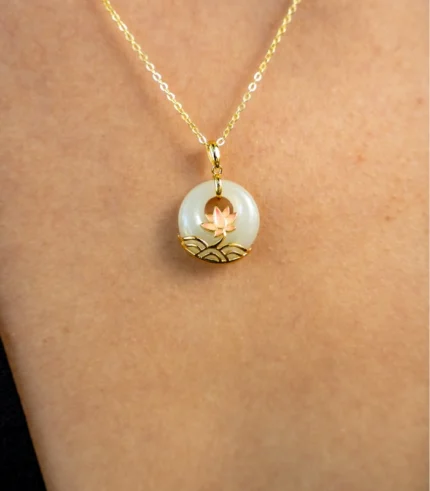
Original price was: $85.00.$76.50Current price is: $76.50.Genuine White Jade Lotus Necklace
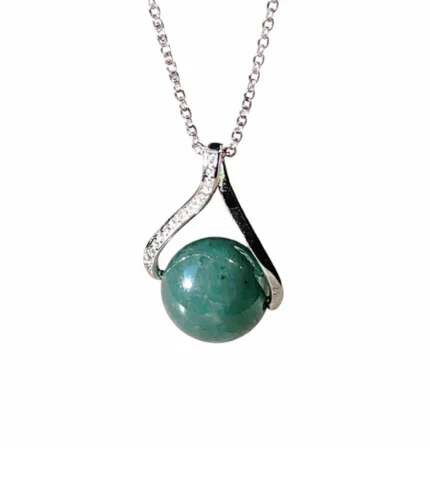
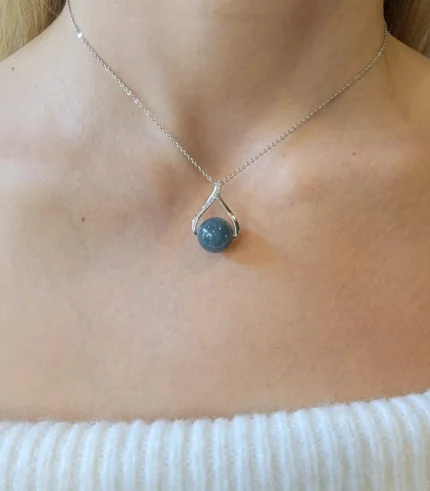
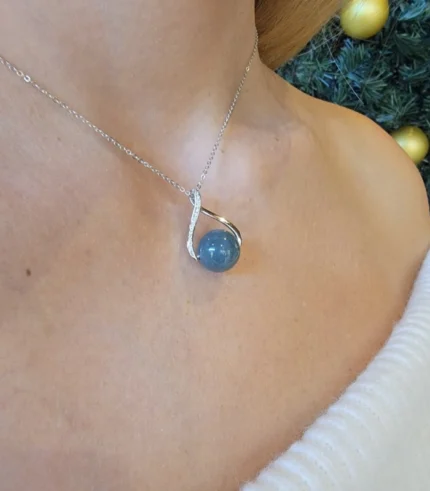
Original price was: $85.00.$76.50Current price is: $76.50.Genuine Blue Jade Round Necklace in Sterling Silver
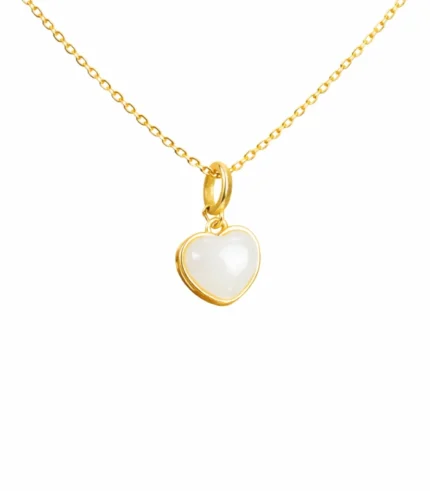
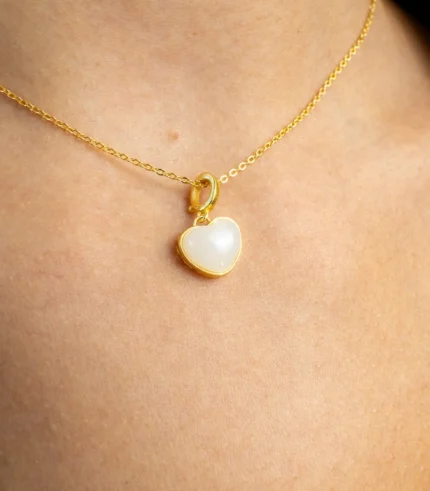
Original price was: $85.00.$76.50Current price is: $76.50.Genuine White Jade Heart Pendant Necklace in 14K Gold Plated Sterling Silver
Original price was: $85.00.$76.50Current price is: $76.50.

Jade vs Aventurine: How to Tell Them Apart Visually
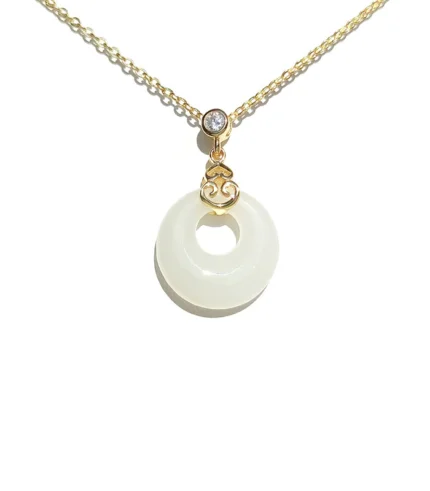
The easiest way to distinguish jade vs aventurine requires no special equipment. Look for sparkle. Aventurine contains tiny reflective mica particles that create a shimmering effect called aventurescence. Hold the stone under direct light and rotate it slowly. If you see glittering flecks, it is almost certainly aventurine. True jade never sparkles this way. Its surface has a smooth, waxy luster without any internal glitter.
Color distribution also provides clues. Jade typically shows even, uniform coloring that can appear slightly cloudy or milky. Aventurine often displays visible grain patterns with color that varies across the surface. For example, you might notice lighter and darker green zones in a single aventurine cabochon. Jade tends to look more consistent throughout.
Touch offers another reliable indicator. Jade has a distinctive soapy or oily feel when you run your fingers across it. Aventurine feels more like glass — smooth but without that waxy quality. Additionally, jade stays cool to the touch longer because of its higher density. These simple tests work well for polished beads and cabochons commonly used in jewelry.
Why Aventurine Gets Sold as Jade
Understanding jade vs aventurine matters most when shopping. Aventurine is sometimes marketed as “Indian jade” or “Australian jade.” These are trade names, not geological descriptions. Neither term refers to actual jade. The Gemological Institute of America (GIA) classifies true jade strictly as nephrite, jadeite, or green omphacite. Anything else using the jade name is a misnomer.
The price gap explains why this substitution happens. High-quality jadeite commands $500 to $3,000 per carat. Exceptional imperial jade from Burma can exceed $10,000 per carat. Meanwhile, aventurine typically costs $3 to $30 per carat. If a vendor offers “jade” jewelry at surprisingly low prices, aventurine may be the actual stone. Always ask for specific mineral identification rather than accepting trade names.
This does not mean aventurine lacks value. It is a beautiful stone in its own right. However, informed buyers deserve accurate descriptions. When comparing jade vs aventurine for a purchase, price is one of the strongest authenticity signals available.
Styling Green Stones with Gold Jewelry
Both jade and aventurine look stunning when paired with warm gold tones. The green and gold combination has centuries of tradition behind it, from ancient Mesoamerican jade ornaments to modern minimalist designs. For everyday styling, consider pairing green stone pieces with 18K gold plated stainless steel chains and bangles. The warm gold frames the green beautifully. Modern plating technology on stainless steel creates pieces that are scratch-resistant, hypoallergenic, and designed for daily wear.
In the jade vs aventurine styling conversation, both stones work with similar color palettes. Green pairs naturally with white, cream, black, and earth tones. Layering a green stone pendant over a simple gold chain creates an effortless look. The key is letting the stone remain the focal point. Keep surrounding metals consistent — mixing gold and silver around green stones can look busy rather than intentional.
Caring for Green Stone Jewelry
Proper care depends on which stone you own. In the jade vs aventurine comparison, both are reasonably durable for jewelry wear. However, aventurine’s mica inclusions can make it slightly more vulnerable to harsh chemicals. Clean both stones with a soft damp cloth and mild soap. Avoid ultrasonic cleaners. Store green stone pieces separately to prevent scratches from harder gemstones like sapphires or diamonds.
Join the KartiKart community
10% off, on top of any current sale, your first order + early access to new collections
Free · No spam · Unsubscribe anytime
For gold plated pieces featuring these stones, simple ten-second habits keep everything looking fresh. Remove jewelry before swimming or showering. Store pieces in a dry pouch or lined jewelry box. These quick steps protect both the stone and the gold finish. Typically, well-maintained pieces stay beautiful for years.
Frequently Asked Questions
Is green aventurine the same as jade?
No. Green aventurine is a type of quartz, while jade is either nephrite or jadeite. They look similar but are completely different minerals. The jade vs aventurine distinction comes down to chemical composition, density, and internal structure.
How can I tell if my green stone is real jade or aventurine?
Check for sparkle first. Aventurine has visible glittering mica flecks under light. True jade has a smooth, waxy surface without any shimmer. You can also compare weight — jade feels heavier than aventurine for the same size because of its higher density.
Why is jade so much more expensive than aventurine?
Jade, especially jadeite, is rarer and holds deep cultural significance across many civilizations. High-quality jadeite can cost $500 to $3,000 per carat. Aventurine is abundant and typically costs under $30 per carat. The jade vs aventurine price gap reflects rarity, demand, and centuries of cultural value.
Shop Jewelry at KartiKart
Explore our collection of handcrafted 18K Gold Plated Stainless Steel jewelry. Every piece is designed for everyday elegance at an accessible price point.
Bracelets · Best Sellers · Necklaces
Sources & Further Reading
For verified gemstone and jewelry information:
Content last reviewed April 2026. If you notice any outdated information, please contact us.
From the KartiKart shop
Wear what you just read about
Dainty, everyday pieces, handpicked by a husband-and-wife team. Free U.S. shipping, gift-ready packaging, 30-day easy returns, and 5% of every order goes to organizations fighting human trafficking.
Shop white & blue jade jewelry →Pieces our readers love
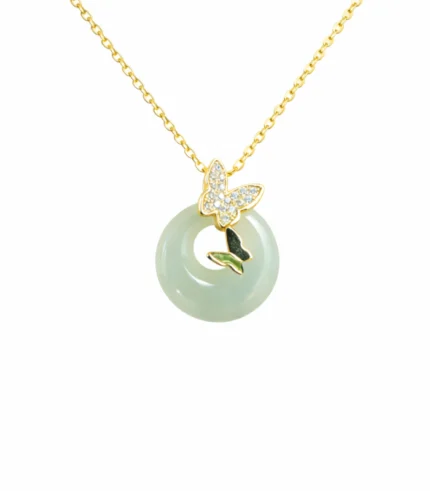
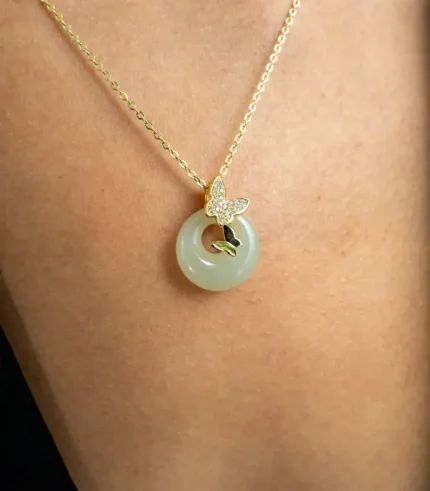
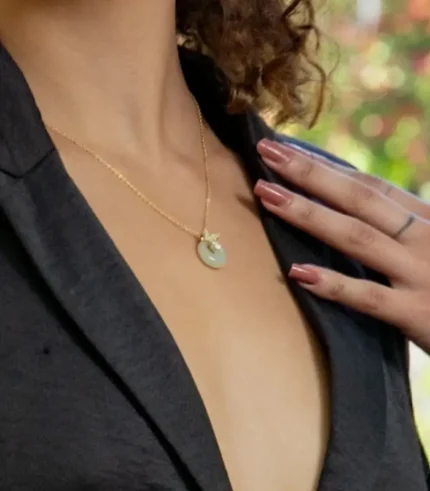
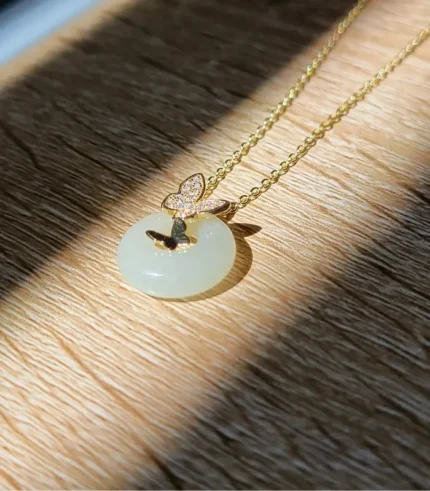
View all →Genuine White Jade Butterfly Necklace in 14K Gold Plated Silver
Original price was: $85.00.$76.50Current price is: $76.50.Genuine White Jade Flower Pendant Necklace in 14K Gold Plated Sterling Silver
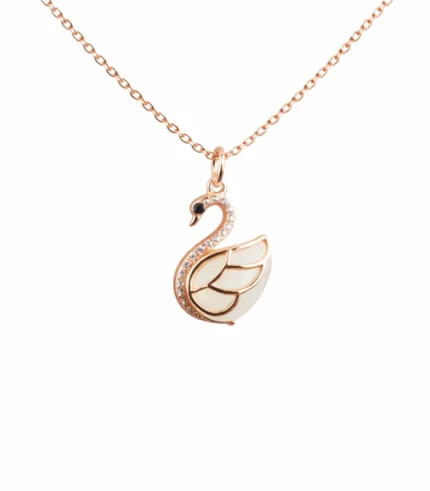
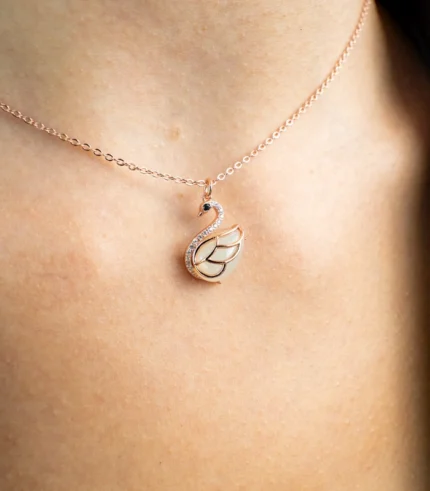
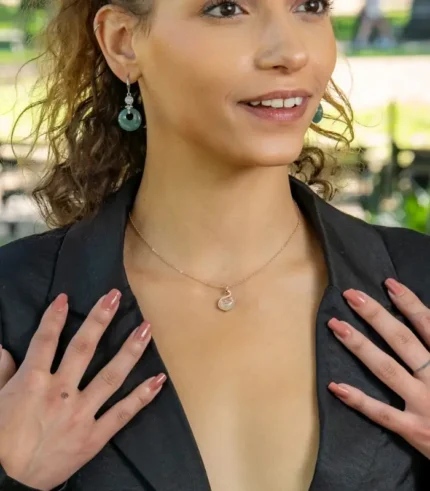
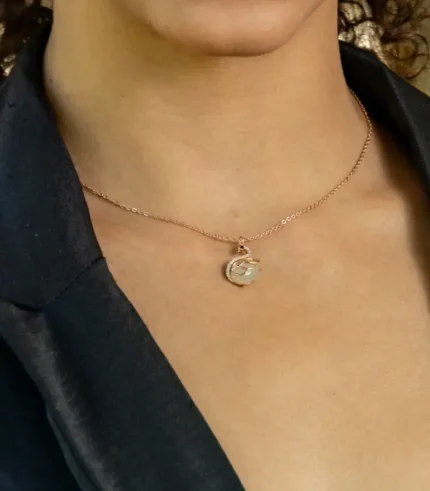
Original price was: $85.00.$76.50Current price is: $76.50.Genuine White Jade Swan Necklace in 14K Rose Gold Plated Silver
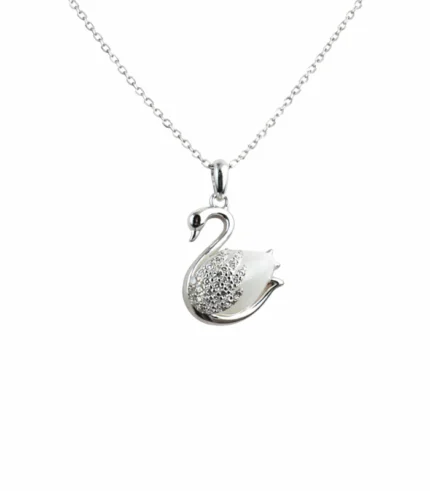
Original price was: $85.00.$76.50Current price is: $76.50.Genuine White Jade Swan Necklace in Sterling Silver
Original price was: $85.00.$76.50Current price is: $76.50.