Sunscreen and Lotion Damage Jewelry: The Prevention Method
Sunscreen damage is one of the most overlooked threats to your jewelry collection. Every summer, millions of people apply lotion and sunscreen without thinking twice about their rings, bracelets, and necklaces. However, the chemicals in these products can gradually break down metal surfaces. Ingredients like oxybenzone and avobenzone are designed to absorb ultraviolet light. They also interact with metals through a process called Table of Contents
wikipedia.org/wiki/Chelation”>chelation, where chemical compounds bind to metal ions and slowly strip them away. Gold plated jewelry, solid gold, sterling silver, and platinum are all affected. Understanding how sunscreen damage works is the first step toward keeping your pieces looking flawless for years. The good news is that prevention takes about ten seconds and requires zero special tools.
How Sunscreen Damage Actually Happens to Jewelry
Sunscreen contains two categories of active ingredients. Chemical filters include oxybenzone, avobenzone, octinoxate, and homosalate. Mineral filters include zinc oxide and titanium dioxide. Both types can cause problems for jewelry, but they work differently.
Chemical sunscreens are the bigger concern. Oxybenzone contains ketone groups that bond directly to metal ions like copper and zinc. This reaction pulls metal molecules off the surface of your jewelry over time. For example, when sunscreen residue sits on a bracelet for hours in the heat, it creates a slow chemical reaction at the metal surface. Copper corrosion rates roughly double with every ten-degree temperature increase. That means a hot beach day accelerates sunscreen damage significantly.
Mineral sunscreens are generally gentler on metals. However, titanium dioxide in its anatase form acts as a photocatalyst under UV light. It generates reactive oxygen species that can oxidize exposed metal. Zinc oxide can also create mildly alkaline conditions on the skin’s surface. Alkaline environments above pH 8 speed up corrosion on base metals. In most cases, the damage is gradual and invisible until it becomes a visible problem.
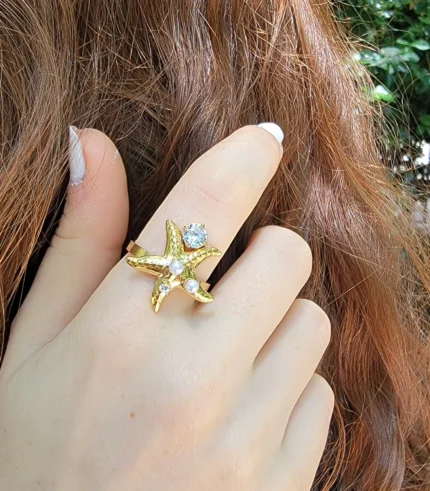
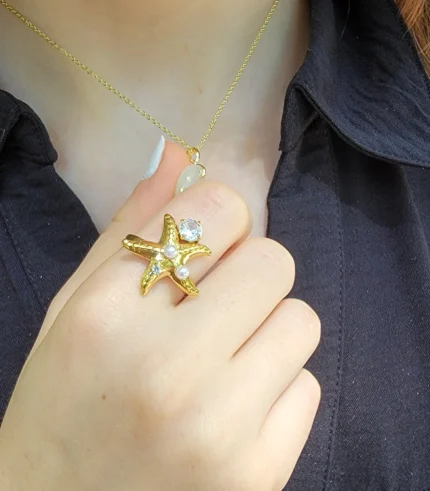
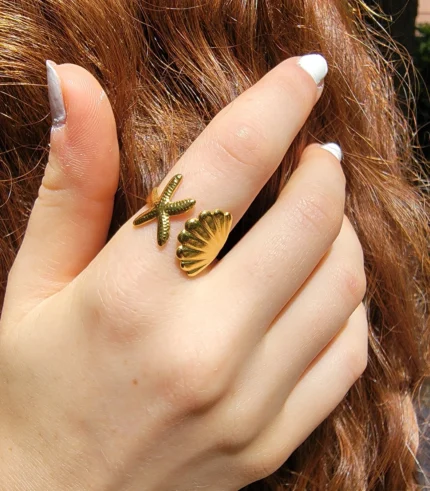
Shop tarnish-free gold-plated jewelry
View all →
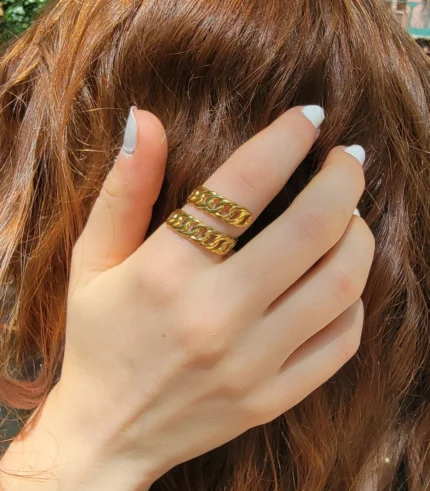
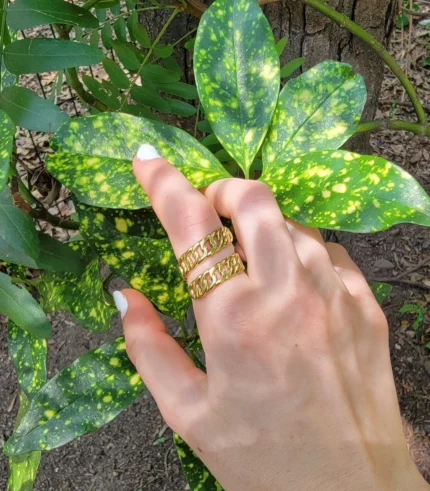
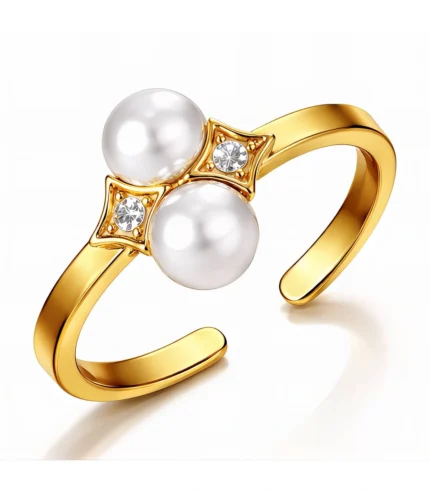
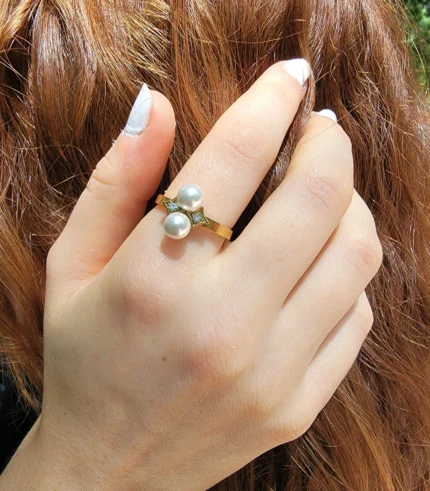
Lotions, Moisturizers, and Hidden Sunscreen Damage
Sunscreen is not the only culprit. Daily lotions and moisturizers contain ingredients that are equally harmful to jewelry. Alpha-hydroxy acids like glycolic acid and lactic acid lower the pH on your skin. Acidic conditions below pH 6 attack metals aggressively. Many anti-aging creams contain retinol, which reacts with metal surfaces and causes tarnishing.
One ingredient deserves special attention. EDTA, or ethylenediaminetetraacetic acid, appears in many skincare products as a stabilizer. According to established chemistry research, EDTA has an extremely high binding affinity for copper ions. It literally pulls metal atoms off surfaces. If your lotion contains EDTA and you wear your jewelry while applying it, you are accelerating sunscreen damage without realizing it. Fragrances and alcohol-based ingredients also strip protective layers from metal surfaces.
The combination of sunscreen, lotion, sweat, and heat creates what jewelers call a “perfect storm” for surface degradation. Typically, the damage shows up as dullness, discoloration, or a greenish residue where the product accumulated. This affects all jewelry types. The Gemological Institute of America recommends removing jewelry before applying any body products.
The Ten-Second Prevention Method That Protects Every Piece
Professional jewelers recommend one simple rule. Put your jewelry on last and take it off first. This is called the “last on, first off” method, and it takes about ten seconds. Apply all sunscreen, lotion, perfume, and moisturizer first. Wait fifteen to twenty minutes for everything to absorb into your skin. Then put on your jewelry.
This single habit eliminates most sunscreen damage entirely. When products fully absorb before your jewelry touches your skin, the reactive chemicals never make direct contact with the metal. Before reapplying sunscreen during the day, slip off your rings and bracelets. Tuck them into a soft pouch or a pocket. Reapply your sunscreen and wait a few minutes. Then put your jewelry back on.
For extra protection, keep a small microfiber cloth in your bag. A quick wipe at the end of the day removes any residue that accumulated. Modern 18K gold plating on stainless steel is already scratch-resistant and built for everyday wear. This quick wipe simply removes surface buildup before it has time to react. These easy habits keep your collection looking brilliant without any extra effort.
Why 18K Gold Plated Stainless Steel Handles Daily Wear So Well
Modern plating technology has made enormous advances. Today’s 18K gold plated stainless steel jewelry uses advanced electroplating methods that bond gold far more securely than older techniques. The stainless steel base is naturally resistant to corrosion and is hypoallergenic. Combined with proper care habits, these pieces maintain their rich gold finish through seasons of daily wear.
Join the KartiKart community
10% off, on top of any current sale, your first order + early access to new collections
Free · No spam · Unsubscribe anytime
The smart approach is building a versatile collection rather than risking one expensive piece at the beach. With 18K gold plated stainless steel, you can own five beautiful pieces for the price of a single solid gold item. That means you can rotate your jewelry and reduce wear on any single piece. Preventing sunscreen damage is simple when each piece gets a break between wears. A quick ten-second routine before and after applying products is all it takes. As the Wikipedia article on gold plating explains, modern electroplating produces durable, long-lasting finishes designed for real life.
Frequently Asked Questions
Does sunscreen damage gold plated jewelry permanently?
Repeated exposure without cleaning can cause cumulative sunscreen damage over time. However, if you follow the “last on, first off” rule and wipe your jewelry after wear, your pieces will stay beautiful. Modern 18K gold plating on stainless steel is far more resilient than older plating methods.
Is mineral sunscreen safer for jewelry than chemical sunscreen?
Mineral sunscreens with zinc oxide and titanium dioxide are generally less chemically reactive with metals. However, they can still leave residue that builds up over time. In most cases, removing your jewelry before application is the safest approach regardless of sunscreen type.
How do I clean sunscreen residue off my jewelry?
Gently wipe with a soft microfiber cloth after each wear. For deeper cleaning, use lukewarm water with a drop of mild soap. Pat dry immediately and store in a soft pouch. This ten-second routine prevents sunscreen damage from building up and keeps your pieces looking like new.
Shop Jewelry at KartiKart
Explore our collection of handcrafted 18K Gold Plated Stainless Steel jewelry. Every piece is designed for everyday elegance at an accessible price point.
New Arrivals · Earrings · Necklaces
Sources & Further Reading
For verified gemstone and jewelry information:
Content last reviewed April 2026. If you notice any outdated information, please contact us.
From the KartiKart shop
Wear what you just read about
Dainty, everyday pieces, handpicked by a husband-and-wife team. Free U.S. shipping, gift-ready packaging, 30-day easy returns, and 5% of every order goes to organizations fighting human trafficking.
Shop tarnish-free gold-plated jewelry →