Lavender Jade: The Rare Purple Variety Collectors Covet
Lavender jade is one of the rarest and most sought-after gemstones in the world. This delicate purple variety belongs exclusively to jadeite, a sodium aluminum silicate mineral prized for centuries across Asian cultures. Unlike common green jade, lavender jade gets its color from trace amounts of manganese substituting into the crystal structure. The result is a stone that ranges from pale lilac to deep violet.
Collectors prize it above nearly every other jadeite color except Imperial green. Fine specimens with even color and good translucency can command thousands of dollars per carat. However, not all lavender jade is created equal. Understanding what makes this gem special helps you appreciate its place in fine jewelry and make smarter choices when adding purple jade pieces to your collection.
What Makes Lavender Jade So Rare
Lavender jade occurs only in jadeite, never in nephrite. This distinction matters. Nephrite produces greens, browns, blacks, and whites. It cannot form purple hues. Jadeite has a Mohs hardness of 6.5 to 7 and displays a vitreous, glassy luster. According to the Gemological Institute of America (GIA), lavender ranks as the second most coveted jadeite color after Imperial green.
The world’s finest lavender jade comes from Myanmar’s Kachin State. The Jade Tract near Hpakant, roughly 350 kilometers north of Mandalay, supplies up to 90% of global gem-quality jadeite. Guatemala and Japan produce small amounts of lavender jadeite. However, neither rival Myanmar for quality or volume. In most cases, pure and evenly saturated lavender pieces are exceptionally scarce. The color often appears mixed with green zones within a single rough stone.
A 2012 GIA study confirmed that manganese ions cause the lavender color. Some specimens from Japan and Guatemala show different chemistry involving titanium and iron. This variation in trace elements creates the full spectrum of purple hues collectors seek.
How Lavender Jade Is Valued and Graded
Three factors determine lavender jade quality. Color comes first. Dealers look for intense, evenly distributed purple without gray or brown modifiers. Medium tone is ideal. Too light appears washed out. Too dark loses the distinctive lavender character. For example, a vivid, uniformly colored cabochon will far outprice a mottled specimen of the same size.
Transparency ranks second. Lavender jadeite ranges from opaque to semitransparent. The GIA notes that semitransparent pieces “almost appear to glow.” This inner brilliance dramatically increases value. The Chinese trade calls this quality “water.” Third comes texture. Fine-grained, smooth material fetches the highest prices. Coarse texture where individual crystals are visible reduces desirability significantly.
Fine lavender jade typically sells between $200 and $3,000 per carat. Complete jewelry pieces range from $5,000 to well over $50,000. In 2012, Christie’s Hong Kong sold a lavender jadeite bead necklace with a Cartier clasp for approximately $1.75 million. The Smithsonian’s National Museum of Natural History houses a carved lavender jadeite dragon vase standing nearly 20 inches tall.
How to Identify Genuine Lavender Jade
The jade trade uses an A/B/C grading system for treatments. Type A jade is natural with no treatment beyond surface waxing. Type B has been acid-bleached and filled with polymer resin. Type C has been artificially dyed. Some pieces are both bleached and dyed. For lavender jade specifically, dyeing is a common concern. Modern dyes have become increasingly difficult to detect with basic tools.
Several warning signs indicate treated lavender jade. Dyed material often shows color concentrated along fractures and grain boundaries. Natural color distributes more evenly within the mineral grains. However, the GIA emphasizes that infrared spectroscopy remains the only conclusive method for detecting polymer impregnation in all cases. Visual inspection alone is not reliable enough for significant purchases.
Always request laboratory certification for any valuable lavender jade piece. Reputable labs include the GIA, Gübelin, and the Hong Kong Jade & Stone Laboratory. A Type A certificate confirms natural color and no polymer treatment. This documentation protects your investment and ensures authenticity.
Styling Lavender Jade With Modern Jewelry
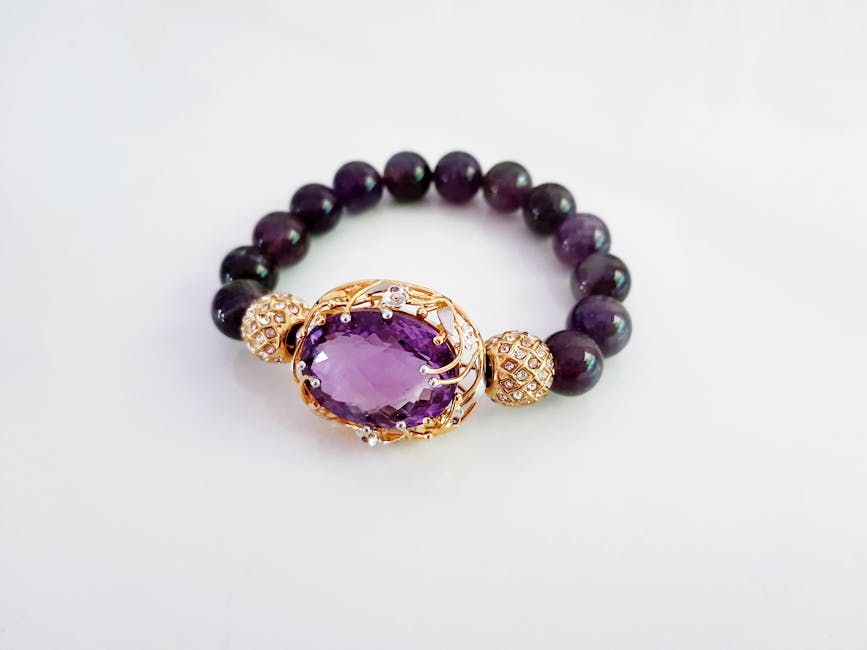
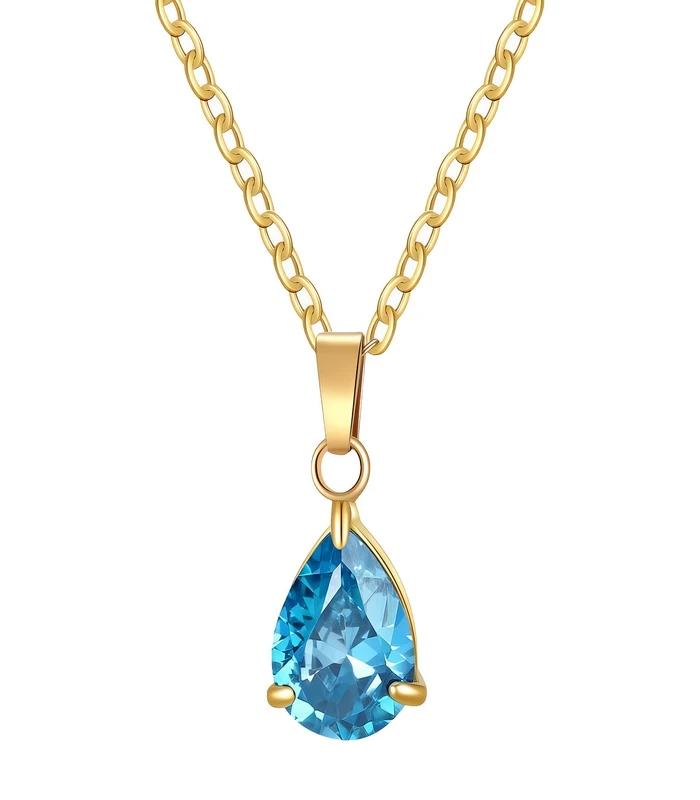
Lavender jade pairs beautifully with warm gold tones. The soft purple contrasts elegantly against 18K gold settings, creating a look that feels both classic and contemporary. Typically, collectors wear lavender jade bangles, pendants, or earrings as statement pieces. The stone’s gentle color works well for everyday wear without overpowering an outfit. Pairing a lavender jade pendant with gold-plated stainless steel chains and bracelets lets you build a cohesive collection without committing your entire budget to a single gemstone piece.
Join the KartiKart community
10% off, on top of any current sale, your first order + early access to new collections
Free · No spam · Unsubscribe anytime
Caring for lavender jade is straightforward. Store pieces separately to prevent scratching. Clean with a soft damp cloth. Avoid harsh chemicals and ultrasonic cleaners. These simple habits take seconds and keep your jade looking its best for decades.
Frequently Asked Questions
Is lavender jade more valuable than green jade?
Lavender jade is rarer than most green jade varieties. It ranks second in value behind Imperial green jadeite. In most cases, fine lavender jade commands higher prices than average-quality green jadeite.
How can I tell if lavender jade is real or dyed?
Look for color concentrated along fractures, which suggests dye treatment. However, modern dyes are difficult to detect visually. The safest approach is requesting a Type A certification from a gemological laboratory like the GIA.
What causes the purple color in lavender jade?
Trace amounts of manganese in the jadeite crystal structure create the lavender color. The interplay of manganese, iron, and titanium produces the full range of purple hues. This color mechanism only occurs in jadeite, never in nephrite jade.
Shop Jewelry at KartiKart
Explore our collection of handcrafted 18K Gold Plated Stainless Steel jewelry. Every piece is designed for everyday elegance at an accessible price point.
Necklaces · Best Sellers · New Arrivals
Sources & Further Reading
For verified gemstone and jewelry information:
Content last reviewed April 2026. If you notice any outdated information, please contact us.