Jade Stud Earrings for Everyday Wear
Jade stud earrings have quietly become one of the most practical pieces in a modern jewelry rotation. They sit close to the ear, they never catch on scarves or sweaters, and they carry thousands of years of history in a stone the size of a pea. Jade is not one mineral but two. Jadeite is a sodium aluminum silicate, while nephrite is a calcium magnesium iron silicate.
Both are prized for the same reason: extraordinary toughness. That toughness is exactly why jade stud earrings work so well for daily wear. However, the setting matters just as much as the stone. Paired with 18K gold plated stainless steel, jade becomes a piece you can genuinely wear every single day.
What makes jade different from other gemstones
Most people rank gemstones by hardness alone. Hardness measures scratch resistance on the Mohs scale. Jadeite sits at 6.5 to 7. Nephrite sits slightly lower at 6 to 6.5. By that measure, jade looks middling next to sapphire or topaz.
Toughness tells a very different story. Toughness measures resistance to chipping and breaking. Nephrite is widely regarded as one of the toughest natural minerals known. Its interlocking fibrous structure resists fracture far better than many harder stones. For example, a diamond is far harder than jade, yet it can cleave along a plane if struck the wrong way. Jade simply does not behave that way.
This is why jade stud earrings hold up so well over years of wear. They live through commutes, gym bags, and hurried mornings. In most cases, the biggest risk to a jade earring is losing it, not breaking it. You can read more about the two jade minerals on Wikipedia’s overview of jade.

Shop earrings
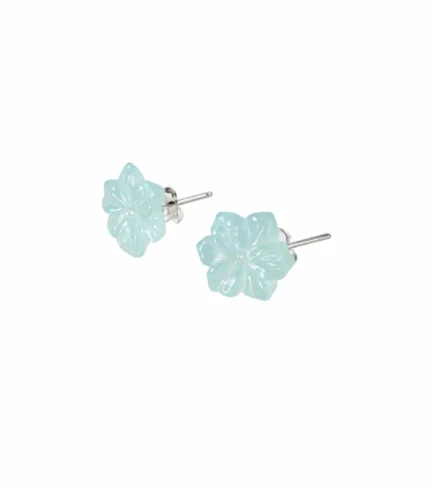
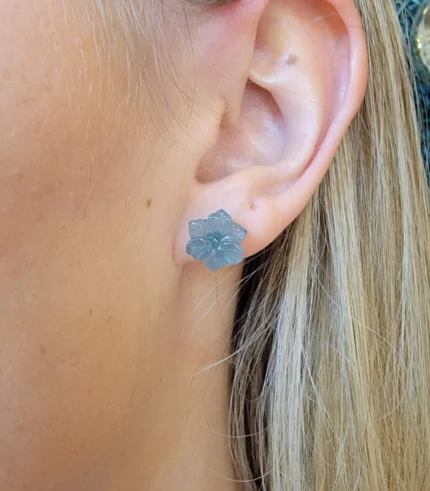
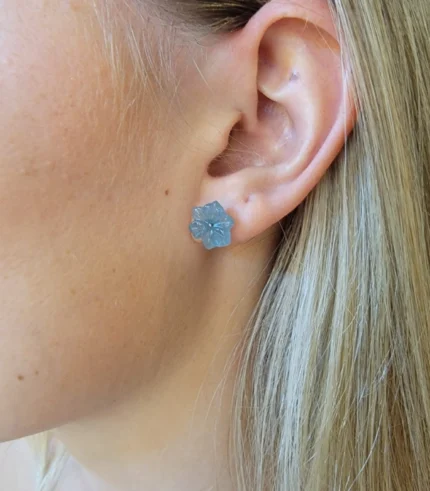
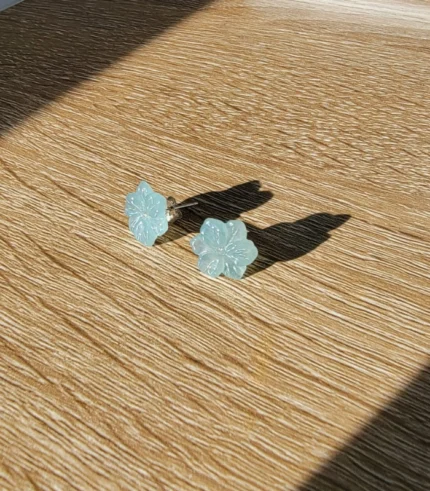
View all →Genuine Blue Jade Flower Stud Earrings in Sterling Silver
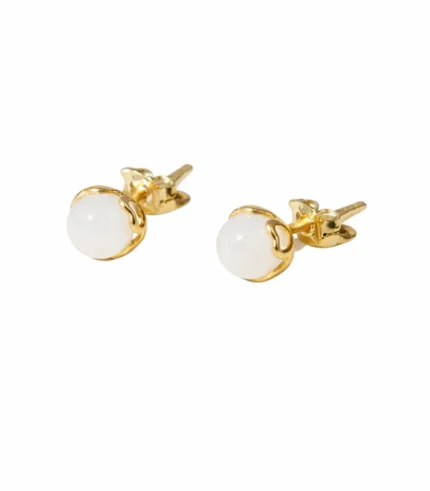
Original price was: $40.00.$36.00Current price is: $36.00.Genuine White Jade Stud Earrings in 14K Gold Plated Sterling Silver
Original price was: $40.00.$36.00Current price is: $36.00.


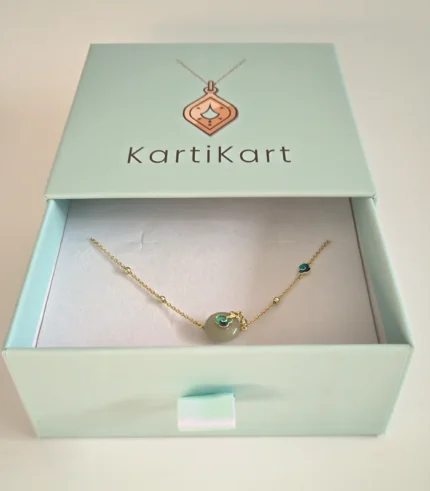
Why jade stud earrings suit everyday wear
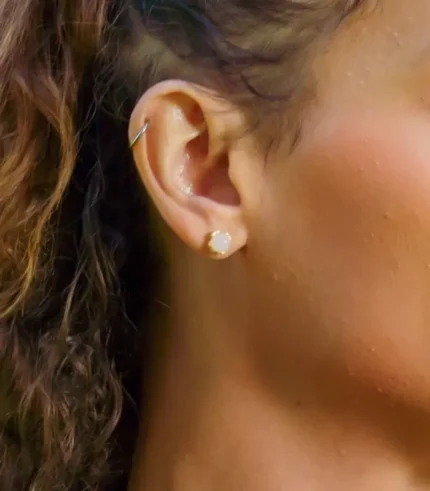
Studs are the most low-maintenance earring style there is. They sit flat against the lobe. They do not swing, tangle, or snag. They survive phone calls, headphones, and turtleneck season without a thought.
Size drives the whole effect. Stones around 6 to 8mm read as quiet and everyday. They pair with a work blazer or a t-shirt equally well. Anything 10mm or larger becomes a statement piece and typically suits evening looks better. For a genuine wear-anywhere pair, stay in that smaller range.
Color is the second lever. Deep imperial green is the most famous jade color, but it is far from the only one. Lavender, white, black, and pale apple green all appear naturally. White and black jade stud earrings are especially versatile. They read as neutral and go with nearly every outfit in your closet.
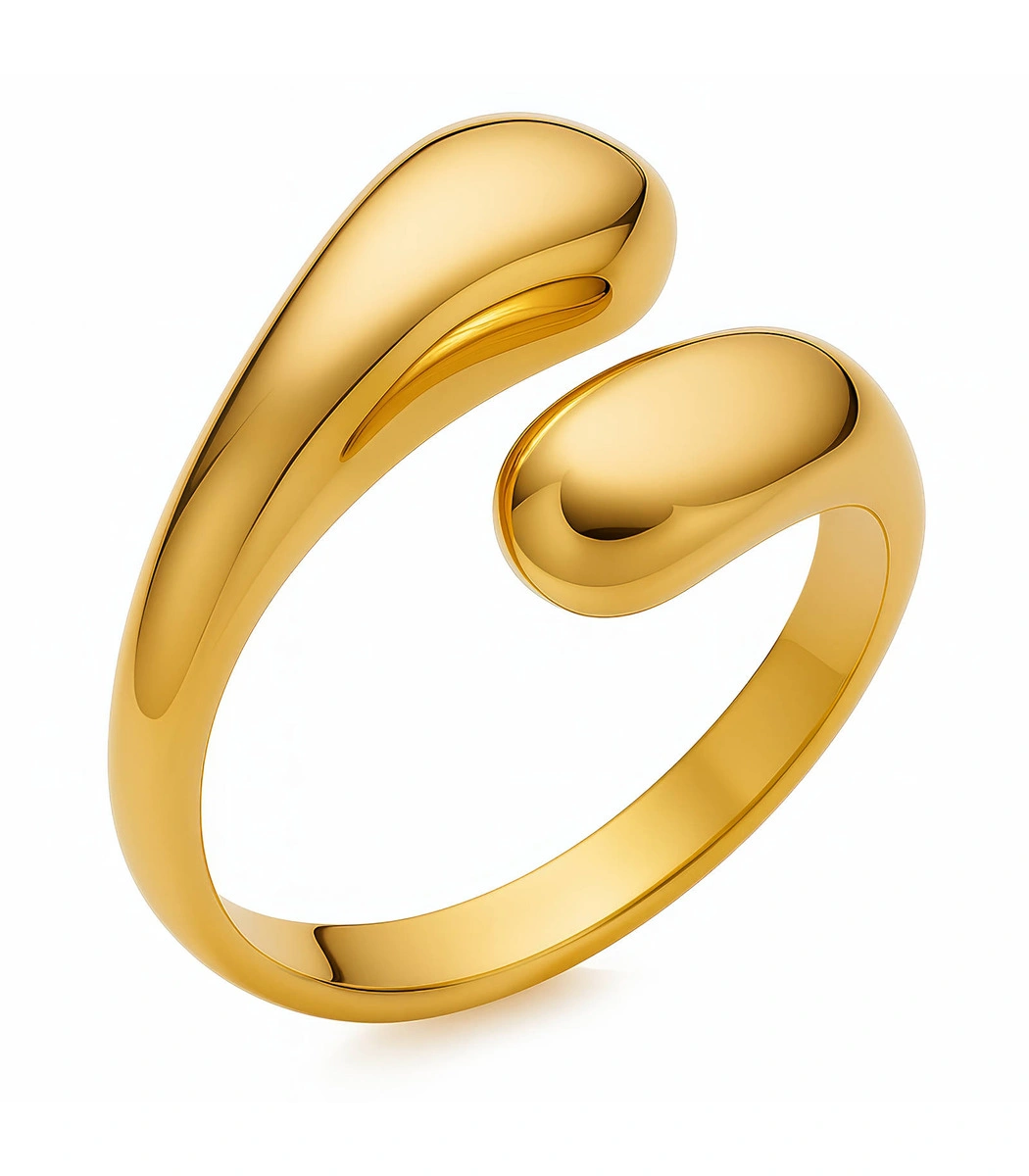
How gold plated settings make jade more wearable
The metal around the stone decides how the piece feels and how often you reach for it. Modern 18K gold plating over stainless steel is a genuinely smart choice here. The plating gives you the exact warm gold tone that flatters green and lavender jade. The stainless steel core gives you strength that softer metals cannot match.
There is a real practical advantage too. Stainless steel is hypoallergenic, so sensitive ears stay comfortable through a full day. It is also lightweight, which matters more than people expect with studs. Heavy earrings tug at the lobe over long hours. Lighter jade stud earrings simply disappear once you put them on.
The value math is the best part. For the price of one solid gold pair, you can own five beautiful plated pairs in different jade colors and shapes. That means white jade for the office, black jade for evening, green jade for weekends. Variety beats a single expensive piece almost every time. Updating your collection stops being a major purchase and becomes something you can actually do.
What to look for when buying jade stud earrings
Jade is graded by treatment, and the vocabulary is worth learning. Type A jade is natural and untreated, cleaned only with wax. Type B has been bleached and impregnated with polymer. Type C has been dyed. Type A holds its color and character longest.
Ask three questions before you buy. First, is the jade jadeite or nephrite? Second, has it been treated or dyed? Third, what is the setting metal and how is the stone secured? A reputable seller answers all three without hesitation. The GIA jade description page is a reliable reference for terminology.
Check the finish under good light. Quality jade has a smooth, slightly waxy to glassy luster. Dull or chalky surfaces often signal aggressive treatment. Also check the post and back. A secure butterfly or screw back keeps small jade stud earrings where they belong.
Join the KartiKart community
10% off, on top of any current sale, your first order + early access to new collections
Free · No spam · Unsubscribe anytime
Simple care that takes ten seconds
Caring for jade stud earrings is genuinely easy. Take them off before showering, swimming, or applying perfume. Wipe them with a soft dry cloth after wear. That is the whole routine, and it takes about ten seconds.
Storage is just as simple. Keep them in a soft pouch or a lined box, separate from harder stones. Jade is tough, but harder gems can still scratch its polish. These small habits keep the gold plating bright and the jade glowing for years. Jade has been worn and passed down for millennia, as collections at the Smithsonian Institution demonstrate.
Frequently Asked Questions
Can you wear jade stud earrings every day?
Yes, and they are one of the best gemstone choices for it. Jade’s toughness resists chipping better than most stones. Just remove them before swimming or showering.
What color jade is best for everyday jade stud earrings?
White, black, and pale green are the most versatile neutrals. They pair with almost any outfit. Deep imperial green makes a stronger statement and suits dressier occasions.
Does 18K gold plating hold up on earrings?
Modern plating over stainless steel is built for daily wear. It is scratch-resistant and hypoallergenic. Keeping it dry and stored properly keeps the finish bright for years.
Shop Jewelry at KartiKart
Explore our collection of handcrafted 18K Gold Plated Stainless Steel jewelry. Every piece is designed for everyday elegance at an accessible price point.
Best Sellers · Earrings · Bracelets
Sources & Further Reading
For verified gemstone and jewelry information:
Content last reviewed August 2026. If you notice any outdated information, please contact us.
From the KartiKart shop
Wear what you just read about
Dainty, everyday pieces, handpicked by a husband-and-wife team. Free U.S. shipping, gift-ready packaging, 30-day easy returns, and 5% of every order goes to organizations fighting human trafficking.
Shop earrings →Pieces our readers love
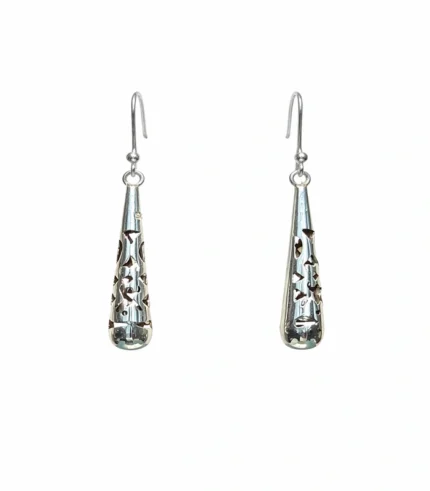
View all →Tear Drop Earrings-Papel Picado
Original price was: $50.00.$45.00Current price is: $45.00.Cylinder Earrings-Papel Picado
Original price was: $50.00.$45.00Current price is: $45.00.