What Is the Best Jewelry for Sun Protection Concerns

Home → Jewelry → What Is the Best Jewelry for Sun Protection Concerns
What Is the Best Jewelry for Sun Protection Concerns
Published: January 08, 2026 | 0 Comments
Sun exposure affects both your skin and your jewelry. While we often focus on sunscreen and protective clothing, the jewelry we choose can also impact our sun safety routine. Some materials heat up uncomfortably, while others may cause unexpected skin reactions when combined with UV rays and sweat.
Understanding how different jewelry materials interact with sun exposure helps you make comfortable, safe choices for outdoor activities. The right pieces let you maintain your style without compromising on comfort or risking skin irritation during sunny days.
This guide explores the best jewelry options for sun-conscious wearers, covering materials, styles, and practical tips for enjoying accessories in bright conditions.
Table of Contents
- How Sun Affects Jewelry Wear
- Best Materials for Sunny Days
- Styles That Work in the Sun
- What to Avoid in Hot Weather
- Care Tips for Summer Jewelry
- Frequently Asked Questions
How Sun Affects Jewelry Wear
Metal jewelry conducts heat, which can become uncomfortable during extended sun exposure. Dark metals and large surface areas absorb more heat than lighter, smaller pieces. This heating effect ranges from mildly warm to genuinely uncomfortable depending on conditions.
UV exposure combined with sweat can trigger reactions in some people, particularly with certain metal alloys. Nickel, commonly found in costume jewelry, frequently causes issues when perspiration acts as a conductor. Even people without typical metal allergies may experience temporary irritation in these conditions.
- Heat conduction varies by metal type
- Sweat can increase skin sensitivity
- Dark finishes absorb more heat
- Large pieces retain heat longer
Best Materials for Sunny Days
Platinum and high-karat gold perform well in sunny conditions. These pure metals rarely cause reactions and heat up less dramatically than alloys. Sterling silver also works well, though it may tarnish faster with increased sweat exposure.
Natural materials like wood, shell, and stone offer alternatives that stay cooler than metals. These options work particularly well for beach settings and tropical climates where metal jewelry might become uncomfortable.
Styles That Work in the Sun
Smaller, lighter pieces stay cooler and more comfortable than chunky statement jewelry. Thin chains, delicate pendants, and small studs minimize heat absorption while maintaining your accessorized look.
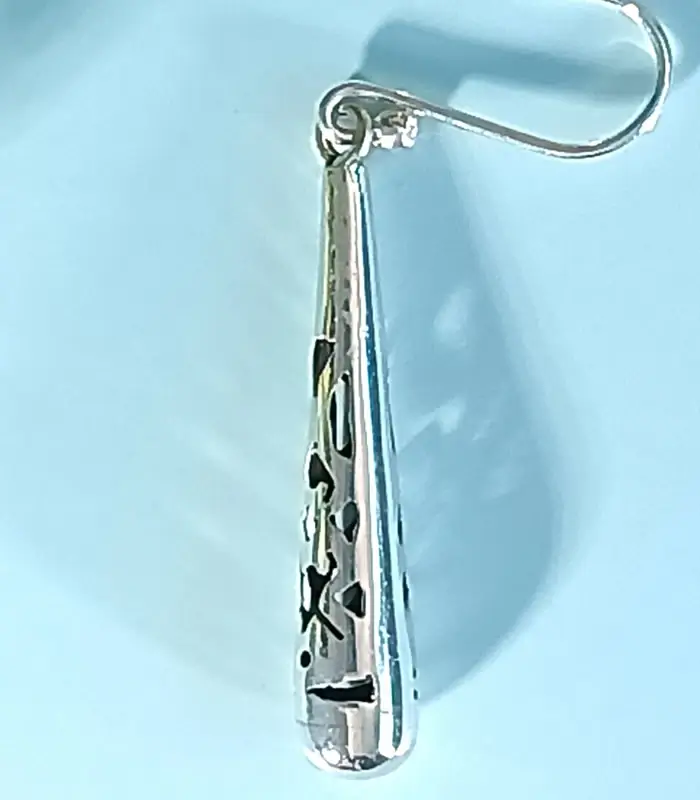
Open designs that allow air circulation stay cooler than solid pieces. Chain link bracelets breathe better than solid bangles, and hoop earrings may feel more comfortable than large solid drops.
- Thin chains and delicate pieces
- Open metalwork designs
- Small studs over large drops
- Breathable bracelet styles
What to Avoid in Hot Weather
Avoid costume jewelry with unknown metal compositions on hot days. The combination of cheap alloys, heat, and sweat creates ideal conditions for skin reactions. If you must wear costume pieces, apply clear nail polish to surfaces touching skin.
Skip dark-colored metal finishes that absorb maximum heat. Black titanium and gunmetal finishes look striking but can become uncomfortably hot. Large medallions and solid cuffs also trap heat against the skin.
Care Tips for Summer Jewelry
Rinse jewelry after beach or pool exposure to remove salt and chlorine. These substances accelerate tarnishing and can damage certain finishes. A quick freshwater rinse prevents long-term damage.
Store jewelry away from direct sunlight when not wearing it. Extended UV exposure can fade certain gemstones and weaken some adhesives used in costume pieces. A closed jewelry box or pouch provides adequate protection.
- Rinse after swimming
- Dry thoroughly before storing
- Keep away from direct sunlight
- Clean more frequently in summer
Frequently Asked Questions
Can I wear jewelry to the beach?
Yes, but choose pieces carefully. Avoid costume jewelry and opt for solid gold, platinum, or natural materials. Remove valuable pieces before swimming to prevent loss.
Why does my skin turn green from jewelry in summer?
Heat and sweat accelerate the oxidation of copper in alloys. This creates verdigris that transfers to skin. Choose higher-quality metals or apply barrier products.
Will the sun damage my gemstones?
Some stones fade with extended UV exposure, including amethyst, citrine, and rose quartz. Diamonds and sapphires resist fading well.
How do I prevent jewelry from getting too hot?
Choose small, light-colored pieces in high-quality metals. Remove jewelry during peak sun hours if discomfort occurs.
You Might Also Like
- What Is the Best Jewelry for Summer
- How to Keep Jewelry From Tarnishing in Humid Weather
- What Is Hypoallergenic Jewelry