
How to Clean Every Type of Jewelry at Home With Pantry Staples You Already Have


Knowing how to clean every type of jewelry at home starts with one surprisingly simple ingredient you almost certainly have next to your kitchen sink: dish soap. A few drops of mild dish soap mixed with warm water is the single most universally safe cleaning method for gold, diamonds, platinum, and most gemstones — a fact confirmed by the Gemological Institute of America. Before you spend money on commercial cleaning solutions, open your pantry. Baking soda, white vinegar, salt, aluminum foil, and lemon juice can handle nearly every type of tarnish, buildup, and dullness your jewelry collection throws at you.
That said, not every pantry staple is safe for every material. Vinegar and baking soda, for instance, can cause serious damage to pearls and opals, while abrasive scrubbing will scratch gold plating. The key is matching the right method to the right metal or stone. This article breaks down exactly how to clean each type of jewelry you own — from 18K gold plated stainless steel to sterling silver to delicate gemstones — with step-by-step instructions, specific warnings, and the limitations you need to know before you start.
Explore our collection of handpicked jade jewelry at KartiKart — minimalist pieces built to last.
Table of Contents
- What Pantry Staples Can You Use to Clean Every Type of Jewelry at Home?
- How to Clean Gold, Gold Plated, and Stainless Steel Pieces
- The Right Way to Clean Every Type of Sterling Silver Without Damage
- Cleaning Diamonds, Platinum, and Harder Gemstones at Home
- Gemstones and Pearls You Should Never Soak or Scrub
- Cleaning Brass, Copper, and Costume Jewelry
- Building a Simple Cleaning Routine That Protects Your Collection
- Conclusion
What Pantry Staples Can You Use to Clean Every Type of Jewelry at Home?
The pantry staples that handle the majority of jewelry cleaning are dish soap, baking soda, white vinegar, salt, aluminum foil, lemon juice, and plain white toothpaste. Each one works differently depending on the metal or stone involved, and using the wrong combination can do more harm than good. Dish soap and warm water is the safest starting point for virtually any piece — soak for fifteen to twenty minutes, scrub gently with a soft-bristled toothbrush, and rinse.
For tarnished sterling silver, the aluminum foil method is remarkably effective. Line a bowl with foil, add hot water, one tablespoon of baking soda, and one tablespoon of salt. The electrochemical reaction between the aluminum and the tarnish lifts discoloration in three to five minutes without any scrubbing.
This method works because the aluminum acts as a sacrificial metal, pulling sulfur compounds off the silver surface — a simple chemistry trick that outperforms most store-bought silver polishes. If you only remember one rule, let it be this: when in doubt, use dish soap and warm water. It is the method the American Gem Society recommends most often, and it is the least likely to cause damage to any clean type of material in your jewelry box.

How to Clean Gold, Gold Plated, and Stainless Steel Pieces
For solid gold and 18K gold plated stainless steel, the dish soap soak is your best friend. Fill a small bowl with warm — not hot — water, add a few drops of mild dish soap, and let your pieces sit for fifteen to twenty minutes. Use a soft-bristled toothbrush to gently work into any crevices, then rinse under clean water and pat dry with a lint-free cloth.
Avoid paper towels, which can leave micro-scratches on polished surfaces. For plain gold pieces without gemstones, a baking soda paste offers deeper cleaning. Mix three parts baking soda to one part water, apply with a cotton swab, and gently work the paste across the surface.
However, if your piece is gold plated rather than solid gold, skip the baking soda paste entirely. The mild abrasion that is harmless on solid gold can wear through plating over time. Stick with the soap and water method for gold plated jewelry — it is all you need, and it keeps the plating looking fresh for much longer.
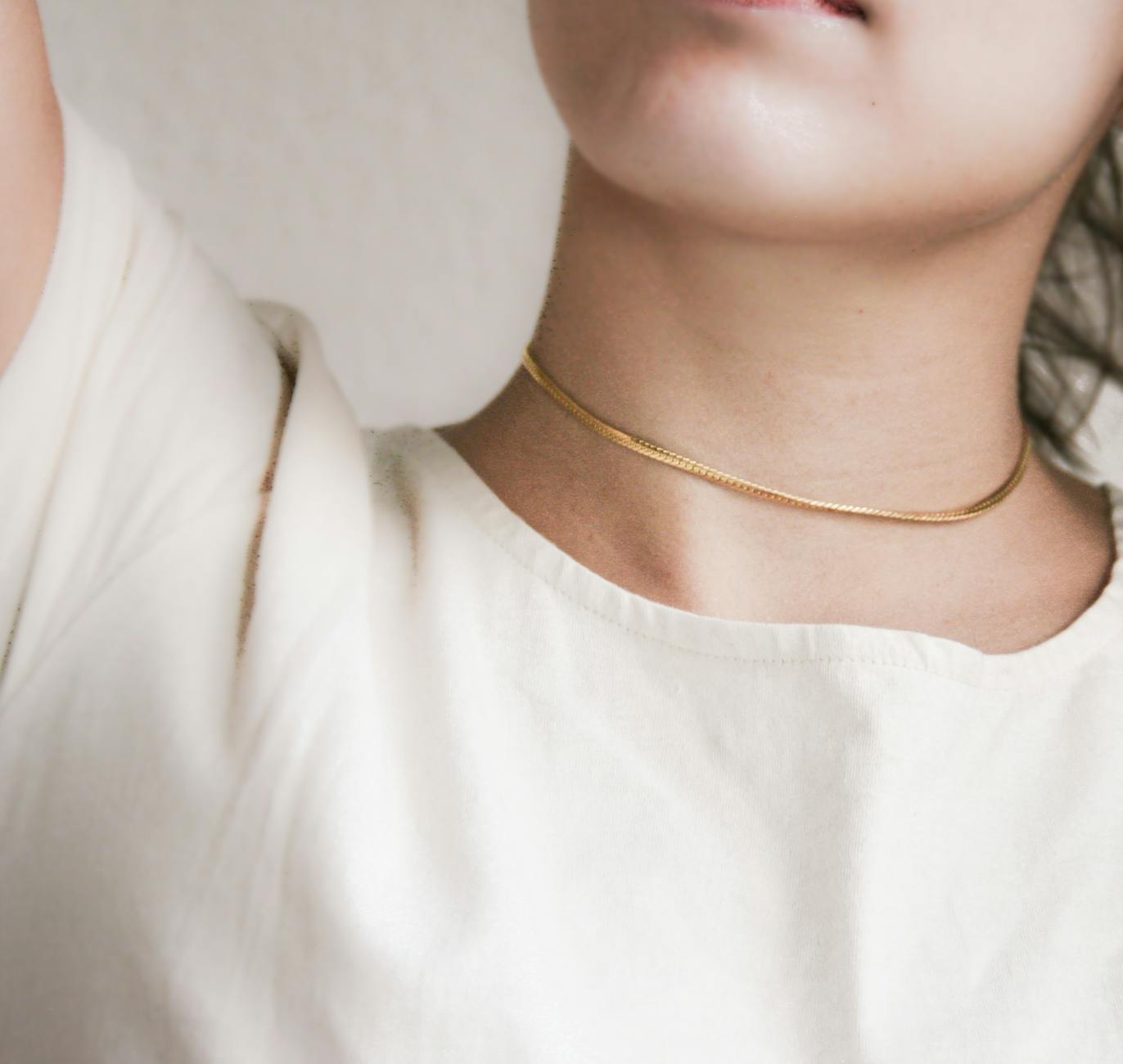
Caring for 18K gold plated stainless steel is genuinely easy maintenance. store pieces separately so they do not scratch each other, remove them before swimming or showering, and give them a quick soap-and-water clean every few weeks. Modern plating technology has made these pieces remarkably durable, and with basic care, they maintain their luster beautifully.
The stainless steel core means you never have to worry about the base metal tarnishing or turning green — a real advantage over other plated options.
The Right Way to Clean Every Type of Sterling Silver Without Damage
Sterling silver tarnishes because it reacts with sulfur compounds in the air, and it is one of the most satisfying metals to clean at home because the results are immediate and dramatic. The aluminum foil bath is the most effective pantry method: line a heat-safe bowl with aluminum foil (shiny side up), place your silver pieces directly on the foil, pour in hot water, and add one tablespoon each of baking soda and salt. You will see the tarnish begin to transfer within seconds.
White toothpaste — specifically non-gel, plain white toothpaste — works well for light tarnish on individual pieces. Apply a small amount with your finger or a soft cloth, rub gently, rinse, and dry. This is a good option when you need to clean a single ring or pair of earrings quickly and do not want to set up the foil bath.
Another option is a vinegar soak: mix half a cup of white vinegar with two tablespoons of baking soda, submerge your silver for a few hours, then rinse and wipe dry. However, if your sterling silver piece contains gemstones, pearls, or any delicate inlays, do not use the foil bath or the vinegar soak. The chemical reactions and prolonged soaking that safely clean the type of silver you are targeting can damage set stones.
For silver pieces with stones, stick to the dish soap method and focus the toothbrush on the metal areas only, keeping the bristles away from prongs and settings.
Cleaning Diamonds, Platinum, and Harder Gemstones at Home
Diamonds are the easiest gemstones to clean at home because their hardness makes them nearly impervious to the gentle methods that work best. Soak a diamond ring in warm soapy water for fifteen to twenty minutes, brush gently with a soft toothbrush — paying attention to the underside of the setting where lotion and oil accumulate — rinse in cold water, and pat dry. The boiling water method is another option for diamonds specifically: boil water, pour it over a diamond ring placed in a separate heat-safe bowl, let it cool completely to room temperature, then scrub and rinse.
Platinum responds well to the same warm soapy water treatment. Because platinum is highly durable and naturally tarnish-resistant, it requires less maintenance than most metals. A soft brush, warm water, mild soap, and a lint-free drying cloth are all you need.
The tradeoff with platinum is that it develops a patina over time — some people prefer this, while others want the bright polish restored, which requires professional buffing rather than a home remedy. For harder colored gemstones like sapphires, rubies, and amethysts, the warm water and dish soap combination is generally safe. The key distinction to understand is hardness: stones rating seven or above on the Mohs hardness scale tolerate gentle scrubbing and brief soaking.
Anything softer — and that includes many popular gemstones — demands a more cautious approach, which brings us to the next section.
Gemstones and Pearls You Should Never Soak or Scrub
This is where cleaning jewelry at home becomes genuinely risky if you do not know what you are working with. Pearls should never be soaked in any liquid — not water, not soap, not vinegar, and certainly not baking soda solutions. Wipe them with a slightly damp cloth after wearing and lay them flat to dry.
Pearls are organic, porous, and extremely sensitive to acids and chemicals. Even the oils from your skin affect them over time, which is why gentle wiping after each wear matters. Opals are another stone that should never be submerged.
They contain water within their structure, and soaking can cause them to crack or lose their characteristic play of color. Use only a soft, damp cloth. Turquoise, lapis lazuli, malachite, and coral fall into the same category — porous stones that absorb liquids and react badly to acids.
If you are unsure whether a stone is safe to soak, the conservative approach is always the right one: damp cloth, no chemicals. The expert warning is worth repeating clearly: never use baking soda or vinegar on delicate gemstones. These substances are mildly abrasive or acidic enough to etch surfaces, strip coatings, and dull finishes permanently.
When you clean each type of stone in your collection, know exactly what it is before choosing your method. If you inherited a piece and do not know the stone, treat it as delicate until you can identify it.

Cleaning Brass, Copper, and Costume Jewelry
Brass and copper are both beautiful metals that tarnish aggressively, and each has its own effective pantry remedy. For brass, mix equal parts water and white vinegar, dip the piece for thirty seconds — no longer — rinse immediately with clean water, and buff with a soft polishing cloth. For copper, the salt and lemon juice method works well: wet the piece, sprinkle table salt on the surface, and rub with a cloth dampened in lemon juice until the tarnish disappears.
Costume jewelry — the broad category that includes base metals, plated finishes, and rhinestones — responds well to a gentle vinegar soak. Place pieces in a shallow bowl of white vinegar for fifteen to twenty minutes, swish occasionally, scrub lightly with a soft toothbrush, rinse, and air dry completely before storing. The key limitation here is that costume pieces with glued-on stones should never be soaked for extended periods, as water weakens adhesive over time.
For those, a quick dip and immediate drying is the safer approach to clean this type of jewelry without losing stones.
Building a Simple Cleaning Routine That Protects Your Collection
The most effective jewelry care is not a dramatic deep-clean every few months — it is a light, consistent habit. A quick wipe with a soft cloth after each wear removes the body oils, lotion residue, and environmental grime that cause buildup in the first place. For pieces you wear daily, a soap-and-water soak once every two to three weeks keeps them looking fresh without any risk of overcleaning.
Experts also warn against overusing any cleaning method, including gentle ones. Repeated use of cleaning dips — even homemade ones — can remove small amounts of metal over time. Store each piece separately to prevent scratching, keep silver in anti-tarnish bags or cloths, and remove all jewelry before swimming, showering, or applying perfume.
When you know how to properly clean every type of jewelry in your collection with pantry staples, you spend less on maintenance, avoid unnecessary trips to the jeweler, and keep your pieces looking exactly the way they should.
Looking for minimalist jade jewelry? Browse our full collection of necklaces, bracelets, earrings, and rings at KartiKart. Free shipping on all US orders.
Conclusion
The core takeaway is straightforward: mild dish soap and warm water handles the majority of jewelry cleaning safely, while specific pantry staples — baking soda, vinegar, salt, aluminum foil, and lemon juice — address tarnish and buildup on particular metals. The critical skill is knowing which method matches which material. Gold, diamonds, platinum, and stainless steel are forgiving. Silver benefits from the aluminum foil reaction.
Pearls, opals, and porous stones require nothing more than a damp cloth. Start with the gentlest option and escalate only if needed. Keep a dedicated soft toothbrush and lint-free cloth with your jewelry storage so cleaning becomes an effortless part of your routine rather than a project. Your pieces — whether 18K gold plated stainless steel, sterling silver, or gemstone — will last longer, look better, and require far less professional maintenance when you give them regular, informed care at home.