
how sanctions on russian diamonds are reshaping the fine jewelry market without most buyers noticing

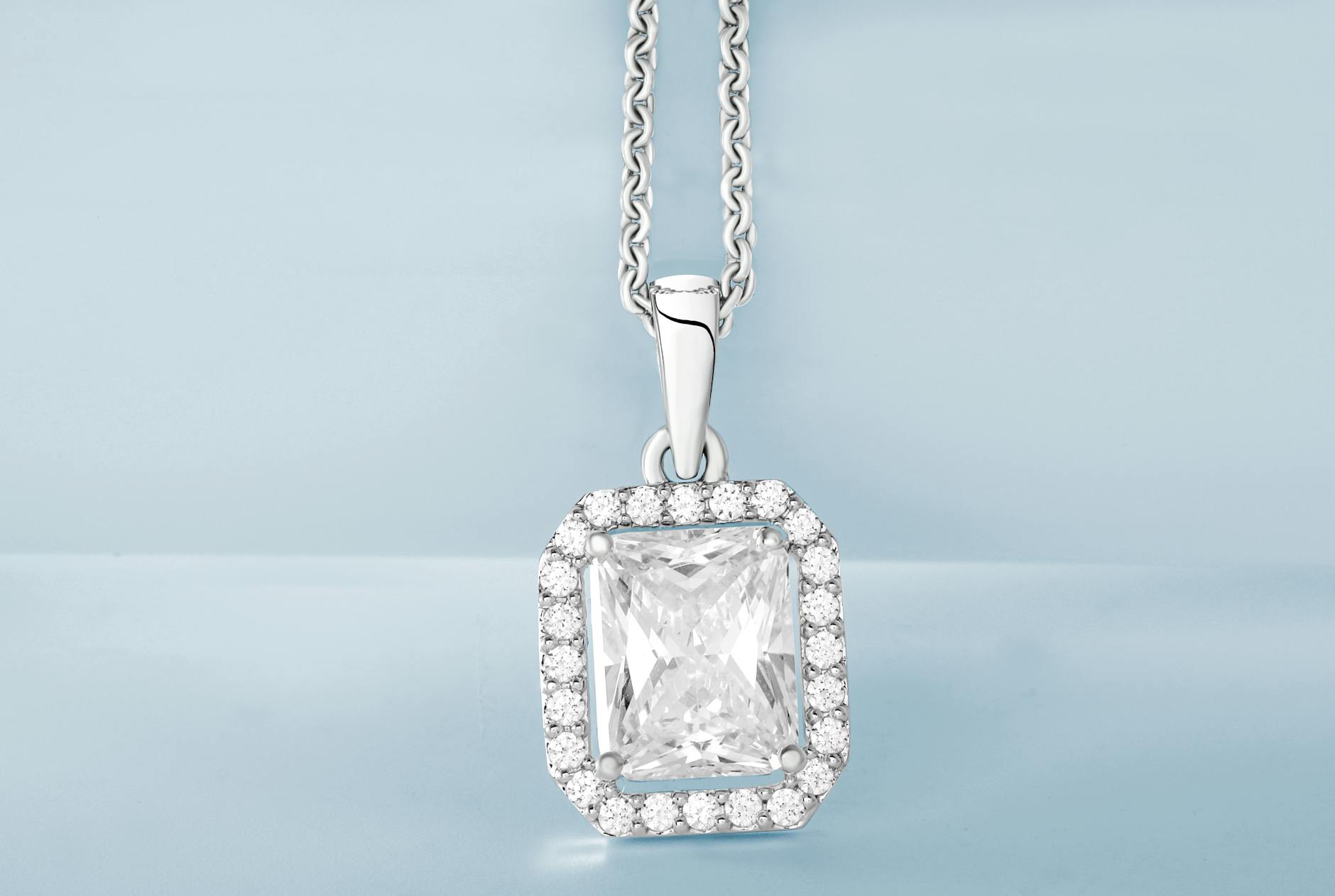
The fine jewelry market is undergoing one of its most significant supply chain disruptions in decades, and the vast majority of buyers have no idea it is happening. Since January 2024, G7 nations — which represent roughly 70 percent of the world’s non-industrial diamond market — have been phasing in sanctions against Russian diamonds, targeting an estimated EUR 4 billion per year in revenue from Alrosa, the Russian state-controlled mining giant responsible for approximately 30 percent of global rough diamond production. The diamonds sitting in jewelry store cases today are being sourced from fundamentally different pipelines than they were two years ago, but nothing on the price tag or certificate tells most consumers that. This invisible reshaping matters whether you buy diamond jewelry or not, because it is shifting how the entire fine jewelry industry thinks about sourcing, pricing, and transparency.
Russia supplied roughly 60 percent of India’s rough diamond imports, and India cuts and polishes around 65 percent of the world’s gem-quality diamonds. That means the sanctions are quietly disrupting the central nervous system of the global diamond trade. For shoppers exploring alternatives — gemstone jewelry, gold plated stainless steel pieces, jade collections — understanding this moment helps explain why the market looks the way it does right now, and where it might be heading next. This article breaks down the sanctions timeline, what is actually changing behind the scenes, why most buyers remain unaware, and what it means for anyone shopping for fine jewelry in 2026 — including why many women are rethinking whether diamonds need to be part of the conversation at all.
Explore our collection of handpicked jade jewelry at KartiKart — minimalist pieces built to last.
Table of Contents
- How Are Sanctions on Russian Diamonds Quietly Reshaping the Fine Jewelry Market?
- The Human Cost Behind the Supply Chain Shift
- What the Fine Jewelry Industry’s Traceability Problem Means for You
- Practical Alternatives When Diamond Sourcing Feels Uncertain
- Why the 2026 Sanctions Landscape Could Shift Again
- How Lab-Grown Diamonds Fit Into the Sanctions Picture
- What the Next Year Looks Like for Fine Jewelry Buyers
- Conclusion
How Are Sanctions on Russian Diamonds Quietly Reshaping the Fine Jewelry Market?
The sanctions did not arrive all at once. They rolled out in careful phases designed to tighten the grip gradually. On January 1, 2024, G7 members imposed a direct ban on diamonds exported from Russia.
By March 2024, that ban extended to Russian diamonds processed or polished in third countries, covering stones of 1.0 carat and above. September 2024 lowered the threshold to 0.5 carats and expanded the scope to include lab-grown diamonds, jewelry, and watches containing Russian-origin stones. As of January 1, 2026, a mandatory Due Diligence Statement on Diamond Origin is required on customs declarations for all in-scope polished diamond imports into the EU, with digital traceability and G7 tracking numbers now part of the process.
What makes this so hard to see from the consumer side is that the enforcement mechanism still relies heavily on self-declaration. The EU’s planned automated traceability system has been delayed multiple times and missed its January 2026 target. That means importers and exporters are largely reporting their own supply chain origins, and as JustSecurity has noted, diamonds are fungible goods that can be easily mixed in the supply chain — making the re-entry of Russian stones nearly invisible to end consumers.
The practical result is a fine jewelry market that looks the same on the surface but operates very differently underneath. Of approximately $15.5 billion in global rough diamond supply forecast for 2025, only about $12.5 billion is available to Western nations after accounting for sanctions. That three-billion-dollar gap is being filled by alternative sources, but the transition is anything but seamless.
The Human Cost Behind the Supply Chain Shift
The sanctions are not just a trade policy abstraction. India’s diamond cutting and polishing industry employs roughly 2 million people, and that workforce is feeling the squeeze directly. With Russian rough supply — once 60 percent of India’s imports — drying up, numerous factories in India’s diamond hub of Surat face gradual closure.
Workers who have spent careers mastering the craft of cutting and polishing are watching their industry contract in real time. This matters to fine jewelry buyers because India’s role in the supply chain is not easily replaced. When you purchase a polished diamond anywhere in the Western world, there is a strong chance it passed through Indian workshops.
As that pipeline narrows, the industry is scrambling to source rough diamonds from mines in Botswana, Canada, and Australia — but these alternatives do not fully compensate for the volume Russia provided. The result is tighter supply, longer lead times, and in some segments, upward pressure on prices that retailers may or may not pass along transparently. However, if you are shopping for fine jewelry in categories outside of diamonds — gemstones, jade, gold plated stainless steel, or sterling silver — this disruption has a different effect.
It is accelerating a trend that was already underway: consumers exploring beautiful, high-quality jewelry that does not depend on the diamond pipeline at all.
What the Fine Jewelry Industry’s Traceability Problem Means for You
One of the most striking aspects of the diamond sanctions is how little transparency actually reaches the person buying the ring or pendant. The Kimberley Process, the international certification scheme established in 2003 to prevent conflict diamonds from entering the market, was not designed to handle country-specific sanctions of this scale. And the newer G7 traceability framework that was supposed to fill the gap has been delayed twice, with governance concerns still unresolved between member nations as of early 2026.
The EU’s 16th sanctions package, expected in early 2026, was supposed to finalize the traceability mechanism. Instead, the industry publication Rapaport has raised what it calls “four questions the US must answer” on diamond sanctions, highlighting deep policy uncertainty. For fine jewelry shoppers, this means that even if you ask a retailer about the origin of a diamond, the answer you receive may be based on paperwork that no one has independently verified.
This is not to suggest that every diamond on the market is suspect. Many reputable jewelers work hard to maintain ethical supply chains. But it is a reminder that the systems meant to guarantee origin are still catching up to the policy, and the average buyer has almost no way to tell the difference.
If provenance and ethics matter to you, it is worth asking pointed questions — and worth considering whether your fine jewelry collection needs to center on diamonds at all.

Practical Alternatives When Diamond Sourcing Feels Uncertain
For women who want beautiful, thoughtful jewelry without navigating the murky waters of diamond traceability, the current moment actually opens up appealing options. Gemstone jewelry — jade, turquoise, amethyst, garnet — carries its own rich history and symbolism without the geopolitical baggage currently attached to diamonds. A piece of genuine jade, for instance, has been prized across cultures for thousands of years for its beauty and its association with harmony and balance.
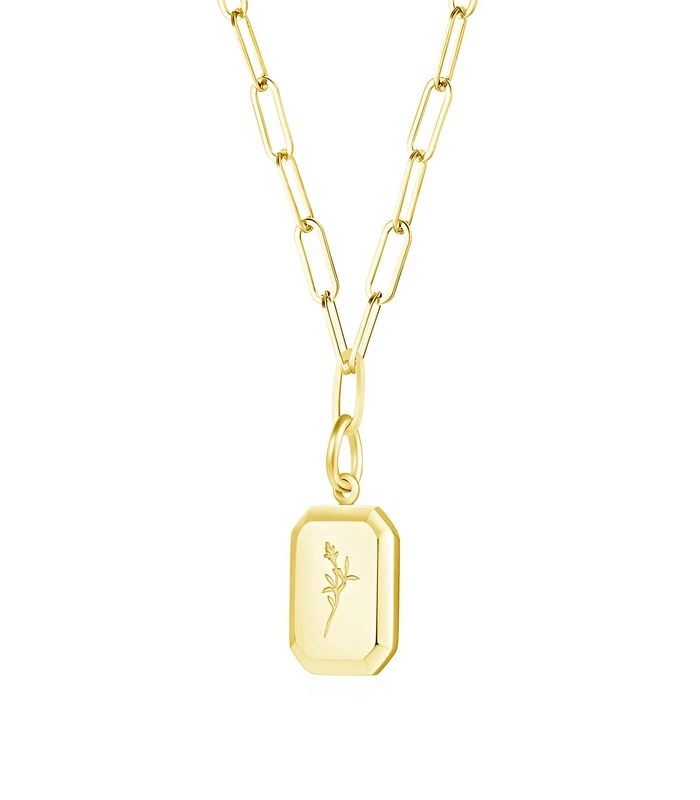
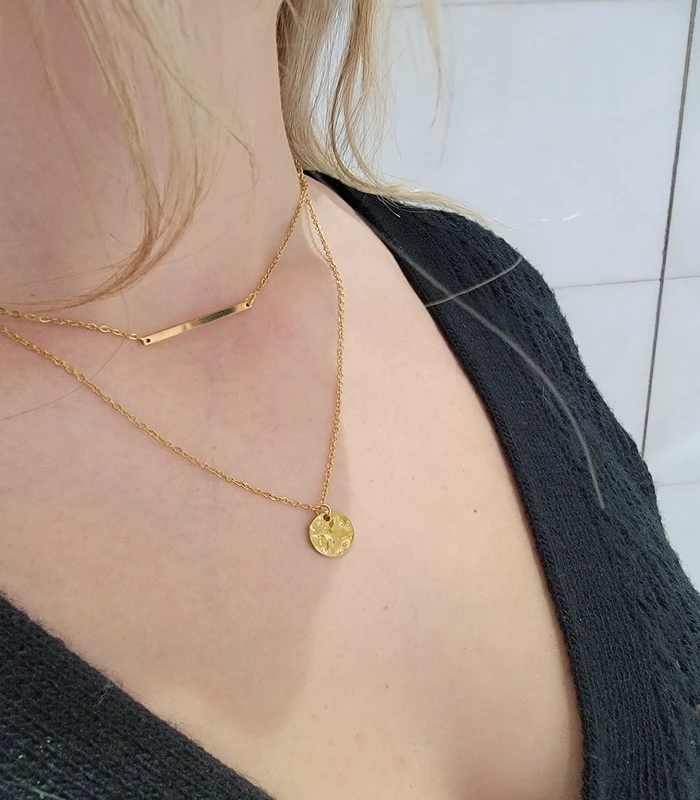
Then there is the question of metals. Solid gold fine jewelry remains a meaningful investment, but it comes at a price point that limits how often most women can refresh their collection. 18K Gold Plated Stainless Steel offers a genuinely smart alternative — modern plating technology has improved durability significantly, and the look is virtually identical to solid gold.
The advantage is not just price; it is versatility. You can own multiple pieces for different moods and outfits without the anxiety of wearing a four-figure bracelet to brunch. Where solid gold is about permanence, gold plated stainless steel is about freedom and variety.
The tradeoff is straightforward. Solid gold holds intrinsic metal value and lasts generations with minimal care. Gold plated pieces benefit from simple maintenance — storing them properly and keeping them dry — but they give you the ability to build a full, curated jewelry wardrobe at an accessible price point.
These are different approaches for different priorities, and neither one is the wrong choice.
Why the 2026 Sanctions Landscape Could Shift Again
Perhaps the most unsettling aspect of the current fine jewelry market is how quickly the rules might change again. The Trump administration has signaled intent toward easing or lifting sanctions on Russian diamonds, including potentially removing Alrosa from the sanctions list entirely. Industry analysts have noted that this would once again redefine industry dynamics — potentially lowering prices but complicating the traceability infrastructure that the G7 spent two years building.
The challenge, as JustSecurity analysis points out, is that unwinding diamond sanctions is far more complex than imposing them. Unlike oil, which moves through traceable pipelines and tankers, diamonds are small, high-value, and easily mixed. If Russian supply floods back into Western markets, there would be no practical way for consumers to distinguish newly sourced Russian stones from those already in circulation.
For fine jewelry buyers who care about ethical sourcing, this potential reversal adds another layer of uncertainty to an already opaque market. The warning here is direct: do not assume that current sourcing claims will remain stable. The provenance story attached to a diamond purchased in 2024 may not mean the same thing by 2027, depending on how sanctions evolve.
Building a jewelry collection around materials with clearer, simpler supply chains — gemstones, stainless steel, sterling silver — sidesteps this volatility entirely.
How Lab-Grown Diamonds Fit Into the Sanctions Picture
One detail that surprised many in the industry was the September 2024 expansion of the G7 ban to include lab-grown diamonds containing Russian-origin material. This matters because lab-grown diamonds had been marketed as the ethical, conflict-free alternative to mined stones. The inclusion of lab-grown in the sanctions framework is a reminder that supply chains are more interconnected than marketing suggests — and that fine jewelry buyers looking for simplicity may need to look beyond diamonds altogether.
Lab-grown diamonds still offer a compelling option for many buyers, but the sanctions expansion means that even this category now requires its own due diligence questions about sourcing and origin. The ground keeps shifting.
What the Next Year Looks Like for Fine Jewelry Buyers
The fine jewelry market in 2026 and into 2027 will be defined by two competing forces: the push for greater transparency and traceability on one side, and the political pressure to ease sanctions and restore supply on the other. For everyday buyers, the practical effect is that diamond pricing, availability, and origin claims will remain in flux for at least another year. This is a genuinely good moment to explore what else the jewelry world has to offer.
Women who diversify their collections — mixing gemstone pieces with 18K Gold Plated Stainless Steel, layering jade alongside sterling silver — are building wardrobes that do not depend on the outcome of geopolitical negotiations. That is not just a style choice. It is a practical one.
Looking for minimalist jade jewelry? Browse our full collection of necklaces, bracelets, earrings, and rings at KartiKart. Free shipping on all US orders.
Conclusion
The sanctions on Russian diamonds have rerouted the fine jewelry supply chain from mining to cutting to retail — but because enforcement relies on self-declaration and most consumers never see origin data, the shift remains largely invisible at the jewelry counter. Roughly 30 percent of the world’s rough diamond supply is caught in a geopolitical tug-of-war, and the traceability systems meant to keep consumers informed are still incomplete. Whether sanctions tighten or ease in the coming year, the uncertainty itself is the defining feature of the current diamond market.
For women building a jewelry collection they feel good about, the takeaway is practical. Ask questions about sourcing when buying diamonds, but also recognize that this is an excellent time to explore the full breadth of what fine jewelry can be — jade, gemstones, gold plated stainless steel, sterling silver. A beautiful collection does not need to hinge on a single stone whose journey from mine to counter has never been harder to trace. The smartest approach right now is variety, intention, and choosing pieces you love for what they are, not for what the industry tells you they should be worth.
You Might Also Like
- how to travel with jewelry without losing damaging or getting it stolen at the airport
- Why the Jewelry Industry Exposed to Lab Testing Fails More Than You ThinkWait, let me give you something cleaner and more natural:Why Most Jewelry Sold as Solid Gold Would Fail an Independent Lab Test
- Why Most Jewelry Marked Hypoallergenic Actually Contains the Metals That Irritate Your Skin