
How to Tell If Gold Plated Jewelry Needs Replating

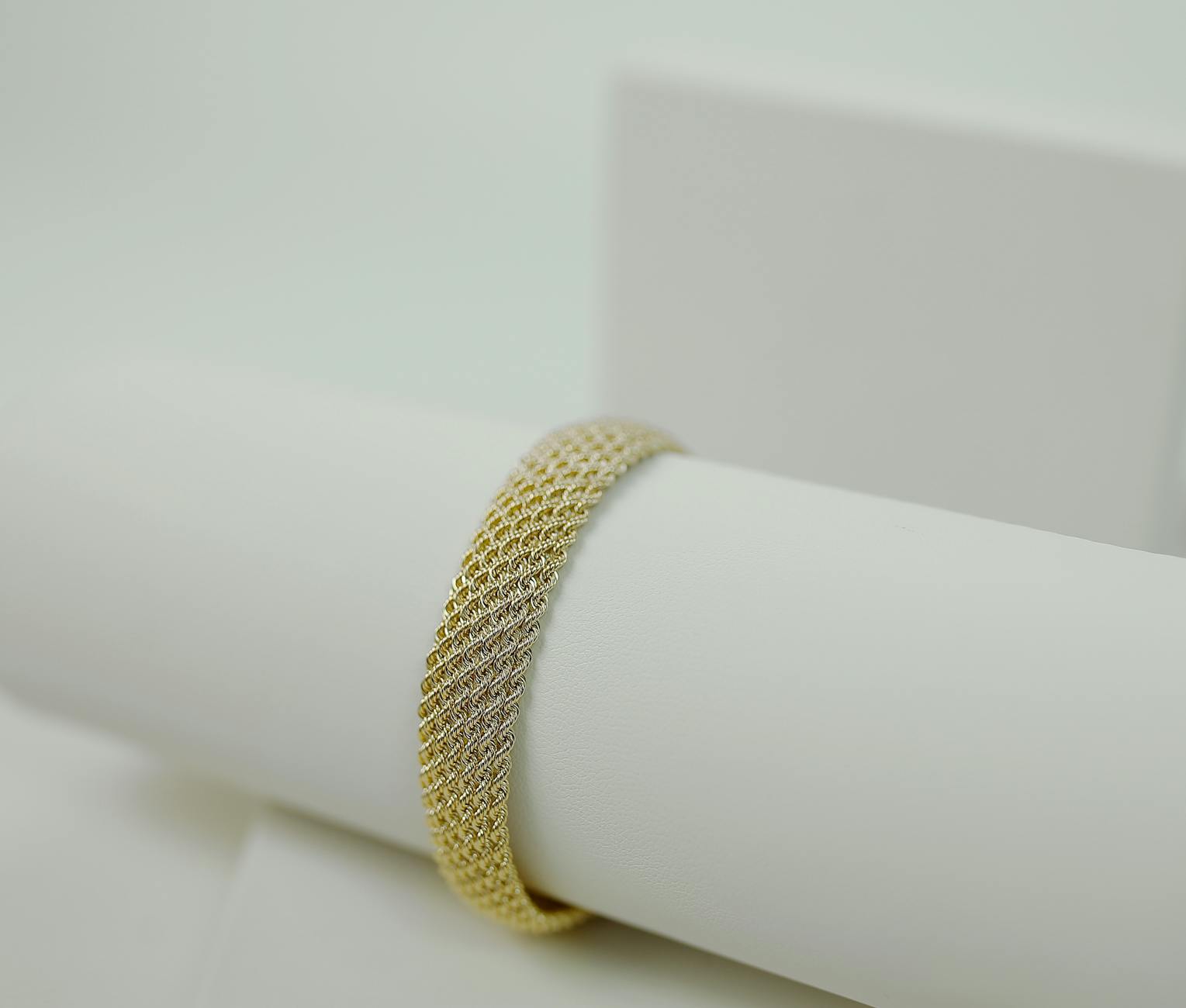
Gold replating signs are easier to spot than most people think. Your favorite pieces tell you when they need attention. The gold layer on plated jewelry gradually thins over time through normal wear. However, modern 18K gold plating on stainless steel lasts significantly longer than older methods. Knowing what to look for helps you maintain your collection beautifully. In most cases, small visual changes appear long before a piece looks noticeably worn. This guide walks you through the exact gold replating signs to watch for. You will also learn how modern plating technology keeps pieces looking fresh for years.
The Most Common Gold Replating Signs to Watch For
The first sign is usually a subtle color shift. Fresh 18K gold plating has a warm, rich tone. Over time, you may notice areas that appear slightly cooler or flatter. This happens gradually on high-friction spots first. For example, the clasp area on necklaces or the inner band on rings shows changes earliest.
Darker spots or slight discoloration indicate the plating has thinned in that area. The edges of a piece typically show gold replating signs before flat surfaces do. This is because edges experience more contact with skin and clothing throughout the day. A piece that looks uniformly bright still has plenty of life left.
Texture changes also reveal gold replating signs. A smooth surface that starts to feel slightly rough suggests the outer layer is wearing. However, with quality stainless steel underneath, your piece remains perfectly wearable during this stage. The base metal is hypoallergenic and durable on its own.
Understanding Gold Replating Signs Based on Plating Thickness
Gold plating thickness is measured in microns. According to Wikipedia’s overview of gold plating standards, thickness directly determines longevity. A 1-micron layer typically lasts one to two years with regular wear. Layers of 2.5 microns or more can last three to five years on low-friction pieces like pendants and earrings.
France requires a minimum of 3 microns for a piece to carry the “gold-plated” designation. Modern PVD (Physical Vapor Deposition) technology bonds gold at the molecular level. This creates a surface hardness of 1500 to 4500 on the Vickers scale. Traditional electroplating scores only 100 to 200 HV. The difference means modern plated pieces resist scratching far better than older jewelry.
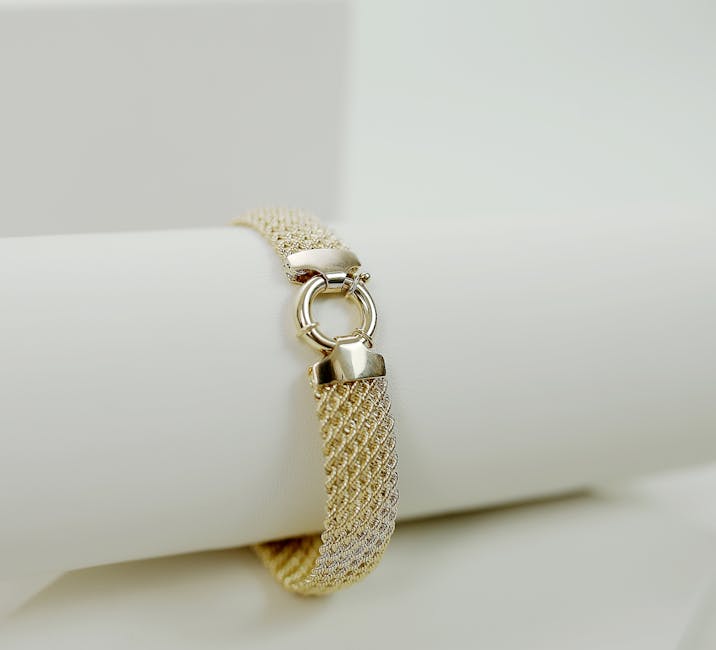
Gold replating signs appear much later on pieces made with PVD or thick-micron methods. For example, a quality 18K gold plated stainless steel bracelet worn daily may show minimal changes for two to three years. Necklaces and earrings last even longer because they experience less friction. Typically, rings and bracelets are the first items where you notice gold replating signs.
What Causes Gold Replating Signs to Appear Faster
Chemicals are the biggest enemy of gold plating. Perfume, hairspray, lotion, and cleaning products all accelerate thinning. However, avoiding these takes just ten seconds of awareness. Apply products first, then put your jewelry on last. This one habit dramatically extends the life of your pieces.
Sweat contains salts and acids that interact with the gold layer over time. Removing jewelry before workouts prevents unnecessary gold replating signs. Similarly, showering or swimming with plated pieces speeds up wear. Store pieces in a dry pouch or box when not wearing them. These are effortless habits that keep gold plating looking new.
Friction is the mechanical factor behind gold replating signs. Areas where metal touches skin constantly will thin first. Bangles that slide along the wrist show wear sooner than a stationary pendant. Stacking multiple bracelets creates metal-on-metal contact. In most cases, rotating your pieces gives each one a break and extends their overall lifespan.
Modern Plating Technology Makes Gold Replating Signs Less Common
The jewelry industry has advanced dramatically from the thin flash-plating of decades past. As GIA’s resource on gold explains, modern techniques create far more durable bonds between gold and base metals. PVD coating uses a vacuum chamber to deposit gold atoms one by one onto stainless steel. The result is a scratch-resistant, tarnish-resistant finish designed for everyday wear.
This is why 18K gold plated stainless steel is the smart choice for building a versatile collection. For the price of one solid gold bracelet, you can own five beautifully crafted pieces. Each one looks identical to solid gold. When gold replating signs eventually appear after years of wear, professional replating costs between fifty and one hundred fifty dollars. Many jewelers complete the process in under a week. Your piece returns looking brand new.
Frequently Asked Questions
How often does gold plated jewelry need replating?
With modern plating methods and proper care, most pieces last two to five years before showing significant gold replating signs. Low-friction items like pendants and earrings last longest. High-friction items like rings may need attention sooner.
Can you replate gold jewelry at home?
Home replating kits exist but produce inconsistent results. Professional jewelers use controlled electroplating baths that bond gold evenly. For best results, take your piece to a professional when you notice gold replating signs appearing.
Does the base metal matter for how long plating lasts?
Absolutely. Stainless steel is one of the best base metals for gold plating. It resists corrosion, does not react with skin, and provides a smooth surface for gold to bond to. As noted by the Smithsonian, gold bonds most durably to non-reactive metals. This makes stainless steel ideal for long-lasting plated jewelry.
Shop Jewelry at KartiKart
Explore our collection of handcrafted 18K Gold Plated Stainless Steel jewelry. Every piece is designed for everyday elegance at an accessible price point.
Best Sellers · Earrings · Bracelets
Sources & Further Reading
For verified gemstone and jewelry information:
Content last reviewed April 2026. If you notice any outdated information, please contact us.