Why Jade Gets Better With Age and How Wearing Changes the Stone

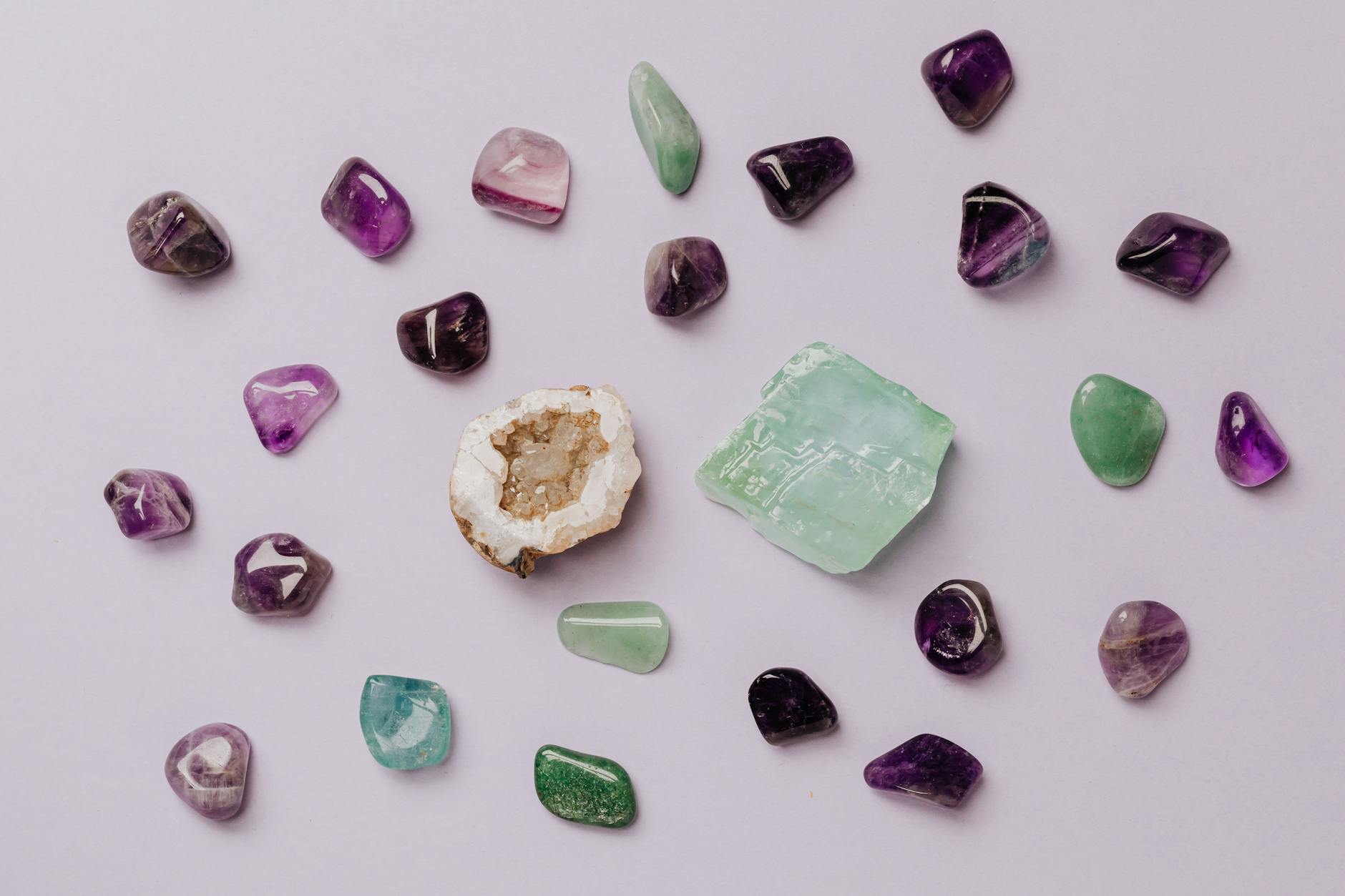
Jade aging process is one of the most fascinating phenomena in the gemstone world. Unlike most stones that simply endure time, jade actually improves with wear. The Chinese have a saying: “People nourish jade, and jade nourishes people.” This captures a tradition stretching back thousands of years. Jade is a polycrystalline aggregate, meaning it contains microscopic pores between interlocking mineral fibers.
When worn against skin, body heat and natural oils gradually penetrate these tiny spaces. The result is a deeper luster and a warmer glow that new jade simply cannot replicate. For example, heirloom jade pieces passed through generations are considered far more beautiful — and valuable — than freshly polished stones. This is why jade collectors prize old pieces above all else. The stone rewards patience and loyalty in a way few gems can match.
What Happens During the Jade Aging Process
The jade aging process begins the moment you start wearing a piece regularly. New jade jewelry typically has a wax coating applied during the final polishing stage. This wax fills microscopic surface pores and adds initial shine. However, over weeks and months of daily wear, that coating gradually wears away. Once exposed, the stone’s natural surface begins interacting with your skin.
Your body operates at roughly 98.6°F. This constant warmth helps natural skin oils penetrate the jade’s surface pores more effectively. According to GIA’s gemological description of jade, jadeite rates 6.5 to 7 on the Mohs hardness scale while nephrite rates 6 to 6.5. Both types are exceptionally tough. Nephrite, in particular, has a fibrous structure with more microscopic spaces between fibers. This makes nephrite especially receptive to the jade aging process through oil absorption.
It is important to note what does not change. The stone’s internal crystal structure and chemical composition remain stable. Mason-Kay, one of America’s most respected jade houses, confirms that jade’s color is chemically constant. The changes you see are surface phenomena — real and observable, but not deep structural shifts. Typically, daily wearers notice a warmer appearance within six months to a year.
The Jade Aging Process Across Jadeite and Nephrite
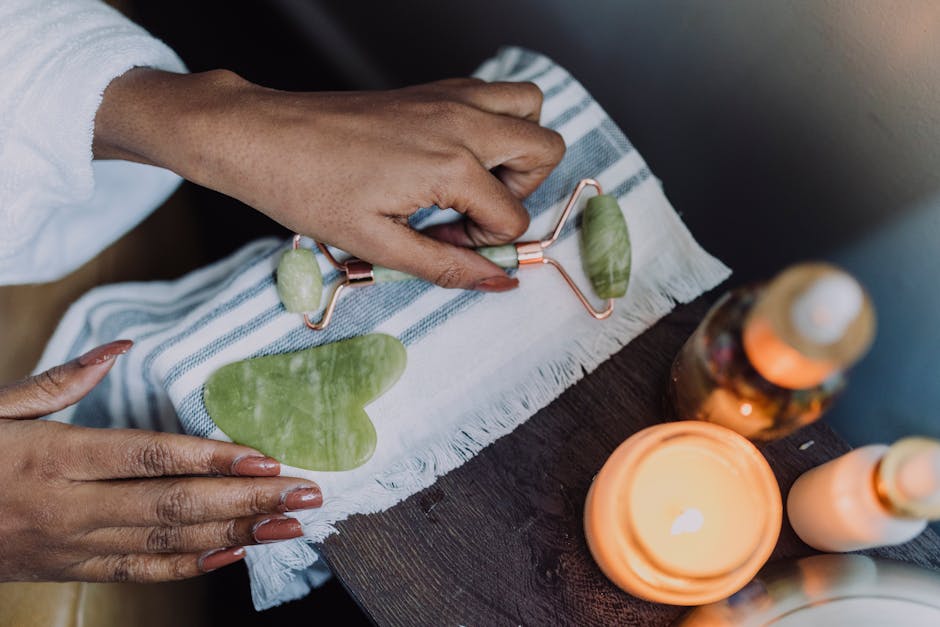
Not all jade responds to wearing in the same way. There are two distinct minerals sold as jade: jadeite and nephrite. Understanding both helps you appreciate the jade aging process for each type. Jadeite is denser and more glass-like. It absorbs less oil from the skin. However, its semi-transparency means even subtle surface changes affect how light passes through. Over time, jadeite can appear to glow more richly.
Nephrite has a fibrous, felt-like crystal structure. According to Wikipedia’s entry on nephrite, its fracture toughness reaches approximately 225,000 PSI — nearly twice that of jadeite. This density of interlocking fibers creates more microscopic spaces for oil absorption. In most cases, nephrite is the type most associated with the traditional Chinese practice of “yang yu,” or raising jade. Nephrite was the jade used in China for thousands of years before Burmese jadeite became popular in the mid-Qing Dynasty.
The jade aging process timeline varies by stone type. Oilier skin speeds the effect. Nephrite bangles worn daily for two to five years typically develop a noticeable patina. Jadeite may take longer but rewards the wearer with increased luminosity. After a decade or more, both types display a depth and warmth that collectors call “skin.”
Cultural Meaning Behind the Jade Aging Process
In Confucian tradition, jade represents virtue itself. Confucius identified virtues embodied in jade: benevolence, righteousness, wisdom, courage, and integrity. A cultivated person was expected to always wear jade. The philosopher reportedly said a gentleman never parts with his jade without good reason. This cultural weight makes the jade aging process more than cosmetic — it becomes a personal bond between wearer and stone.
Ancient jade that has been buried for centuries develops surface alterations called “qin se.” Minerals from surrounding soil seep into the stone over hundreds of years, creating unique color patterns. The Smithsonian’s National Museum of Asian Art holds pieces from the Neolithic Liangzhu culture dating back to approximately 3300 B.C. These surviving jades prove the stone endures for millennia. For jade enthusiasts, this extraordinary longevity is central to the jade aging process and its cultural significance.
How to Support the Jade Aging Process With Proper Care
Wear your jade daily. Consistent contact with skin is the single most important factor. Remove it before showering or swimming, as harsh chemicals can interfere with the natural patina development. Store jade pieces separately to prevent scratches from harder gemstones. A soft cloth pouch works perfectly.
Gently wipe your jade with a damp cloth every few weeks. This removes surface dust without stripping the oils that contribute to the jade aging process. Avoid ultrasonic cleaners or steam cleaning. If you pair jade with gold-plated stainless steel settings, the care routine aligns beautifully. Modern 18K gold plating on stainless steel is scratch-resistant and hypoallergenic — a quick wipe after wearing keeps both the metal and the stone looking their best. These easy maintenance habits take about ten seconds and protect your investment for years.
Frequently Asked Questions
Does jade actually change color over time?
The jade aging process does not chemically alter the stone’s color. However, the surface genuinely evolves as natural skin oils fill microscopic pores. This creates a deeper luster and warmer appearance that many people perceive as a color shift.
How long does it take to notice the jade aging process?
Most daily wearers report visible changes within six months to one year. A noticeable patina typically develops after two to five years. Heirloom pieces worn for decades show the most dramatic improvement in warmth and translucency.
Is nephrite or jadeite better for long-term wear?
Nephrite is more receptive to the jade aging process due to its fibrous crystal structure. It is also nearly twice as tough as jadeite, making it more forgiving for everyday wear. However, both types reward consistent wearing with improved beauty over time.
Shop Jewelry at KartiKart
Explore our collection of handcrafted 18K Gold Plated Stainless Steel jewelry. Every piece is designed for everyday elegance at an accessible price point.
Best Sellers · Earrings · New Arrivals
Sources & Further Reading
For verified gemstone and jewelry information:
Content last reviewed April 2026. If you notice any outdated information, please contact us.