How Jade Became the Most Sacred Stone in Chinese Culture

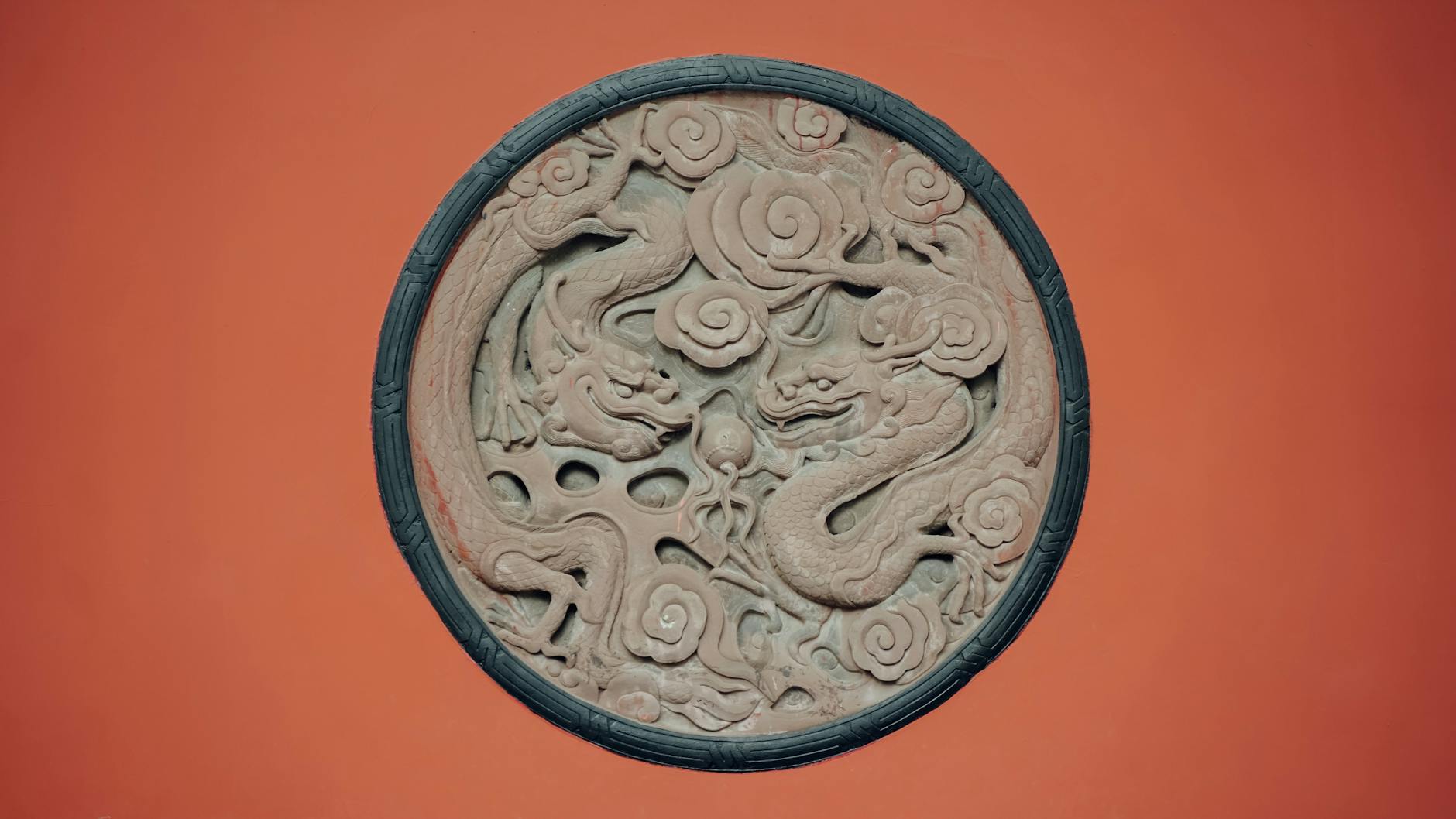
Jade chinese culture has a history spanning more than 7,000 years. Long before diamonds or gold became status symbols in the West, jade held the highest place of honor in China. Ancient artisans carved it into ritual objects during the Neolithic period. Confucian philosophers tied it to human virtue.
Emperors collected it obsessively. Even today, the Chinese saying “gold has a price, jade is priceless” reflects how deeply this stone is woven into the national identity. No other gemstone in history has carried so much spiritual, moral, and artistic weight for a single civilization. Understanding why jade matters so much reveals something beautiful about how cultures assign meaning to the natural world.
The Ancient Origins of Jade Chinese Culture
The earliest jade-working cultures in China date to roughly 5000 BCE. The Liangzhu civilization, located in the Yangtze River Delta, produced stunning jade bi discs and cong tubes between 3300 and 2300 BCE. These flat circular discs with central holes symbolized heaven itself. Archaeologists have found them placed carefully in tombs, however their exact ritual purpose is still debated. By the Shang Dynasty (1600–1046 BCE), jade had become essential for ceremonial weapons and religious objects.
The Zhou Dynasty (1046–256 BCE) marked a turning point for jade chinese culture. This was when Confucius formally linked jade to moral philosophy. In the Book of Rites, he identified five virtues embodied by the stone. Benevolence was reflected in its warmth. Righteousness showed through its translucency. Wisdom rang in its clear tone when struck. Courage appeared because jade can break but never bend. Integrity was seen in its edges that do not harm others. For example, a gentleman was expected to wear jade at all times as a reminder of these ideals.
Two Types of Jade in Chinese Culture: Nephrite and Jadeite
Most people do not realize that “jade” actually refers to two different minerals. Nephrite was the original stone of jade chinese culture for over 5,000 years. It was sourced primarily from Hetian in the Xinjiang region. The most prized variety was “mutton fat” jade, a creamy white nephrite with a soft, warm glow. Chinese artisans also favored celadon green varieties. Nephrite scores 6 to 6.5 on the Mohs hardness scale, making it remarkably tough for carving.
Jadeite arrived much later. It entered China from Burma in the late 1700s, typically during the reign of Emperor Qianlong. In most cases, jadeite is slightly harder than nephrite, scoring 6.5 to 7 on the Mohs scale. The vivid emerald-green variety known as “Imperial jade” quickly became the most valuable. According to the Gemological Institute of America, top-quality jadeite can exceed diamonds in per-carat price. A famous Hutton-Mdivani jadeite necklace sold for $27.44 million at Sotheby’s in 2014.

Jade Chinese Culture Through Famous Artifacts
Some of the most extraordinary artifacts in Chinese history are made from jade. The jade burial suit of Prince Liu Sheng, who died in 113 BCE during the Western Han Dynasty, consists of 2,498 jade plaques sewn together with gold wire. Discovered in 1968 in Hebei province, it reflects the belief that jade could preserve the body after death. This artifact now sits in the Hebei Provincial Museum. It demonstrates how jade chinese culture extended beyond decoration into beliefs about immortality.
Another iconic piece is the Jadeite Cabbage, a Qing Dynasty carving housed in Taiwan’s National Palace Museum. It is one of the most visited jade objects in the world. The Smithsonian has documented how jade carvings became increasingly elaborate through each dynasty. From simple Neolithic pendants to intricate Qing masterpieces, the evolution of jade chinese culture mirrors China’s artistic development over millennia.
Jade in Modern Chinese Jewelry and Gift-Giving
Today, jade chinese culture remains vibrant. Jade bangles are traditionally passed from mother to daughter, especially at weddings. They symbolize protection, continuity, and family bonds. Jade pendants featuring Buddha or Guanyin motifs are worn daily for luck. However, modern wearers are also pairing jade with contemporary metals. Gold-plated stainless steel settings, for example, offer a beautiful way to showcase jade-inspired colors while keeping pieces lightweight and hypoallergenic. Modern 18K gold plating technology creates a rich, warm tone that complements green and white jade tones perfectly.
Mixing jade aesthetics with modern jewelry is a growing trend. Stainless steel pieces with jade-inspired green enamel or stone accents let you enjoy the symbolism of jade chinese culture in an everyday accessory. The key is choosing quality plating that resists scratching and tarnish. Typically, 18K gold plated stainless steel holds up beautifully with simple care habits. Store pieces separately and remove them before showering. These 10-second routines keep your jewelry looking flawless for years.
Frequently Asked Questions
Why is jade more important than gold in Chinese culture?
In jade chinese culture, the stone represents moral virtue, spiritual protection, and immortality. Gold was valued for its rarity, but jade carried deeper philosophical meaning. Confucius himself ranked jade above all other materials for its symbolic connection to human character.
What is the difference between nephrite and jadeite?
Nephrite is the original jade of Chinese tradition, used for over 5,000 years. Jadeite arrived from Burma in the 1700s and is slightly harder. In most cases, the vivid green “Imperial jade” variety of jadeite commands the highest prices in jade chinese culture today.
How can I incorporate jade symbolism into my jewelry collection?
You can wear actual jade pendants or bangles for traditional meaning. However, jade chinese culture also inspires modern designs. Gold-plated stainless steel pieces with green accents or jade-toned stones capture that same elegance. They pair beautifully with minimalist gold jewelry for a layered, meaningful look.
Shop Jewelry at KartiKart
Explore our collection of handcrafted 18K Gold Plated Stainless Steel jewelry. Every piece is designed for everyday elegance at an accessible price point.
Necklaces · New Arrivals · Bracelets
Sources & Further Reading
For verified gemstone and jewelry information:
Content last reviewed April 2026. If you notice any outdated information, please contact us.