Jade for Beginners: Your First Piece and What to Look For

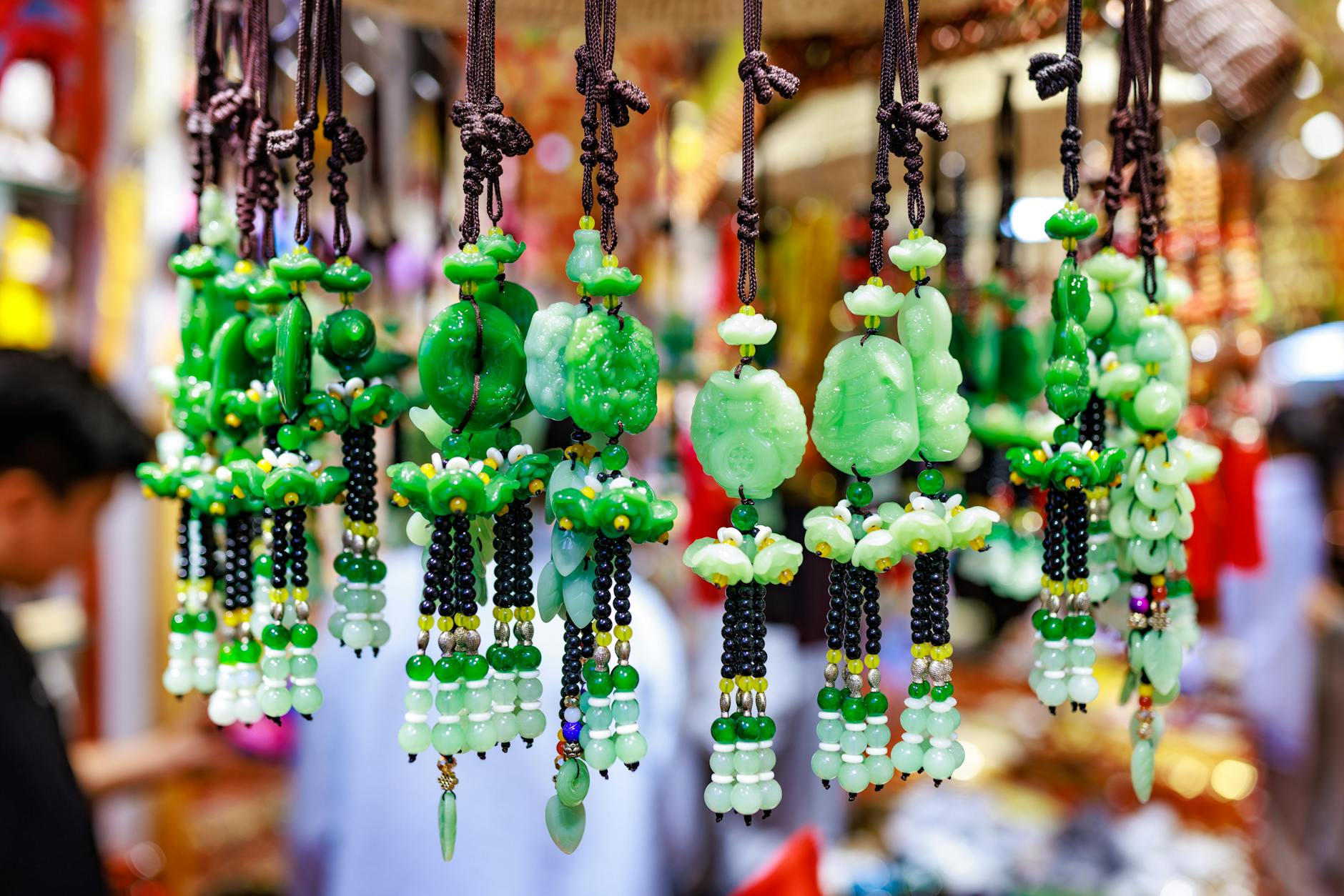
Jade for beginners can feel overwhelming at first. This gemstone has been treasured for over 7,000 years across cultures. It comes in dozens of colors. Prices range from $5 to over $3 million per carat.
However, understanding the basics is simpler than you might think. Whether you want a delicate pendant or a classic bangle, knowing a few key facts will help you shop with confidence. Jade for beginners starts with one essential truth: there are actually two different minerals sold under the name “jade.” Once you understand that distinction, everything else falls into place. This guide covers what to look for, how to spot fakes, and how to care for your first piece of jade jewelry.
Jade for Beginners: Understanding the Two Types
The word “jade” refers to two separate minerals. Jadeite is a pyroxene mineral made of sodium aluminum silicate. Nephrite is an amphibole mineral made of calcium magnesium iron silicate. French mineralogist Alexis Damour identified this difference in 1863. For most of history, people treated them as one stone. Today, the Gemological Institute of America (GIA) recognizes both as true jade.
Jadeite is the rarer and more valuable of the two. It ranks 6.5 to 7.0 on the Mohs hardness scale. It comes in greens, lavenders, reds, oranges, yellows, and whites. The most prized variety is “Imperial Jade.” This is a vivid, semi-transparent emerald green colored by chromium. In most cases, jadeite is what high-end jewelers are selling. Nephrite, typically, appears in creamy whites and dark greens. It ranks 6.0 to 6.5 on the Mohs scale. However, nephrite is actually tougher than jadeite. Its interlocking fibrous structure resists breaking extremely well.
For example, jade for beginners often means starting with nephrite. It is more affordable and widely available. Quality nephrite pieces range from $20 to $500. Jadeite commands significantly higher prices. A fine jadeite bangle can cost anywhere from $5,000 to over $500,000. Knowing which type you are buying is the first step to making a smart purchase.
What to Look for When Buying Your First Jade Piece
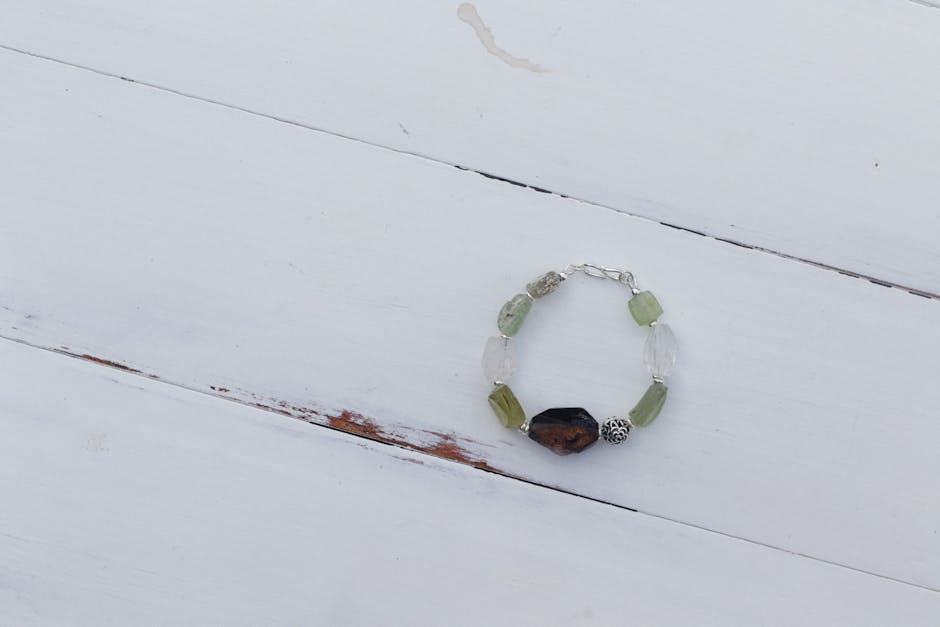
Jade for beginners requires understanding four quality factors. Color matters most. For jadeite, an evenly distributed vivid green is the gold standard. Lavender is the second most valued color. For nephrite, the prized “mutton fat” white from China’s Hetian region commands top prices. In all cases, look for even color without blotchy patches.
Translucency is the second factor. Semi-transparent jade with a soft inner glow is most desirable. The trade calls this quality “water.” Opaque pieces are more common and less expensive. Texture is the third factor. Fine-grained jade feels smooth and silky. Coarse-grained jade looks grainy under close inspection. Typically, finer texture means higher value.
Treatment grade is critical for jade for beginners. Type A jade is natural and untreated. This is what you want. Type B jade has been bleached with acid and filled with polymer resin. Type C jade has been dyed. Both B and C types are structurally weaker and worth far less. Always ask the seller about treatment status. For any significant purchase, request a gemological laboratory report from a reputable lab like GIA.
How to Spot Fake Jade: A Jade for Beginners Checklist
Several common stones are sold as jade to unsuspecting buyers. Serpentine is often labeled “new jade” or “olive jade.” Aventurine quartz gets called “Indian jade.” Neither is real jade. Glass, plastic, and dyed marble also appear in tourist markets worldwide. Jade for beginners means learning a few simple tests before you buy.
The temperature test is the easiest. Hold the stone against your cheek. Real jade feels noticeably cool and warms slowly. Plastic and resin warm up almost instantly. The weight test helps too. Jade is dense. It should feel heavier than it looks in your hand. For bangles, try the sound test. Tap two jade bangles together gently. Real nephrite produces a clear, resonant, bell-like tone. Fake materials sound dull and flat.
However, no home test is 100% reliable. The only definitive method is laboratory analysis using spectroscopy. For affordable pieces under $100, home tests offer reasonable confidence. For anything expensive, invest in a professional certificate. Red flags include prices that seem too good, perfectly uniform color with no natural variation, and sellers who will not let you handle the piece. Jade for beginners is about building knowledge before spending big.
Caring for Jade Jewelry and Pairing It with Gold
Jade is remarkably durable for everyday wear. Clean it with warm soapy water and a soft brush. Avoid ultrasonic and steam cleaners. Store jade pieces in a soft pouch, separated from harder stones like diamonds or sapphires that could scratch the surface. Remove jade bangles before heavy physical activity. These simple habits take just seconds and keep your jade looking beautiful for decades.
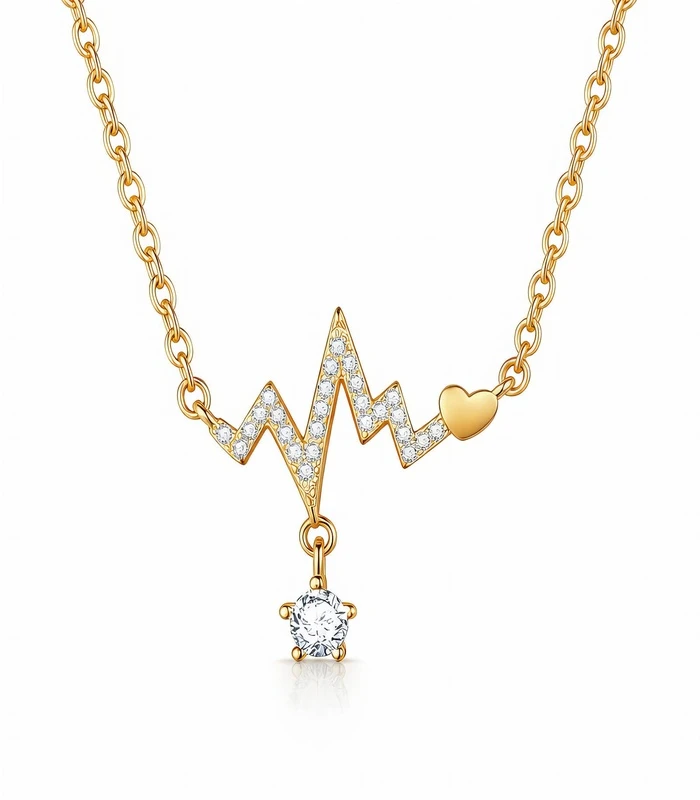
Jade pairs beautifully with gold settings. In Chinese tradition, jade set in gold symbolizes prosperity and protection. For modern styling, consider pairing a jade pendant with 18K gold plated stainless steel chains and bracelets. The warm gold tone complements jade’s cool greens perfectly. Gold plated stainless steel pieces let you build a versatile collection around your jade. You can own multiple chain styles, layering pieces, and bracelets for the price of a single solid gold chain.
Jade’s cultural significance spans over 7,000 years across Chinese, Mesoamerican, and Māori civilizations. Wearing it connects you to one of humanity’s oldest jewelry traditions. Jade for beginners is not just about buying a stone. It is about joining a story that stretches back millennia.
Frequently Asked Questions
What is the best type of jade for beginners to buy first?
Nephrite jade is the best starting point for jade for beginners. It is more affordable, widely available, and extremely durable. A quality nephrite pendant or small bangle typically costs $20 to $200. Start with Type A (untreated) nephrite to learn what real jade looks and feels like.
How can I tell if my jade jewelry is real?
Hold the jade against your cheek. Real jade feels cool and warms slowly. Check the weight. Jade for beginners means knowing that genuine jade feels heavier than it looks. For purchases over $100, always request a gemological certificate from a recognized laboratory.
Does jade need special care compared to other jewelry?
Jade is one of the toughest gemstones and handles daily wear well. Clean it with warm soapy water and a soft brush. Store it separately from harder stones. These quick care steps keep jade for beginners and experienced collectors alike looking its best for years.
Shop Jewelry at KartiKart
Explore our collection of handcrafted 18K Gold Plated Stainless Steel jewelry. Every piece is designed for everyday elegance at an accessible price point.
Bracelets · Best Sellers · Earrings
Sources & Further Reading
For verified gemstone and jewelry information:
Content last reviewed April 2026. If you notice any outdated information, please contact us.