Complete Guide to Jade Jewelry: History, Types, and How to Buy in 2026

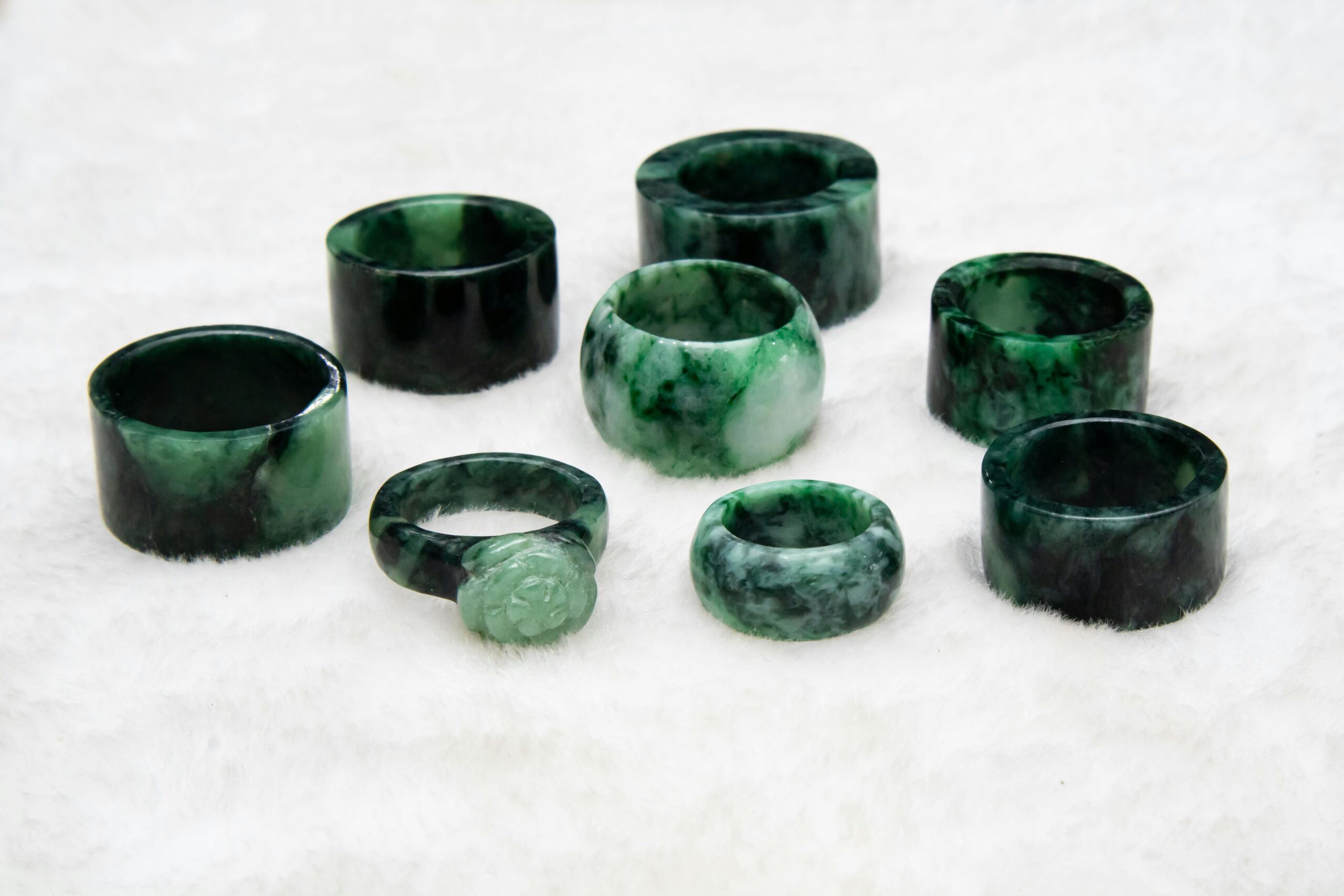
Jade jewelry guide — this is the definitive resource for anyone who wants to understand, appreciate, and confidently buy jade in 2026. Whether you are drawn to jade for its deep cultural roots, its stunning natural beauty, or its investment potential, this jade jewelry guide covers everything you need to know. From the ancient emperors of China to modern runway trends, jade has captivated humanity for over 7,000 years. This jade jewelry guide will walk you through every essential detail.
Table of Contents
What Is Jade Jewelry?
Any jade jewelry guide must start with a fundamental fact that surprises most people. Jade is not a single mineral. It is a name shared by two completely distinct minerals: nephrite and jadeite. French mineralogist Alexis Damour made this discovery in 1863, after centuries of both stones being traded under one name.
Jadeite is a sodium aluminum silicate belonging to the pyroxene mineral group. It features tightly packed granular crystals and a vitreous, glassy luster. Jadeite is rarer, found in fewer locations worldwide, and generally commands higher prices than nephrite.
Nephrite is a calcium magnesium iron silicate belonging to the amphibole mineral group. Its interwoven fibrous crystals create an incredibly dense, matted texture. This structure makes nephrite one of the toughest natural gemstones on Earth — even tougher than jadeite when it comes to resisting fracture.
Both minerals are used extensively in jewelry, from delicate pendants and earrings to bold bangles and carved statement pieces. A proper jade jewelry guide will help you understand which type suits your needs, budget, and aesthetic preferences.
Related reading: Nephrite vs Jadeite: The Great Debate | Gems Around the Globe
Nephrite vs Jadeite Explained
Understanding the difference between nephrite and jadeite is crucial knowledge in any jade jewelry guide. While both are genuine jade, they differ in composition, hardness, value, and appearance.
Jadeite scores 6.5 to 7.0 on the Mohs hardness scale, while nephrite scores 6.0 to 6.5. However, nephrite is actually tougher — more resistant to breaking — thanks to its interlocking fibrous crystal structure. This is why ancient civilizations preferred nephrite for tools and weapons.
Jadeite offers a wider color range, including vivid greens, lavender, white, yellow, orange, and even blue. Nephrite typically appears in shades of green, creamy white, brown, and black. The most valuable jade in existence is imperial green jadeite, which can sell for millions per carat.
Myanmar supplies over 95 percent of gem-quality jadeite, primarily from the Hpakan mining district. Nephrite sources are more widespread, including China’s Xinjiang region (famous for Hetian “mutton fat” jade), Canada, Russia, New Zealand, and Australia.
Jadeite has a specific gravity of 3.30 to 3.38, noticeably heavier than nephrite at 2.90 to 3.03. This density difference is one way gemologists distinguish between the two stones — a key detail in this jade jewelry guide.
Related reading: Nephrite vs Jadeite: The Great Debate | Understanding Doublet Jewelry
History of Jade Across Cultures
No jade jewelry guide would be complete without exploring jade’s extraordinary cultural significance across civilizations spanning thousands of years.
China: The Imperial Gem
Jade use in China dates back approximately 7,000 to 8,000 years to the Neolithic period. The Hongshan culture (4700–2200 BCE) produced iconic jade pig-dragons, while the Liangzhu culture (3400–2250 BCE) created the famous bi discs and cong tubes used in ritual ceremonies.
Confucius compared jade’s qualities to human virtues: its warmth to benevolence, its clarity to wisdom, its hardness to righteousness. During the Han Dynasty, emperors were buried in jade suits sewn with gold wire. The tomb of King Liu Sheng, discovered in 1968, contained a suit of 2,498 individual jade pieces that took an estimated ten years to create.
The Smithsonian’s Freer Gallery of Art houses one of the world’s finest collections of Chinese jades, including over 150 jade discs from the Liangzhu culture. This jade jewelry guide draws on that scholarly tradition to help modern buyers appreciate what they are purchasing.
Mesoamerica: More Precious Than Gold
The Olmec, Maya, and Aztec civilizations valued jade above all other materials — including gold. The Maya created elaborate jade burial masks for their kings, most famously the jade mask of Pakal at Palenque. All Mesoamerican jadeite came from the Motagua Valley in present-day Guatemala.
When Spanish conquistadors arrived, they were astonished to find that the Aztecs valued jade many times more than its weight in gold. The Olmec preferred a distinctive bluish variety now known as “Olmec Blue.”
New Zealand, Korea, and Europe
The Maori of New Zealand call nephrite jade “pounamu” and consider it a protected national treasure under the Treaty of Waitangi. Pounamu taonga increase in mana (spiritual prestige) as they pass through generations. The most prized pieces have known histories spanning many generations and were exchanged to seal important agreements between tribes.
In Korea, jade carving reached its peak during the Joseon dynasty (1392–1897). Jade gogok — comma-shaped carved beads — symbolize ripe fruits and represent fertility and abundance. The famous Silla Kingdom gold crowns feature dangling green jade ornaments representing prosperity and life force.
Even in Neolithic Europe, jadeite axes quarried from the Italian Alps were traded across distances exceeding 1,500 kilometers. Approximately 1,700 jadeite axe-heads from Monte Viso and Monte Beigua have been found from Scandinavia to the Iberian Peninsula. These jade axes served as prestigious exchange items between agrarian societies for over 2,000 years.
Related reading: The Ancient Jade Smuggling Trade | Chinese Emperors Buried With Jade | White Jade on the Silk Road
Types of Jade Colors and Their Meanings
A thorough jade jewelry guide must cover the remarkable spectrum of colors that jade offers, each carrying its own symbolism and value.
Green Jade
The most iconic jade color. Green jade symbolizes growth, prosperity, vitality, and yang energy. Colors range from pale celadon to deep forest green. The trace element chromium creates the finest green in jadeite. Green jade remains the most popular choice worldwide.
Imperial Green Jade
The most valuable variety of all jade. Imperial green is characterized by vivid, saturated emerald green with no hint of gray, combined with exceptional translucency. Found only in jadeite, imperial green can command millions of dollars per carat. It was historically reserved for Chinese royalty.
White and Mutton Fat Jade
White jade symbolizes purity, serenity, and wisdom. “Mutton fat” jade is a prized nephrite variety with a warm, creamy translucent quality. The finest examples come from Hetian in Xinjiang, China, and are among the most sought-after nephrite specimens in this jade jewelry guide.
Lavender, Black, Yellow, and Red Jade
Lavender Jade
Lavender jade ranks second only to green in jadeite value. Its ethereal color comes from manganese and iron traces. Lavender jade is associated with serenity, spiritual awareness, and emotional healing. Shades range from soft lilacs to deep plums. Found only in jadeite, not nephrite, lavender jade has become increasingly popular in this jade jewelry guide’s recommended collections.
Black, Yellow, and Red Jade
Black jade symbolizes protection and grounding. It is believed to ward off negativity and invite good fortune. Its dark color comes from iron or graphite inclusions. Yellow jade represents happiness, prosperity, and loyalty — important virtues in Chinese tradition. Red jade symbolizes strength, passion, and vital energy. Its vibrant color comes from iron content and is associated with enhancing chi, or life-force energy.
Related reading: Jade Carving Techniques and Traditions | Ethical Jewelry: What to Know
How to Tell Real Jade from Fake
Every jade jewelry guide worth reading must address authentication. The jade market is rife with imitations, and knowing how to spot fakes can save you thousands of dollars.
At-Home Tests
The scratch test relies on jade’s Mohs hardness of 6.0 to 7.0. A steel knife (5.0 Mohs) cannot scratch genuine jade. If steel leaves a mark, the stone is not real jade. The temperature test exploits jade’s thermal properties — real jade feels cool and smooth, retaining its coldness longer than glass or plastic imitations.
The sound test is a classic authentication method mentioned in every jade jewelry guide. Tap genuine jade gently and it produces a sharp, clear chime. Fake jade, especially plastic or resin, produces a dull thud. The light test reveals natural fibrous patterns in genuine jade, while dyed pieces show color concentrated in cracks.
Common Imitations
Serpentine, marketed as “new jade,” is significantly softer at 2.5 to 5.5 Mohs. Aventurine, sold as “Indian jade,” contains sparkly inclusions never found in real jade. Other common substitutes include chrysoprase, dyed marble, glass, and plastic resin. Each fails one or more standard tests in this jade jewelry guide.
The Professional Standard
This jade jewelry guide emphasizes that at-home tests are useful indicators but never definitive. Professional laboratory testing with a spectrometer is the only way to conclusively distinguish natural Type A jade from treated Type B or dyed Type C jade. Always request certification from a recognized laboratory such as GIA.
Related reading: How to Choose Jewelry: Expert Tips | Understanding Doublet Jewelry
Jade Jewelry Care and Maintenance
Proper care ensures your jade jewelry lasts for generations. This section of our jade jewelry guide covers the dos and don’ts of jade maintenance.
Cleaning Your Jade
GIA confirms that warm, soapy water is always a safe cleaning method for jade. Use a mild soap solution with a soft, lint-free cloth. A soft-bristle toothbrush works well for detailed carvings. After each wear, wipe your jade with a dry cloth to remove oils and perspiration. Rinse with clean water and pat dry.
What to Avoid
Never use ultrasonic cleaners on jade — vibrations can cause cracks, especially in treated pieces. Steam cleaning risks heat damage to jade’s crystalline structure. Avoid bleach, ammonia, alcohol-based cleaners, and chlorine. Remove jade jewelry before swimming, applying lotions or perfumes, and performing household chores with chemicals.
Storage Tips
Store jade in a soft pouch or fabric-lined box, separated from harder gemstones like diamonds and sapphires that can scratch its surface. Avoid prolonged direct sunlight, which can gradually fade jade’s color. This jade jewelry guide recommends wrapping each piece individually to prevent contact damage during storage.
Long-Term Preservation
With proper care, jade jewelry lasts indefinitely. Archaeological jade pieces from 5,000 years ago remain intact today. Avoid exposing jade to extreme temperature changes, which can cause thermal shock. If your jade piece has a gold or silver setting, clean the metal components separately according to the metal type. Have settings professionally checked annually to ensure the jade remains secure.
Related reading: How to Choose Jewelry: Expert Tips | Pearl Jewelry: Care and Trends
Jade in Modern Fashion
This jade jewelry guide covers the latest trends shaping how jade is worn in 2026. Jade has evolved far beyond traditional carved bangles into a versatile fashion statement.
2026 Trends
Minimalist jade jewelry leads the market: thin bar pendants, single-bead necklaces on delicate gold chains, and slim jade band rings. Cultural fusion designs blend Eastern motifs with Western aesthetics, pairing jade with rose gold and geometric settings. Spring 2026 embraces “expressive restraint” — jade and gold pendant pairings are a dominant theme.
Statement jade pieces are also thriving: chunky bangles, oversized earrings, and bold mixed-material designs incorporating jade with other gemstones and pearls. Men’s jade jewelry is growing rapidly, with beaded bracelets and pendants leading the category.
Market Growth
The global green jade jewelry market is projected to grow at a compound annual growth rate of 9.2 percent, reaching $2.5 billion by 2033. This jade jewelry guide notes that ethical sourcing and cultural authenticity are driving factors behind this growth. Colors beyond traditional green — lavender, white, black, and yellow — are expanding jade’s appeal to new audiences.
Related reading: Pearl Jewelry: Modern Trends | Shop Our Jade Collection
Buying Jade Jewelry: What to Look For
This is arguably the most important section of this jade jewelry guide. Buying jade requires more knowledge than purchasing diamonds or gold because the market includes significant quantities of treated and imitation material.
The Type A, B, and C Classification
Type A jade is completely natural and untreated — this is what you want. Type B jade has been bleached with acid and filled with polymer resin. The resin can yellow over time, degrading appearance. Type C jade has been artificially dyed, and the color will fade with exposure to light and heat. Type B+C jade has received both treatments. Only Type A retains long-term beauty and value.
The naked eye cannot reliably distinguish treated jade from natural jade. This jade jewelry guide strongly recommends always requesting a GIA report or equivalent lab certification before purchasing any significant jade piece. GIA has enhanced its jade report to include detailed gemological data on treatment status.
Quality Factors
Color is the single most important value factor. Imperial green commands the highest prices, followed by fine lavender. Evenness of color distribution matters significantly — patches or streaks reduce value. Translucency creates jade’s coveted inner glow; higher translucency means higher value.
Texture refers to the fineness of jade’s grain structure. High-quality jade feels silky smooth with no visible porosity. Cut quality, proportions, and polish all affect value. Larger pieces of high-quality jade are exponentially rarer, making size a major price multiplier.
Origin Matters
Myanmar jadeite commands prices up to ten times higher than jadeite from other sources. Hetian nephrite from China’s Xinjiang region tops the nephrite market. This jade jewelry guide advises always asking about origin and verifying claims through certification.
Related reading: How to Choose Jewelry | Ethical Jewelry: Responsible Sourcing | Shop Gemstone Collection
Jade Jewelry as Investment
This jade jewelry guide would not be complete without addressing jade’s remarkable investment potential. High-quality jade has consistently appreciated in value, particularly in Asian markets.
Current Market Values
Imperial green jadeite ranges from $500 to over $100,000 per carat, with exceptional stones exceeding $3 million per carat. Fine lavender jadeite trades between $200 and $1,400 per carat. Quality Hetian mutton fat nephrite commands $100 to $500 per carat. Jadeite auction prices surged 18 percent in 2025.
Record-Breaking Sales
The Hutton-Mdivani Necklace holds the Guinness World Record for most expensive jade jewelry sold at auction — $27.44 million at Sotheby’s Hong Kong in 2014. The necklace features 27 vivid green jadeite beads carved during the Qing Dynasty. The Qianlong Emperor’s white jade seal sold for approximately $18.7 million at Sotheby’s in 2021.
At its highest grades, imperial jade translates to roughly $69 million per kilogram, vastly exceeding gold. This jade jewelry guide notes that provenance, historical significance, and GIA certification dramatically affect investment-grade valuations.
What Appreciates Best
Imperial green jadeite with fine texture and high translucency leads appreciation consistently. Historically significant carved pieces with documented provenance also perform exceptionally well at auction. Hetian mutton fat nephrite is highly prized in the Chinese collector market and has seen steady price increases over the past decade.
Exceptional lavender jadeite is an emerging investment category, attracting collectors who see growth potential as global awareness increases. This jade jewelry guide recommends that investment buyers focus exclusively on Type A certified pieces with GIA documentation, as treated jade holds no long-term investment value. The jade market is less liquid than diamonds or gold, so selling requires specialized auction houses or dealer networks.
Related reading: Ancient Jade: Trade and Value | Gems Around the Globe
Frequently Asked Questions
This jade jewelry guide answers the most common questions buyers ask about jade.
Can jade break?
Jade is extremely tough, especially nephrite, which is one of the toughest natural materials. However, jade is not indestructible and can fracture from sharp impacts. Jadeite rates 6.5 to 7.0 and nephrite 6.0 to 6.5 on the Mohs hardness scale.
Does jade change color over time?
Natural, untreated jadeite does not undergo a true color change. Traditional beliefs suggest body warmth and oils may even out color patches, but there is no scientific proof. Apparent changes usually result from the polishing wax wearing away or surface scratches accumulating.
Can I wear jade every day?
Yes. Jade’s hardness and exceptional toughness make it suitable for daily wear. Many Asian cultures believe jade should be worn constantly, as it absorbs the wearer’s energy. Remove before heavy physical activity or swimming. This jade jewelry guide recommends cleaning after each daily wear.
Is nephrite “real” jade?
Absolutely. Both nephrite and jadeite are scientifically classified as genuine jade. Nephrite was the original jade used in China for thousands of years. Jadeite arrived in China from Myanmar in significant quantities only after about 1800.
What is the most valuable type of jade?
Imperial green jadeite — vivid, saturated emerald green with high translucency — is the most valuable. Exceptional stones exceed $3 million per carat. The Hutton-Mdivani necklace sold for $27.44 million in 2014.
Should jade feel cold?
Yes. Genuine jade feels noticeably cool and smooth to the touch. It retains its coldness longer than glass or plastic, which warm to body temperature quickly. This is a useful initial test in any jade jewelry guide.
Where should I buy jade jewelry?
Purchase from established dealers who offer GIA or equivalent lab certification. Be cautious of tourist markets where treated or fake jade is common. Online purchases should include a return policy and certification. Our jade jewelry guide recommends starting with certified Type A pieces.
How do I clean jade jewelry?
Use warm, soapy water with a soft cloth. Avoid ultrasonic cleaners, steam, and chemical cleaners. Wipe with a dry cloth after each wear. Store separately from harder gemstones. See the care section of this jade jewelry guide for complete instructions.
Shop Our Jade Collection
Explore our curated selection of authentic jade jewelry, handcrafted with 18K gold stainless steel settings.
Sources
This jade jewelry guide draws on research from leading gemological institutions and cultural archives: