Type A vs Type B vs Type C Jade Treatment Grades

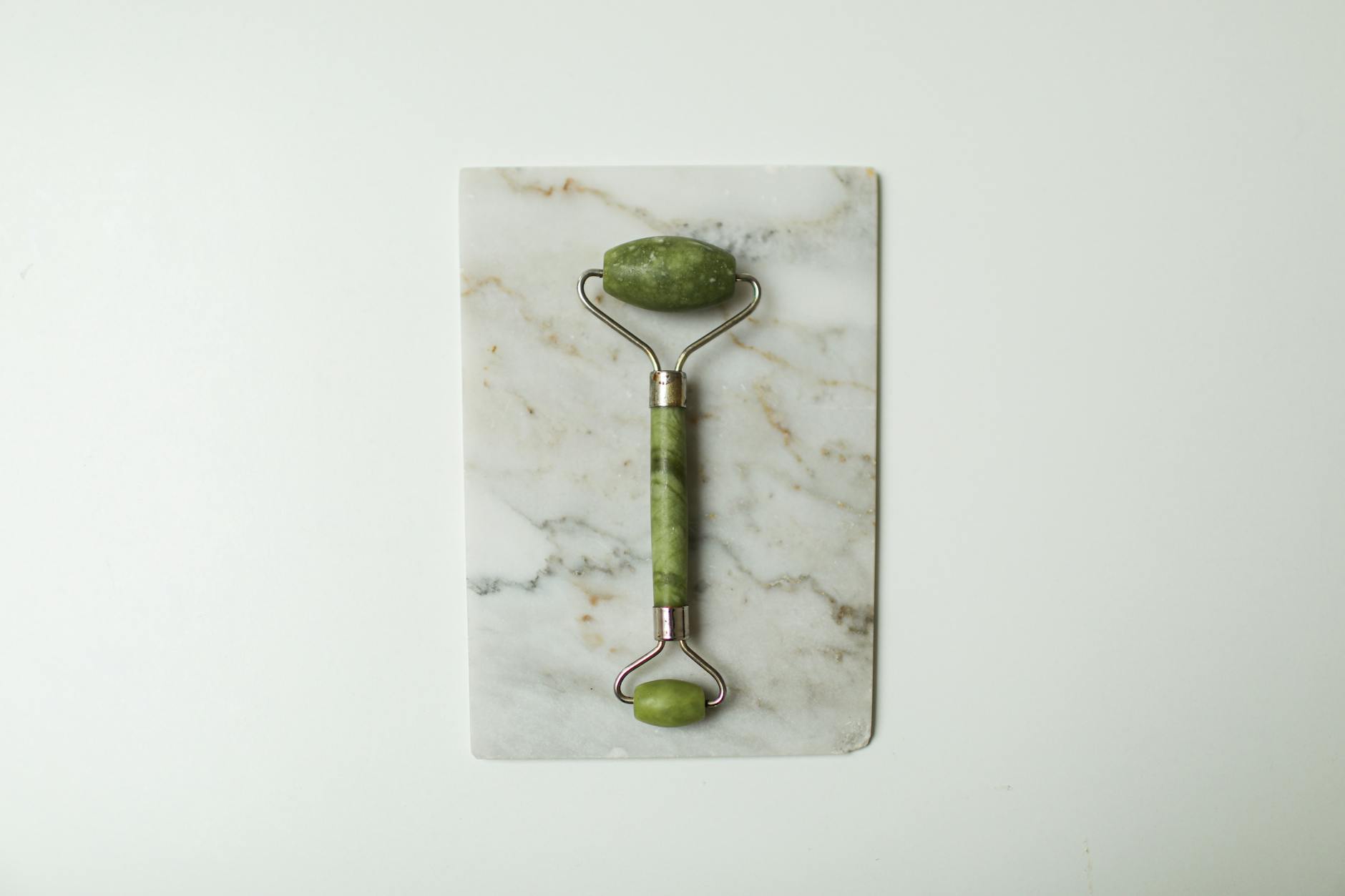
Jade treatment grades are the single most important thing to understand before buying jadeite jewelry. Not all jade is created equal. The gemological world classifies jadeite into three distinct categories: Type A, Type B, and Type C. Each grade reflects how much the stone has been altered from its natural state. Type A jade is completely untreated.
Type B jade has been chemically bleached and filled with polymer resin. Type C jade has been artificially dyed. These jade treatment grades directly affect a piece’s durability, appearance over time, and market value. Understanding them protects you from overpaying. It also helps you appreciate what makes natural jadeite so highly prized among collectors worldwide.
What Are Jade Treatment Grades and Why Do They Matter?
Jade treatment grades originated in the Hong Kong and Chinese jade trade. They have since become the international standard used by gemological laboratories. The system applies specifically to jadeite, which is the more valuable of the two jade minerals. Nephrite is the other variety. The grading tells you exactly what has been done to a stone after mining.
Type A jade is natural jadeite with no chemical treatments. The only accepted process is a light surface coating of traditional beeswax. This does not alter the stone’s internal structure. Type A jadeite retains its original crystalline integrity. Its color comes entirely from trace minerals like chromium. This grade holds its beauty for generations. For example, fine imperial green Type A jadeite can command prices above $3,000 per carat at auction. According to the Gemological Institute of America (GIA), treatment disclosure is a critical part of any jadeite identification report.
These jade treatment grades exist because untreated jadeite is genuinely rare. Most raw jadeite contains natural staining from iron oxides. Treatments were developed to make lower-quality material look more appealing. However, those treatments come with significant trade-offs in durability and long-term value.
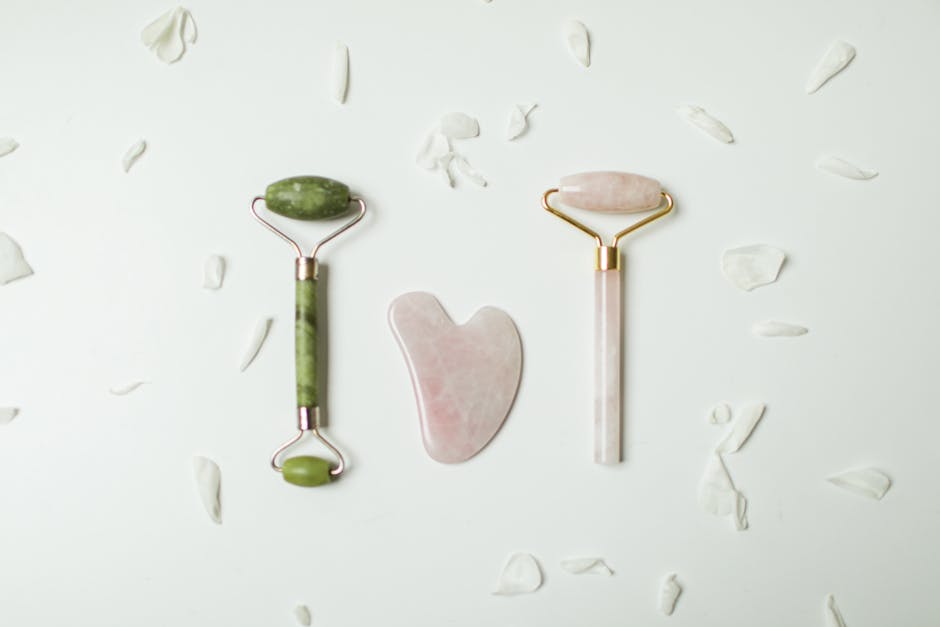
Breaking Down Jade Treatment Grades: Type B and Type C Explained
Type B jade undergoes a two-step chemical process. First, the stone is soaked in strong acids like hydrochloric acid for days or even weeks. This dissolves brown and yellow iron-oxide staining from the grain boundaries. The jadeite appears cleaner and more translucent afterward. However, the acid etches away structural material between the grains. The stone becomes fragile.
To restore strength, the weakened jadeite is impregnated with clear polymer resin under vacuum pressure. This fills the voids left by the acid treatment. The result looks attractive initially. However, the polymer degrades over time. Exposure to UV light, heat, and household chemicals causes yellowing. Type B jade can develop a cloudy appearance within several years. Understanding jade treatment grades helps you recognize why a piece that looks beautiful today may not stay that way.
Type C jade goes one step further. After acid bleaching, the stone is dyed with artificial coloring agents. Most Type C jade is therefore also Type B, sometimes labeled “B+C” in lab reports. The dye creates vivid greens, lavenders, or reds. However, color concentrates along fractures and grain boundaries rather than distributing naturally. Over time, the dye fades with sunlight exposure. Type C jade is the least durable of all jade treatment grades. As noted by Wikipedia’s jade treatment overview, dyed jadeite represents the lowest commercial grade.
How to Identify Jade Treatment Grades Before You Buy
The only definitive way to confirm jade treatment grades is through laboratory testing. GIA and the Hong Kong Jade & Stone Laboratory use FTIR spectroscopy as the standard. This test detects polymer resin by identifying characteristic absorption peaks that natural jadeite does not display. In most cases, visual inspection alone is insufficient. High-quality Type B treatments can fool even experienced dealers.
There are some practical screening methods, however. Under long-wave UV light, Type B jade often shows a chalky blue-white fluorescence. Under 10x magnification, the surface may display a dimpled “orange peel” texture. Type C jade sometimes reveals dye concentrations along cracks when viewed with a loupe. For bangles, tapping them lightly produces different sounds. Type A jade rings clearly and resonantly. Treated jade sounds duller.
Price is another indicator. If a piece looks like high-quality imperial green but costs a fraction of expected market value, the jade treatment grades likely indicate Type B or C. Typically, Type B jade sells for one-fifth to one-tenth the price of equivalent-looking Type A. Type C pieces may cost as little as $20 to $50 in open markets. Always request a laboratory certificate from a recognized institution before making significant jade purchases.
Pairing Jade With Modern Jewelry for Everyday Style
Jade has been treasured for thousands of years. Today, many collectors enjoy pairing jade pendants and beads with modern metalwork. The Smithsonian’s jade collection showcases how this stone has been set in everything from ancient ceremonial objects to contemporary fine jewelry. For everyday styling, jade pieces work beautifully alongside 18K gold plated stainless steel chains and bracelets. The warm gold tone complements jade’s cool green perfectly.
Regardless of which jade treatment grades you choose, proper care extends the life of every piece in your collection. Store jade away from direct sunlight. Clean it gently with a soft cloth. Keep it separated from harder gemstones that could scratch the surface. These are simple 10-second habits that make a real difference. The same easy care applies to gold plated stainless steel jewelry, which stays scratch-resistant and hypoallergenic with minimal effort.
Frequently Asked Questions
What is the difference between Type A and Type B jade?
Type A jade is completely natural with no chemical treatments. Type B jade has been acid-bleached to remove staining and then filled with polymer resin. Type A holds its appearance indefinitely, while Type B may yellow or cloud over several years as the polymer degrades.
Can you tell jade treatment grades just by looking?
Not reliably. High-quality Type B treatments look nearly identical to Type A under normal viewing conditions. Laboratory testing with FTIR spectroscopy is the only definitive method. However, UV light and magnification can sometimes reveal clues like fluorescence or surface dimpling.
Is Type C jade worth buying?
Type C jade is dyed and has the lowest durability of all jade treatment grades. The color fades over time with sun and chemical exposure. It can be enjoyed as affordable fashion jewelry if you understand what you are getting. However, it holds no collectible or investment value compared to Type A jadeite.
Shop Jewelry at KartiKart
Explore our collection of handcrafted 18K Gold Plated Stainless Steel jewelry. Every piece is designed for everyday elegance at an accessible price point.
Necklaces · Bracelets · Earrings
Sources & Further Reading
For verified gemstone and jewelry information:
Content last reviewed April 2026. If you notice any outdated information, please contact us.