why jewelry brands charge 10x more for the exact same stones you can buy yourself

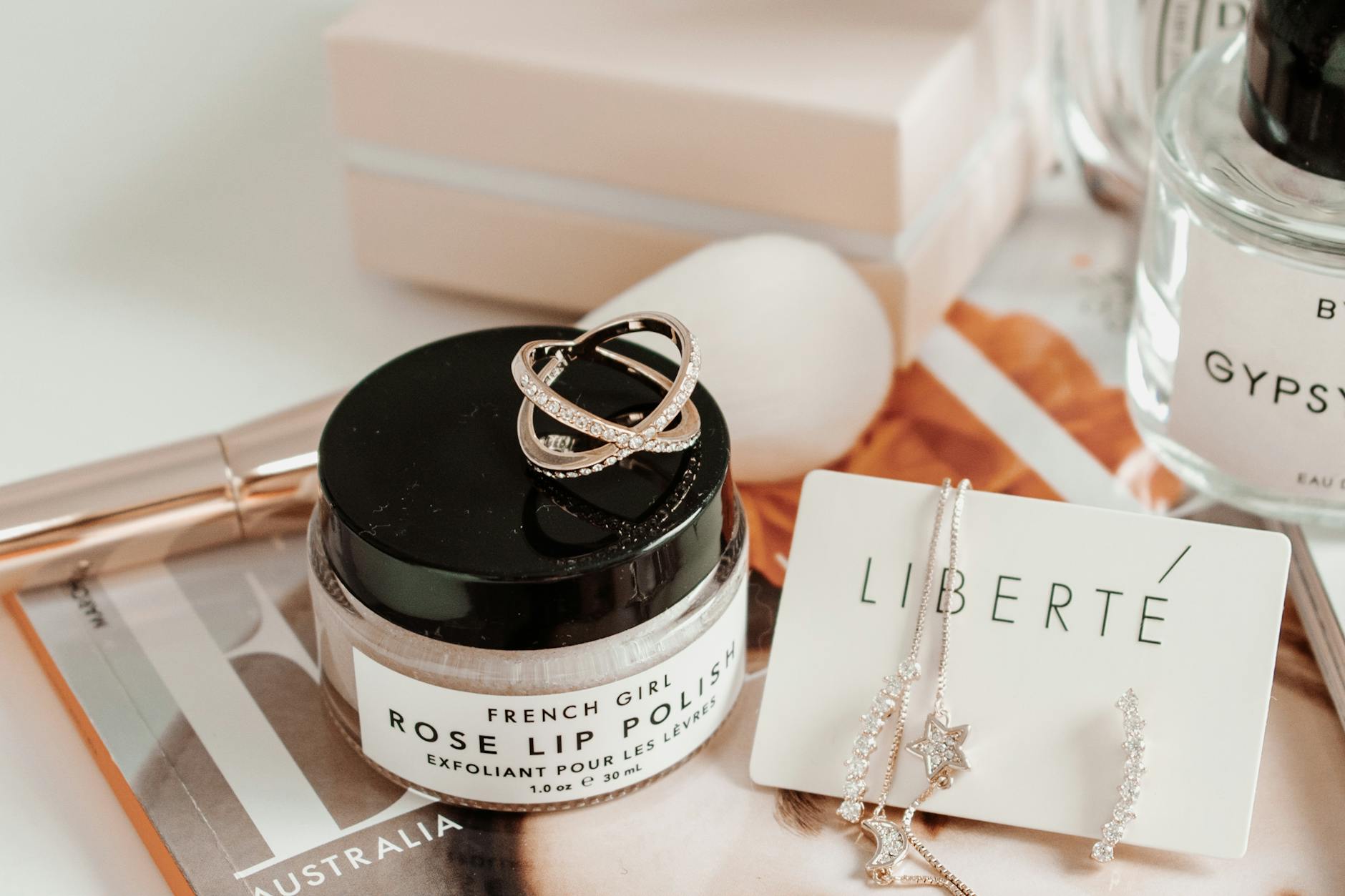
Jewelry brands charge ten times more for the exact same stones because you are not paying for the stone — you are paying for the story, the setting, the storefront, and the salary of everyone who touched it along the way. A raw amethyst cabochon that costs three dollars at a gem show becomes a three-hundred-dollar pendant the moment it is wrapped in a brand name, photographed on a model, and sold through a boutique with track lighting. The markup is not a secret, but most shoppers never see the breakdown because jewelry brands have no incentive to show it to you.
This matters more than most people realize. The global jewelry market moves hundreds of billions of dollars a year, and the largest share of every sale goes not to the miner or the stone cutter but to marketing, retail overhead, and brand positioning. If you have ever held a loose stone in one hand and a finished branded piece in the other and wondered why the price jumped by a factor of ten, this article walks through exactly where that money goes. We will cover the real cost structure behind jewelry brands, why some markups are justified and others are not, how the direct-to-consumer model is changing things, and what smart buyers actually do differently.
Explore our collection of handpicked jade jewelry at KartiKart — minimalist pieces built to last.
Table of Contents
- Why Do Jewelry Brands Charge 10x More for Stones You Can Buy Loose?
- The Hidden Costs Baked Into Every Branded Jewelry Price Tag
- How Jewelry Brands Use Perception to Justify Premium Pricing
- What Smart Buyers Do Differently When Shopping for Stone Jewelry
- When the Markup Is Actually Worth Paying
- The Rise of Material Transparency and What It Means for Buyers
- Where the Jewelry Market Is Heading
- Conclusion
Why Do Jewelry Brands Charge 10x More for Stones You Can Buy Loose?
The simplest answer is that a loose stone and a finished piece of jewelry are two entirely different products in the eyes of the market. When jewelry brands sell you a jade pendant, you are buying the design work, the metalsmithing, the quality control, the photography, the return policy, and the brand trust that comes with a recognized name. A one-carat loose jade stone might run you fifteen to forty dollars depending on grade, but the same stone set in 18K Gold Plated Stainless Steel with a polished setting and branded packaging enters a completely different pricing universe.
The real eye-opener is how the cost actually breaks down. industry analysts have noted that raw materials — the stone and the metal — typically account for only ten to twenty percent of a finished piece’s retail price. The rest is split between manufacturing, design, wholesale margin, retail margin, marketing, and overhead.
A piece that costs eight dollars in materials and twelve dollars to manufacture might wholesale for sixty dollars and retail for one hundred fifty or more. Each link in the chain doubles or triples the price before the customer ever sees it. This is not unique to jewelry.
Eyeglasses, handbags, and cosmetics follow nearly identical markup patterns. But jewelry feels different because the raw materials — stones, metals — are commodities that anyone can buy. You cannot easily buy the raw materials for a designer handbag, but you absolutely can buy the same jade, amethyst, or turquoise that major jewelry brands use.
That accessibility is what makes the markup feel so personal.

The Hidden Costs Baked Into Every Branded Jewelry Price Tag
Beyond the stone itself, there is a long chain of expenses that justify at least some of the markup. A legitimate jewelry brand invests in gemological certification, ethical sourcing verification, skilled artisan labor, and insurance on inventory that can be worth millions. According to the Gemological Institute of America, proper grading and certification alone adds real cost to each piece, and it protects the buyer from misrepresented stones.
These are genuine value adds. Then there is the retail footprint. A single storefront in a high-traffic shopping district can cost tens of thousands of dollars a month in rent alone.
Sales staff, security, display cases, lighting, cleaning, returns, and theft all get folded into the price of every ring and bracelet on the shelf. Online-only jewelry brands cut some of these costs, but they replace them with digital marketing spend, influencer partnerships, and customer acquisition costs that can run fifty to a hundred dollars per new buyer. However, if you are buying simple stone jewelry — a basic pendant, a pair of stud earrings, a beaded bracelet — the design and manufacturing costs are genuinely low.
The markup becomes harder to justify when the piece is not complex. A solitaire setting with a common gemstone does not require master-level craftsmanship. In these cases, a significant portion of the price is pure brand premium, not production cost.
Knowing the difference between a technically demanding piece and a simple one is the first step toward smarter buying.
How Jewelry Brands Use Perception to Justify Premium Pricing
Pricing in the jewelry world is as much about psychology as it is about materials. Jewelry brands understand that consumers associate higher prices with higher quality, a phenomenon behavioral economists call the Veblen effect. A necklace priced at two hundred dollars feels more “real” and more valuable than an identical necklace priced at forty dollars, even when the materials and construction are the same.
The price itself becomes a feature. This is why brand storytelling is so central to jewelry marketing. Heritage brands lean on decades of history.
Newer brands emphasize artisan partnerships, ethical sourcing narratives, or celebrity affiliations. The stone is almost beside the point — what you are really buying is a feeling of certainty that you made a good choice. That emotional reassurance has real value for some buyers, but it is worth recognizing it for what it is: a marketing cost passed on to you, not a material improvement in the product.
The most striking example is the diamond industry, where decades of marketing by a single company created the expectation that an engagement ring should cost two months’ salary. Colored gemstones and semi-precious stones like jade, turquoise, and amethyst do not have the same centralized marketing machine, but jewelry brands still use scarcity framing, limited editions, and curated aesthetics to push prices well beyond what the materials warrant. When a brand tells you a stone is “rare” or “hand-selected,” ask yourself whether that claim is verifiable or just atmospheric.
What Smart Buyers Do Differently When Shopping for Stone Jewelry
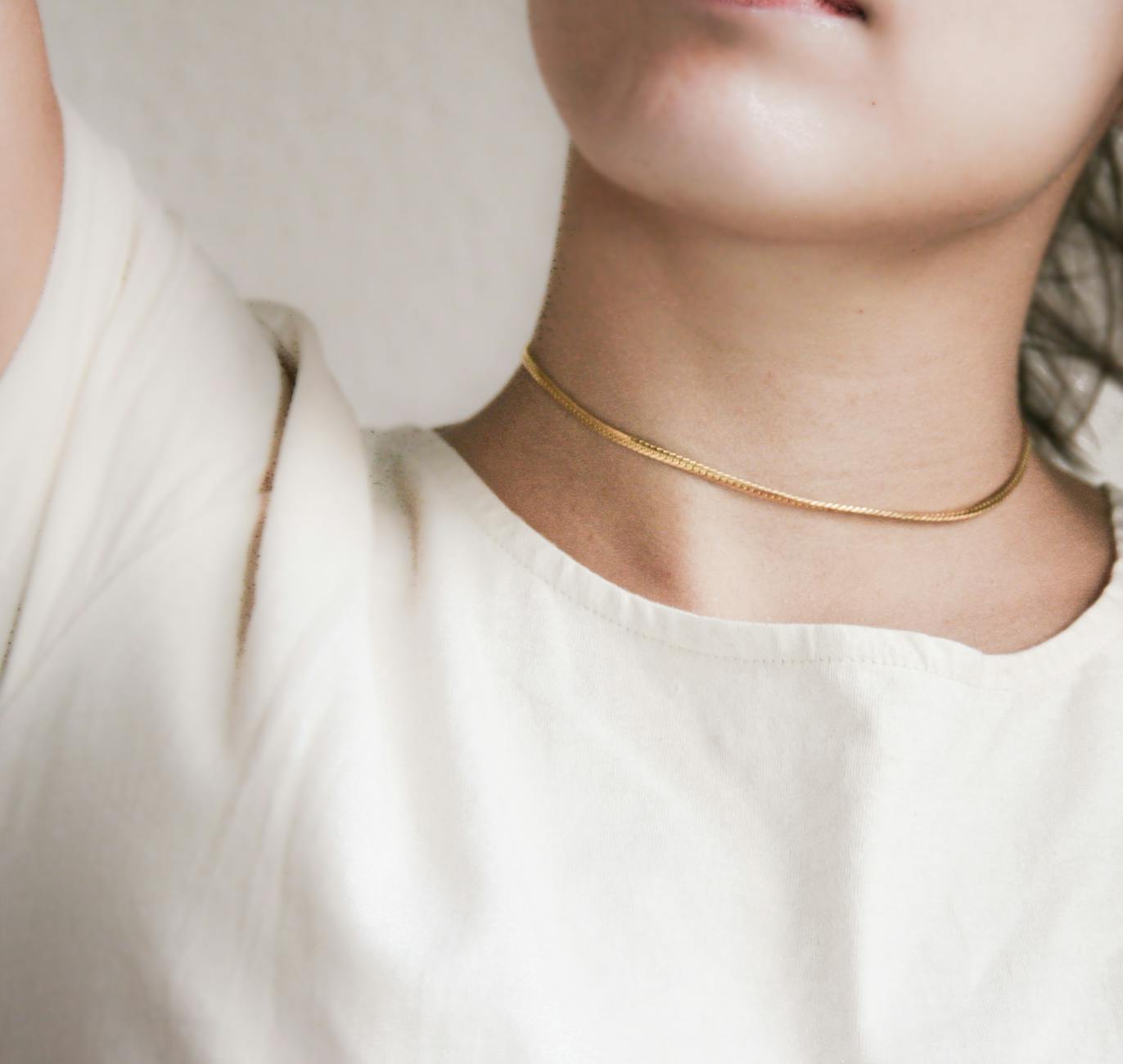
The most practical move is learning to separate the stone from the setting from the brand. Buy your stones loose from reputable gem dealers if you want a specific stone at a fair price, and then find a jeweler or a direct-to-consumer brand that offers quality settings without the boutique markup. This approach can save you fifty to eighty percent on comparable pieces.
Direct-to-consumer jewelry brands have made this much easier in recent years. By cutting out the wholesaler and the retail storefront, these brands can offer finished pieces at a fraction of the traditional retail price without sacrificing quality. An 18K Gold Plated Stainless Steel setting, for instance, gives you the look and weight of fine gold jewelry at a price that lets you build an actual collection instead of agonizing over a single purchase.
The tradeoff is that you lose the in-store experience and the instant gratification of walking out with a box in hand, but for most everyday jewelry, that tradeoff is well worth it. One important caveat: not all direct-to-consumer brands are equal. Some use the label as a marketing angle while still running traditional markups.
Check whether a brand is transparent about its materials, its sourcing, and its pricing structure. If the “about” page talks more about lifestyle than about what the jewelry is actually made of, that is a signal to look more carefully at what you are paying for.
When the Markup Is Actually Worth Paying
There are real scenarios where paying a premium to established jewelry brands makes sense, and pretending otherwise would be dishonest. If you are buying a high-value gemstone — a fine emerald, a natural alexandrite, a top-grade jade bangle — the expertise, certification, and return policy that come with a reputable brand are worth the extra cost. Misidentified or treated stones are common in the loose gem market, and a mistake on a thousand-dollar stone is very different from a mistake on a thirty-dollar one.
Custom and complex designs also justify higher prices. A multi-stone setting with precise alignment, invisible setting work, or intricate metalwork requires skilled labor that legitimately costs more. If you are commissioning something unique, a brand or independent jeweler with a strong portfolio and verified reviews is worth the investment.
The warning here is about the middle ground — pieces that are simple in construction but sold at premium prices purely because of the name on the box. A basic chain with a single polished stone does not need a four-hundred-dollar price tag from a luxury jewelry brand when the same materials and construction quality are available for a fraction of the cost. The skill is knowing which purchases genuinely benefit from brand backing and which ones are just paying for the logo.

The Rise of Material Transparency and What It Means for Buyers
A growing number of jewelry brands are publishing their material costs, sourcing origins, and margin structures publicly. This transparency trend, driven partly by younger consumers who grew up comparison shopping online, is forcing the industry to justify its pricing in ways it never had to before. Brands that cannot explain their markup are losing ground to those that can.
For buyers, this shift is entirely positive. When a brand clearly states that a piece is made with 18K Gold Plated Stainless Steel and a specific grade of jade sourced from a named region, you can verify that claim and compare it to alternatives. The Smithsonian’s mineral sciences department maintains one of the most comprehensive gemstone reference collections in the world, and their publicly available resources can help any buyer understand what they are actually looking at.
Transparency does not eliminate markup, but it turns a black box into a negotiation.
Where the Jewelry Market Is Heading
The gap between what stones cost and what jewelry brands charge is not going to close, but it is becoming more visible. As more consumers educate themselves about gemstone grading, metal quality, and manufacturing costs, the brands that survive will be the ones that offer genuine value — whether through superior design, ethical sourcing, quality materials, or honest pricing. The era of charging ten times the material cost purely on brand prestige is not over, but it is under more pressure than it has ever been.
For the everyday buyer, the takeaway is empowering. You do not need to avoid jewelry brands entirely or become a gemologist to shop wisely. You just need to understand that the stone is the cheapest part of what you are buying and make sure the rest of the price reflects value you actually care about — whether that is design, durability, ethics, or simply the confidence that comes with wearing something you chose with clear eyes.
Looking for minimalist jade jewelry? Browse our full collection of necklaces, bracelets, earrings, and rings at KartiKart. Free shipping on all US orders.
Conclusion
The ten-times markup on branded stone jewelry is real, but it is not a simple case of greed. It is the accumulated cost of design, retail, marketing, certification, and brand trust stacked on top of a raw material that was never the expensive part. Some of those costs deliver genuine value.
Others are pure perception. The difference between an informed buyer and an uninformed one is knowing which is which. Your best move is to learn what stones and metals actually cost, seek out brands that are transparent about their pricing and materials, and save the premium purchases for pieces where craftsmanship and certification genuinely matter. For everyday jewelry — the pieces you wear to work, to dinner, on weekends — there is no reason to pay ten times more for a name when the same stone and a quality setting are available at an honest price.
You Might Also Like
- Why the Jewelry Industry Exposed to Lab Testing Fails More Than You ThinkWait, let me give you something cleaner and more natural:Why Most Jewelry Sold as Solid Gold Would Fail an Independent Lab Test
- What Dermatologists Actually Think About the Jewelry You Sleep In Every Night
- How to Pick the Perfect Jewelry Gift When You Have No Idea What She Likes