Why Minimalist Jewelry Never Goes Out of Style and What Makes It Timeless

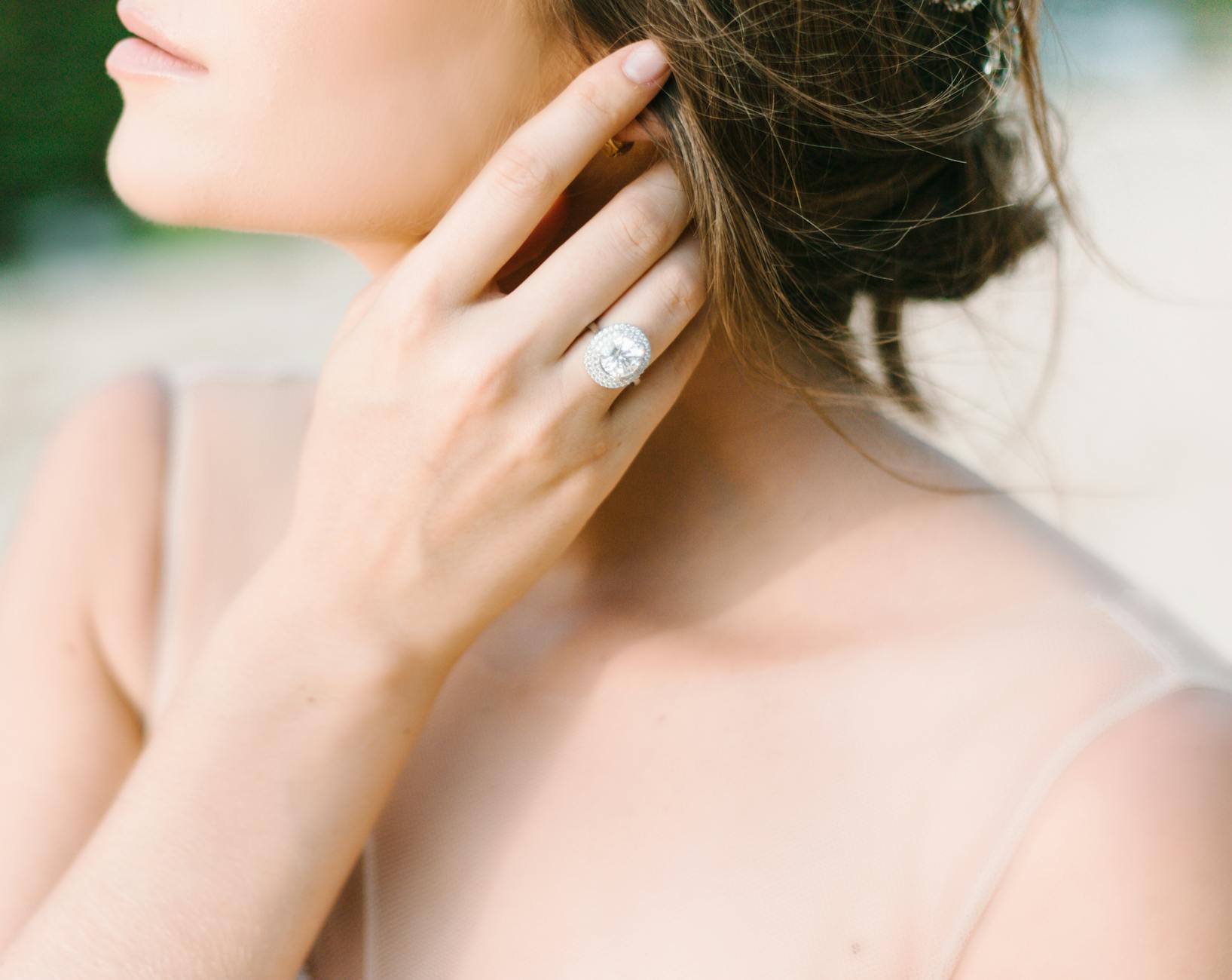
Minimalist jewelry endures because it operates on a principle that never expires: restraint is its own form of elegance. While bold statement pieces rise and fall with seasonal trends, a slim gold band or a single delicate chain works with virtually anything you own, in any setting, in any decade. That is not an opinion — it is reflected in the numbers. The global minimalist jewelry market was valued at approximately USD 4.6 billion in 2024 and is projected to reach USD 8.5 billion by 2032, growing at a 7.9% compound annual growth rate, according to Verified Market Research.
That kind of sustained growth does not happen with passing fads. What makes minimalist jewelry timeless comes down to three things: clean design that avoids trend-dependent details, versatility that lets a single piece work across your entire wardrobe, and an emotional quality that feels personal rather than performative. Think of a thin 18K Gold Plated Stainless Steel bangle — it looks just as right with a linen shirt on a Tuesday morning as it does with a black dress on a Saturday night. That adaptability is what separates lasting pieces from the ones that end up in a drawer after one season. This article breaks down the specific reasons minimalist jewelry holds its value over time, the consumer shifts driving its growth, how to build a collection that actually lasts, and what to know about caring for your pieces so they stay looking sharp for years.
Explore our collection of handpicked jade jewelry at KartiKart — minimalist pieces built to last.
Table of Contents
- What Makes Minimalist Jewelry Timeless When Other Trends Fade?
- The Consumer Shift Toward Everyday Elegance
- How Minimalist Jewelry Fits the Rise of Quiet Luxury
- Building a Minimalist Jewelry Collection That Works
- Caring for Your Pieces So They Stay Looking New
- Why Minimalist Jewelry Works Across Generations
- Where Minimalist Jewelry Is Headed
- Conclusion
What Makes Minimalist Jewelry Timeless When Other Trends Fade?
The short answer is that minimalist jewelry does not depend on the visual language of any particular era. Bold, chunky chains feel distinctly tied to certain decades. Oversized hoops swing in and out of favor.
But a simple geometric pendant or a thin stacking ring borrows from no specific moment in fashion history — it just looks finished. As the experts at Be Fruitful Jewelry have noted, clean lines and subtle shapes maintain their appeal precisely because they do not rely on loud patterns or bold colors that anchor them to a trend cycle. There is also a psychological dimension.
Fifty-eight percent of female consumers say they purchase jewelry to reflect personal identity, according to a 2023 survey from Persistence Market Research, and thirty-five percent now opt for demi-fine jewelry — the category most aligned with minimalist aesthetics. People are choosing pieces that feel like extensions of themselves rather than costumes. A thin gold chain does not announce itself when you walk into a room, but it is always there, always working.
That kind of quiet consistency is what timelessness actually looks like in practice. It is worth noting that 2026 has also seen a maximalist counter-trend — Marie Claire and Who What Wear both report that bold ring stacks, sculptural shapes, and mixed metals are gaining popularity. But this does not contradict the staying power of minimalist jewelry.
It confirms a polarized market where both extremes thrive, and minimalism retains its position as the reliable, timeless investment choice while maximalism plays the seasonal game.
The Consumer Shift Toward Everyday Elegance
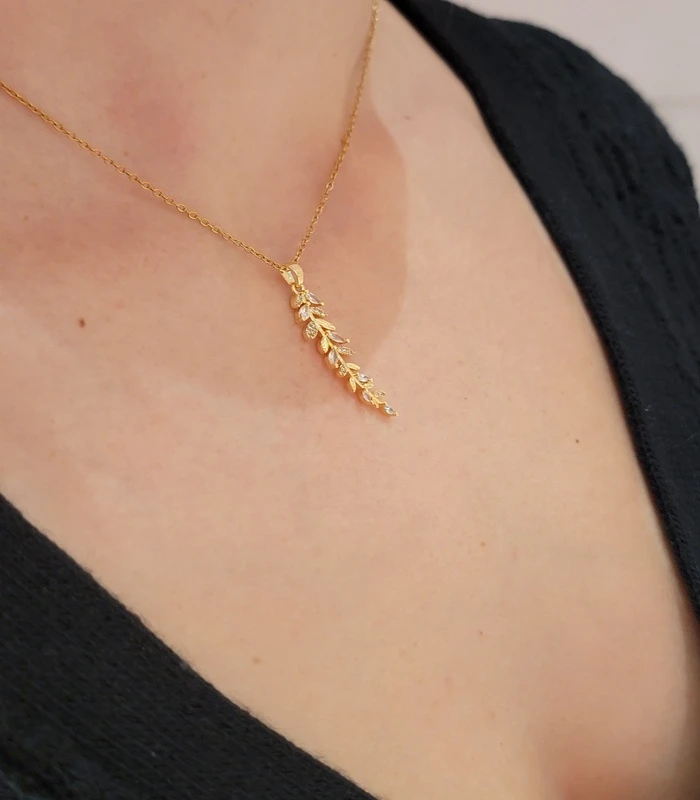
The way people buy jewelry has fundamentally changed. Seventy-six percent of women now prefer to buy jewelry for themselves rather than waiting for it as a gift, according to research from IIG India and Persistence Market Research. This shift matters because self-purchasing buyers think differently — they want pieces they can wear daily, not special-occasion items that sit in a box.
Minimalist jewelry fits that brief perfectly because it is designed to be lived in, not saved. Millennials and Gen Z are the primary growth drivers behind this change, drawn to sustainability, ethical sourcing, and versatile everyday pieces. These are generations that value experiences over excess and quality over quantity.
Fashion Week Online has observed that consumers are increasingly preferring pieces that adapt to daily life and stand the test of time rather than chasing seasonal must-haves. When someone buys a simple pair of gold studs or a slim cuff, they are not buying a trend — they are buying a permanent part of their daily uniform. However, if your personal style leans heavily toward bold self-expression — bright colors, layered textures, dramatic silhouettes — do not force yourself into minimalist jewelry out of obligation.
The point is not that everyone should wear simple pieces. The point is that if versatility and longevity are your priorities, minimalist designs deliver on both consistently, which is why the market keeps growing while other categories plateau.
How Minimalist Jewelry Fits the Rise of Quiet Luxury
The “quiet luxury” movement — favoring understated, high-quality pieces over logo-heavy or trend-driven designs — has been one of the most significant fashion shifts in recent years. Publications like Blue Nile and Who What Wear have documented how this preference for subtlety has reinforced the appeal of minimalist jewelry across every price range. The idea is simple: the piece speaks through its design and how it sits on you, not through a brand name or an attention-seeking silhouette.
This is where materials like 18K Gold Plated Stainless Steel fit naturally into the conversation. Modern plating technology has greatly improved durability, and these pieces look identical to solid gold at an accessible price point. That means you can build a curated collection of quiet, elegant pieces — a thin chain here, a small pendant there — without the financial pressure that comes with solid gold.
It is the smart approach for someone who values variety and style without overspending, and it aligns perfectly with the quiet luxury ethos of looking polished without broadcasting your budget. Gold minimalist jewelry also maintains appeal as something that can be passed down. A clean, simple design does not feel dated the way a trend-specific piece might after five or ten years.
According to the World Gold Council, global collective spending on gold jewelry reached USD 39 billion in 2025, eight percent higher year-over-year and the second highest on record. People are clearly investing in gold — and increasingly, they are choosing designs simple enough to last.
Building a Minimalist Jewelry Collection That Works
The most practical approach to minimalist jewelry is to start with three to five foundational pieces and build from there. A thin chain necklace, a pair of small studs or huggie hoops, a simple bangle, and one or two stacking rings will cover the vast majority of your daily outfits. The goal is not to own less for the sake of owning less — it is to own pieces so versatile that you actually wear them every day instead of rotating through a cluttered jewelry box.
When choosing between 18K Gold Plated Stainless Steel and Sterling Silver 925, consider your wardrobe palette and skin tone. Gold tones tend to warm up earth tones, creams, and blacks beautifully, while silver complements cooler blues, grays, and whites. Both are excellent foundations for minimalist jewelry — the difference is aesthetic, not qualitative.
Gold Plated Stainless Steel has the added benefit of being lightweight and easy to replace or update as your style evolves, so you can refresh individual pieces without rethinking your entire collection. Americans spend an average of USD 477 per year on jewelry, according to 2025 data from Carat Trade. Spread across thoughtfully chosen minimalist pieces, that budget goes remarkably far — easily covering four or five quality items that will see daily wear.
Compare that to spending the same amount on one or two trend-driven statement pieces that may feel outdated within a year, and the value proposition becomes clear.
Caring for Your Pieces So They Stay Looking New
Even the most timeless design loses its appeal if it is tarnished or dull, so basic care matters. For 18K Gold Plated Stainless Steel, the maintenance routine is simple: remove your pieces before swimming or showering, wipe them gently with a soft cloth after wearing, and store them individually rather than tangled together in a pile. These are easy habits, not burdens, and they make a genuine difference in how long your pieces maintain their finish.
One common mistake is wearing gold plated jewelry during workouts or in heavy humidity without cleaning it afterward. Sweat and moisture can gradually affect the plating over time if left sitting on the surface. A quick wipe-down after exposure keeps everything looking fresh.
The Gemological Institute of America (GIA) recommends storing jewelry in a cool, dry place away from direct sunlight — advice that applies across all materials and price points. A limitation to be upfront about: no plating lasts forever with daily wear. If you wear the same gold plated ring every single day for years, the plating will eventually show wear in high-contact areas.
This is true of virtually all jewelry at every price point — solid gold scratches, sterling silver tarnishes, platinum develops patina. The advantage of accessible price points on pieces like 18K Gold Plated Stainless Steel is that refreshing your collection is straightforward and affordable rather than a major financial decision.

Why Minimalist Jewelry Works Across Generations
One of the most interesting aspects of the minimalist jewelry movement is its cross-generational appeal. A delicate gold chain that a woman in her twenties wears to the office reads just as well on her mother at a dinner. The designs are age-neutral because they carry no generational signaling — no trend markers that say “this belongs to 2019” or “this is a Gen Z piece.” This universality is rare in fashion and part of why minimalist jewelry holds resale value and heirloom potential better than trend-specific alternatives.
The numbers support this breadth of appeal. The broader global jewelry market is projected to reach USD 578.45 billion by 2033, with minimalist and demi-fine categories growing faster than the overall market at roughly eight percent annually compared to the industry’s 5.5% CAGR. That outperformance suggests minimalist jewelry is not just holding steady — it is actively gaining share as more consumers across age groups recognize the practical and aesthetic logic of owning fewer, better, more versatile pieces.
Where Minimalist Jewelry Is Headed
The 2026 fashion values — comfort, uniqueness, adaptability, and sustainability — are all embodied in minimalist jewelry, according to industry analysts at J&M Jewelry and Minimally Yours. As the market moves toward an estimated USD 8.5 to 9.5 billion by the early 2030s, expect to see continued refinement in materials, more personalization options like subtle engravings and mixed-metal layering, and a growing emphasis on sustainability in production. U.S.
jewelry spending specifically rose twenty-eight percent to USD 13 billion in 2025, per the World Gold Council, with much of that growth in everyday wearable categories rather than occasion-driven luxury. Minimalist jewelry sits directly at the center of that shift. The pieces themselves may stay simple — that is the whole point — but the market around them is anything but standing still.
Looking for minimalist jade jewelry? Browse our full collection of necklaces, bracelets, earrings, and rings at KartiKart. Free shipping on all US orders.
Conclusion
Minimalist jewelry never goes out of style because it was never really “in” style in the trend sense — it exists outside the cycle entirely. Clean lines, subtle forms, and versatile wearability are not subject to the opinions of any particular season’s runway. The data confirms what your instincts probably already told you: a USD 4.6 billion market growing at nearly eight percent annually is not chasing a moment.
It is responding to a permanent shift in how people think about adornment. If you are building or refining your jewelry collection, start with the fundamentals — a thin chain, a simple cuff, a pair of studs in 18K Gold Plated Stainless Steel or Sterling Silver 925 — and wear them relentlessly. Let the trend pieces come and go on other people. Your minimalist jewelry will still look exactly right long after the next wave of bold, chunky, maximalist designs has had its season and moved on.