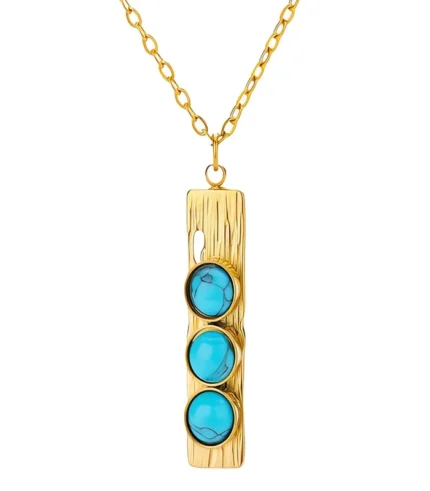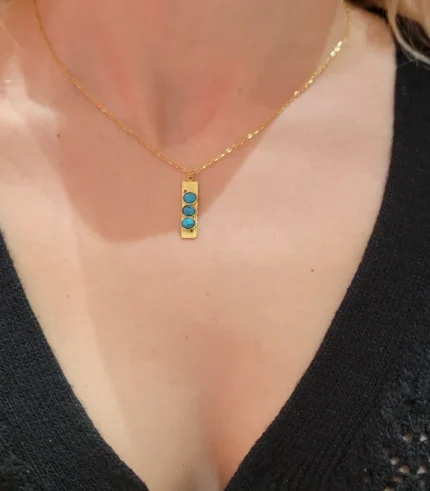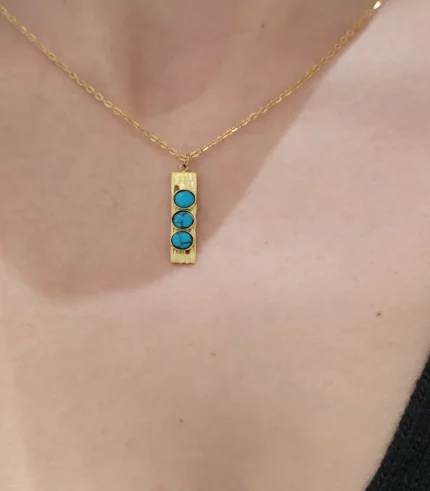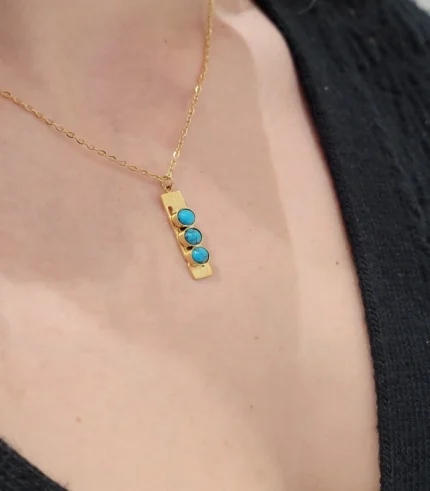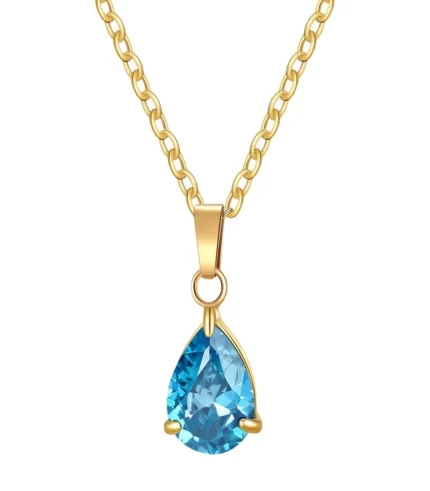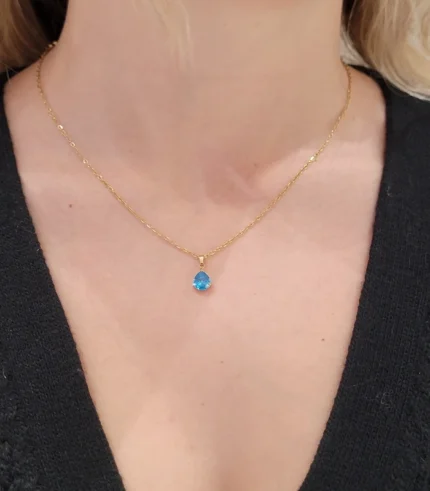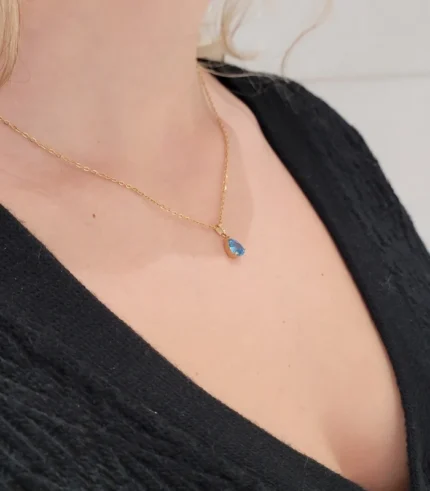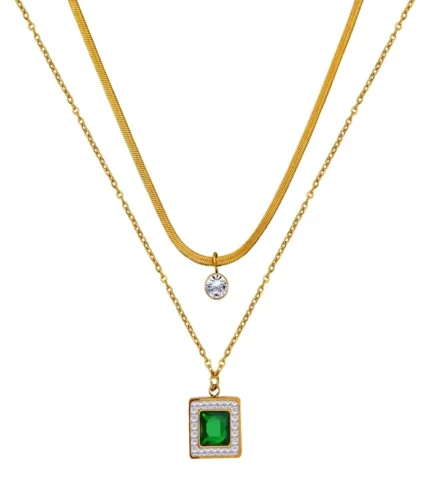
How to Wear Multiple Necklaces Without Looking Cluttered
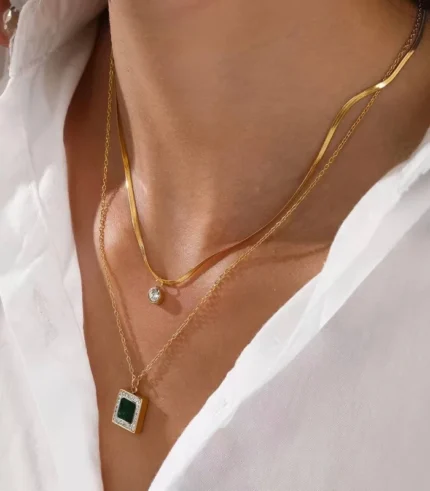
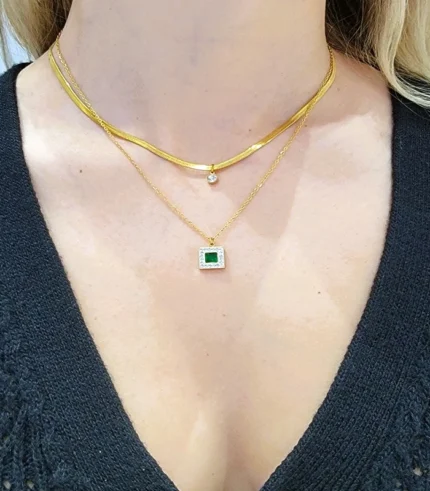
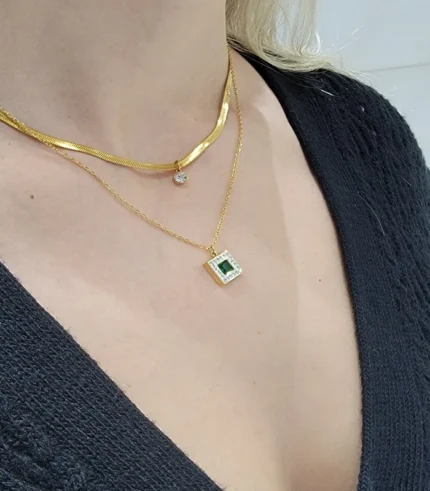
Multiple necklaces layered together create one of the most stylish looks in modern jewelry. However, stacking chains can quickly feel messy if the proportions, lengths, or textures clash. The good news is that layering follows simple rules anyone can learn. Typically, a balanced stack uses two to four pieces in varied lengths. For example, a short choker paired with a mid-length pendant and a longer chain reads as curated, not chaotic. In most cases, the secret is intentional spacing and a clear focal point. Once you understand the basics, wearing multiple necklaces becomes effortless and fun to personalize every morning.
Why Layering Multiple Necklaces Works
Layering is not a new trend. The practice dates back thousands of years, with ancient Egyptian, Mesopotamian, and Indian cultures stacking beaded collars and pendants as symbols of status and protection. The Smithsonian has documented jewelry stacking across civilizations, showing the look is rooted in tradition, not fleeting fashion.
Today, layering multiple necklaces lets you tell a personal style story. For example, one chain might honor a loved one, while another reflects your current mood. Typically, layered looks feel more intentional than a single statement piece because they invite the eye to travel across the neckline. However, the goal is harmony, not volume. Three well-chosen pieces almost always look better than six competing ones.

Shop tarnish-free gold-plated necklaces
View all →
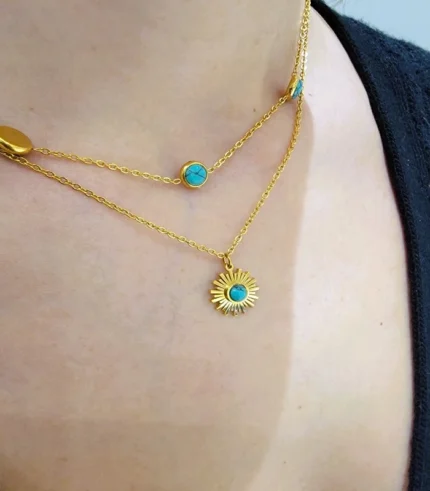
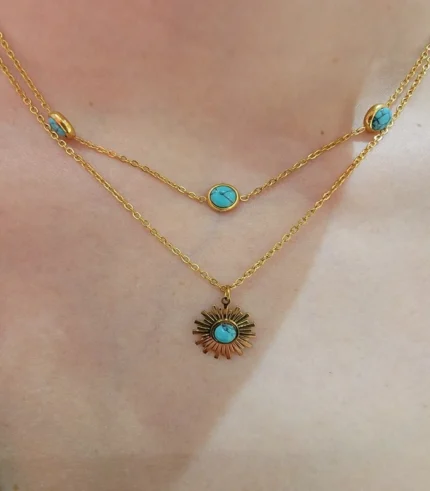

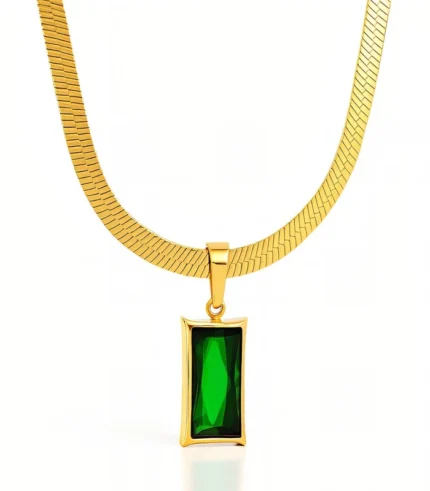
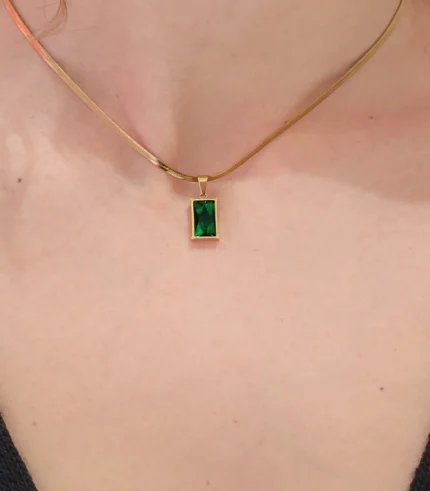
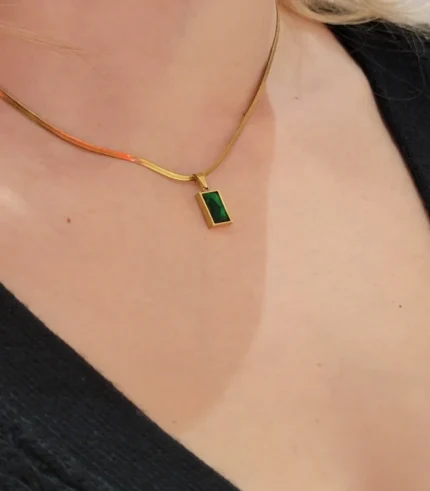

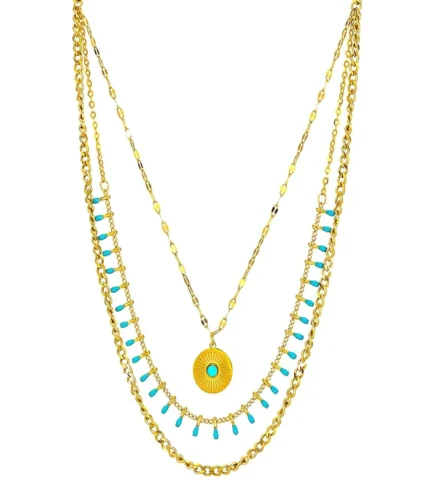
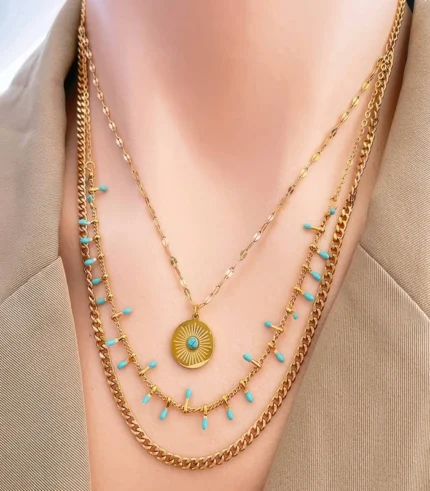
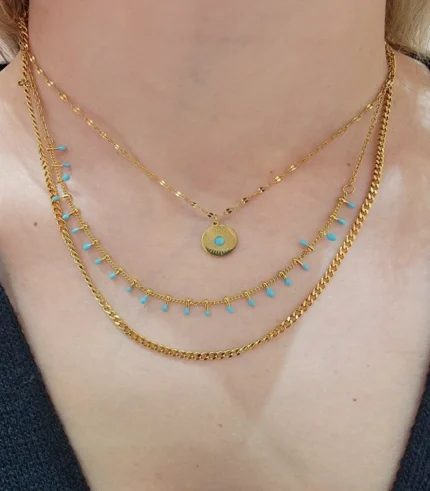
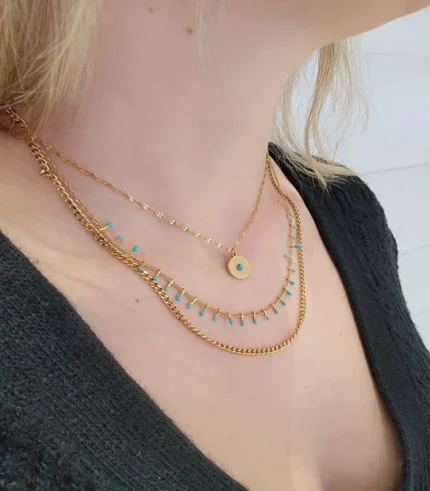
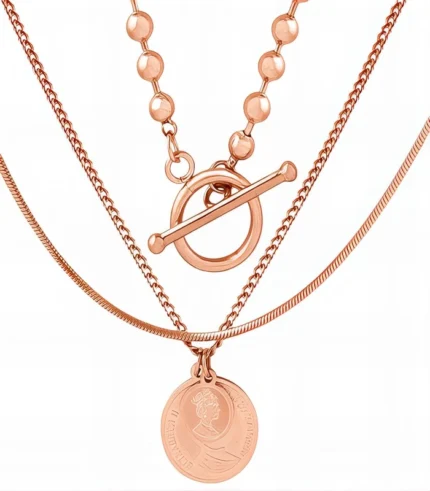
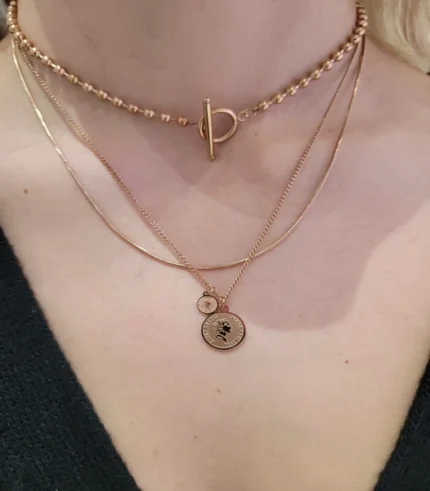
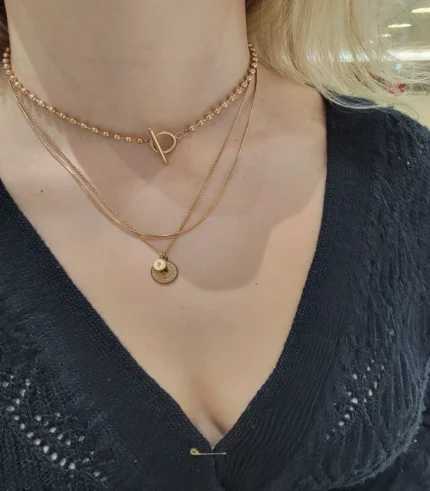
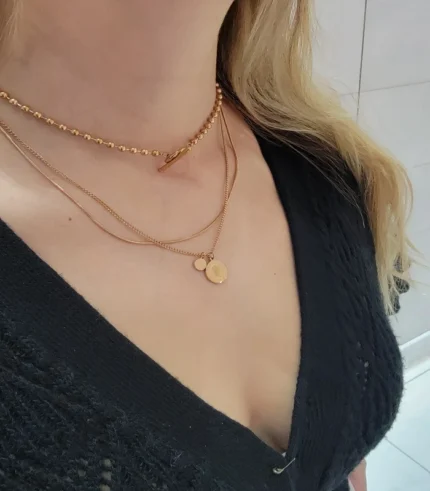
The Length Rules Behind Multiple Necklaces
Length is the foundation of every great stack. According to Wikipedia’s necklace reference, standard lengths include choker (14–16 inches), princess (17–19 inches), matinee (20–24 inches), opera (28–36 inches), and rope (over 36 inches). Mixing two or more of these categories creates instant visual rhythm.
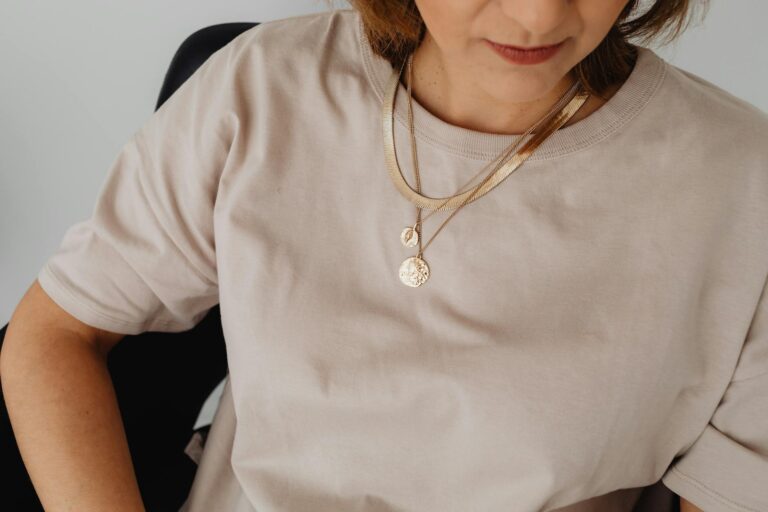
For a clean layered look, leave at least two inches of space between each chain. In most cases, starting with a choker, adding a princess pendant, and finishing with a matinee chain creates the most flattering V-shape. However, avoid stacking two chains of nearly identical length. They tangle, overlap awkwardly, and flatten the look. Typically, extenders help you fine-tune spacing without buying new pieces.
When wearing multiple necklaces, also consider your neckline. A scoop or V-neck gives layered chains room to breathe. A crewneck works best with shorter, higher stacks. For example, two chokers of slightly different widths look polished above a crewneck sweater.

Mixing Textures, Widths, and Pendants in Multiple Necklaces
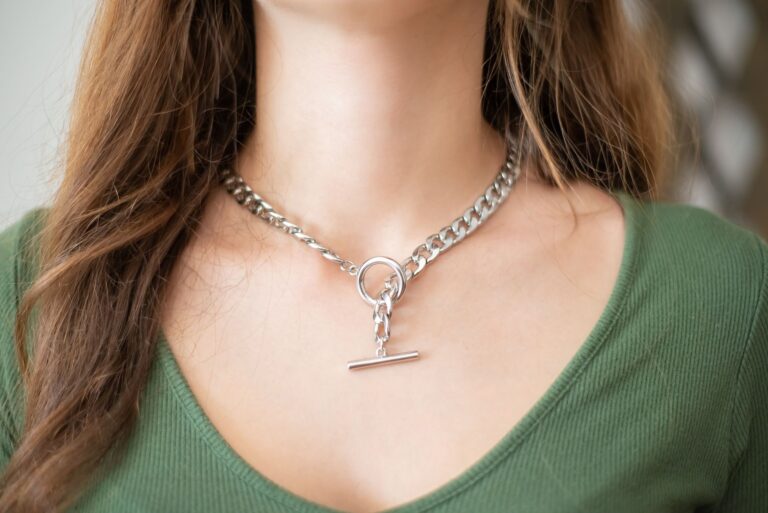
Great layering is about contrast, not matching. Try pairing a delicate cable chain with a bolder Figaro or rope chain. The GIA notes that varied link styles have defined jewelry craftsmanship for centuries, and that contrast is what makes a stack feel curated.
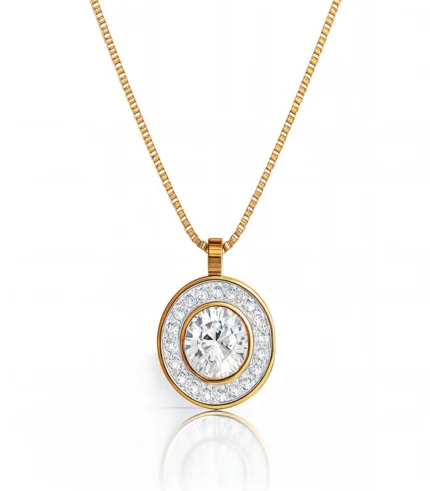
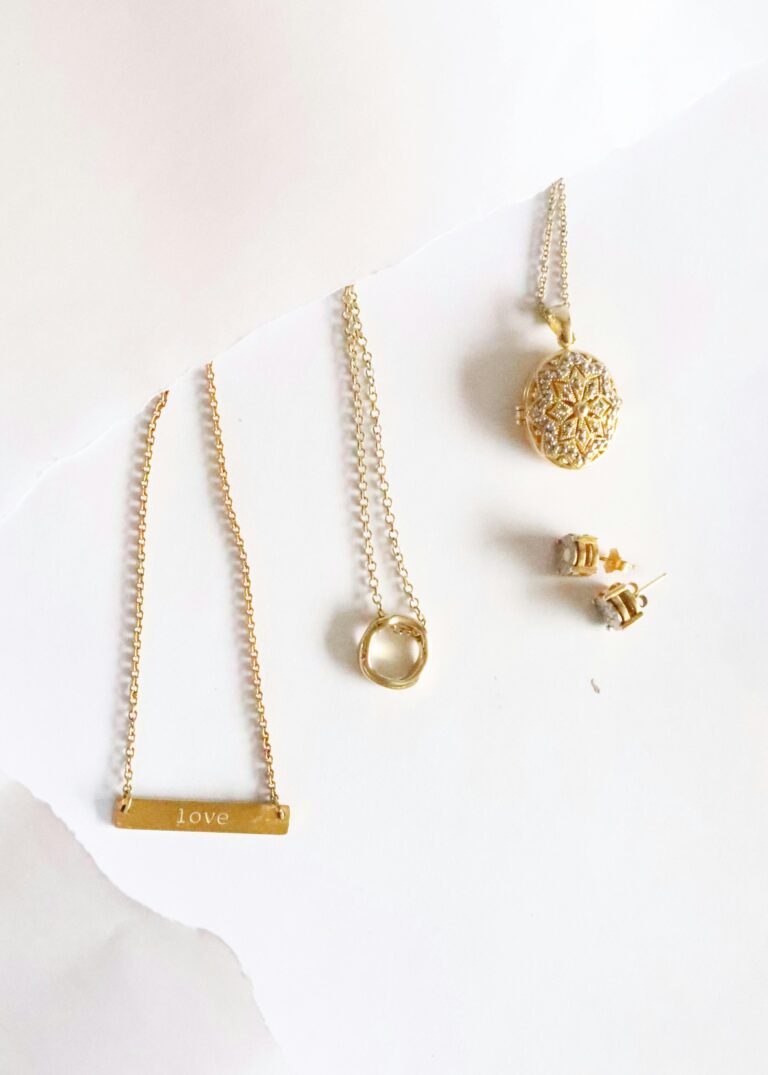
Pendants need breathing room too. Typically, one statement pendant per stack is plenty. Place it on the longest chain so it becomes the anchor. Shorter chains should stay simple, letting the pendant shine. However, two tiny pendants at different lengths can also work if their shapes differ, such as a small disc paired with a delicate bar.
Width matters just as much as texture. For example, pairing a 1mm cable chain with a 3mm rope chain creates visual hierarchy. Two identical widths blur together. When choosing multiple necklaces, aim for one delicate, one medium, and one bolder piece.
Why 18K Gold Plated Stainless Steel Is Perfect for Multiple Necklaces
Building a layered collection is much easier when each piece is affordable and beautiful. 18K gold plated stainless steel jewelry looks identical to solid gold at a fraction of the price. For example, you can own five stunning chains of different lengths for what one solid gold chain would cost. That variety is exactly what great layering needs.
Modern plating technology bonds real 18K gold to a strong stainless steel core. The result is lightweight, scratch-resistant, and hypoallergenic, designed for daily wear. Typically, this makes layered stacks more comfortable because no single chain feels heavy. You can update your collection as your style evolves, swapping pieces in and out without guilt.
How to Care for Multiple Necklaces
Caring for layered pieces takes about ten seconds a day. Remove your stack before showering, swimming, or applying lotion and perfume. Wipe each chain with a soft cloth before storing. These easy habits keep 18K gold plated stainless steel looking brilliant for years.
Join the KartiKart community
10% off, on top of any current sale, your first order + early access to new collections
Free · No spam · Unsubscribe anytime
Storage is the secret to tangle-free multiple necklaces. Hang each chain separately on a jewelry tree, or use individual soft pouches. For example, a small velvet bag per chain prevents knots and scratches. Typically, keeping pieces apart also preserves the smooth gold plating and keeps clasps working perfectly.
Frequently Asked Questions
How many necklaces should I layer at once?
Two to four is the sweet spot. Three is often considered the most balanced. More than four usually starts to feel cluttered unless the chains are extremely delicate.
Can I mix gold and silver tones when wearing multiple necklaces?
Yes, mixed metals are completely on trend. Typically, one tone should dominate while the other acts as an accent. A two-tone pendant is an easy way to tie the stack together.
How do I keep multiple necklaces from tangling during the day?
Choose clearly different lengths with at least two inches between each chain. A necklace separator clasp also helps. For example, a simple magnetic spacer keeps three chains perfectly aligned all day.
Shop Jewelry at KartiKart
Explore our collection of handcrafted 18K Gold Plated Stainless Steel jewelry. Every piece is designed for everyday elegance at an accessible price point.
Necklaces · New Arrivals · Earrings
Sources & Further Reading
For verified gemstone and jewelry information:
Content last reviewed April 2026. If you notice any outdated information, please contact us.
From the KartiKart shop
Wear what you just read about
Dainty, everyday pieces, handpicked by a husband-and-wife team. Free U.S. shipping, gift-ready packaging, 30-day easy returns, and 5% of every order goes to organizations fighting human trafficking.
Shop tarnish-free gold-plated necklaces →