Myanmar Jade vs Chinese Jade: Where Your Stone Comes From

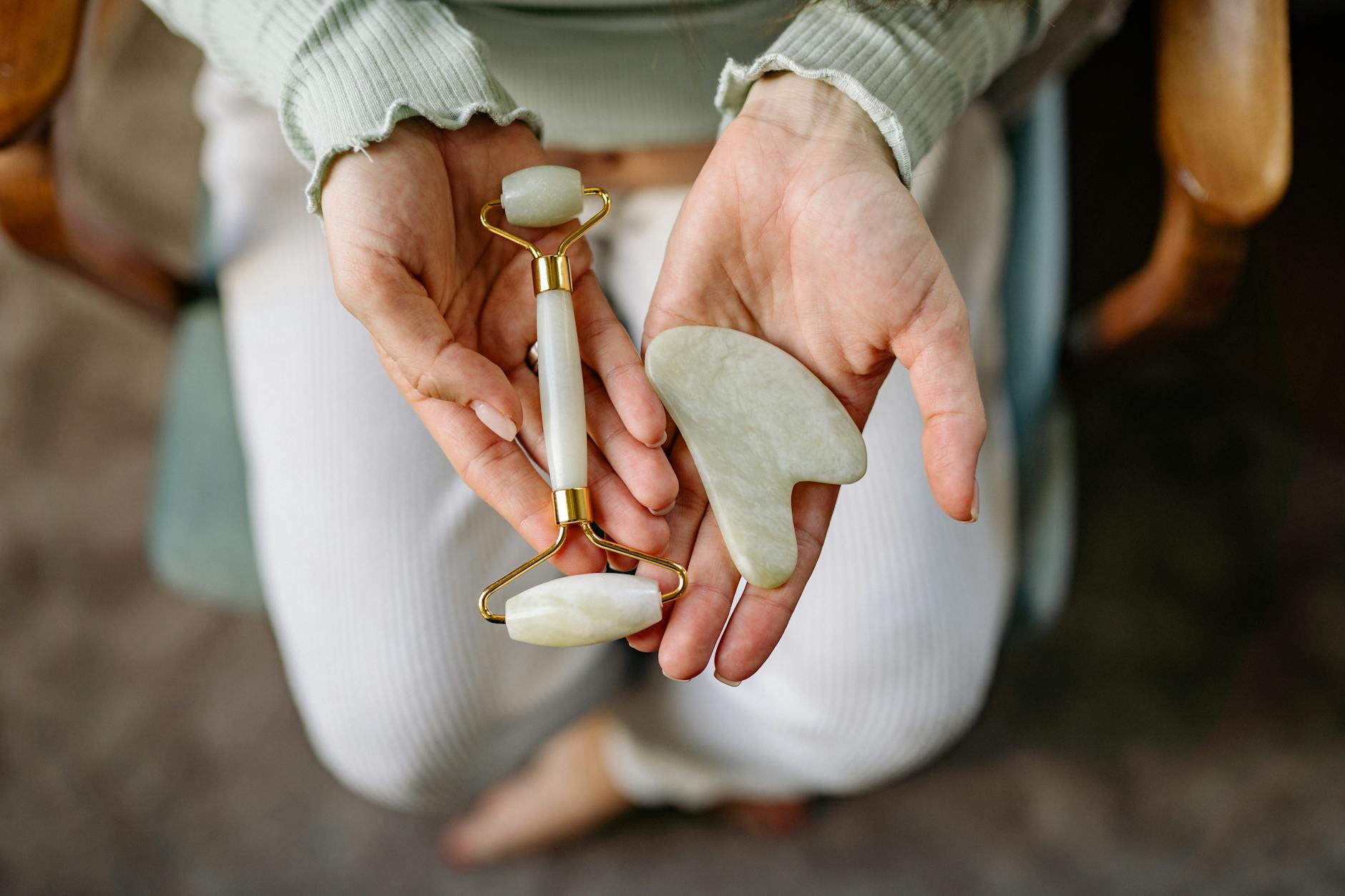
Myanmar chinese jade represents two distinct minerals with very different origins. When you shop for jade jewelry, the stone’s birthplace matters more than most people realize. Myanmar produces jadeite. China produces nephrite. These are separate minerals with different hardness, luster, and value.
However, both are legally and gemologically called “jade.” This distinction has confused buyers for centuries. In fact, French mineralogist Alexis Damour did not formally separate the two minerals until 1863. Understanding where your stone comes from helps you make smarter buying decisions. It also deepens your appreciation for one of the world’s most storied gemstones. The myanmar chinese jade conversation starts with geography and geology.
The Origins of Myanmar Chinese Jade: Two Countries, Two Minerals
Myanmar is the world’s dominant source of gem-quality jadeite. Roughly 70 to 75 percent of the global supply comes from the Hpakant mines in Kachin State. These deposits sit in northern Myanmar’s Uru River valley. Miners pull boulders from riverbeds and hillside pits. Each boulder has a weathered brown skin that must be cut to reveal the color inside. The trade routes between Myanmar and China date back to the Ming Dynasty.
China’s native jade is nephrite, not jadeite. The most prized source is the Hotan region in Xinjiang Province. Hotan produces the legendary “mutton fat” white nephrite, a creamy stone treasured for over 8,000 years. Nephrite deposits form along the Kunlun Mountains where dolomitic marble meets granitic rock. For example, the ancient Liangzhu culture carved nephrite into ceremonial discs as early as 3300 BCE. When people discuss myanmar chinese jade differences, this geological split is the foundation.
How Myanmar Chinese Jade Differs Under the Surface
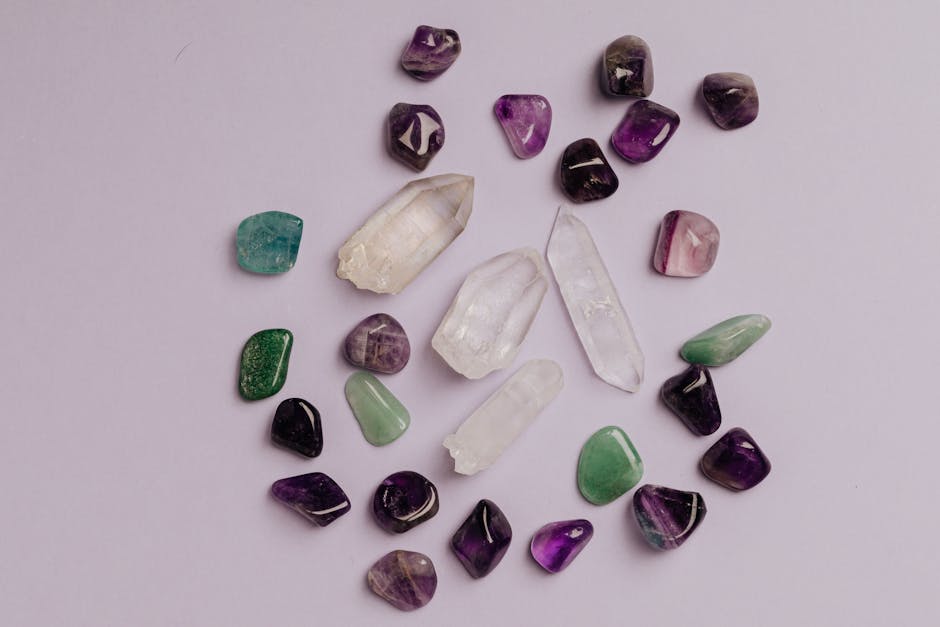
Jadeite and nephrite have different chemical compositions. Jadeite is a pyroxene mineral — sodium aluminum silicate. Nephrite is an amphibole — calcium magnesium iron silicate. According to the Gemological Institute of America (GIA), jadeite rates 6.5 to 7.0 on the Mohs hardness scale. Nephrite is slightly softer at 6.0 to 6.5. However, nephrite’s tightly interlocked fibrous structure makes it extremely tough. In most cases, nephrite actually resists breaking better than jadeite.
The visual differences are telling. Jadeite has a glassy, vitreous luster on polished surfaces. Nephrite shows a waxy, oily sheen. Jadeite offers a broader color spectrum including vivid greens, lavender, and orange-red. Nephrite typically appears in muted greens, creamy whites, and grey-greens. When comparing myanmar chinese jade side by side, the luster difference is usually the first thing you notice. Jadeite also feels heavier in hand due to its higher specific gravity of 3.3 compared to nephrite’s 2.9 to 3.0.
Quality, Grading, and What Drives Myanmar Chinese Jade Prices
The finest jadeite carries the name “Imperial Jade.” This term describes vivid emerald green stones with high translucency and fine grain. The green color comes from trace chromium, the same element that colors emeralds. A single strand of Imperial Jade beads — the famous Hutton-Mdivani necklace — sold at Sotheby’s Hong Kong in 2014 for $27.44 million. Top-grade jadeite can reach $3,000 to $30,000 per carat. In the myanmar chinese jade market, jadeite commands dramatically higher prices.
Nephrite pricing works differently. The most valued Chinese nephrite is Hotan “seed jade,” river-tumbled pebbles with exceptional smoothness. Fine pieces sell for $1,000 to $10,000 per kilogram. Carved nephrite gains value through artistry rather than raw material cost alone. Typically, gram-for-gram, top jadeite is 10 to 100 times more valuable than top nephrite. Buyers should also know about jadeite treatment types. Type A is natural and untreated. Type B has been bleached and filled with resin. Type C has been dyed. Only Type A holds real value.
Practical Tips for Buying Myanmar Chinese Jade Jewelry
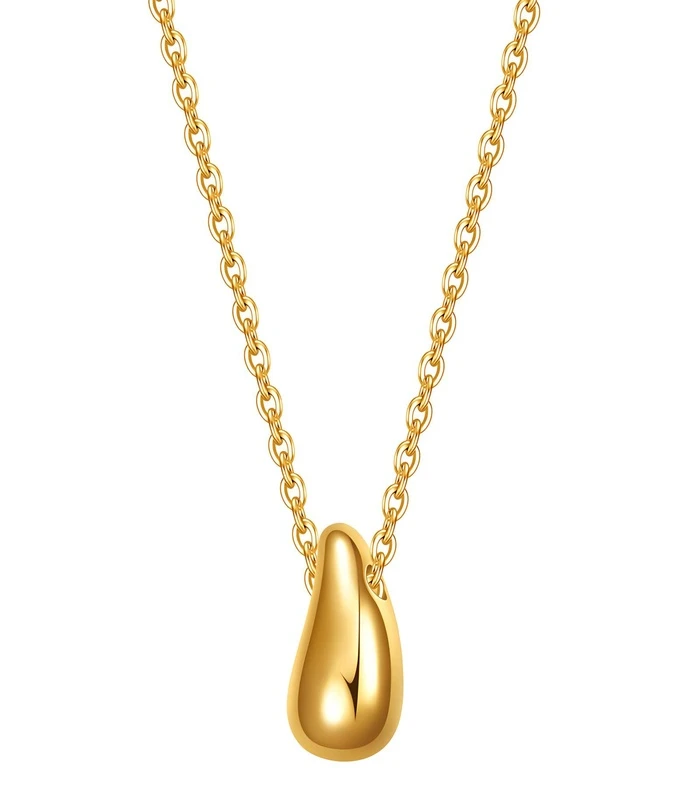
Always ask whether a piece is jadeite or nephrite. Reputable sellers disclose this. Request a gemological certificate for any significant purchase. The GIA and similar labs can confirm the mineral species and detect treatments. A simple specific gravity test separates the two stones quickly. For everyday jewelry, consider pairing jade accents with modern metals. For instance, 18K gold plated stainless steel settings offer a beautiful complement to jade tones. The warm gold color enhances both green jadeite and white nephrite equally. Modern plating technology makes these pieces scratch-resistant, hypoallergenic, and designed for daily wear.
When evaluating myanmar chinese jade pieces, hold the stone up to light. Fine jadeite transmits light with an icy glow. Nephrite appears more opaque with a soft inner warmth. Tap two pieces together gently. Jadeite produces a high-pitched, bell-like ring. Nephrite sounds deeper and more muted. These simple checks, combined with a trusted seller and proper certification, protect your investment. The Smithsonian’s mineral sciences collection offers additional visual references for comparing both jade types.
Frequently Asked Questions
Is Myanmar jade better than Chinese jade?
They are different minerals, not better or worse versions of each other. Myanmar produces jadeite, which is harder and typically more valuable per carat. Chinese nephrite has its own 8,000-year tradition and is prized for its silky texture. The best choice in the myanmar chinese jade debate depends on your priorities — vivid color or historical significance.
How can I tell if my jade is from Myanmar or China?
Check the luster first. Jadeite from Myanmar has a glassy shine while Chinese nephrite has a waxy glow. A gemological lab can confirm species through refractive index and specific gravity testing. For valuable pieces, always get professional certification before buying.
Why is myanmar chinese jade pricing so different between the two types?
Imperial jadeite’s vivid green color, high translucency, and rarity drive extreme prices. The finest pieces contain trace chromium that creates an emerald-like hue. Nephrite is more abundant and valued primarily through carving artistry. However, top Hotan nephrite seed jade still commands significant prices in the Chinese collector market.
Shop Jewelry at KartiKart
Explore our collection of handcrafted 18K Gold Plated Stainless Steel jewelry. Every piece is designed for everyday elegance at an accessible price point.
Bracelets · Best Sellers · Necklaces
Sources & Further Reading
For verified gemstone and jewelry information:
Content last reviewed April 2026. If you notice any outdated information, please contact us.