How the Coastal Grandmother Aesthetic Made Pearl Jewelry the Most Searched Trend of the Year

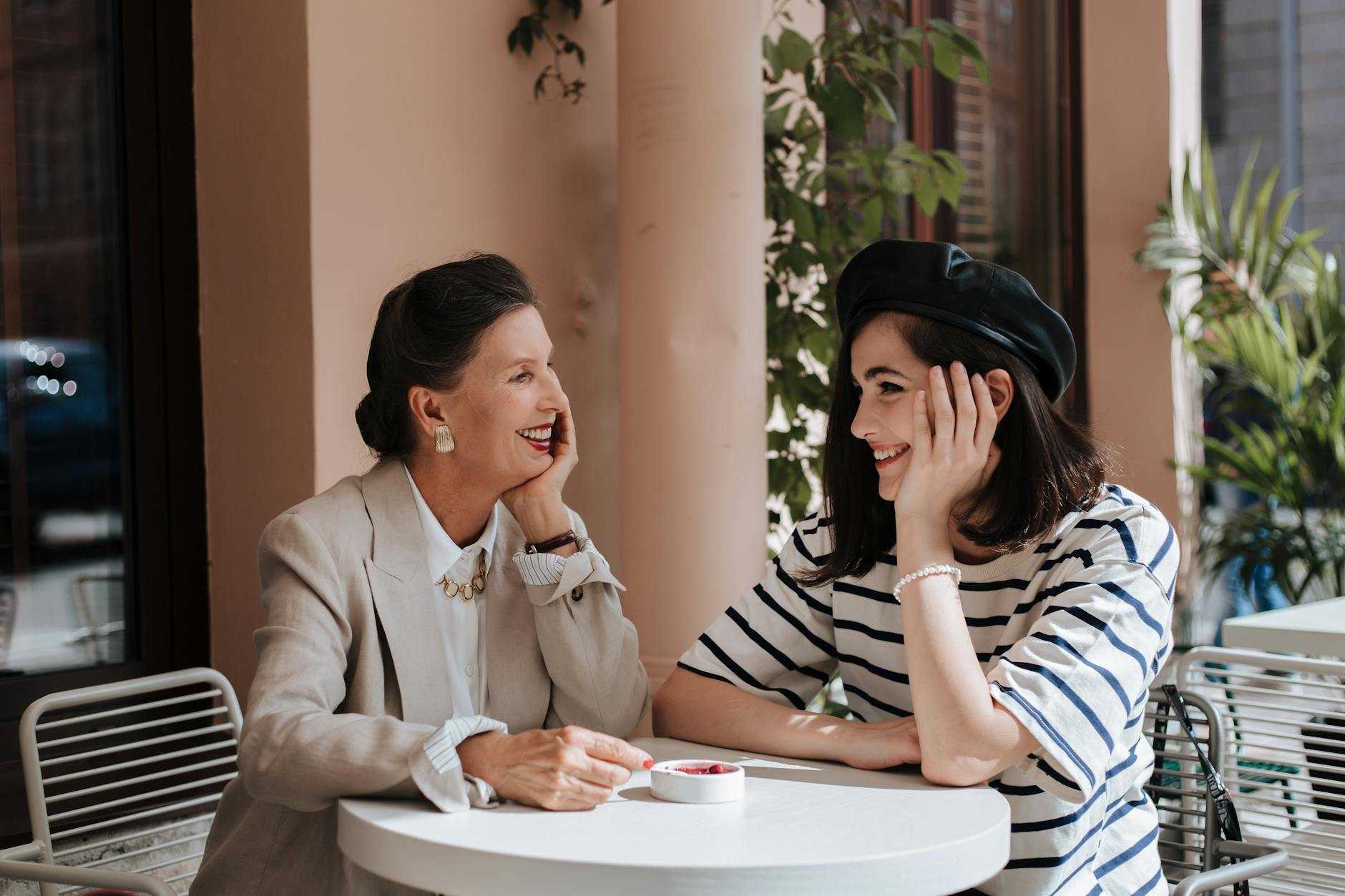
Pearl jewelry has surged from a grandmother’s keepsake to the most talked-about accessory category of the year, and the driving force behind that shift has a name: the coastal grandmother aesthetic. Coined by TikTok creator Lex Nicoleta, this style movement — inspired by Nancy Meyers films and the effortless elegance of figures like Diane Keaton — made yellow gold and pearls its signature combination, evoking a Nantucket seaside feeling that millions of women wanted to replicate. The global pearl jewelry market now sits at USD $19.9 billion as of 2025, with projections reaching $53.8 billion by 2034, reflecting a staggering CAGR of 13.23%.
What makes this trend remarkable is its reach beyond red carpets and editorial shoots. Pearls are being styled with denim, layered into everyday outfits, and worn by women who would never describe themselves as formal dressers. The cocktail-dress-only era for pearls is officially over. This article breaks down exactly how the coastal grandmother movement reshaped pearl jewelry demand, what the current design trends look like, how to style pearls with gold pieces you already own, and where the trend is headed through 2026 and beyond.
Explore our collection of handpicked jade jewelry at KartiKart — minimalist pieces built to last.
Table of Contents
- How Did the Coastal Grandmother Aesthetic Turn Pearl Jewelry Into a Search Phenomenon?
- Why Pearls No Longer Mean What They Used To
- Pearl Jewelry and Gold — Why This Pairing Defines the Trend
- How to Style Pearls With Your Existing Gold Collection
- Pearl Care Mistakes That Shorten the Life of Your Pieces
- The Market Shift Behind the Trend
- Where Pearl Jewelry Goes From Here
- Conclusion
How Did the Coastal Grandmother Aesthetic Turn Pearl Jewelry Into a Search Phenomenon?
The coastal grandmother aesthetic did something unusual in fashion — it made understated elegance feel genuinely exciting. Rather than pushing maximalism or bold statement pieces, the trend celebrated neutrals, flowing silhouettes, and classic jewelry that looked like it had been worn for decades. Pearl jewelry fit that narrative perfectly.
Major brands including Mikimoto and CAMILLA SERETTI quickly aligned their collections with the movement, signaling that this was more than a passing social media moment. The numbers confirm the cultural shift. Female consumers aged 25 to 54 now represent roughly 63% of total pearl jewelry demand, a demographic that overlaps almost exactly with the coastal grandmother audience.
Online sales account for approximately 46% of pearl jewelry purchases, meaning nearly half of all buyers are discovering and shopping for pearls through the same digital channels where the aesthetic first gained traction. What separates this from a typical trend cycle is staying power. Search interest in pearls — particularly mother of pearl — shows consistent seasonal peaks in May and June, and the coastal grandmother aesthetic continues to drive search volume across fashion, interior design, and jewelry categories well into 2026.
This is not a trend that flared and faded. It rewired how a generation thinks about classic accessories.
Why Pearls No Longer Mean What They Used To
For decades, pearl jewelry carried a narrow set of associations: wedding gifts, formal events, a certain age bracket. That perception has been thoroughly dismantled. The current wave of pearl designs intentionally breaks those rules, with sizes trending oversized at 12mm to 15mm and beyond, appearing in sculptural rings, dramatic drop earrings, and chunky single-strand necklaces that read as modern rather than traditional.
Baroque pearls — those with irregular, organic shapes — have become a dominant design choice. Their asymmetry gives each piece a one-of-a-kind quality that appeals to women who want something distinctive rather than uniform. Pearl and shell combinations are also emerging, reinforcing the coastal and organic aesthetic that started the whole movement.
However, if you are expecting every pearl piece to work with every outfit, that assumption can lead to disappointing purchases. Oversized baroque pearl earrings make a strong statement but can overwhelm a minimalist neckline. A delicate freshwater pearl pendant pairs beautifully with gold layering pieces but disappears next to a chunky knit.
The key is matching the scale of your pearl jewelry to the rest of your look rather than treating all pearls as interchangeable.
Pearl Jewelry and Gold — Why This Pairing Defines the Trend
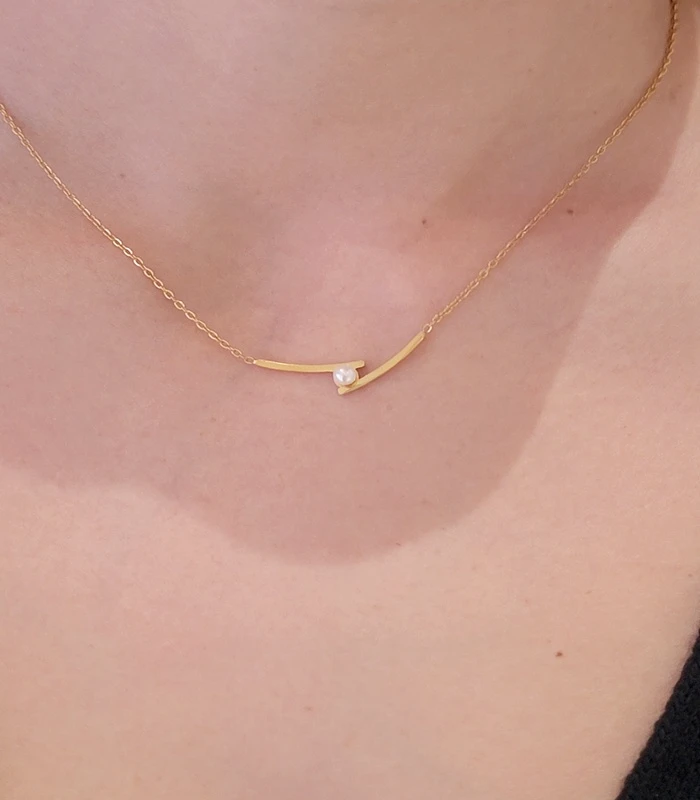
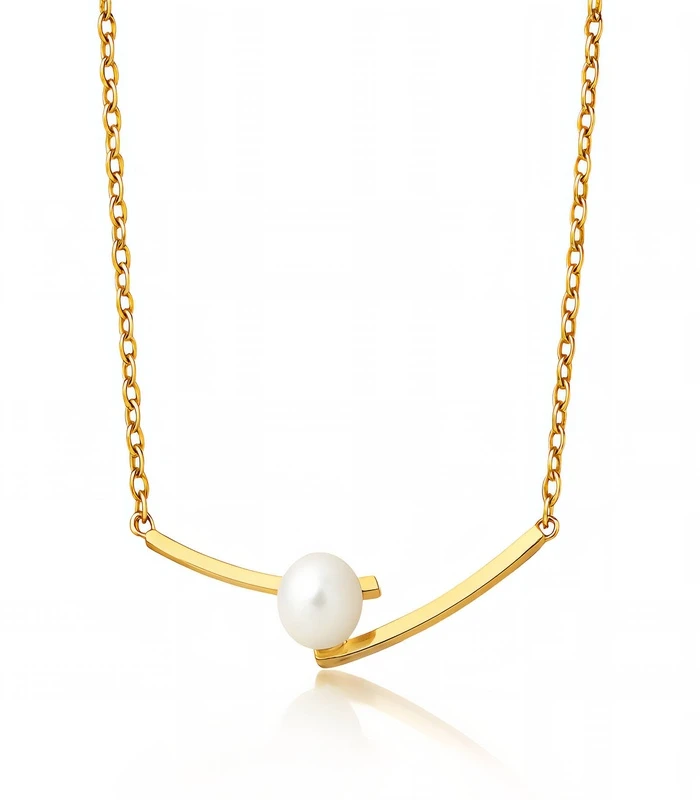
The coastal grandmother aesthetic does not just favor pearls in isolation — it specifically pairs them with yellow gold, and that combination is central to why the trend feels so polished. A single pearl pendant on an 18K Gold Plated Stainless Steel chain captures the entire mood of the movement: warm metal, organic gem, minimal fuss. This is the pairing that shows up repeatedly in editorial spreads, TikTok styling videos, and the collections of brands tracking the trend.
Gold plated pearl jewelry has become particularly relevant because it allows women to experiment with the aesthetic without committing thousands of dollars to a single piece. Modern plating technology has greatly improved durability, and 18K Gold Plated Stainless Steel offers a look that is identical to solid gold while being lightweight and easy to update as your collection evolves. When the trend shifts from delicate pearl studs to oversized baroque pendants, you can follow it without agonizing over the investment.
Industry data shows that minimalist pearl designs account for 46% of current adoption, while mixed-material jewelry — including pearl and gold combinations — represents 39%. Customizable pearl settings are at 34%, and certified origin labeling has reached 51%, suggesting that today’s pearl buyer is both style-conscious and informed. The woman buying pearl jewelry in 2026 knows what she wants and how she wants to wear it.
How to Style Pearls With Your Existing Gold Collection
The most practical aspect of the coastal grandmother pearl trend is that it layers seamlessly with gold pieces most women already own. A thin gold chain worn alongside a pearl choker creates depth without clutter. Gold huggie hoops paired with a single pearl drop earring on one side gives the intentionally asymmetrical look that editorial stylists have been pushing all year.
Start by assessing what you have. If your collection includes 18K Gold Plated Stainless Steel bangles, layering chains, or simple stud earrings, you already have the foundation. Add a single freshwater pearl pendant or a pair of baroque pearl studs, and you have a complete coastal grandmother jewelry story.
The goal is warmth and ease, not a perfectly matched set. The tradeoff to consider is between classic and contemporary pearl shapes. Perfectly round pearls read more traditional and pair well with structured outfits — think tailored blazers and linen trousers.
Baroque and irregular pearls lean modern and work better with relaxed silhouettes, oversized knits, and denim. Mixing the two can work, but it requires a confident eye. When in doubt, keep your pearl shapes consistent within a single outfit and let the gold pieces provide variety in texture and weight.
Pearl Care Mistakes That Shorten the Life of Your Pieces
Pearls are among the softer gems in jewelry, ranking just 2.5 to 4.5 on the Mohs hardness scale, which means they scratch and dull more easily than most stones. The single biggest mistake is wearing pearl jewelry while applying perfume, hairspray, or lotion. These chemicals eat into the nacre — the lustrous surface layer — and once that damage occurs, it cannot be reversed.
Water is another concern, particularly for pearl pieces set in gold plated settings. While stainless steel itself is highly water-resistant, keeping your gold plated pearl jewelry away from pools, showers, and extended moisture exposure is simple maintenance that preserves both the plating and the pearl’s luster. Store pieces in a soft pouch rather than tossing them into a jewelry box where they can rub against harder metals or stones.
One limitation worth noting: freshwater pearls, which represent approximately 74% of total pearl output globally, are more affordable and widely available than Akoya, South Sea, or Tahitian varieties, but they are also more porous. This means they absorb oils and chemicals slightly faster. If you wear freshwater pearl jewelry daily, wiping each piece with a soft, damp cloth after wearing goes a long way toward maintaining its appearance over months and years.
The Market Shift Behind the Trend
The numbers behind pearl jewelry’s resurgence are not just impressive — they signal a structural change in how the jewelry industry operates. Cultured pearls now account for roughly 97% of total market availability, with natural pearls comprising less than 3%. This means the supply chain is built almost entirely around cultured pearl farming, making pearls more accessible and consistent in quality than at any point in history.
For consumers, this translates into more options at every price point. You can find genuine freshwater pearl studs set in 18K Gold Plated Stainless Steel for a fraction of what a comparable solid gold and South Sea pearl set would cost — and for everyday wear, the visual difference is negligible. The smart approach is to invest in the pearl styles you will wear most often and build variety through accessible, well-made pieces that let you follow seasonal trends without overspending.
Where Pearl Jewelry Goes From Here
The coastal grandmother aesthetic gave pearl jewelry its cultural moment, but the trajectory suggests something more lasting than a single trend cycle. With the global market projected to nearly triple by 2034, the industry is investing heavily in pearl design innovation, sustainable farming practices, and direct-to-consumer sales channels that will keep prices competitive and styles current. Expect to see more pearl and mixed-material designs, continued growth in oversized and baroque styles, and an increasing emphasis on origin transparency — already at 51% adoption for certified labeling.
The woman who discovered pearls through a TikTok aesthetic is not going back to thinking of them as old-fashioned. She has made them part of her personal style vocabulary, and the market is building around that reality.
Looking for minimalist jade jewelry? Browse our full collection of necklaces, bracelets, earrings, and rings at KartiKart. Free shipping on all US orders.
Conclusion
The coastal grandmother aesthetic accomplished something rare: it took a jewelry category that many younger women had written off and made it feel essential. Pearl jewelry’s rise from heirloom relic to the most searched trend of the year was driven by a perfect alignment of cultural timing, social media reach, and a genuine desire for elegance that does not try too hard. The numbers — a $19.9 billion market growing at over 13% annually — confirm that this is consumer behavior, not just content.
Whether you are adding your first pearl piece to an existing gold collection or building out a full coastal-inspired jewelry rotation, the principle is the same: start with what feels natural, match pearl scale to your personal style, and treat these pieces with the simple care they require. Pearls have earned their place back in everyday jewelry. The trend made the introduction, but the staying power is all substance.
You Might Also Like
- how your grandmother’s jewelry box became the most influential trend in fashion right now
- how sanctions on russian diamonds are reshaping the fine jewelry market without most buyers noticing
- Why the Jewelry Industry Exposed to Lab Testing Fails More Than You ThinkWait, let me give you something cleaner and more natural:Why Most Jewelry Sold as Solid Gold Would Fail an Independent Lab Test