
How Currency Exchange Rates Secretly Affect the Price of Your Jewelry

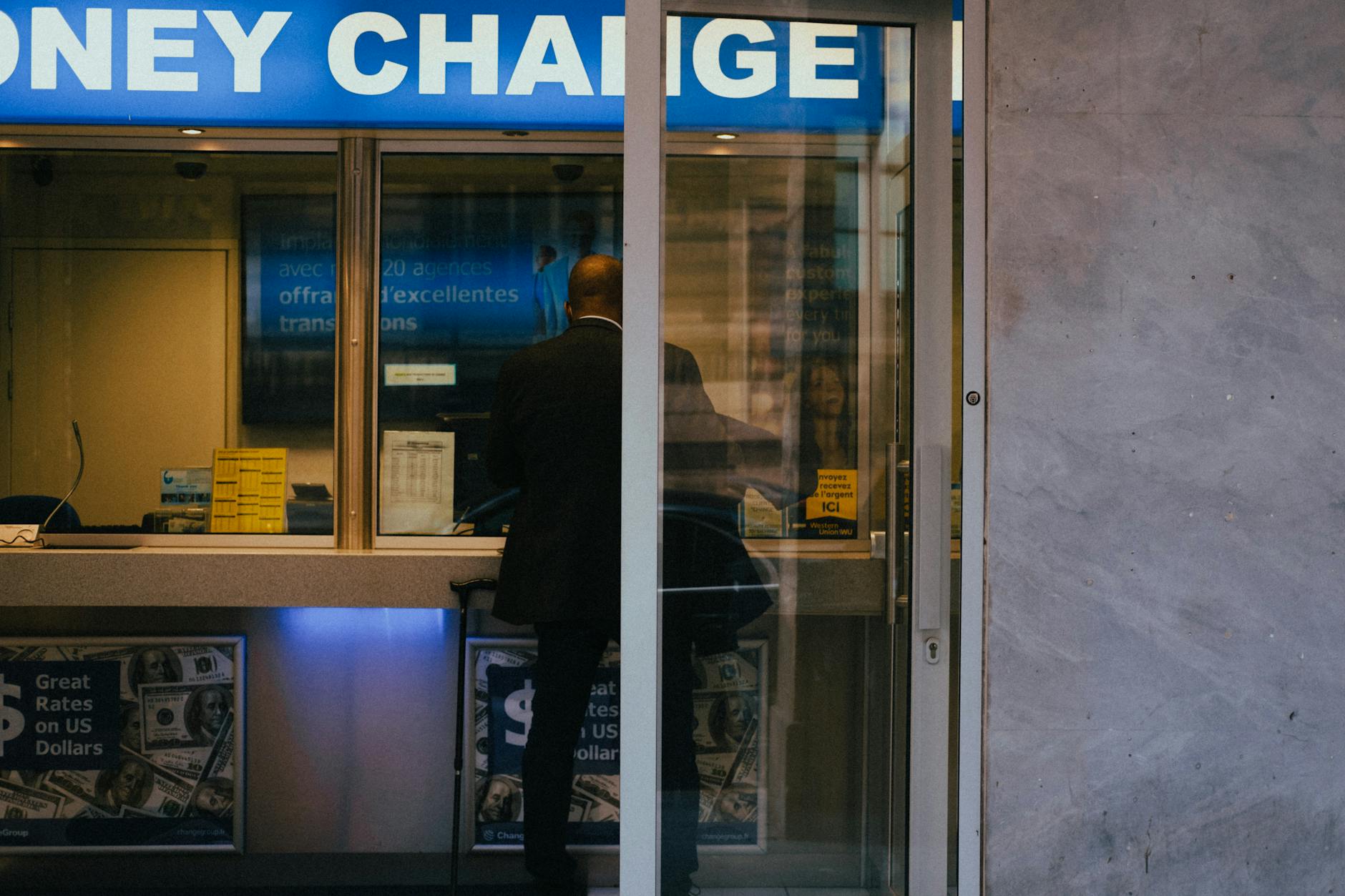
Few shoppers realize that the factors which price jewelry at your favorite store have remarkably little to do with the piece sitting in the display case and everything to do with global currency markets operating thousands of miles away. When the U.S. dollar weakens against currencies like the South African rand, the Indian rupee, or the Chinese yuan, the raw materials and skilled labor behind your jewelry become more expensive to import — and those costs inevitably land on the price tag you see at checkout. Here is a rough sense of the scale involved: gold is traded internationally in U.S.
dollars, so when the dollar drops even a few percentage points against major currencies, the cost of sourcing, refining, and manufacturing gold-based jewelry shifts accordingly. The same applies to gemstones mined in countries whose currencies fluctuate against the dollar. A jade bangle sourced from Myanmar or a sapphire cut in Sri Lanka can quietly become more or less expensive depending on exchange rate movements that most consumers never track. This article breaks down exactly how these invisible currency forces shape what you pay, which materials are most affected, how jewelry brands absorb or pass along those costs, and what you as a buyer can actually do about it. Whether you are shopping for 18K Gold Plated Stainless Steel pieces or solid gemstone jewelry, understanding this dynamic gives you a genuine advantage.
Explore our collection of handpicked jade jewelry at KartiKart — minimalist pieces built to last.
Table of Contents
- How Do Exchange Rates Secretly Price Jewelry Materials Before They Reach You?
- Which Jewelry Materials Are Most Vulnerable to Currency Swings?
- How Jewelry Brands Absorb or Pass Along Costs That Price Jewelry Higher
- Smart Shopping Strategies When Currency Markets Are Volatile
- The Hidden Risk of Gemstone Pricing in Unstable Economies
- Why Gold-Plated Jewelry Offers a Buffer Against Currency Volatility
- What Currency Trends Could Mean for Future Jewelry Prices
- Conclusion
How Do Exchange Rates Secretly Price Jewelry Materials Before They Reach You?
The global jewelry supply chain crosses multiple borders before a finished piece reaches your hands, and every border crossing involves a currency conversion. gold is benchmarked in U.S. dollars on the London Bullion Market, but the miners extracting it in South Africa are paid in rand, the refiners in Switzerland work in francs, and the manufacturers in China or India operate in yuan or rupees.
Each of those conversions introduces exchange rate risk, and that risk gets priced into the final product. When the dollar is strong relative to these currencies, American jewelry buyers benefit because it costs fewer dollars to purchase the same amount of foreign labor and materials. When the dollar weakens, the opposite happens.
A sustained decline of even five to ten percent in the dollar’s value against the rupee, for example, can noticeably price jewelry coming out of India’s massive cutting and polishing industry higher — and India processes an estimated majority of the world’s diamonds and a significant share of colored gemstones. What makes this particularly tricky is the time delay. Jewelry brands often purchase materials months before a piece reaches the retail floor.
The exchange rate at the time of sourcing, not the rate on the day you buy, is what actually determined the cost. This means price increases can feel sudden and unexplained when they finally appear, because the currency shift that caused them happened quietly weeks or months earlier.
Which Jewelry Materials Are Most Vulnerable to Currency Swings?
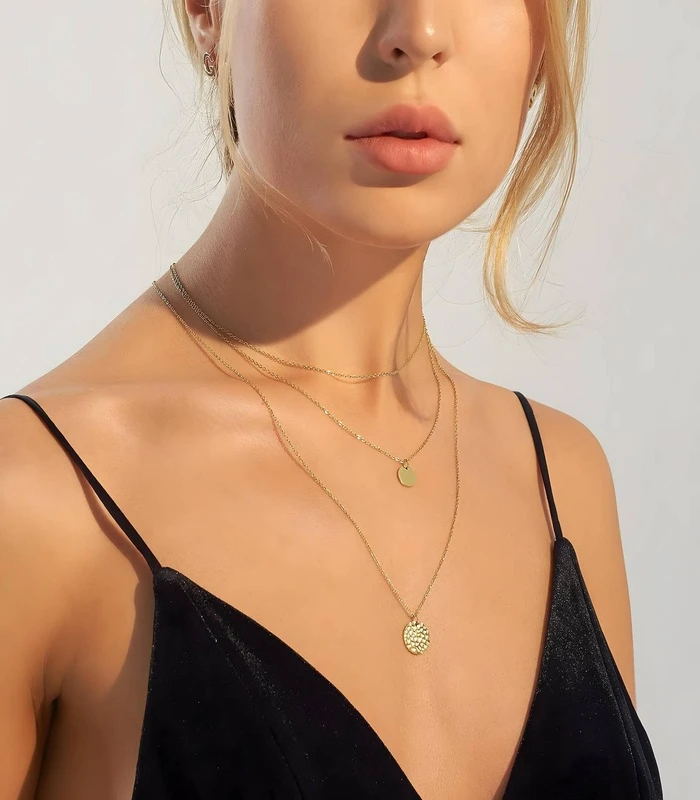
Not all jewelry is equally exposed to exchange rate volatility. Solid gold jewelry carries the heaviest currency risk because gold itself is a globally traded commodity whose price responds directly to dollar strength. When the dollar weakens, gold’s dollar-denominated price tends to rise — a relationship that has held consistently over decades.
This is one reason solid gold jewelry prices can swing noticeably from season to season. Gemstones face a different but related vulnerability. Stones like jade, emeralds, sapphires, and rubies are sourced from a handful of specific countries — Myanmar, Colombia, Sri Lanka, Zambia — where local currency movements directly affect mining and export costs.
A strengthening local currency in any of these nations means higher costs for American importers. However, if you are buying domestically sourced stones or lab-created gems, currency exposure drops significantly, since most of the value chain stays within one economy. Materials like stainless steel present an interesting contrast.
While stainless steel is still a globally traded commodity, its price is far less volatile than precious metals, and the manufacturing cost makes up a larger share of the final price jewelry carries. This is one practical reason that 18K Gold plated Stainless Steel jewelry tends to have more stable pricing than solid gold — the base material is less subject to dramatic currency-driven cost swings, which means the price you see today is more likely to hold steady.
How Jewelry Brands Absorb or Pass Along Costs That Price Jewelry Higher
Jewelry companies handle rising costs from currency shifts in a few different ways, and understanding these strategies helps explain the pricing patterns you see as a shopper. Large brands with global operations often use financial instruments called currency hedges — essentially contracts that lock in exchange rates months in advance. This insulates them from short-term volatility, but hedges eventually expire, and if unfavorable rates persist, price increases follow.
Smaller and mid-sized jewelry brands typically lack the resources for sophisticated hedging. Instead, they absorb short-term losses or quietly adjust their collections. You might notice a brand shifting toward lighter-weight designs, using thinner chains, or introducing more pieces in alternative materials.
These are often subtle responses to currency pressure rather than pure design choices. When a brand that previously offered mostly solid gold pieces suddenly promotes a gold-plated line, exchange rates may be part of the story. Some brands are transparent about these dynamics, while others simply adjust prices without explanation.
As a consumer, it is worth knowing that a sudden price increase on jewelry you have been watching does not necessarily mean the brand is gouging you — it may reflect genuine cost pressure from currency markets that quietly price jewelry higher across the entire industry.

Smart Shopping Strategies When Currency Markets Are Volatile
The most practical thing you can do is diversify the types of jewelry you buy based on material exposure. If the dollar is weak and gold prices are climbing, that is an excellent time to explore 18K Gold Plated Stainless Steel pieces, which deliver the same visual impact as solid gold but with significantly less exposure to currency-driven gold price spikes. You get the warmth and richness of gold without your purchase price being tethered to commodity market turmoil.
Timing also matters more than most shoppers realize. Historically, gold and gemstone prices tend to dip during periods of dollar strength. If you follow even a basic currency tracker, you can spot windows when the dollar is performing well against key jewelry-supply currencies and make your purchases then.
This is especially relevant for higher-ticket items like solid gold or rare gemstones, where even a small percentage shift translates to meaningful dollars. Another approach is to invest in versatile, well-made pieces that do not need frequent replacing. A durable stainless steel bracelet with quality gold plating, for example, lets you build a collection gradually without pressure to buy everything at once.
If prices rise due to currency shifts, you are not stuck needing to replace a worn-out piece at an inflated cost — the durability of stainless steel as a base metal means your pieces last, giving you the flexibility to wait for better pricing conditions.
The Hidden Risk of Gemstone Pricing in Unstable Economies
Gemstone-producing countries often have less stable currencies than major economies, which introduces a specific risk that can price jewelry erratically. When a producing nation experiences political instability or economic crisis, its currency may plummet — and while this theoretically makes its exports cheaper in dollar terms, the practical reality is more complicated. Mining operations may slow or halt, export restrictions may tighten, and the uncertainty itself drives prices up.
Myanmar’s jade industry illustrates this dynamic clearly. As one of the world’s primary sources of high-quality jadeite, Myanmar’s political and economic conditions directly affect global jade supply and pricing. The Gemological Institute of America (GIA) has documented how jade valuation depends not just on the stone’s qualities but on the complex supply chain that delivers it from mine to market.
When that supply chain is disrupted by currency instability or political upheaval, prices can spike in ways that have nothing to do with the stone’s inherent qualities. For buyers, the warning here is that gemstone prices during periods of instability in producing countries may not reflect true long-term value. If you see sudden price jumps on specific stones, it is worth investigating whether a supply disruption is driving the increase before making a large purchase — the price may correct once conditions stabilize.
Why Gold-Plated Jewelry Offers a Buffer Against Currency Volatility
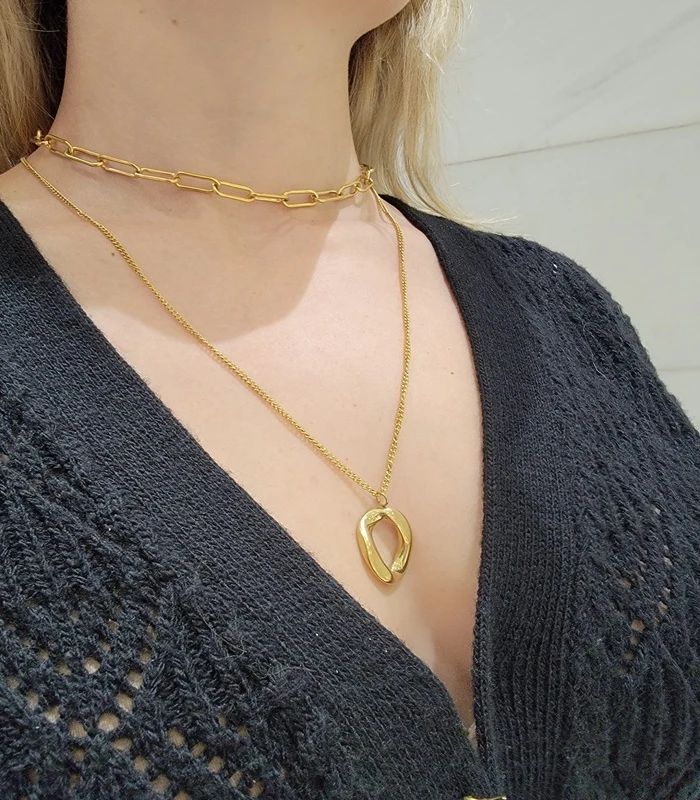
One underappreciated advantage of gold-plated jewelry is how it structurally reduces your exposure to the gold commodity market. In a solid gold ring, the gold content might represent the majority of the item’s cost, meaning that piece is essentially a wearable gold investment subject to every currency swing that affects gold pricing. In an 18K Gold Plated Stainless Steel ring, the gold content is a thin layer applied through modern electroplating technology, so the gold commodity price represents a much smaller fraction of the total cost.
This means that when currency markets are in turmoil and gold prices climb, the price jewelry made from gold-plated stainless steel remains comparatively stable. The craftsmanship, design, and base material costs — which are less volatile — make up the bulk of what you pay. For anyone building a jewelry collection with an eye on value and variety, this stability is a genuine practical benefit that goes beyond simple affordability.
What Currency Trends Could Mean for Future Jewelry Prices
Looking ahead, several long-term currency trends are worth watching if you care about what you pay for jewelry. The ongoing economic growth in major jewelry-manufacturing nations like India and China suggests their currencies may gradually strengthen against the dollar over time, which would increase production costs for jewelry destined for the American market. At the same time, the World Gold Council has noted sustained central bank gold buying by several nations, which supports higher gold prices independent of pure currency effects.
For practical purposes, this suggests that jewelry prices in the United States are more likely to trend upward than downward over the coming years — not dramatically, but steadily. Building your collection thoughtfully now, choosing durable materials and timeless designs in both solid and plated options, positions you well regardless of where currencies move next. The shoppers who understand these forces will not be caught off guard when prices shift.
Looking for minimalist jade jewelry? Browse our full collection of necklaces, bracelets, earrings, and rings at KartiKart. Free shipping on all US orders.
Conclusion
Currency exchange rates are one of the most significant yet least understood forces that price jewelry on every shelf and in every online store. From the dollar’s strength against mining-country currencies to the time delay between material sourcing and retail pricing, these invisible dynamics shape what you pay in ways that deserve your attention.
Understanding which materials carry more currency exposure — and which, like 18K Gold Plated Stainless Steel, offer a natural buffer — gives you a genuine edge as a shopper. The practical takeaway is straightforward: pay attention to the dollar’s general direction, diversify your jewelry materials rather than going all-in on one type, and recognize that price changes often reflect global economic forces rather than arbitrary brand decisions. Knowledge of these dynamics does not just save you money — it helps you make confident, well-timed purchases and build a collection that reflects smart choices as much as personal style.