PVD Gold Coating vs Traditional Plating: Which Lasts Longer
PVD gold coating has transformed how modern jewelry holds up against daily wear. If you have ever bought a gold-plated ring or bracelet that lost its shine within months, you already know the frustration. Traditional gold electroplating uses an electrolytic bath to deposit a thin gold layer onto metal. PVD gold coating takes a completely different approach.
It vaporizes gold inside a vacuum chamber and bonds it to the surface at the molecular level. The result is a finish that resists scratches, tarnishing, and fading far longer than older plating methods. However, most shoppers still do not understand the real differences between these two processes. This guide breaks down exactly how each method works, how long they last, and what to look for when choosing your next piece of gold jewelry.
How PVD Gold Coating Actually Works
PVD stands for Physical Vapor Deposition. The process happens inside a vacuum chamber at extremely low pressure. A gold target material is bombarded with high-energy ions. Those ions knock gold atoms loose. The atoms travel through the vacuum and condense onto the jewelry surface. This creates an atomic-level bond between the gold and the base metal. According to Wikipedia’s overview of PVD, this method produces thin films with very high hardness and low friction.
Traditional electroplating works differently. The jewelry piece sits in a liquid bath containing dissolved gold and a chemical electrolyte. An electric current pulls gold ions out of the solution and deposits them onto the surface. The bond is chemical rather than molecular. Wikipedia notes that gold cyanide is the standard commercial electrolyte used in this process. The resulting layer is softer and more vulnerable to abrasion over time.
The key difference is bond strength. PVD gold coating fuses at the atomic level. Electroplating sits on the surface. That single distinction drives every durability advantage that follows.
Shop tarnish-free gold-plated jewelry
View all →
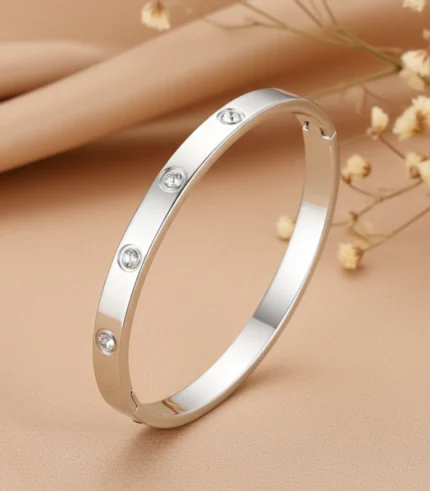
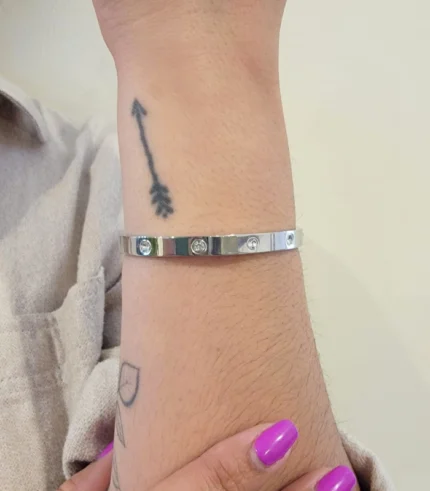
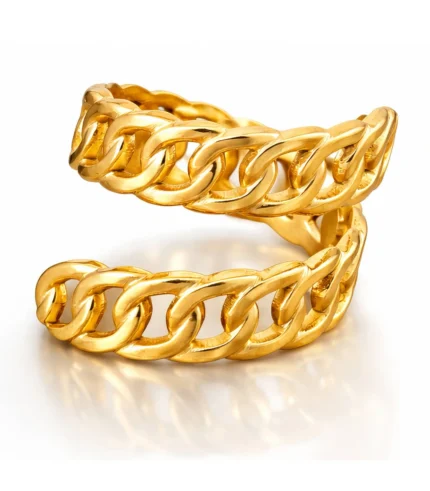
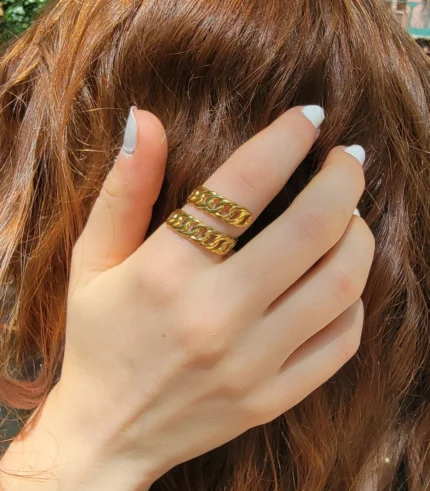
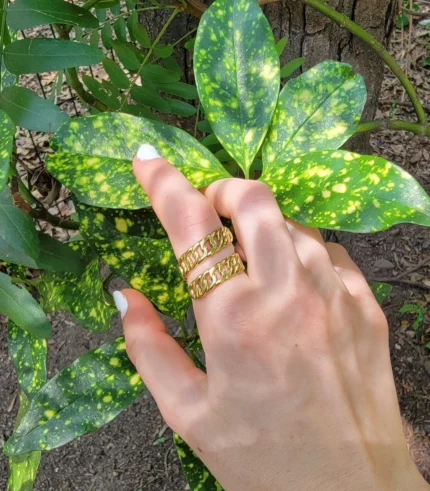
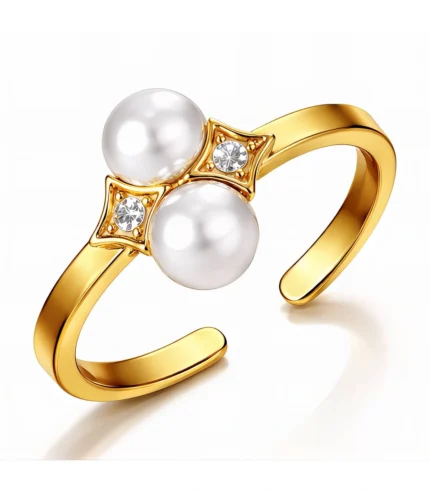
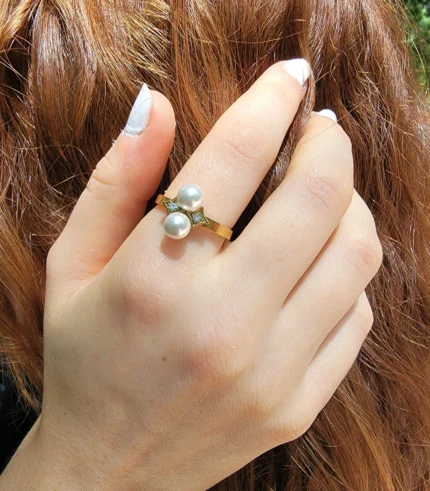
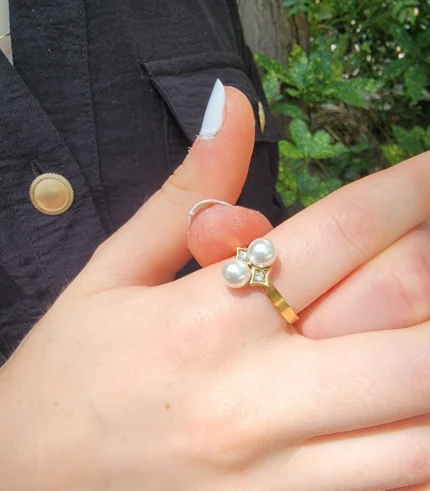
PVD Gold Coating vs Electroplating: The Durability Numbers
Hardness tells the real story. Traditional gold electroplating measures between 100 and 200 on the Vickers hardness scale. PVD gold coating ranges from 1,500 to 2,500 HV. That makes pvd gold coating roughly 10 to 20 times harder than standard plating. For context, titanium nitride PVD coatings approach the hardness of sapphire.
Lifespan follows hardness. Standard gold electroplating on fashion jewelry typically shows visible wear within a few months to one year of daily use. Heavier plating at 2.5 microns can last one to two years. In most cases, pvd gold coating on stainless steel jewelry lasts two to five years with daily wear. With proper care, high-quality PVD pieces can maintain their finish for up to ten years.
Thickness is less important than you might think. PVD jewelry coatings typically range from 0.5 to 1.5 microns. Standard electroplating ranges from 0.175 to 2.5 microns. Even when the pvd gold coating is thinner, its molecular bond and ceramic-level hardness outperform a thicker electroplated layer. A thinner coat that bonds at the atomic level beats a thicker coat that sits on the surface.

What Makes PVD Gold Coating the Smarter Choice for Everyday Jewelry
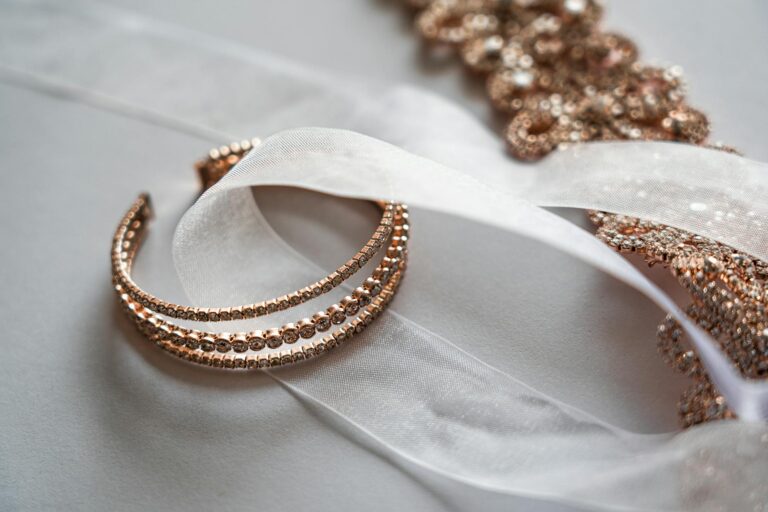
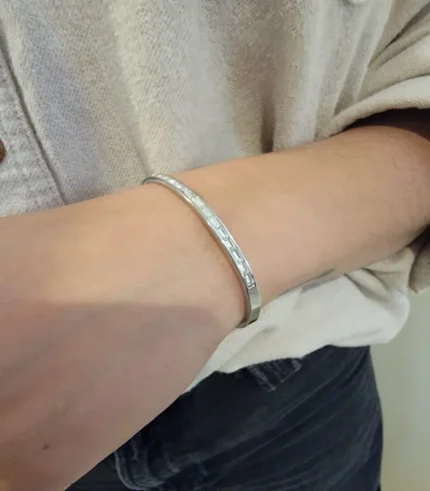
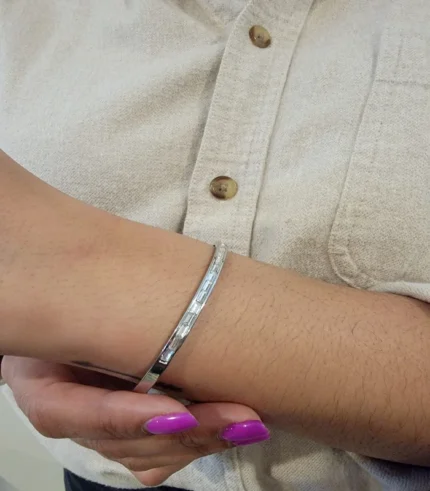
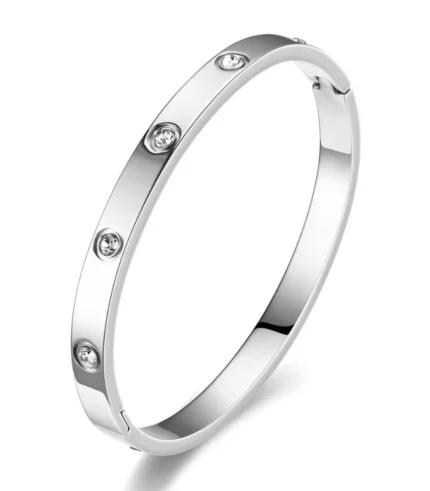
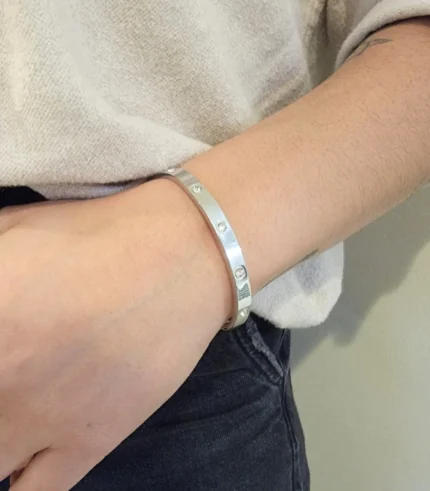
Scratch resistance matters most on pieces you wear daily. Bracelets hit desks. Rings bump doorknobs. Necklaces rub against fabric. Traditional plating wears fastest at these contact points. Once that layer breaks, the base metal shows through. PVD gold coating handles this friction without exposing the metal underneath. For example, the edges of a pvd gold coating bracelet stay intact far longer than the same spots on an electroplated piece.
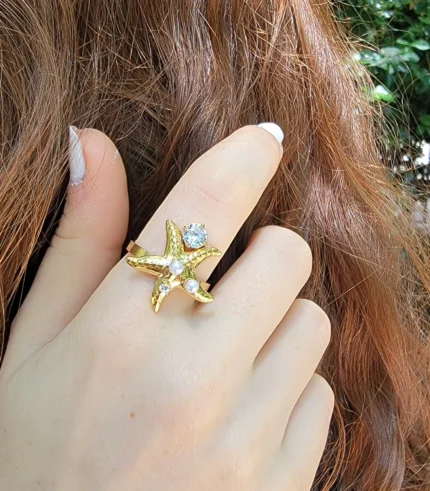
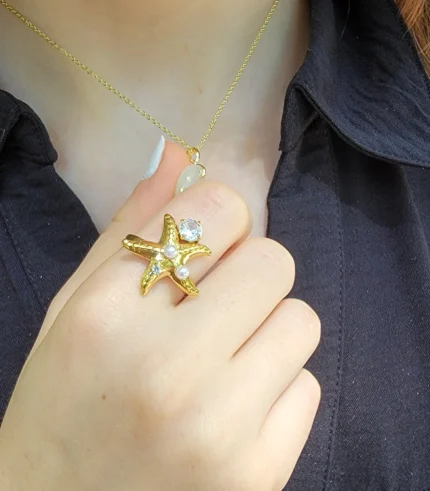
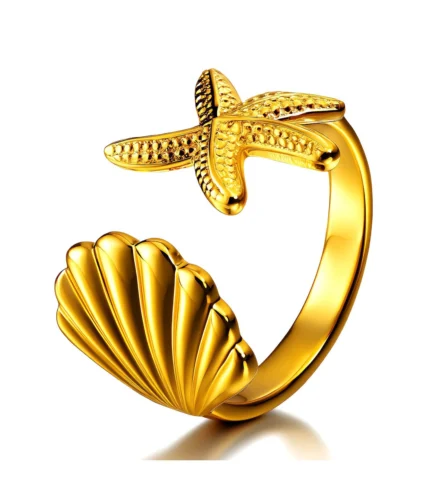
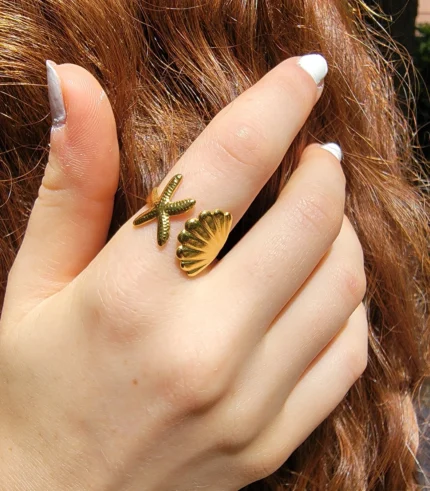
Modern 18K gold plating on stainless steel combines the best of both technologies. Stainless steel provides a hypoallergenic, corrosion-resistant base. The pvd gold coating adds a warm 18K gold finish that does not fade or tarnish under normal conditions. This combination is why surgical instruments and even medical implants use PVD technology. If it is trusted inside the human body, it handles a day at the office.
Tarnish resistance is another practical win. Traditional plating reacts with moisture, sweat, and chemicals in skincare products. PVD gold coating creates a chemically stable barrier. Typically, tarnishing does not begin until after two years of frequent wear. That means less maintenance and more confidence wearing your pieces anywhere.
Simple Care Habits That Maximize Your PVD Gold Coating
Even the most durable finish benefits from a few easy habits. Remove jewelry before swimming or applying lotion. This takes about ten seconds and prevents unnecessary chemical exposure. Store pieces separately in a soft pouch or lined box to avoid surface contact between items. Wipe your jewelry with a soft cloth after wearing it. These three small steps keep pvd gold coating looking fresh for years.
Join the KartiKart community
10% off, on top of any current sale, your first order + early access to new collections
Free · No spam · Unsubscribe anytime
One of the biggest advantages of pvd gold coating on stainless steel is that you never need to re-plate it. Traditional electroplated jewelry often requires professional re-plating every year or two. That adds cost and downtime. With PVD, the finish you buy is the finish you keep. This makes it the smart choice for building a versatile jewelry collection. You can own five stunning pieces for the price of one solid gold item, each one designed to last.
Frequently Asked Questions
How long does pvd gold coating last compared to regular gold plating?
PVD gold coating typically lasts two to five years with daily wear, and up to ten years with proper care. Traditional gold electroplating usually shows wear within a few months to two years. The molecular bond in PVD makes it five to ten times more durable than standard plating.
Is pvd gold coating hypoallergenic and safe for sensitive skin?
Yes. PVD gold coating on surgical-grade stainless steel is hypoallergenic. The coating creates a stable barrier that minimizes nickel release to well below EU safety limits. This same technology is used in FDA-approved medical devices.
Does pvd gold coating look different from traditional gold plating?
Both finishes achieve a rich, warm gold appearance. However, pvd gold coating tends to maintain its luster longer because of its superior scratch and tarnish resistance. Over time, the visual difference becomes obvious as traditional plating fades while PVD stays bright.
Shop Jewelry at KartiKart
Explore our collection of handcrafted 18K Gold Plated Stainless Steel jewelry. Every piece is designed for everyday elegance at an accessible price point.
Best Sellers · Earrings · Bracelets
Sources & Further Reading
For verified gemstone and jewelry information:
Content last reviewed April 2026. If you notice any outdated information, please contact us.
From the KartiKart shop
Wear what you just read about
Dainty, everyday pieces, handpicked by a husband-and-wife team. Free U.S. shipping, gift-ready packaging, 30-day easy returns, and 5% of every order goes to organizations fighting human trafficking.
Shop tarnish-free gold-plated jewelry →