How to Tell Quality Gold Plating From Cheap Coating
Quality gold plating has transformed the modern jewelry market. Today’s gold-plated pieces look identical to solid gold. The difference is simply a smarter approach to building your collection. Modern plating technology uses electrochemical processes to bond real gold onto durable base metals like stainless steel.
The result is beautiful, lasting jewelry at a fraction of solid gold prices. However, not all gold plating is created equal. Understanding what separates quality gold plating from a thin, rushed coating helps you shop with confidence. The thickness, base metal, and bonding method all determine how long a piece maintains its brilliance. This guide breaks down the facts so you know exactly what to look for.
What Makes Quality Gold Plating Stand Out
The single biggest factor in quality gold plating is thickness. Gold plating is measured in microns. According to Wikipedia’s gold plating overview, the FTC requires at least 0.5 microns for the label “gold plated.” Anything thinner is classified as “gold flashed” or “gold washed.” These ultra-thin coatings wear through quickly. For example, gold flashing under 0.175 microns may last only a few weeks with daily wear.
Quality gold plating typically ranges from 1 to 5 microns thick. The higher the micron count, the longer the finish lasts. 18K gold plating is especially popular because it contains 75% pure gold. This creates a rich, warm tone that closely matches solid gold jewelry. Lower karat options, like 10K, often look noticeably paler.
The base metal matters just as much. Stainless steel is an ideal foundation for gold plating. It resists corrosion, avoids nickel allergens, and provides a hard surface that supports the coating. When you see quality gold plating on stainless steel labeled 18K, you know the color will be authentic and the piece is built to last.
Shop tarnish-free gold-plated jewelry
View all →
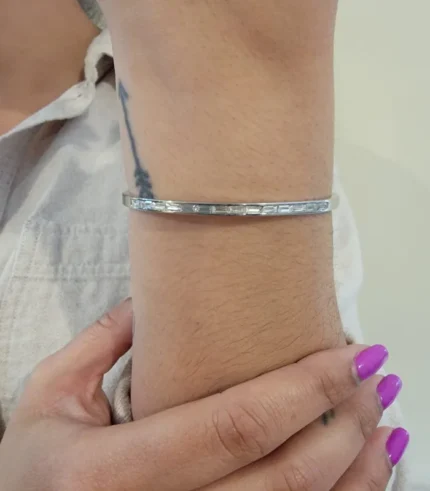
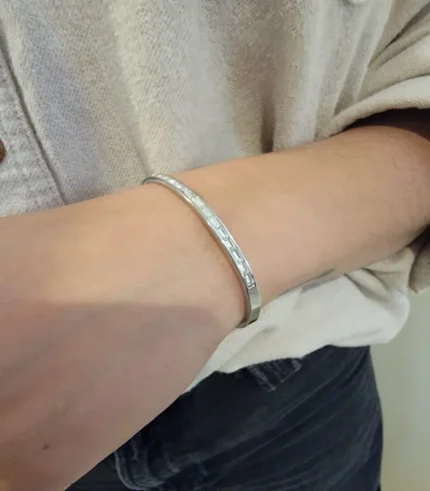
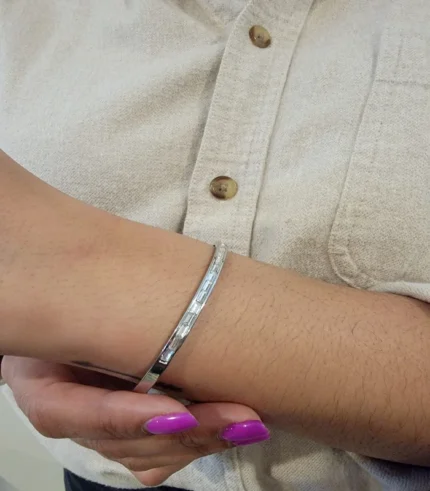
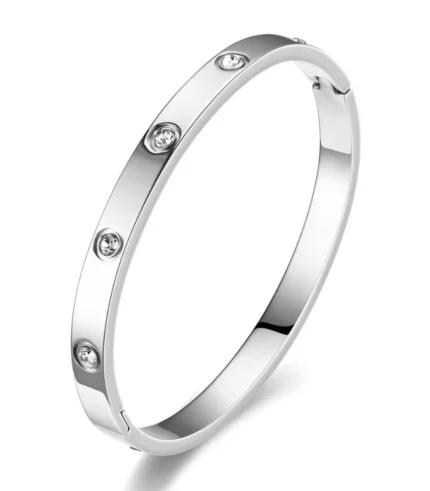
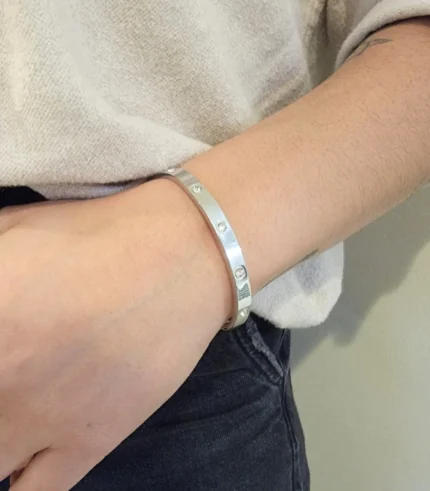
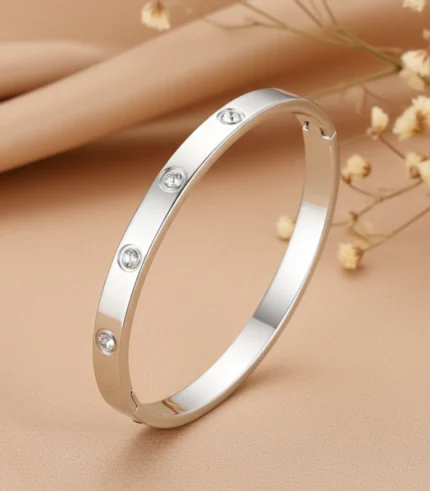
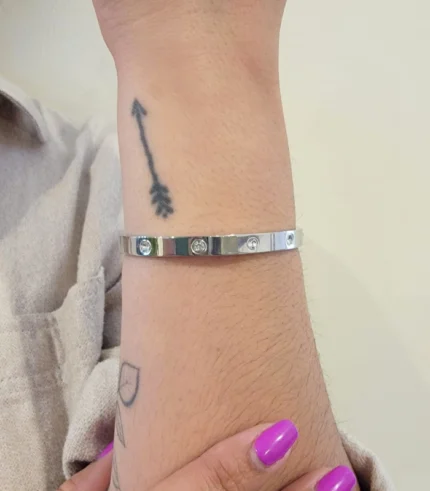
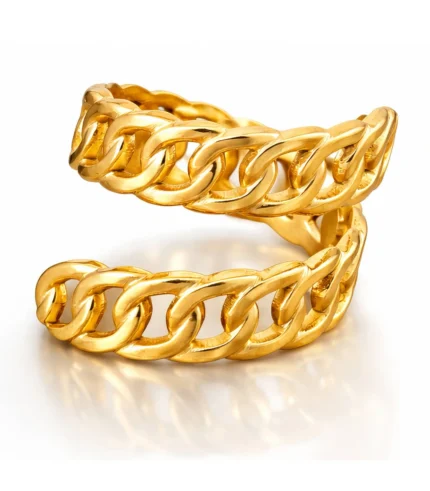
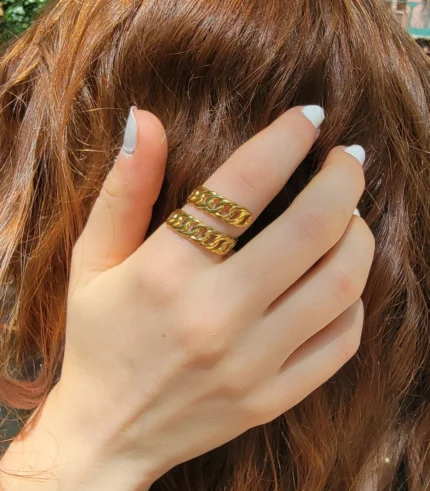
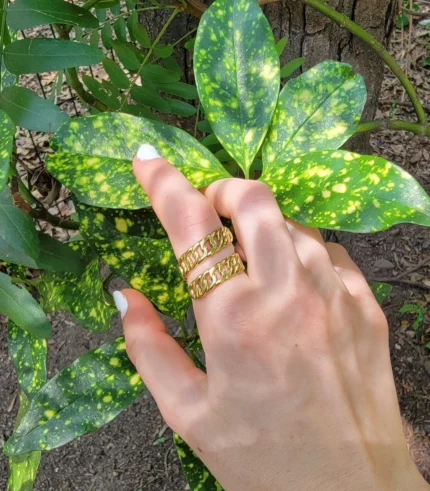
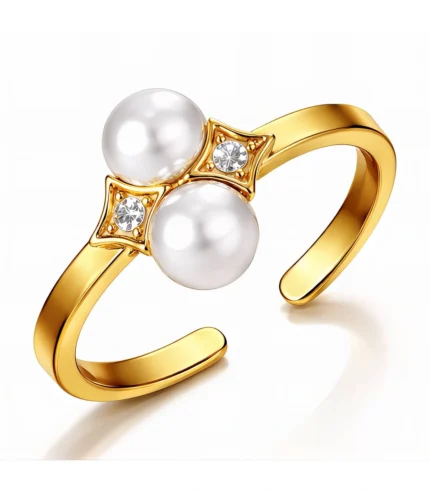
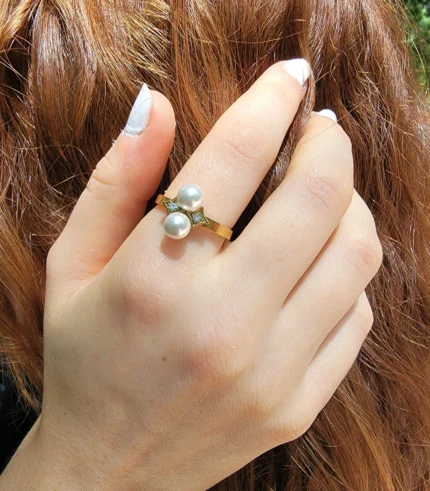
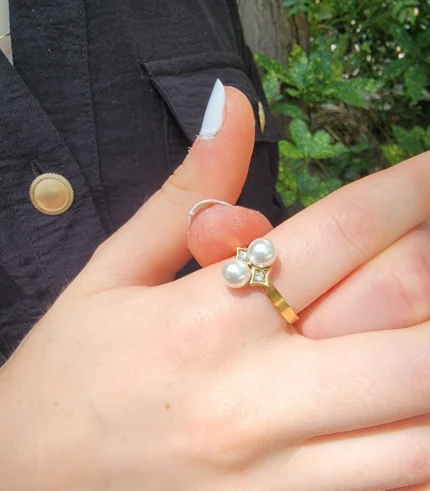
How to Identify Quality Gold Plating vs. Thin Coating
Several clear signs separate well-made pieces from thin coatings. First, examine the color carefully. High-quality 18K plating has a deep, warm golden tone. Thin coatings often appear overly bright, slightly orange, or uneven. The color should look consistent across every surface. Typically, a well-plated piece shows no thin spots even at curves and edges.
Second, consider what sits underneath the gold. Quality gold plating is typically applied over stainless steel, sterling silver, or solid brass. Stainless steel is the smartest base for everyday jewelry. It is hypoallergenic, scratch-resistant, and stable under the gold layer. The Gemological Institute of America (GIA) studies gold coatings extensively. Their research confirms that base metal quality directly affects plating longevity.
Third, inspect the edges and clasps closely. Thin coatings wear off fastest at friction points like clasps, hinges, and chain links. Quality gold plating holds up at these stress points because the layer is thick enough for daily contact. If a new piece already shows base metal at the clasp, that tells you everything about its plating.
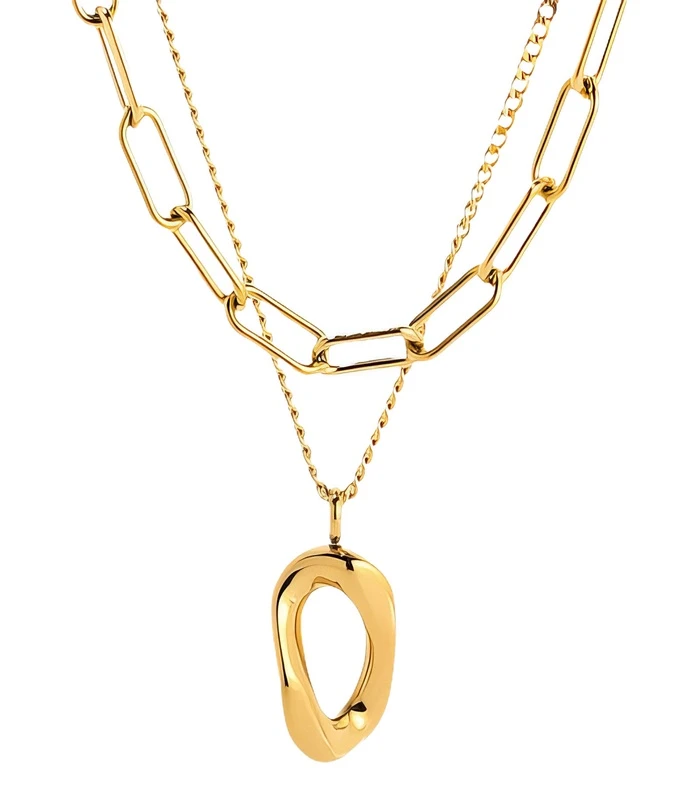
The Science Behind Modern Gold Plating Methods
Modern jewelry uses two main plating methods. Traditional electroplating passes an electric current through a gold solution. This deposits gold ions onto the base metal’s surface. It is the most widely used technique in the industry. When done with controlled timing, it creates smooth, even coverage. The critical factor is patience. Rushing the process produces uneven layers. Quality gold plating requires slow, careful deposition to build proper thickness.
PVD, or Physical Vapor Deposition, is the more advanced method. PVD bonds gold at a molecular level to stainless steel. Industry testing shows PVD coatings can be up to 10 times more durable than standard electroplating. This technology creates an extremely hard surface. It resists scratches, fading, and tarnishing. In most cases, premium 18K gold-plated stainless steel uses PVD or hybrid methods for maximum durability.
Typically, the plating process also includes an intermediary bonding layer. A thin nickel-free barrier sits between the base metal and the gold. This improves adhesion and prevents peeling or flaking. It also ensures the finished piece stays hypoallergenic. For anyone with sensitive skin, this detail makes a real difference in daily comfort.
Simple Care Habits That Protect Your Pieces
Even quality gold plating benefits from a few easy habits that take seconds. Store each piece individually in a soft pouch or lined box. This prevents scratches from pieces rubbing together. Remove your jewelry before swimming, showering, or applying perfume. These products contain chemicals that can gradually dull the finish. A quick wipe with a soft microfiber cloth after wearing keeps everything looking fresh.
Join the KartiKart community
10% off, on top of any current sale, your first order + early access to new collections
Free · No spam · Unsubscribe anytime
Quality gold plating on stainless steel lets you own five beautiful pieces for one solid gold price. That means more variety, more versatility, and more ways to express your style. With simple daily care, each piece maintains its beauty for years. Modern 18K gold plating on stainless steel is scratch-resistant, hypoallergenic, and designed for everyday wear. The Federal Trade Commission’s jewelry guide covers markings and classifications in detail. It helps you verify exactly what you are buying.
Frequently Asked Questions
How thick should gold plating be for everyday jewelry?
Quality gold plating should be at least 1 micron thick for regular wear. The FTC minimum for the “gold plated” label is 0.5 microns. However, premium pieces typically use 2 to 5 microns for better durability and richer, longer-lasting color.
Does quality gold plating tarnish or turn skin green?
Quality gold plating on stainless steel does not turn your skin green. Green discoloration comes from copper in base metals, and stainless steel contains none. With basic care like removing pieces before swimming, 18K gold-plated stainless steel holds its warm color beautifully.
What is the difference between gold plated and gold filled?
Gold plated jewelry has a layer of real gold applied through electroplating or PVD. Gold filled jewelry has a thicker gold layer mechanically bonded to the base. This layer must be at least 5% of total metal weight. Both feature real gold on the surface. Quality gold plating on stainless steel is the smart choice for building a versatile, stylish collection.
Shop Jewelry at KartiKart
Explore our collection of handcrafted 18K Gold Plated Stainless Steel jewelry. Every piece is designed for everyday elegance at an accessible price point.
Earrings · Best Sellers · New Arrivals
Sources & Further Reading
For verified gemstone and jewelry information:
Content last reviewed May 2026. If you notice any outdated information, please contact us.
From the KartiKart shop
Wear what you just read about
Dainty, everyday pieces, handpicked by a husband-and-wife team. Free U.S. shipping, gift-ready packaging, 30-day easy returns, and 5% of every order goes to organizations fighting human trafficking.
Shop tarnish-free gold-plated jewelry →