
Should I Buy Jewelry to Hedge Against Inflation in 2026?

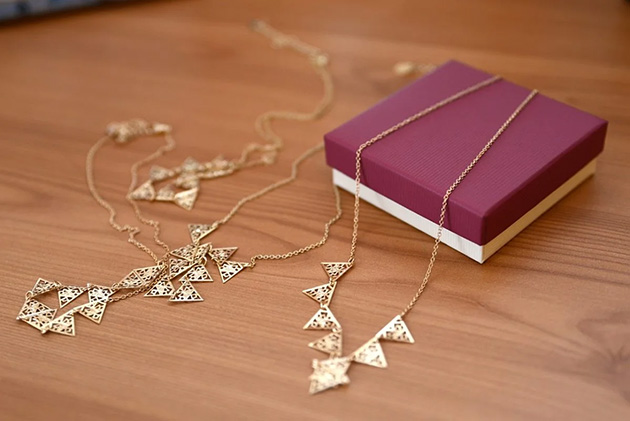
Should I Buy Jewelry to Hedge Against Inflation in 2026?
When prices rise and money loses value, many people turn to tangible things they can hold in their hands. Gold necklaces, diamond rings, and silver bracelets often feel safer than numbers on a screen. The big question for 2026 is whether buying jewelry is a smart way to protect yourself from inflation, or if it is more of a beautiful luxury than a serious hedge.
To answer that, it helps to separate the emotional side of jewelry from the financial side.
Jewelry is part fashion, part culture, and only part investment. Inflation is mainly a financial issue. If you want to hedge against inflation, you need assets that tend to keep or grow their real value when the cost of living goes up. Gold has a long history as a store of value, and its role as an inflation hedge is still widely discussed. Several analysts expect gold to stay strong or even rise further in 2026, supported by central bank buying, potential interest rate cuts, and worries about global instability.[1][3][6][7] At the same time, some experts argue that gold does not consistently hedge inflation in every period and can fall even when inflation is high.[2] That tension already tells you something important. If pure gold is not a perfect inflation shield, jewelry, which adds design and retail markups on top of the metal, is even further from a clean hedge.
How jewelry gets its value
When you buy jewelry, you are paying for several things at once:
• The metal or stone value: gold, silver, platinum, diamonds, or other gemstones
• Design and craftsmanship
• Brand and marketing
• Retail overhead and taxes
Only the first part, the raw material value, really matters for an inflation hedge.
For example, if gold prices rise sharply, the scrap value of a gold chain can go up as well. High gold prices in recent years have benefited people who already own gold jewelry, because buyers are willing to pay more for the underlying metal.[6][7] But if you bought that piece at full retail, what you paid included labor and profit margins that do not automatically rise with inflation at the same pace as gold.
With diamonds, it is similar but more complicated. Diamond prices can move with inflation to some degree, and some experts see them as a partial inflation hedge, yet they are less liquid and less transparent in pricing than gold.[4] You can quickly look up the live gold price, but there is no simple public “per carat” price that covers all diamonds. Quality, cut, certification, and market trends matter a lot.
This means jewelry behaves like a hybrid: part consumer good, part asset.
Jewelry as an inflation hedge in 2026: pros
1. Tangible value
Jewelry is a physical item. When currencies weaken and people worry about banks or markets, tangible assets like gold are often seen as safer places to store value.[1][3][6][7] Owning a gold necklace or bracelet may feel more secure than leaving extra cash in a low interest savings account that loses purchasing power over time.
2. Gold’s strong environment
Gold has been hitting record or near record levels, and some banks and analysts expect prices to remain high or even move higher into 2026.[1][3][5][6][7] They point to factors like:
• Central banks increasing their gold reserves
• Expectations of lower real interest rates, which strengthen the case for holding non-yielding assets like gold
• Ongoing geopolitical tension and financial system worries
If those trends continue, the gold part of your jewelry could benefit.
3. Cultural and emotional value
In many countries, gold jewelry is already a traditional way to store family wealth. Even when prices fluctuate, people keep accumulating pieces over time. They wear them at weddings, festivals, and important events, yet still view them as a long term store of value. This dual role as adornment and savings tool can be appealing if you want something both useful and potentially protective.
4. Portability
Fine jewelry is easy to move and store. In extreme situations, being able to transport wealth discreetly can be valuable. That is one reason gold and precious stones have been used as portable wealth for centuries.
Jewelry as an inflation hedge in 2026: cons
1. Retail markups and poor resale spreads
The biggest drawback is the gap between what you pay and what you can get back if you sell. You might pay a steep retail price for a gold ring, but a buyer or pawnbroker will mainly care about metal weight and purity, plus maybe some value for stones. The design value you paid for often disappears when you resell.
In other words, jewelry rarely resells at full retail value. That makes it weaker than pure bullion if your main goal is a financial hedge.
2. Gold is not a perfect hedge either
Gold’s reputation as an inflation hedge is strong, but its performance is uneven. There have been periods of high inflation when gold did not keep up or even fell, as some 2022 data showed.[2] Gold also tends to move with expectations about interest rates, the dollar, and market sentiment. It is not a simple one way bet.
If gold itself can be volatile and imperfect, jewelry, which adds extra cost layers, becomes an even less precise tool for matching inflation.
3. Liquidity and timing
Selling jewelry quickly at a fair price can be difficult. With gold coins or bars, you can usually find clear buyback prices tied to the global gold rate. With jewelry, you often have to shop around, and offers can be much lower than you expect.
In fast moving markets in 2026, that slower liquidity could be a disadvantage compared with more standard gold investments.
4. Diamonds and gems are more complex
Diamonds and colored gemstones do not have as transparent a market as gold. While they may rise in value over long periods, their performance as inflation hedges is highly variable and depends on many factors such as rarity, fashion trends, and the strength of luxury demand.[4] Lab grown diamonds have also changed the market, putting pressure on some price segments.
If you count on gemstone jewelry to track inflation, you could be disappointed if tastes or supply change.
Better ways to hedge inflation, with jewelry as a bonus
If your primary goal is to protect your money from inflation in 2026, most financial planners would suggest starting with more direct tools:
• Assets linked more clearly to inflation or economic growth, like diversified stock funds, inflation linked bonds where available, or real assets such as real estate
• Gold exposure through bullion, coins, or financial products that track gold prices, which can more closely follow the spot market and offer clearer pricing[3][5][6]
Then, on top of that, you could add jewelry as a secondary store of value that also brings aesthetic and personal pleasure. For example, instead of buying a large, heavily branded piece with a high markup, some buyers choose simpler, higher purity gold jewelry where a larger share of the price is in the metal itself. That way, more of what you pay has a chance to track gold prices over time.
If you shop online, you can compare designs, weights, and purity before buying. Platforms like https://kartikart.com that offer gold, silver, or gemstone jewelry allow you to weigh style choices against the underlying material content. Looking at the gram weight, metal type, and any certifications for stones can help you treat jewelry at least partly like an asset rather than purely a fashion purchase.
Practical tips if you still want to use jewelry against inflation
1. Prioritize metal content
For gold jewelry as a partial hedge, focus on higher purity (such as 22K or 24K where practical) and make sure the weight and karat are clearly disclosed. The closer the piece is to bullion, the more its value will track gold prices.
2. Keep documentation
Store receipts, certificates, and any gem grading reports safely. These can support better resale offers later.
3. Compare buyback policies
If you buy from a jeweler that offers transparent buyback or exchange policies, your effective cost of ownership may be lower. Before you purchase, ask how they value old jewelry if you decide to trade it in.
4. Diversify
Do not rely only on jewelry for inflation protection. Think of it as one small piece of a broader plan that includes more liquid and transparent investments.
5. Think in decades, not months
Jewelry works best as long term, multi year or multi decade wealth, not as a quick trade. If you expect to hold pieces for a very long time, gradual inflation and rising precious metal prices may help offset the initial markups, especially if demand for gold and other metals remains strong as some 2026 forecasts suggest.[1][3][6][7]
How 2026 might shape your decision
Looking at 2026 specifically, there are several forces at play:
• Gold has recently delivered very strong returns and reached record levels, partly driven by central bank buying and expectations of further interest rate cuts.
• Some analysts see potential for further gains, while others warn that gold does not reliably hedge every inflation spike and may already reflect much of the current fear.
• Global uncertainty, government debt, and currency questions continue to support interest in tangible stores of value, including precious metals and jewelry.