Why Stainless Steel Bases Resist Tarnish
Stainless steel tarnish is far rarer than most shoppers expect, and the reason comes down to simple chemistry. Stainless steel contains at least 10.5% chromium. That chromium reacts with oxygen in the air and forms a thin, invisible shield on the surface. Jewelers call this shield the passive layer. It blocks the moisture and air that cause metals to darken. This is why stainless steel tarnish stays so low compared to softer metals. For KartiKart pieces, this tough base is then finished with 18K gold plating. You get the warm glow of gold sitting on a metal built to last.
What stainless steel tarnish actually means
Tarnish is a surface reaction. It happens when metal meets oxygen, sulfur, or moisture and changes color. Silver tarnishes when it touches sulfur compounds in the air. A dark layer of silver sulfide forms over time. Stainless steel tarnish works differently because of that chromium shield.
The chromium oxide layer is incredibly thin yet very strong. According to Wikipedia’s overview of passivation, this spontaneous film forms a hard, non-reactive surface that blocks further corrosion. However, the layer is also transparent. You never see it, but it works every day. For example, it keeps the steel underneath sealed off from humidity and skin oils.

Shop tarnish-free gold-plated jewelry
View all →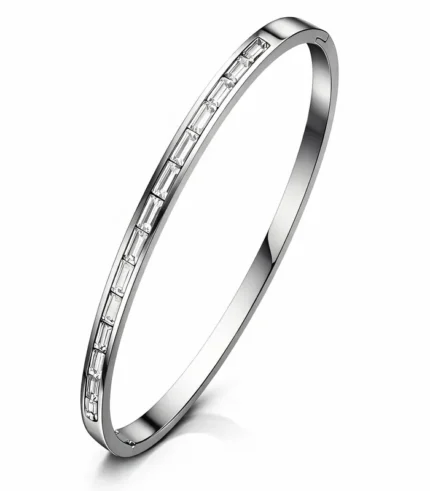
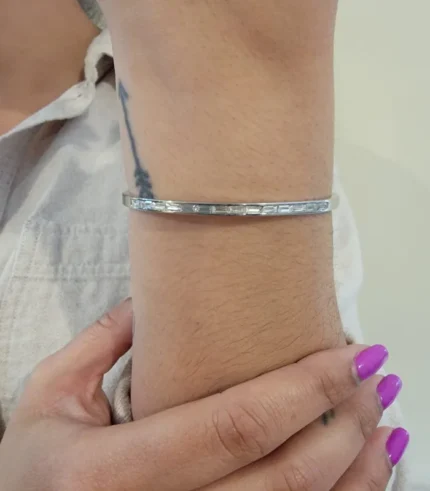
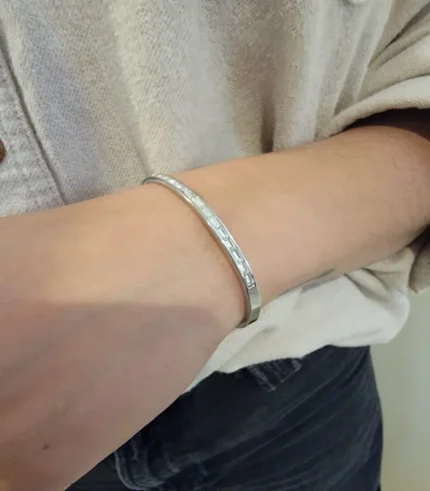
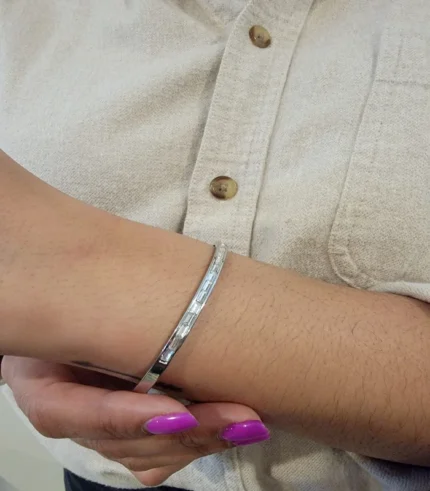
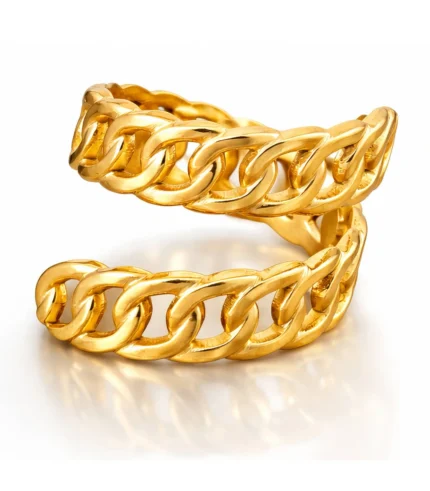
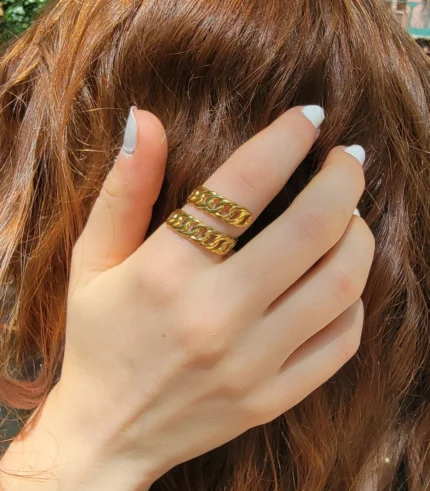
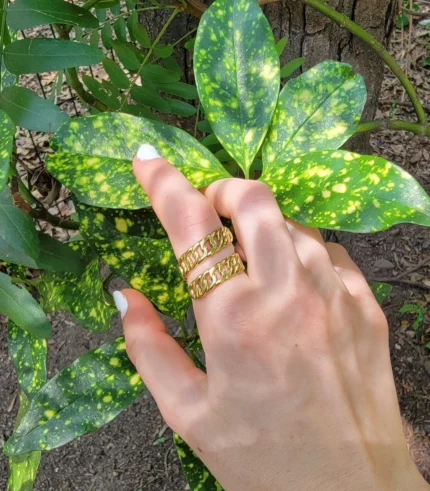
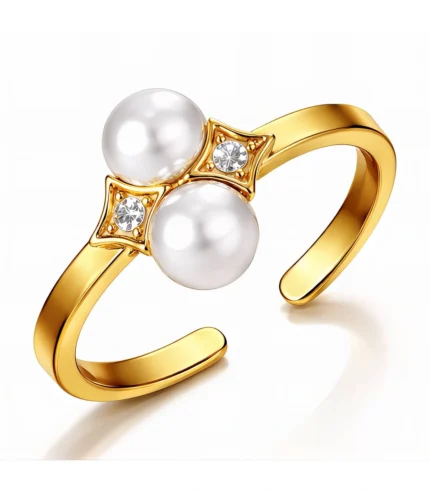
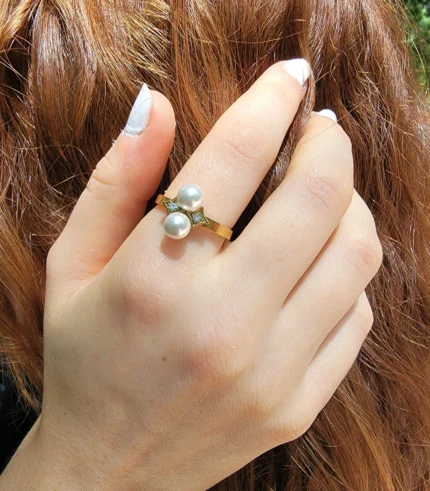
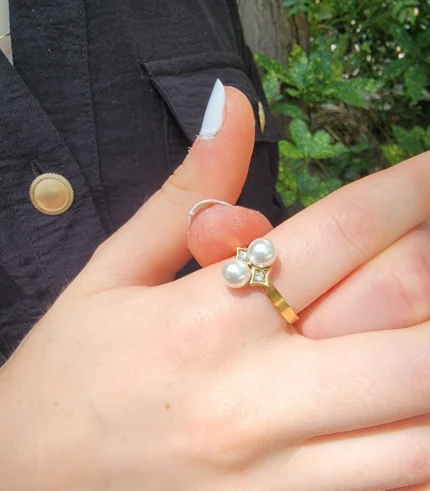
Why the chromium shield keeps stainless steel tarnish so low
The science here is genuinely clever. Unlike iron rust, which flakes off and exposes fresh metal, chromium oxide stays put. It bonds tightly to the surface and refuses to budge. This is the core reason stainless steel tarnish is so slow to appear.
Even better, the layer can repair itself. If you scratch the surface, the exposed chromium meets oxygen and rebuilds the shield. In most cases this happens within seconds. The GIA gem and metal resources note that durable alloys like this are prized for everyday wear. For example, a stainless steel base shrugs off the daily bumps that would dull weaker metals. Typically, this self-healing trait is what separates stainless steel tarnish resistance from ordinary plated brass.

How 18K gold plating works with the stainless steel base
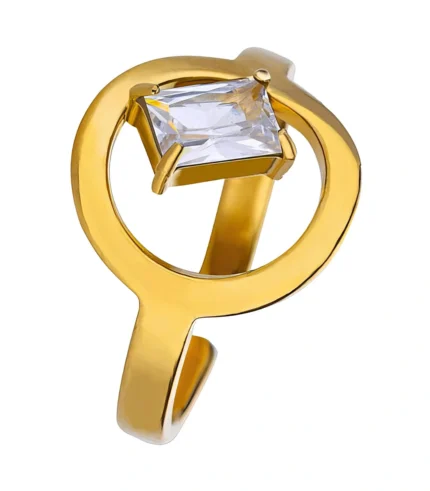
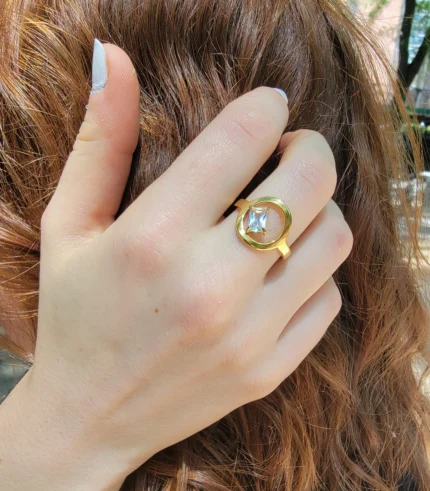
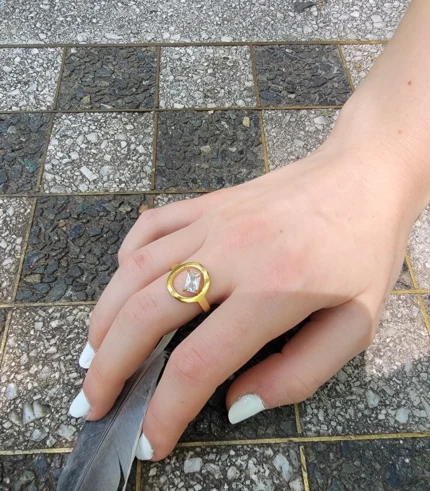
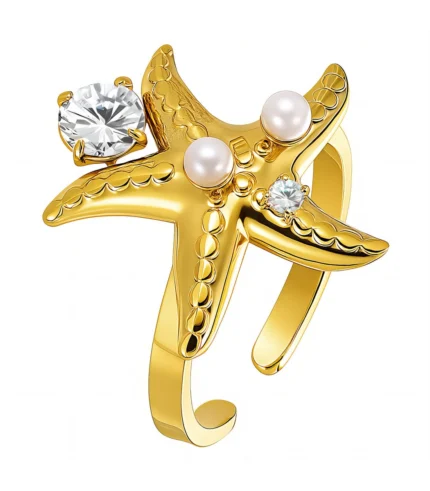
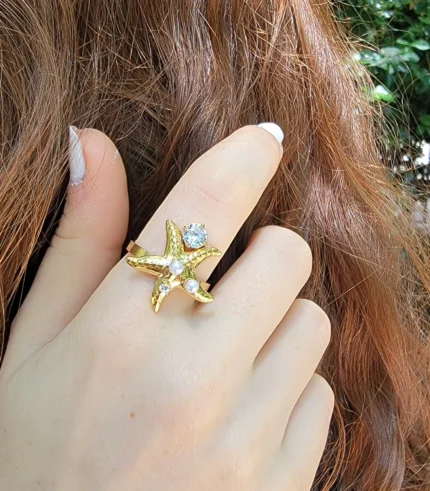
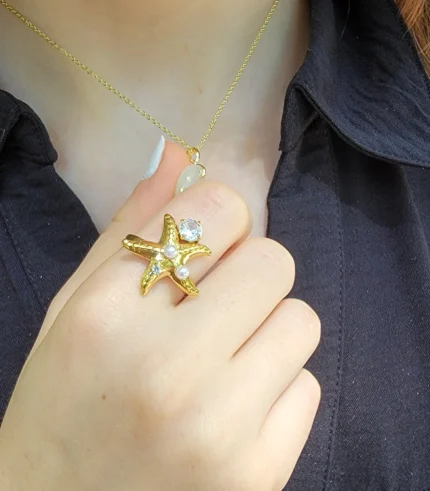
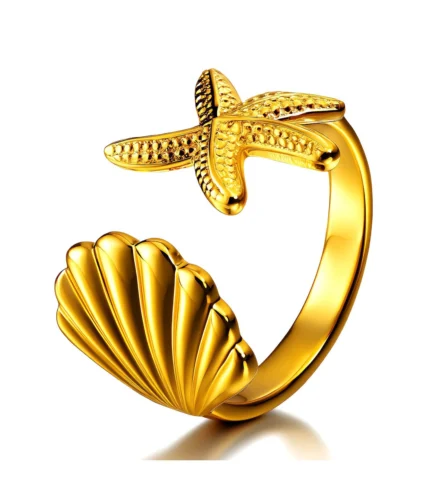
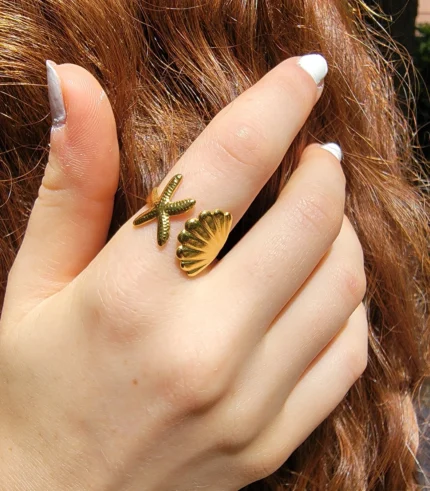
Here is where KartiKart jewelry gets smart. The gold layer brings the color and shine. The stainless steel base brings the strength. Together they create affordable luxury that looks identical to solid gold. You get the exact warm tone without the heavy price tag.
Modern plating technology has come a long way. Today’s 18K gold plating is scratch-resistant and hypoallergenic. It is designed for real, everyday wear, not just special occasions. The stainless steel underneath means the piece resists bending, denting, and corrosion. For example, a solid gold chain can scratch easily because pure gold is soft. A stainless steel core stays firm. This pairing also keeps stainless steel tarnish at bay, since the protected base supports the finish above it.
The value math is hard to beat. For the price of one solid gold piece, you can own five beautiful KartiKart pieces. That means variety, versatility, and the freedom to update your collection whenever your style shifts.
Easy habits that keep your jewelry bright
Caring for plated jewelry takes about ten seconds a day. These are simple habits, not chores. First, take pieces off before swimming or showering. Water and chlorine speed up wear on any finish. Second, store items in a dry spot, ideally a pouch or a lined box.
Third, put jewelry on last when getting ready. Let perfume and lotion dry first, then add your pieces. A soft, dry cloth wipe after wear keeps the gold glowing. These quick steps protect the finish and keep stainless steel tarnish a non-issue for years. Typically, owners who follow them barely think about maintenance at all.
What to look for when buying
Smart shoppers check the base metal first. A stainless steel core is the gold standard for plated jewelry. It promises low stainless steel tarnish and long wear. Next, look for 18K gold plating rather than a thinner flash coat. Thicker plating lasts longer and holds its color.
Also consider whether the piece is hypoallergenic. Stainless steel is gentle on sensitive skin, which is a real bonus. For more on metal corrosion basics, the Smithsonian’s preservation guidance explains why protective surfaces matter so much. In most cases, a stainless steel base plus quality gold plating gives you the best of both worlds. You get beauty, durability, and a price that lets you build a real collection.
Join the KartiKart community
10% off, on top of any current sale, your first order + early access to new collections
Free · No spam · Unsubscribe anytime
Frequently Asked Questions about stainless steel tarnish
Does stainless steel jewelry tarnish over time?
Stainless steel tarnish is very rare thanks to the chromium oxide shield. The surface stays bright far longer than silver or brass. Simple care keeps it looking new for years.
Will the 18K gold plating wear off?
Modern 18K gold plating is built for everyday wear. With easy habits like keeping it dry, the finish lasts a long time. The stainless steel base protects the piece underneath.
Is gold plated stainless steel a good value?
Absolutely. For the price of one solid gold piece, you can own several stunning plated designs. It is the smart way to enjoy variety and gold’s signature glow.
Shop Jewelry at KartiKart
Explore our collection of handcrafted 18K Gold Plated Stainless Steel jewelry. Every piece is designed for everyday elegance at an accessible price point.
Best Sellers · Earrings · Necklaces
Sources & Further Reading
For verified gemstone and jewelry information:
Content last reviewed June 2026. If you notice any outdated information, please contact us.
From the KartiKart shop
Wear what you just read about
Dainty, everyday pieces, handpicked by a husband-and-wife team. Free U.S. shipping, gift-ready packaging, 30-day easy returns, and 5% of every order goes to organizations fighting human trafficking.
Shop tarnish-free gold-plated jewelry →