
Stainless Steel Jewelry for Metal Allergies

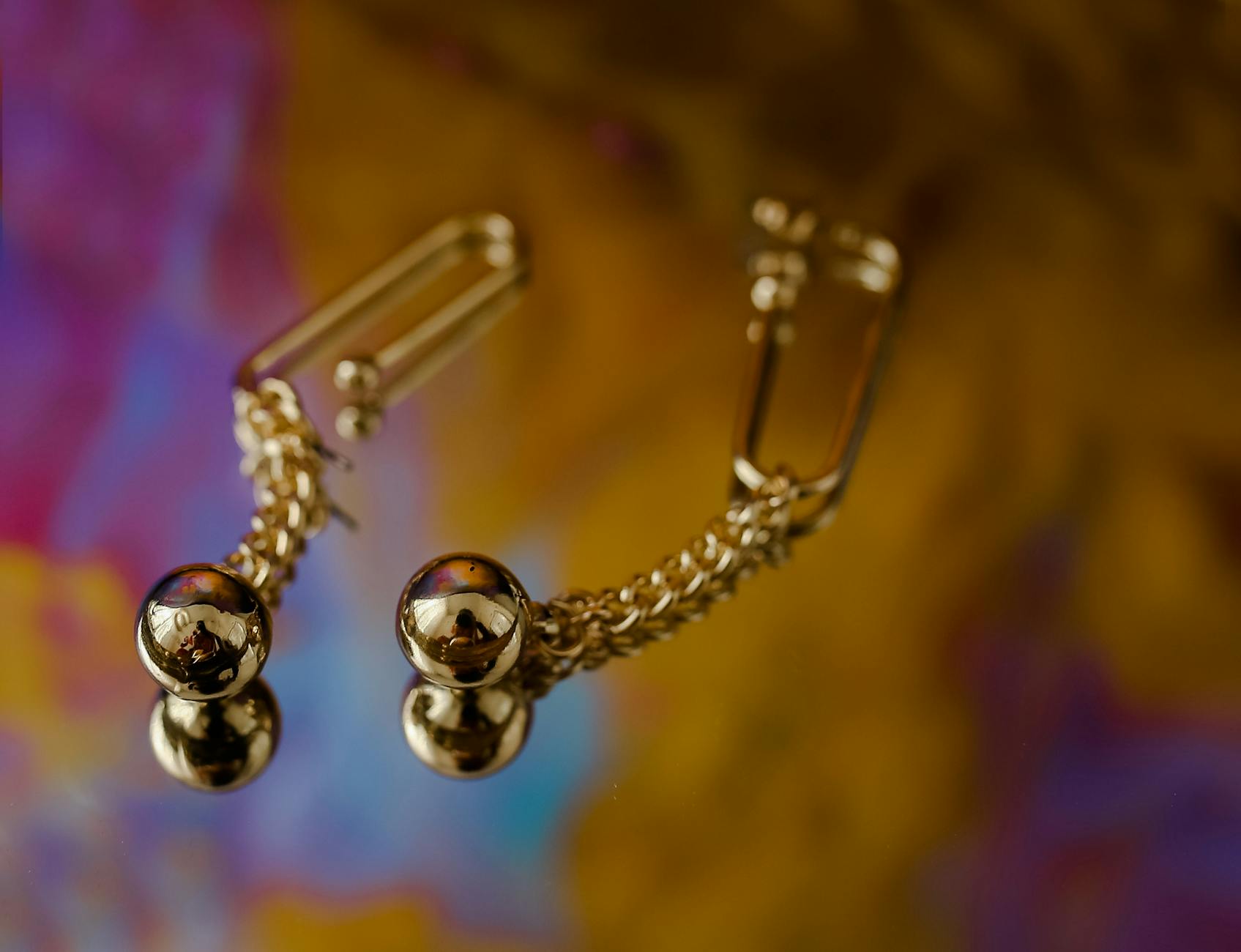
Steel allergy safe jewelry has become a top priority for millions of people worldwide. An estimated 10 to 15 percent of the global population suffers from nickel allergy. This makes it the most common metal allergy on the planet. Women are especially affected. Roughly 17 percent of women test positive for nickel sensitivity compared to just 3 percent of men. The condition is a Type IV delayed hypersensitivity reaction.
Once it develops, it lasts a lifetime. Symptoms include redness, itching, and blistering within 12 to 48 hours of skin contact. For example, a simple bracelet worn for a day can trigger a painful flare-up. That is why choosing steel allergy safe options matters from the very first purchase. The right metal choice is not just about comfort. It is a long-term health decision that protects your skin every single day.
Why Stainless Steel Is Steel Allergy Safe
Here is a fact that surprises most people. 316L surgical stainless steel contains 10 to 12 percent nickel. However, it is still classified as hypoallergenic. The secret lies in chromium. Stainless steel contains 16 to 18 percent chromium. When chromium meets oxygen, it instantly forms an invisible chromium oxide barrier on the surface. This self-healing layer is only 1 to 5 nanometers thick. Yet it locks nickel atoms beneath the surface.
Scientific testing confirms the result. Nickel release from 316L stainless steel measures below 0.5 micrograms per square centimeter per week. That falls within the safety threshold set by the European Union’s REACH Regulation. In most cases, this tiny amount causes zero reaction even in sensitive individuals. The addition of 2 to 3 percent molybdenum in 316L further boosts corrosion resistance. Sweat and salt water are far less likely to degrade the protective layer. This is the same grade of steel used in surgical implants and medical instruments.
Contrast this with fashion jewelry made from mystery alloys. Those pieces can contain up to 80 percent nickel with no protective barrier. Traditional white gold alloys use 10 to 15 percent nickel that leaches freely into skin. Brass contains 1 to 3 percent nickel and offers no oxide protection either. Steel allergy safe jewelry works because the nickel is physically trapped. It never reaches your skin.
How 18K Gold Plating Makes Steel Allergy Safe Jewelry Even Better
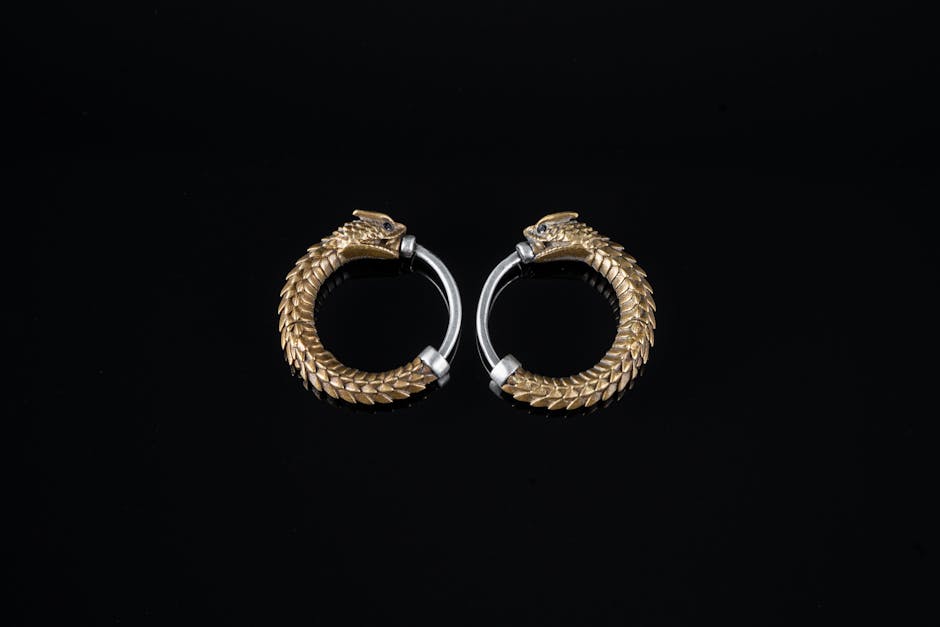
Modern 18K gold plating adds a second layer of protection on top of the stainless steel base. The gold surface sits directly against your skin. This creates a complete barrier between you and the steel underneath. Even for the small percentage of people who react to trace nickel release, the gold layer eliminates contact entirely. Typically, this plating is applied through electroplating or PVD coating technology.
PVD stands for Physical Vapor Deposition. It bonds gold-toned material to the steel at a molecular level inside a vacuum chamber. The result is dramatically harder and more scratch-resistant than traditional plating methods. PVD coatings use titanium nitride, the same biocompatible material found on surgical tools. This means your 18K gold plated stainless steel jewelry is steel allergy safe at two independent layers. The gold coating protects your skin. The stainless steel base protects it again if the coating ever wears.
This is the key advantage over gold plated brass. With brass underneath, worn plating exposes a nickel-releasing base metal. With 316L stainless steel underneath, neither layer poses a significant allergen risk. You get the warm look of solid gold with genuine skin safety built into the foundation.
Who Needs Steel Allergy Safe Jewelry the Most
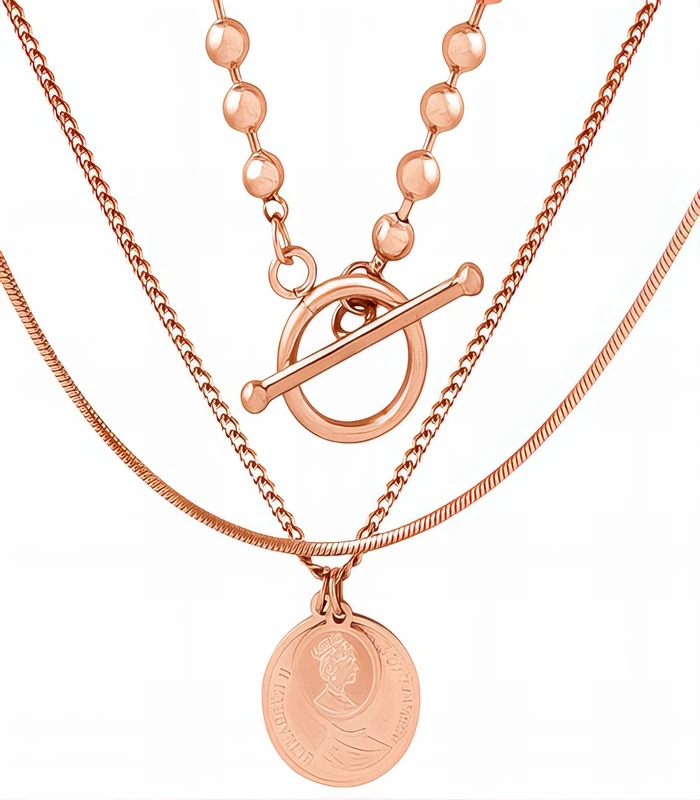
Anyone with a history of ear piercing should pay close attention. Research shows that 20.8 percent of people who have been pierced test positive for nickel sensitivity. Among those never pierced, only 6.4 percent test positive. Piercing creates a direct pathway for nickel to enter the body and trigger lifelong sensitization. For this reason, the Gemological Institute of America recommends hypoallergenic metals for all jewelry worn regularly.
Children and teenagers are another high-risk group. Studies show that up to 35.8 percent of females under 18 are affected by nickel allergy. Parents choosing first jewelry pieces for young wearers should prioritize steel allergy safe materials from the start. Once sensitized, there is no cure. Only avoidance works. Starting with the right metal prevents a lifetime of limitations.
People with eczema or sensitive skin in general also benefit. Nickel allergy often overlaps with other skin conditions. For example, someone managing eczema may find that a nickel-releasing ring triggers a flare-up far worse than the allergy alone would cause. Choosing steel allergy safe pieces removes one major variable from the equation.
Simple Care Tips to Keep Your Steel Allergy Safe Jewelry Beautiful
Maintaining your 18K gold plated stainless steel jewelry takes about 10 seconds. Wipe pieces with a soft cloth after wearing them. Store them separately in a lined box or pouch to prevent scratches. Put jewelry on after applying lotions, perfumes, and sprays. These easy habits keep the gold plating pristine and the steel allergy safe properties fully intact for years of daily wear.
Remove pieces before swimming or showering. This is not a weakness of the material. It is simply smart care that extends the life of any fine jewelry, including solid gold. With stainless steel as the foundation, your pieces are scratch-resistant and built for everyday life. A little attention goes a long way toward keeping your collection looking flawless.
Frequently Asked Questions
Is stainless steel jewelry truly steel allergy safe for nickel-sensitive skin?
Yes. 316L surgical stainless steel locks nickel beneath a self-healing chromium oxide barrier. Nickel release measures below the EU safety threshold. In most cases, even people with confirmed nickel allergy wear it comfortably every day.
Does gold plating over stainless steel make jewelry more steel allergy safe?
It does. The 18K gold layer creates an additional physical barrier between your skin and the base metal. This double-layer design means you are protected by both the gold surface and the hypoallergenic stainless steel foundation underneath.
How long does steel allergy safe stainless steel jewelry last?
316L stainless steel does not tarnish, rust, or corrode under normal wear. With modern 18K gold plating and basic care habits, pieces maintain their appearance and steel allergy safe properties for years. The base metal itself lasts essentially forever.
Shop Jewelry at KartiKart
Explore our collection of handcrafted 18K Gold Plated Stainless Steel jewelry. Every piece is designed for everyday elegance at an accessible price point.
New Arrivals · Bracelets · Best Sellers
Sources & Further Reading
For verified gemstone and jewelry information:
Content last reviewed April 2026. If you notice any outdated information, please contact us.