Stainless Steel Jewelry Benefits: The Everyday Metal Guide

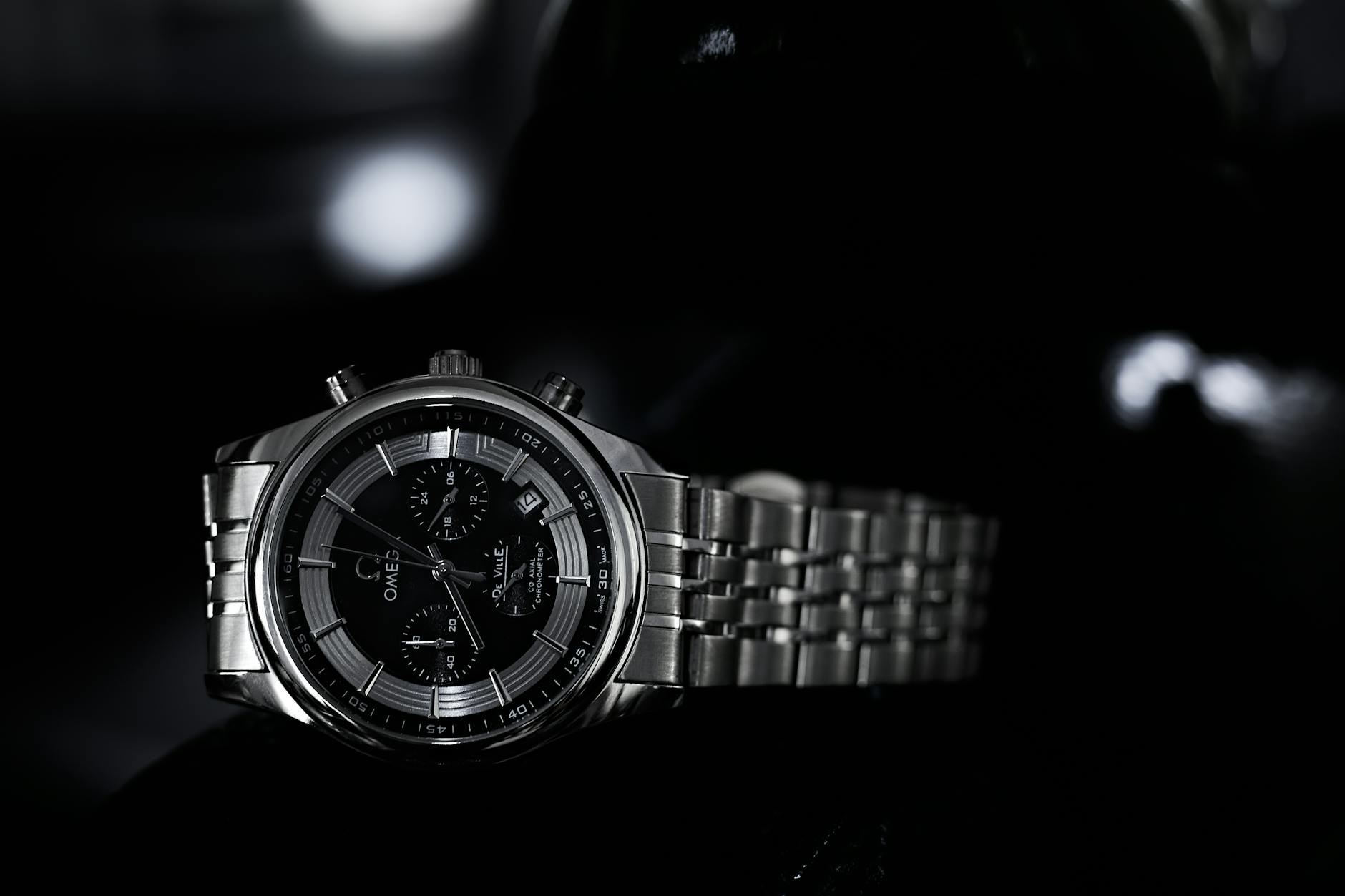
Steel benefits are transforming how people think about everyday jewelry. For decades, gold and silver dominated the conversation. However, a quieter revolution has been happening in accessory design. Stainless steel — particularly the 316L surgical grade — has emerged as one of the most practical metals for rings, bracelets, necklaces, and earrings.
It resists scratches better than gold, silver, or even platinum. It shrugs off tarnish without special coatings. And when paired with modern 18K gold plating, it delivers a look identical to solid gold at a fraction of the cost. This guide breaks down exactly why stainless steel deserves a permanent spot in your jewelry rotation — and how to get the most from every piece you own.
Understanding Stainless Steel Benefits for Jewelry
The steel benefits that matter most start with composition. Jewelry-grade stainless steel contains at least 10.5% chromium by mass. This chromium reacts with oxygen to form an invisible protective layer on the surface. That layer is self-healing — if scratched, it repairs itself within hours. The result is a metal that resists rust, tarnish, and corrosion from sweat or water. For reference, the Wikipedia entry on stainless steel details how this chromium oxide barrier works at a molecular level.
The grade used in most quality jewelry is 316L, also called surgical steel. It contains 16–18% chromium, 10–14% nickel, and 2–3% molybdenum. That molybdenum is the key differentiator. It specifically improves resistance to chlorides — meaning salt water and perspiration. In most cases, a 316L piece will look exactly the same after a year of daily wear. Typically, precious metals cannot make that claim without regular polishing.
Durability: Where Steel Benefits Outperform Precious Metals
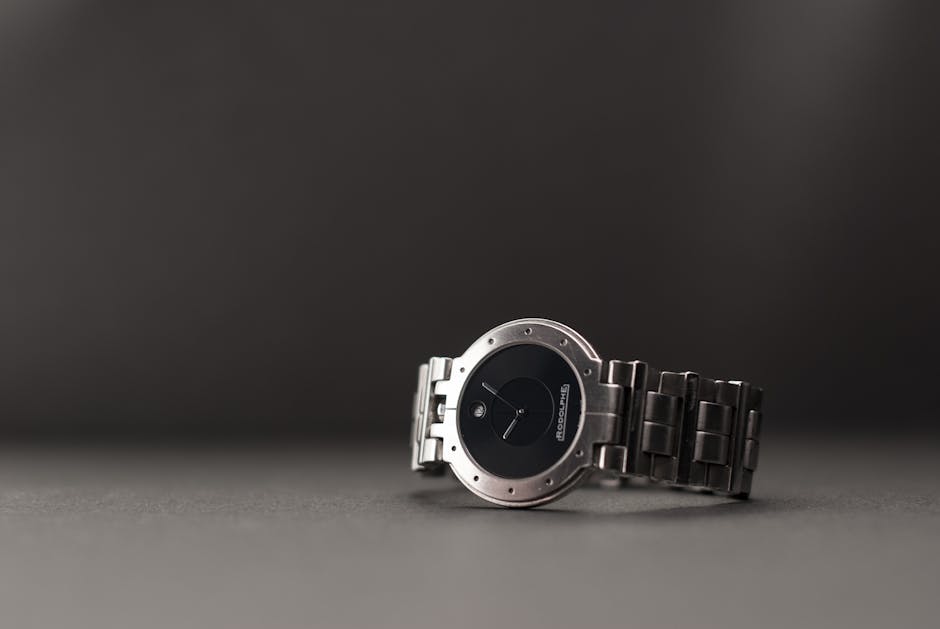
On the Mohs hardness scale used by gemologists at GIA, stainless steel rates approximately 5.5 to 6.5. For comparison, solid gold sits at just 2.5 to 3. Silver scores similarly low. Even platinum only reaches 4 to 4.5. This means stainless steel is roughly twice as scratch-resistant as the metals traditionally considered “fine.” These steel benefits translate directly to everyday wear. Your bracelet survives desk edges, gym equipment, and grocery runs without showing damage.
This hardness also makes stainless steel an ideal base for gold plating. Softer metals dent and flex under pressure. Those micro-deformations cause plating to crack and peel over time. However, stainless steel holds its shape. The rigid surface gives the 18K gold layer a stable foundation. Modern electroplating technology bonds gold to steel at a molecular level. The result is plating that lasts far longer than gold over brass or copper.
Steel Benefits for Sensitive Skin and Everyday Comfort
One of the most overlooked steel benefits is the hypoallergenic factor. The chromium oxide layer does more than prevent tarnish. It also locks nickel molecules inside the metal, preventing them from touching your skin. For example, 316L surgical steel meets the ASTM F138 standard — the same specification used for medical implants. If it is safe enough for surgical pins, it is safe enough for your earrings.
Weight is another practical advantage. Stainless steel is lighter than platinum and comparable to gold in density. Typically, a well-designed steel bracelet feels substantial without dragging on your wrist. You notice it just enough to appreciate it. This matters for pieces you plan to wear eight or more hours daily. Comfort and durability together explain why luxury watchmakers like Rolex adopted steel cases as early as 1926.
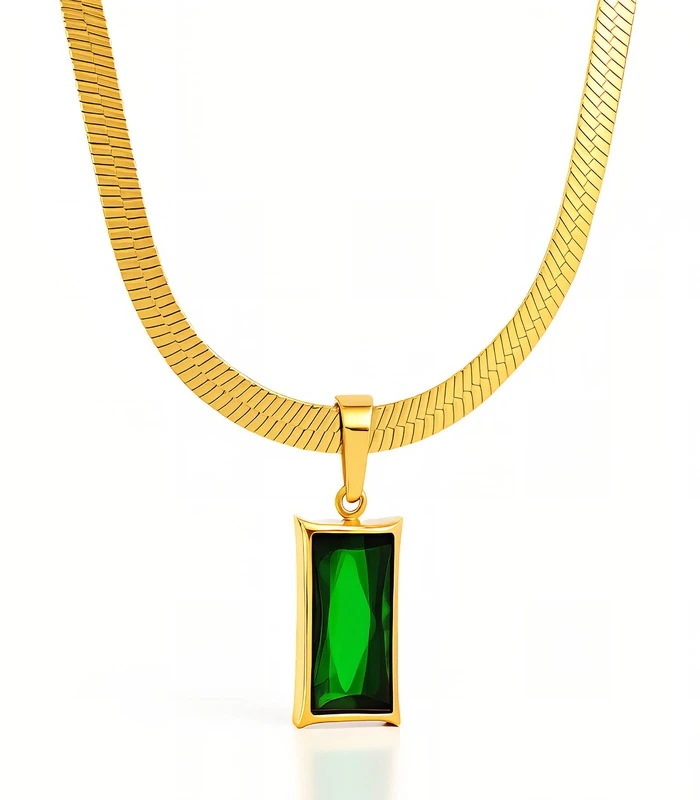
These steel benefits also extend to versatility. Because 18K gold plated stainless steel looks identical to solid gold, you can build a full collection without a massive investment. Five beautiful pieces for the price of one solid gold item. That means more variety, more outfit options, and more freedom to match your jewelry to your mood.
Caring for Your Stainless Steel Jewelry in 10 Seconds
Maximizing steel benefits requires just a few simple habits. After wearing your pieces, wipe them with a soft cloth before storing. This removes oils and salt from your skin. Store each piece separately in a lined box or pouch — this prevents surface contact between items. For gold plated steel specifically, slip rings and bracelets off before showering or swimming. These easy steps take less than ten seconds and keep your jewelry looking fresh for years.
Cleaning is equally straightforward. Warm water and a drop of mild soap handle most buildup. Gently pat dry with a lint-free cloth. Avoid abrasive cleaners or ultrasonic machines on plated pieces. The Wikipedia article on gold plating explains how modern electroplating creates layers measured in microns — proper care preserves every one of them. In most cases, this simple routine is all you ever need.
Frequently Asked Questions
Does stainless steel jewelry tarnish or turn green?
No. Stainless steel benefits from a self-repairing chromium oxide layer that prevents tarnish and corrosion. Unlike copper-based metals, it will not leave green marks on your skin. The 316L grade used in quality jewelry is specifically engineered for long-term skin contact.
Is 18K gold plated stainless steel good for everyday wear?
Absolutely. The steel benefits include a hardness rating nearly double that of solid gold. This rigid base protects the gold plating from dents and micro-cracks. Typically, 18K gold plated stainless steel handles daily activities — work, errands, light exercise — without any issues.
How does stainless steel compare to solid gold for jewelry?
Stainless steel is harder, more scratch-resistant, and significantly more affordable. The steel benefits make it the smart choice for building a versatile collection. You get the same golden look with modern plating technology, plus the freedom to own multiple pieces instead of investing everything in one.
Shop Jewelry at KartiKart
Explore our collection of handcrafted 18K Gold Plated Stainless Steel jewelry. Every piece is designed for everyday elegance at an accessible price point.
Best Sellers · Earrings · Necklaces
Sources & Further Reading
For verified gemstone and jewelry information:
Content last reviewed April 2026. If you notice any outdated information, please contact us.