
How to Store Your Jewelry So It Actually Lasts for Years Instead of Months

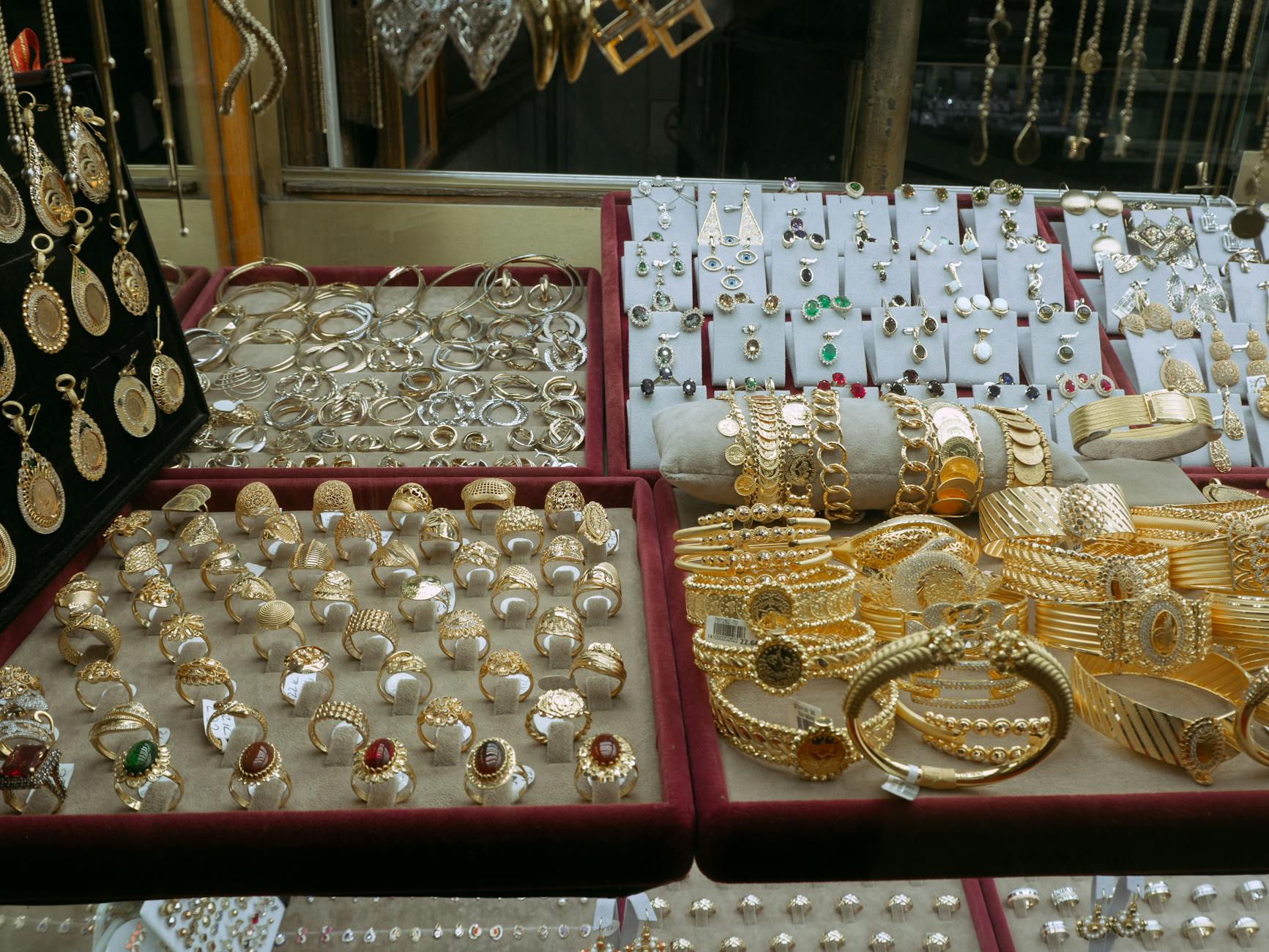
The simplest way to store jewelry so it lasts for years is to keep each piece separated, dry, and away from air — and most people do none of these things. That tangled pile on your nightstand or the open dish on your bathroom counter is silently destroying your collection. Moisture, friction, and exposure to chemicals in the air cause tarnish, scratches, and weakened clasps far faster than normal wear ever would.
A basic jewelry box with individual compartments and anti-tarnish lining can extend the life of your pieces by years, not months. The difference between jewelry that holds up and jewelry that doesn’t usually has less to do with what you bought and more to do with how you treat it after you take it off. Even high-quality materials like 18K gold plated stainless steel or sterling silver 925 will lose their luster if stored carelessly. This article covers exactly how to store jewelry at every level — from the materials that damage your pieces to the specific storage setups that actually work, whether you own five pieces or fifty.
Explore our collection of handpicked jade jewelry at KartiKart — minimalist pieces built to last.
Table of Contents
- What Is the Best Way to Store Jewelry So It Lasts for Years?
- Why Humidity and Air Exposure Ruin Jewelry Faster Than Wearing It
- How to Store Jewelry by Type — Necklaces, Bracelets, Rings, and Earrings
- Jewelry Storage Solutions — Comparing What Actually Works
- Common Storage Mistakes That Destroy Jewelry Quickly
- How Often Should You Clean Jewelry Before Storing It?
- Building a Storage System That Grows With Your Collection
- Conclusion
What Is the Best Way to Store Jewelry So It Lasts for Years?
The best way to store jewelry long-term is individually, in a cool and dry space, inside soft-lined compartments or pouches. Each piece needs its own slot or bag because metals and stones scratch each other when they touch — even pieces made from the same material. A stainless steel bracelet rubbing against a stainless steel necklace will leave hairline scratches on both within weeks.
Anti-tarnish strips are worth adding to any storage setup. These small paper-like inserts absorb sulfur and moisture from the air, which are the two main causes of tarnish on silver and plated metals. You can buy a pack for a few dollars and they last about six months each.
For context, the Gemological Institute of America (GIA) recommends storing gemstone jewelry separately and in fabric-lined containers to prevent both chemical damage and physical abrasion. If you store jewelry in a bathroom, stop. Humidity from showers accelerates oxidation and tarnish dramatically.
A bedroom drawer or closet shelf is a far better location, even without a fancy organizer.

Why Humidity and Air Exposure Ruin Jewelry Faster Than Wearing It
Most jewelry damage doesn’t happen on your wrist — it happens in storage. Oxygen and moisture in the air react with metals through a process called oxidation, which is what turns silver dark and makes plated surfaces dull over time. The higher the humidity, the faster this happens.
A piece left on an open tray in a humid room can visibly tarnish in as little as two weeks. This is why airtight or low-airflow storage matters more than most people realize. Ziplock bags, small sealed containers, or jewelry boxes with tight-fitting lids all reduce air exposure significantly.
However, if you live in a very dry climate — think Arizona or parts of Colorado — tarnish from humidity is less of a concern, and your bigger enemy is dust and friction from open storage. Silica gel packets inside your jewelry box can help in either scenario. gold plated pieces benefit especially from proper storage because the plating layer stays intact much longer when it isn’t constantly exposed to moisture and air.
Modern 18K gold plating technology has made these finishes remarkably durable, and with simple storage habits, the gold layer maintains its warmth and shine for years of regular rotation.
How to Store Jewelry by Type — Necklaces, Bracelets, Rings, and Earrings
Not all jewelry can be stored the same way. Necklaces need to hang or lay flat and unclasped to avoid tangling and kinking — a kinked chain is nearly impossible to fix without professional tools. Wall-mounted hooks, a small standing rack inside your closet, or a dedicated necklace compartment in a jewelry box all work well.
The worst thing you can do is toss two necklaces into the same pouch. Bracelets, especially bangles and cuffs, should store jewelry flat or stacked on a padded roll. Chain bracelets do best laid flat in individual slots.
Rings are the easiest — a ring tray with padded slots keeps them from rolling and scratching. Earrings are trickiest because pairs get separated easily. A small earring book or a tray with paired holes solves this.
I’ve seen people use ice cube trays as a temporary organizer, and honestly, it works fine as long as you add a soft lining. For anyone building a collection of 18K gold plated stainless steel pieces, storing each item in its own soft pouch or compartment prevents the pieces from rubbing against each other. This small habit is the single most effective way to keep the gold finish looking new.
Jewelry Storage Solutions — Comparing What Actually Works
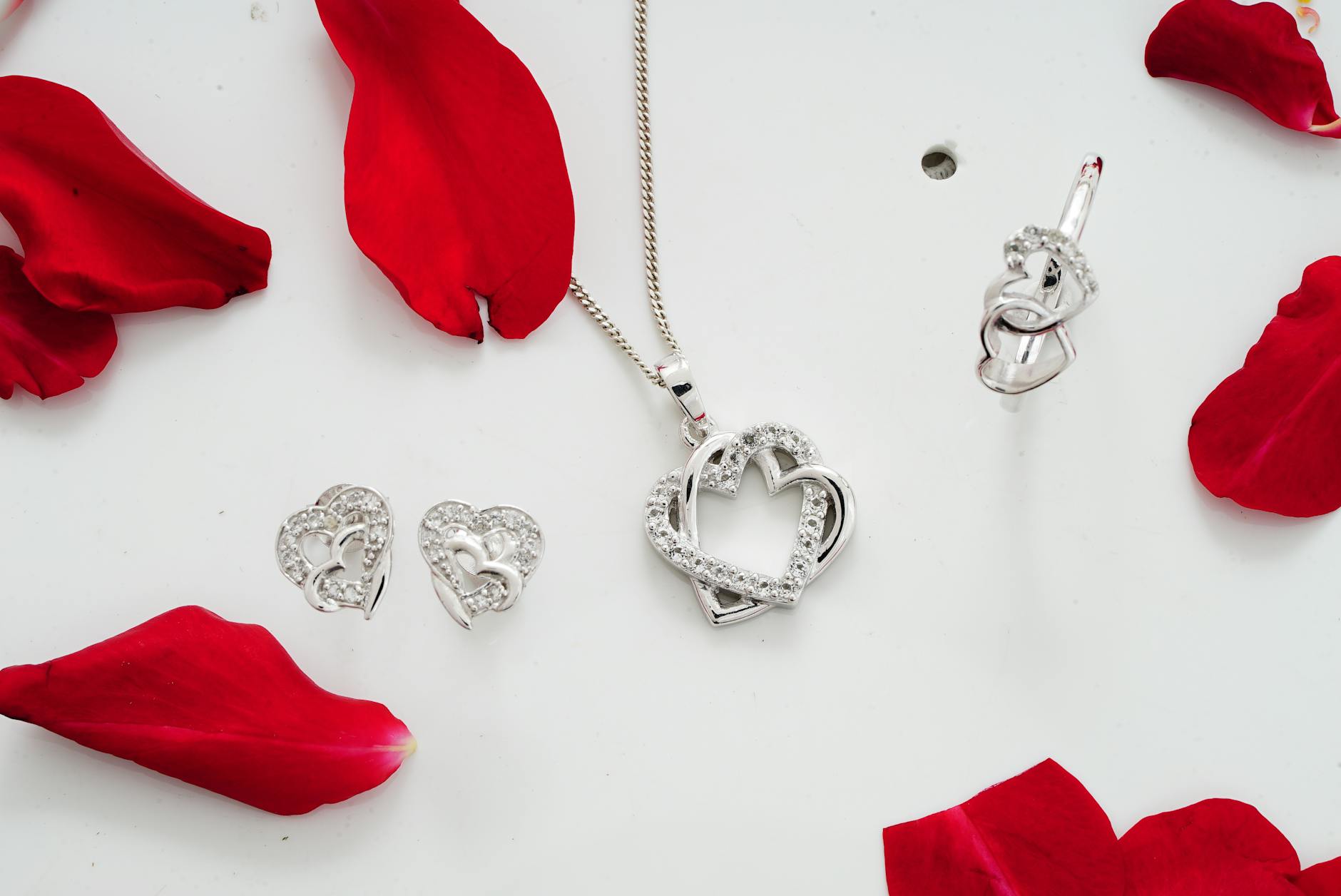
The market for jewelry storage ranges from dollar-store trays to custom-built armoires, and the good news is that price doesn’t determine effectiveness nearly as much as design does. A well-organized fabric-lined box for twenty dollars will outperform a two-hundred-dollar decorative tray that leaves everything exposed. What matters is separation, softness of lining, and how well it seals.
Fabric pouches are the most portable and affordable option — great for travel or small collections. Stackable trays work well for medium collections and let you customize the layout. Jewelry armoires or wall cabinets are ideal if you have more than thirty pieces, but they’re overkill for a minimal collection.
The tradeoff with larger storage is that more air circulates inside, so adding anti-tarnish strips becomes more important. One underrated option is a simple tackle box or craft organizer from a hardware store. The adjustable dividers, secure latching, and hard shell make them surprisingly functional for jewelry.
They lack the aesthetic appeal of a velvet-lined box, but if you store jewelry inside a drawer or closet anyway, nobody sees the container.
Common Storage Mistakes That Destroy Jewelry Quickly
The most common mistake is storing jewelry while it’s still damp — from sweat, lotion, perfume, or hand-washing. Even a small amount of moisture trapped inside a pouch or box creates a micro-environment that accelerates tarnish and can even cause verdigris, that greenish residue you sometimes see on metals. Always let pieces air-dry for a few minutes on a clean cloth before putting them away.
Another frequent error is using rubber or plastic-lined containers. Certain plastics and all rubber release sulfur compounds over time, which directly cause tarnish. This is why some jewelry stored in brand-new plastic organizers actually tarnishes faster than pieces left on a wooden shelf.
Look for cotton, linen, or microfiber linings instead. A less obvious mistake: storing jewelry near windows. UV exposure fades certain gemstones — amethyst, rose quartz, and kunzite are particularly vulnerable — and heats up metal, which can weaken adhesives on stone settings.
If your vanity sits in direct sunlight, your jewelry box should not be on it.
How Often Should You Clean Jewelry Before Storing It?
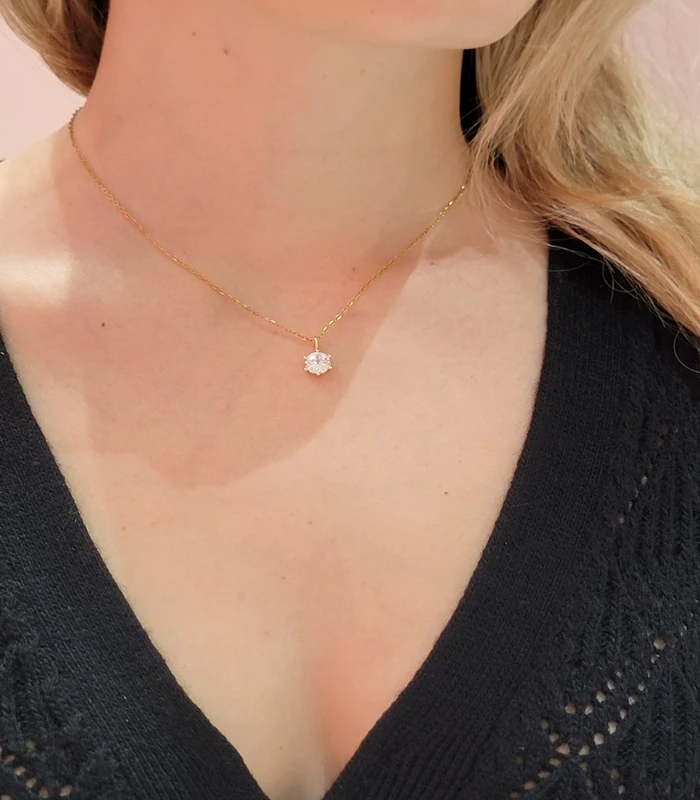
A quick wipe with a soft microfiber cloth after each wear is the single best maintenance habit you can build. This removes oils, sweat, and residue before they have a chance to react with the metal. For 18K gold plated stainless steel, this simple step is often all the care you need — the stainless steel base resists corrosion naturally, and the plating stays bright when kept free of buildup.
For deeper cleaning, a monthly soak in warm water with a drop of mild dish soap works for most metals and stones. Pat dry completely before you store jewelry back in its compartment. Avoid ultrasonic cleaners for plated pieces or soft gemstones like jade and turquoise, as the vibrations can loosen settings and wear down surface finishes over time.
Building a Storage System That Grows With Your Collection
The best storage setup is one you’ll actually use consistently, so start simple. A single fabric-lined box with six to ten compartments handles a minimal collection well. As you add pieces, expand with stackable trays or a hanging organizer rather than upgrading to one massive unit.
This modular approach lets you store jewelry efficiently without wasting space on empty slots. Looking ahead, the trend in jewelry care is moving toward more accessible, sustainable solutions — travel-sized cases made from recycled materials, multi-purpose organizers, and education around making pieces last longer rather than replacing them constantly. Whether your collection is five carefully chosen pieces or fifty, the storage principles stay the same: separate, dry, sealed, and soft.
Those four words will save you more money than any warranty.
Looking for minimalist jade jewelry? Browse our full collection of necklaces, bracelets, earrings, and rings at KartiKart. Free shipping on all US orders.
Conclusion
Proper jewelry storage comes down to a handful of non-negotiable habits: keep pieces separated, eliminate moisture and humidity, use soft linings, minimize air exposure, and wipe down every piece before putting it away. These steps apply whether you’re protecting sterling silver 925 heirlooms or building a modern collection of 18K gold plated stainless steel. The materials matter less than the daily routine.
Start with where you store jewelry tonight. If anything is sitting in an open dish, a bathroom counter, or tangled together in a drawer, fix that first. Even moving your pieces into individual ziplock bags with the air pressed out is a meaningful upgrade. Small changes in storage protect your investment and keep every piece looking the way it did when you first put it on.