
What Dermatologists Actually Think About the Jewelry You Sleep In Every Night


When most people think jewelry is perfectly fine to sleep in, dermatologists tend to disagree. The majority of board-certified skin specialists advise removing jewelry before bed, citing increased risks of contact dermatitis, bacterial buildup, and even physical injury from prolonged overnight wear. That doesn’t mean you need to strip off every last ring and earring the moment you pull back the covers — but it does mean the metals touching your skin, how your body reacts during sleep, and the design of the piece all matter more than most women realize.
Consider this: a woman wears a bracelet comfortably all day with zero irritation, then wakes up with a red, itchy rash circling her wrist. The culprit isn’t the bracelet itself — it’s the combination of extended contact time and nighttime perspiration, which can intensify reactions to certain metals that feel perfectly harmless during waking hours. Dermatologists see this pattern regularly. This article covers the specific risks dermatologists associate with sleeping in jewelry, which metals are safest for overnight wear, how sweat changes the equation while you sleep, and practical steps for women who prefer not to remove their favorite pieces at night.
Explore our collection of handpicked jade jewelry at KartiKart — minimalist pieces built to last.
Table of Contents
- What Do Dermatologists Actually Think Jewelry Does to Your Skin Overnight?
- How Nighttime Sweat Changes Everything About Metal on Skin
- Which Metals Do Dermatologists Think Jewelry Shoppers Should Prioritize?
- Practical Steps for Women Who Want to Sleep in Their Jewelry
- When a Jewelry Rash Becomes a Medical Problem
- The Overnight Ring Problem Dermatologists See Most Often
- What Dermatologists Want You to Know Going Forward
- Conclusion
What Do Dermatologists Actually Think Jewelry Does to Your Skin Overnight?
The short answer is that prolonged contact creates problems that shorter daytime wear does not. Contact dermatitis — the clinical term for the red, itchy, sometimes blistered skin reaction caused by irritating metals — typically develops within 12 to 48 hours of exposure and can persist for two to four weeks, according to the Mayo Clinic. When you sleep in jewelry, you’re adding six to nine uninterrupted hours of skin contact on top of whatever you’ve already accumulated during the day.
The metal most commonly behind these reactions is nickel, which affects approximately 8.6 percent of the global population. Among young women, that number climbs to roughly 17 percent — and 81.5 percent of nickel-positive patch-tested women have pierced ears, making earrings a primary sensitization route. When dermatologists think jewelry allergies, nickel is almost always the first suspect.
What surprises most people is that a reaction can develop after years of wearing the same piece without trouble. Sensitization is cumulative. The more total hours your skin spends in contact with an irritant metal, the more likely your immune system is to eventually flag it as a threat — which is precisely why overnight wear accelerates the timeline.

How Nighttime Sweat Changes Everything About Metal on Skin
Even if a piece of jewelry feels completely comfortable during the day, the overnight environment on your skin is fundamentally different. Body temperature regulation during sleep produces perspiration — sometimes significant amounts — and that moisture creates a thin saline layer between metal and skin. Dermatologists point out that sweat acts as a mild acid that can corrode certain metals and leach irritants like nickel directly into the skin’s surface.
This is why someone might wear a ring or necklace to the gym without issue but wake up with irritation after sleeping in the same piece. Exercise sweat gets wiped away or evaporates; sleep sweat sits trapped under jewelry for hours. The combination of trapped moisture and warmth also promotes bacterial growth, which increases infection risk — particularly under rings, tight bracelets, and necklaces that rest against the chest.
However, if your jewelry is made from metals that resist corrosion from sweat — such as medical-grade 316L stainless steel, titanium, platinum, or 18K and higher gold — the sweat factor becomes far less of a concern. These metals don’t break down or leach irritants when exposed to perspiration, which is exactly why dermatologists recommend them for people who insist on wearing jewelry to bed.
Which Metals Do Dermatologists Think Jewelry Shoppers Should Prioritize?
Not all metals carry the same risk profile, and dermatologists are specific about what they consider safe for extended skin contact. The gold standard — literally — is 18K or higher solid gold, platinum, and titanium. Medical-grade 316L stainless steel also ranks highly because it contains minimal free nickel on its surface, even though nickel is part of the alloy.
The key distinction is whether nickel can leach out and reach your skin, not simply whether it exists in the metal composition. 18K Gold plated Stainless Steel occupies a smart position in this hierarchy. The stainless steel base provides the hypoallergenic, corrosion-resistant foundation that dermatologists approve of, while the 18K gold plating adds an additional barrier between the base metal and your skin.
Modern plating technology has improved significantly, and when properly maintained — keeping pieces dry and storing them away from humidity — plated jewelry maintains its protective layer effectively. Where women run into trouble is with uncoated base metals, cheap alloys with high nickel content, and costume jewelry marketed as “gold tone” without any actual gold layer. When dermatologists think jewelry reactions, these are the pieces they see causing the most problems.
The difference between a $12 bracelet from a fast fashion retailer and a well-made 18K Gold Plated Stainless Steel piece isn’t just aesthetic — it’s dermatological.
Practical Steps for Women Who Want to Sleep in Their Jewelry
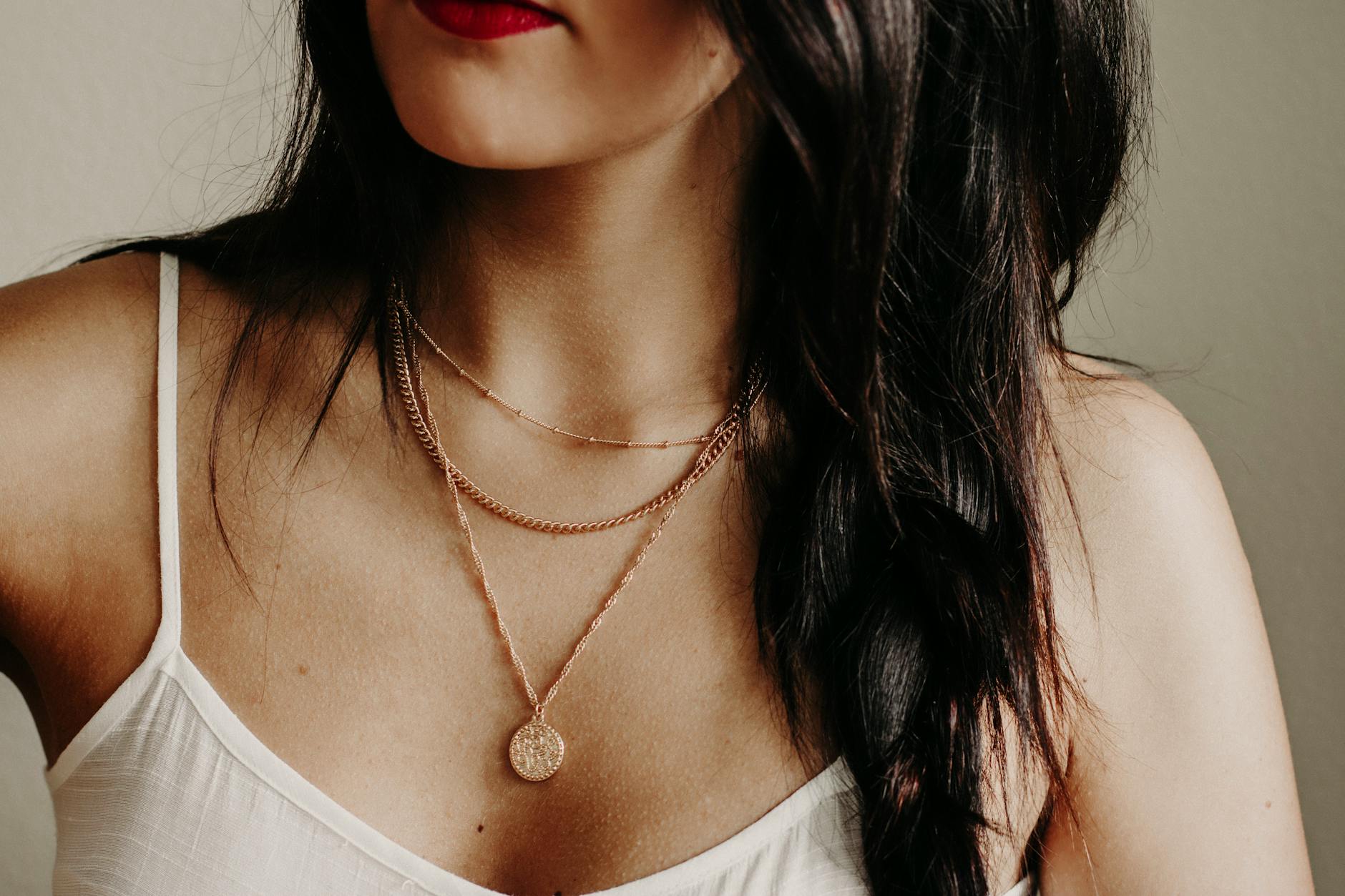
If removing every piece before bed isn’t realistic for you — and for many women it isn’t — dermatologists suggest a risk-reduction approach rather than an all-or-nothing rule. Start by identifying which pieces actually touch your skin for the full night. A loose pendant that shifts around creates less sustained contact than a snug ring or a bracelet that stays pressed against your wrist.
The clear nail polish method is a widely cited dermatologist recommendation: applying a thin coat of clear nail polish to the interior surface of rings or the backs of earrings creates a physical barrier between metal and skin. It’s not a permanent solution — the coating wears off and needs reapplication every few days — but it’s effective for pieces you don’t want to remove nightly. The tradeoff worth considering is simplicity versus effort.
Choosing jewelry made from hypoallergenic metals like stainless steel eliminates the need for barrier tricks entirely, while keeping lower-quality pieces requires ongoing maintenance. For earrings specifically, flat lightweight studs are the safest option for sleep — hoops and dangling designs risk catching on pillowcases and causing tears, which creates a wound-care problem on top of any allergy concern.
When a Jewelry Rash Becomes a Medical Problem
Most contact dermatitis from jewelry resolves on its own once the offending piece is removed, but dermatologists draw a clear line between a minor irritation and something that needs clinical attention. If a rash is severe, shows signs of infection — warmth, pus, spreading redness — or doesn’t resolve within two to four weeks, professional treatment is warranted. Board-certified dermatologists typically prescribe corticosteroid cream as a first-line treatment and may add oral steroids or antihistamines for more aggressive cases.
One limitation worth noting: once you’ve developed a true nickel allergy, it doesn’t go away. Nickel sensitivity is a permanent immune response, and future exposure — even brief — will trigger reactions. This is why dermatologists think jewelry choices made early matter so much.
Women who start with hypoallergenic metals from the beginning are far less likely to develop sensitization than those who spend years wearing nickel-heavy costume pieces and switch to better metals only after problems appear. The prevalence data reinforces this point. Nickel allergy affects women three to ten times more often than men, driven almost entirely by daily jewelry contact.
Prevention through material choice is significantly easier than managing a lifelong allergy after the fact.
The Overnight Ring Problem Dermatologists See Most Often
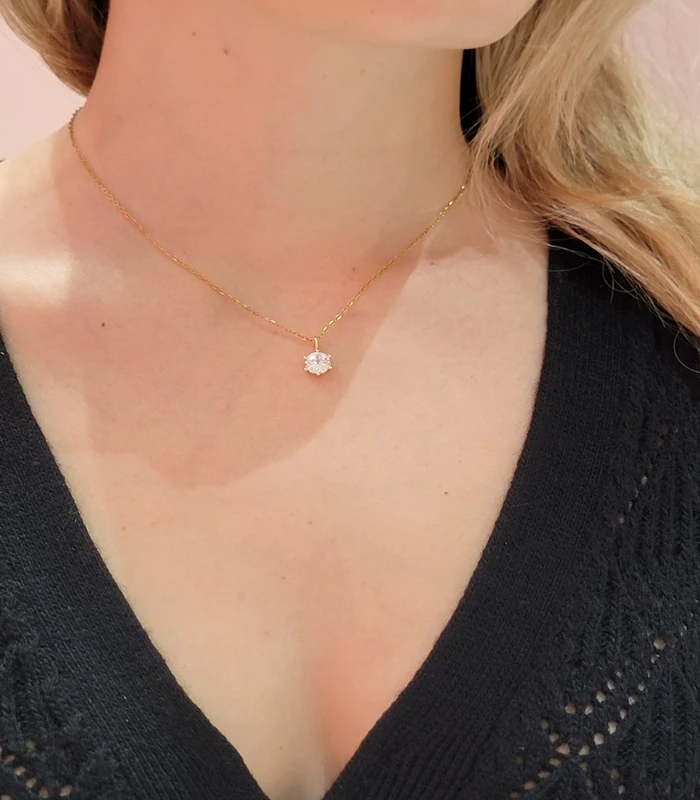
Rings deserve special attention because fingers swell during sleep. Fluid redistribution when you’re lying down causes mild overnight edema in the hands, and a ring that fits comfortably at 10 PM can become noticeably tight by 3 AM. Dermatologists report cases where restricted circulation from overnight ring wear leads to numbness, indentations, and in extreme cases, rings that need to be cut off.
The practical solution is straightforward: if you want to sleep in a ring, ensure it fits loosely enough to slide over your knuckle without resistance even when your fingers are at their most swollen. If a ring feels snug during the day, it should absolutely come off at night. This applies regardless of metal type — even the most hypoallergenic ring can cause circulation problems if it’s too tight during sleep.
What Dermatologists Want You to Know Going Forward
The dermatological perspective on sleeping in jewelry is evolving alongside improvements in jewelry materials and manufacturing. Medical-grade stainless steel and modern gold plating techniques have made it possible to wear jewelry for extended periods with significantly less risk than even a decade ago. Dermatologists increasingly distinguish between “remove all jewelry at night” as a blanket rule and “choose your metals wisely and know your body’s signals” as more nuanced guidance.
What hasn’t changed is the fundamental principle: the longer metal touches skin, the more your body’s immune system scrutinizes it. Women who think jewelry decisions don’t affect their skin health are underestimating a cumulative process that can take months or years to manifest. Choosing corrosion-resistant, hypoallergenic metals from the start — and paying attention to how your skin responds during and after sleep — remains the simplest way to wear what you love without paying for it later.
Looking for minimalist jade jewelry? Browse our full collection of necklaces, bracelets, earrings, and rings at KartiKart. Free shipping on all US orders.
Conclusion
Dermatologists are largely aligned on the core message: sleeping in jewelry increases your exposure to every risk that metal-on-skin contact carries, from contact dermatitis and bacterial buildup to sweat-driven corrosion and circulation restriction. The metals you choose matter enormously — 18K Gold Plated Stainless Steel, titanium, platinum, and solid gold sit at the top of the safety hierarchy, while uncoated base metals and nickel-heavy alloys sit squarely at the bottom.
The practical takeaway is not that you must remove every piece of jewelry before bed, but that you should be intentional about what stays on. Prioritize hypoallergenic metals, keep pieces clean and dry, watch for early signs of irritation, and don’t ignore a rash that lingers beyond a few days. Your skin is giving you information — the smartest thing you can do is listen to it.