
What Is the Difference Between High Polish and Matte Finish

Home > Jewelry Education > What Is the Difference Between High Polish and Matte Finish
What Is the Difference Between High Polish and Matte Finish
Published: January 08, 2026 | 0 Comments
When shopping for jewelry, you will encounter various finish options that dramatically affect how a piece looks and feels. High polish and matte finishes represent two ends of the spectrum, each offering distinct aesthetic qualities. Understanding these finishes helps you choose jewelry that aligns with your personal style and practical needs.
The finish on a piece of jewelry refers to the texture and appearance of its metal surface. This characteristic impacts everything from how light interacts with the piece to how well it hides everyday wear. Both finishes have their advantages and work better in different situations and styles.
Table of Contents
- What Is High Polish Finish
- What Is Matte Finish
- Visual Comparison of Finishes
- Durability and Maintenance Differences
- Style Considerations for Each Finish
- Other Common Jewelry Finishes
- How to Choose the Right Finish
- Frequently Asked Questions
What Is High Polish Finish
High polish, also called mirror finish or bright finish, creates an extremely smooth and reflective surface on metal. This finish is achieved through progressive polishing with increasingly fine abrasives until the metal surface becomes mirror-like. The result reflects light sharply and creates brilliant shine.
Characteristics of High Polish
- Mirror-like reflective surface
- Maximum light reflection and sparkle
- Smooth to the touch
- Traditional, formal appearance
- Shows fingerprints and smudges easily
- Scratches become visible quickly
How High Polish Is Created
Jewelers achieve high polish through a multi-step process. They begin with coarser abrasives to remove any surface imperfections, then progress to finer and finer polishing compounds. The final steps often use rouge polishing compound and high-speed buffing wheels. This labor-intensive process produces the brilliant shine associated with fine jewelry.
What Is Matte Finish
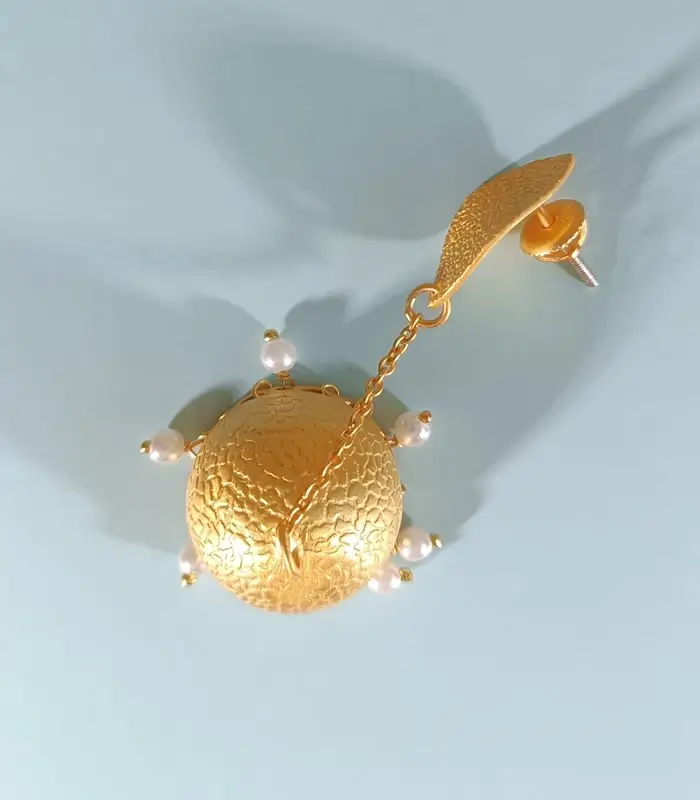
Matte finish, sometimes called brushed or satin finish, creates a non-reflective surface on metal. Instead of reflecting light directly like a mirror, matte surfaces diffuse light, creating a softer, more subtle appearance. This finish has gained significant popularity in contemporary jewelry design.
Characteristics of Matte Finish
- Soft, non-reflective surface
- Diffused light interaction
- Slightly textured feel
- Modern, understated appearance
- Hides fingerprints and minor scratches
- Can show wear patterns over time
How Matte Finish Is Created
Matte finishes are created through several methods. Sandblasting uses fine particles to create a uniform texture. Wire brushing creates directional lines in the metal surface. Bead blasting produces a more even matte appearance. Chemical treatments can also create matte surfaces. Each method produces slightly different textures within the matte category.
Visual Comparison of Finishes
The visual difference between these finishes is immediately apparent when pieces are viewed side by side. High polish jewelry catches and reflects light dramatically, creating bright spots and sparkle. This makes pieces appear more eye-catching and formal.
Matte finish jewelry appears more subtle and even-toned. Light spreads across the surface rather than bouncing off at specific angles. This creates a sophisticated, contemporary aesthetic that many find more versatile for casual wear. The color of the metal appears slightly muted compared to high polish.
Durability and Maintenance Differences
High Polish Durability
High polish surfaces show scratches and wear marks more readily than matte finishes. Any scratch disrupts the mirror-like surface and becomes immediately visible. Regular polishing can restore the finish, but this removes a tiny amount of metal each time. High polish pieces benefit from careful storage in individual pouches to prevent scratching.
Matte Finish Durability
Matte finishes hide minor scratches within their textured surface. Small marks blend into the overall appearance rather than standing out. However, matte finishes can wear smooth in areas of heavy contact over time, creating an uneven appearance. Reapplying the matte texture requires professional refinishing.
Maintenance Requirements
High polish jewelry requires more frequent cleaning to maintain its shine. Fingerprints and oils show immediately. Matte finished pieces need less frequent cleaning but should avoid abrasive cleaners that could inadvertently polish the surface. Both finishes benefit from professional cleaning and inspection periodically.
Style Considerations for Each Finish
When to Choose High Polish
- Formal occasions and dressy events
- Traditional or classic jewelry styles
- Pieces meant to stand out and catch attention
- Jewelry featuring gemstones where you want maximum sparkle
- Heirloom pieces with a timeless aesthetic
When to Choose Matte Finish
- Everyday casual wear
- Modern and contemporary styles
- Minimalist aesthetic preferences
- Professional settings where subtlety is preferred
- Active lifestyles where scratches are likely
- Masculine jewelry designs
Other Common Jewelry Finishes
Brushed Finish
Brushed finish falls between high polish and matte. Fine parallel lines create a subtle texture with some light reflection. This finish offers a sophisticated look that hides scratches while maintaining some shine.
Hammered Finish
Hammered texture creates an artisan appearance with small indentations across the surface. This finish catches light at various angles and hides wear effectively. It works particularly well for bohemian or artistic jewelry styles.
Satin Finish
Satin finish provides a smooth texture with a soft sheen rather than high shine. It sits between high polish and full matte, offering a subtle glow without mirror-like reflection. Many find this finish strikes an ideal balance.
How to Choose the Right Finish
Consider your lifestyle, style preferences, and how you plan to wear the piece when choosing between finishes.
For engagement rings and wedding bands worn daily, many couples choose combinations. A high polish band with a matte detail creates visual interest while the matte portions hide everyday wear. Alternatively, matte centers with polished edges combine both aesthetics.
For earrings and necklaces that experience less contact, high polish maintains its appearance better. Bracelets and rings that encounter more wear often benefit from matte or brushed finishes that hide scratches gracefully.
Frequently Asked Questions
Can I change the finish on my jewelry?
Yes, a jeweler can refinish most metal jewelry. Converting matte to high polish requires polishing, while converting polish to matte requires texturing the surface. This professional service can refresh old jewelry or update pieces to match your current preferences.
Does the finish affect the metal’s value?
The finish itself does not affect the intrinsic metal value. A matte gold ring contains the same amount of gold as an identical polished ring. However, certain finishes may affect resale appeal depending on current trends and buyer preferences.
Which finish works best with gemstones?
High polish typically complements faceted gemstones best because both elements reflect light similarly. Matte finishes can create interesting contrast with sparkling stones, allowing the gems to stand out more dramatically against the subdued metal.
You Might Also Like
- What Is Gold Vermeil
- What Is the Difference Between White Gold and Platinum
- How to Maintain Shine on Plated Jewelry