how to travel with jewelry without losing damaging or getting it stolen at the airport
Travel jewelry is the single smartest strategy for protecting your collection when you fly, and the concept is simpler than most people realize: wear or carry only pieces you can afford to lose, keep everything in your carry-on bag, and never let your jewelry out of sight at a security checkpoint. According to a 2025 study by Jewelers Mutual, nearly 80 percent of travelers now deliberately choose travel jewelry — less valuable alternatives to their sentimental or high-value pieces — specifically to reduce the risk of loss, theft, or damage on the road. If you have been tossing your favorite rings into a checked suitcase or dropping necklaces loose into a security bin, you are taking a gamble that statistically does not pay off.
Between 2010 and 2014 alone, the TSA received 30,621 claims of missing valuables from passengers, totaling $2.5 million in reported property loss. About 20 percent of travelers have experienced loss or theft of fine jewelry while traveling, and earrings are the most frequently stolen or misplaced type. The airports with the highest number of theft claims — JFK, LAX, Orlando International, and Miami International — are also some of the busiest in the country, which means more chaos, more distraction, and more opportunity for things to disappear. This article walks through exactly how to get your jewelry through airport security without triggering alarms, which packing methods actually protect your pieces, how insurance works when something goes wrong abroad, and why 18K gold plated stainless steel is becoming the go-to material for women who want to look polished while traveling without the anxiety of wearing irreplaceable pieces through an airport.
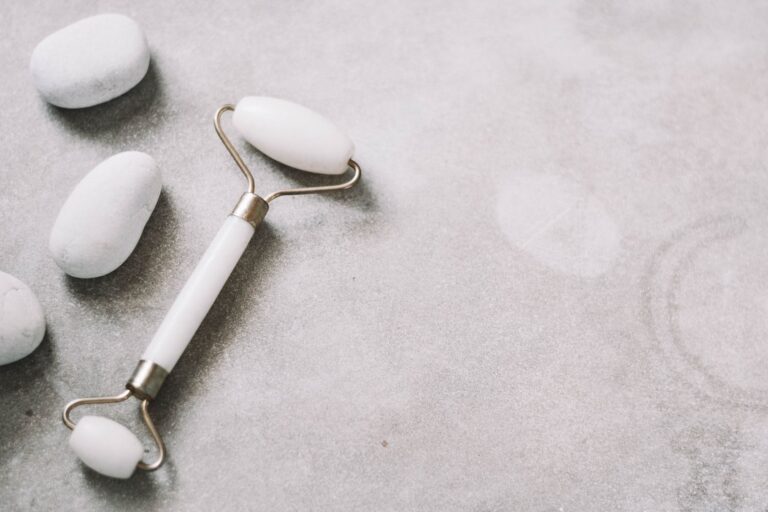
Explore our collection of handpicked jade jewelry at KartiKart — minimalist pieces built to last.
Table of Contents
- What Is the Best Way to Travel With Jewelry Without Losing It at the Airport?
- Never Pack Jewelry in Checked Luggage — Here Is Why
- Why Travel Jewelry Is the Smartest Investment for Frequent Flyers
- Hotel Room Theft: The Risk Most Travelers Overlook
- Jewelry Insurance: What It Covers and What It Does Not
- Building a Travel Jewelry Capsule That Works for Every Trip
- Conclusion
What Is the Best Way to Travel With Jewelry Without Losing It at the Airport?
The best way to protect jewelry at the airport starts before you leave the house. Photograph every piece you are bringing, front and back, on a plain surface with good lighting. This creates a visual inventory that serves as proof of ownership if you need to file a police report, an insurance claim, or a dispute with the TSA — and given that the agency settled only about 37 percent of claims for stolen or damaged items between 2010 and 2014, you want every advantage you can get.
Once you arrive at the airport, the TSA officially states that fine jewelry — rings, necklaces, bracelets, watches, and earrings — can be worn through security screening. There is no blanket rule requiring you to remove it. However, bulky or layered metallic pieces may trigger the body scanner alarm, so the TSA recommends removing those items beforehand and placing them inside your carry-on bag, never loose in a bin where they can be grabbed by another passenger or overlooked by a rushed screener.
A small but important detail from the TSA that most travelers miss: if you are wearing a necklace through the scanner, swing it so it hangs down your back. That way, if the scanner flags it and you need a pat-down, the agent resolves it on your back rather than your chest. It is a minor adjustment that makes the whole process faster and less uncomfortable, especially for women traveling alone.

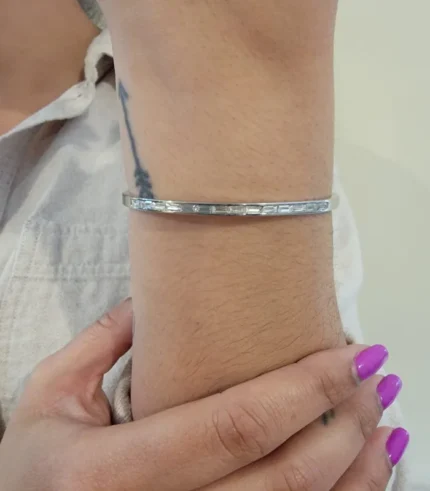
Shop tarnish-free gold-plated jewelry
View all →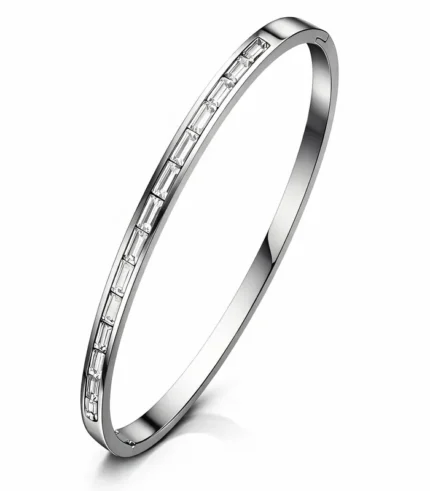
Never Pack Jewelry in Checked Luggage — Here Is Why
This is not a suggestion. It is the single most repeated piece of advice from security experts, insurers, and the TSA itself: never put jewelry in checked luggage. Thieves specifically target small, expensive objects like jewelry and electronics in checked bags, and the physical chain of custody for checked luggage involves dozens of hands between the ticket counter and the baggage carousel.
Since 2002, the TSA has fired 513 officers for theft, and the stolen items included jewelry, electronics, watches, credit cards, and cash. The numbers paint a grim picture of accountability. Roughly 90,000 to 100,000 items are left behind at TSA checkpoints each month, and that figure only accounts for the security area — not the tarmac, the baggage handling system, or the cargo hold.
If your necklace disappears from a checked bag, proving it was there in the first place is nearly impossible without photographic documentation, and even then, nearly 70 percent of TSA claims were denied. However, if you absolutely must check a bag that contains jewelry — say, you are relocating and shipping your entire collection — use a hard-sided, TSA-approved locking case inside your suitcase, and make sure you have specialized jewelry insurance with worldwide coverage. Standard homeowners or renters insurance typically has sub-limits for jewelry, often between $1,000 and $2,500, and may not cover what insurers call “mysterious disappearance.” That phrase alone should tell you how common the problem is.
Why Travel Jewelry Is the Smartest Investment for Frequent Flyers
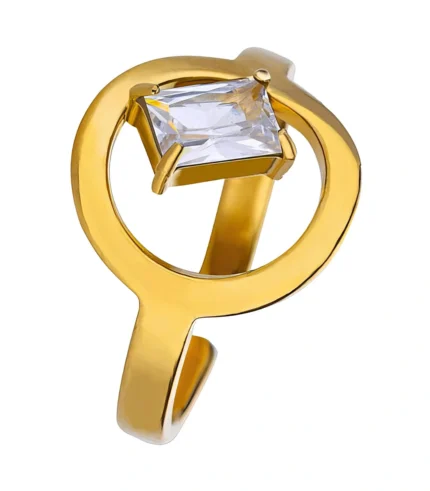
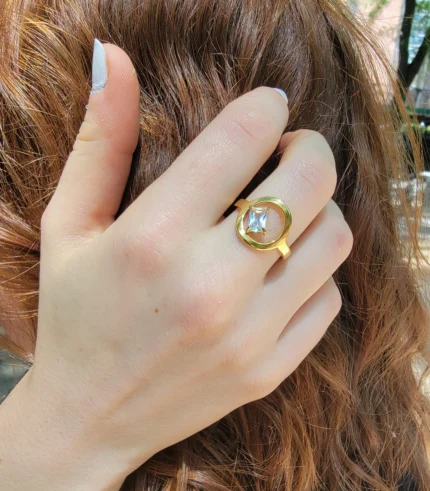
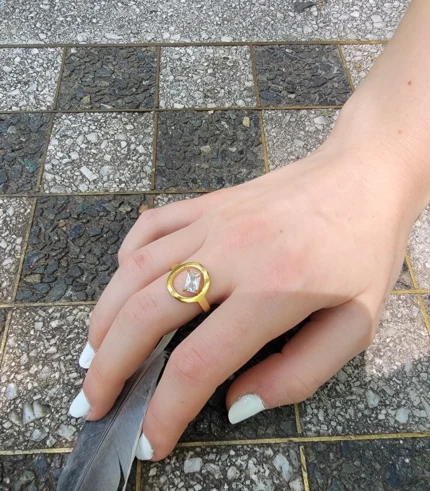
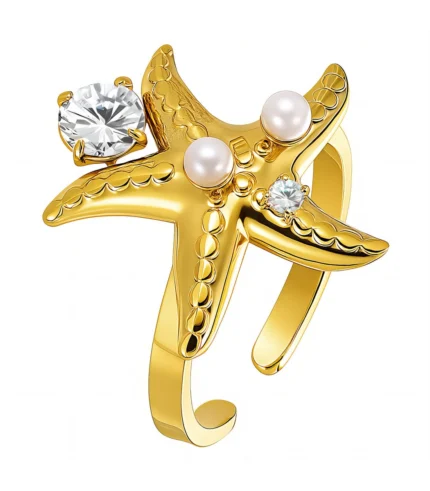
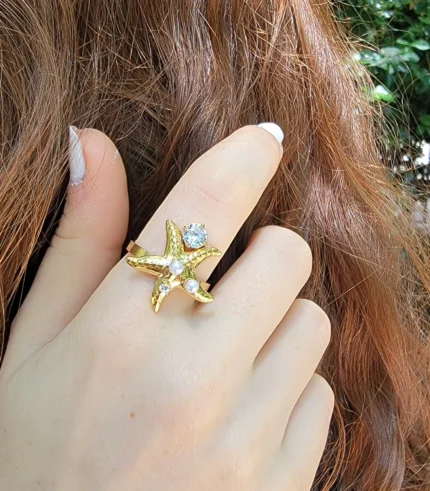
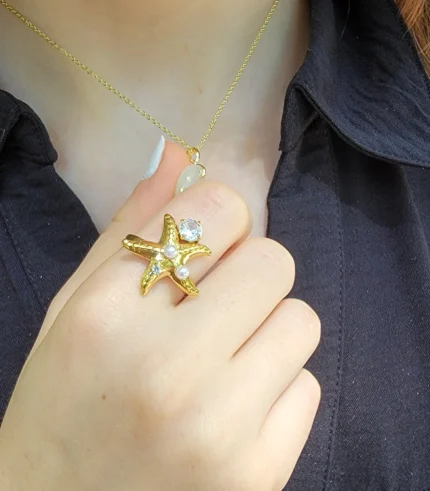
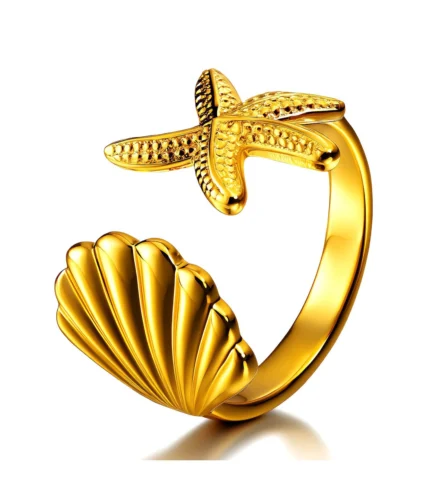
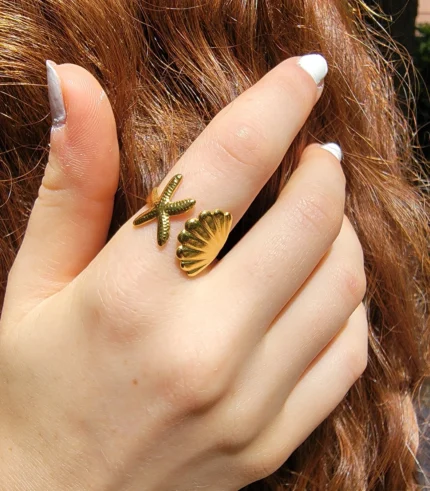
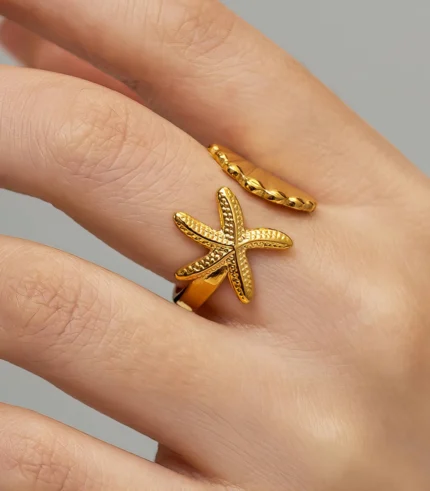
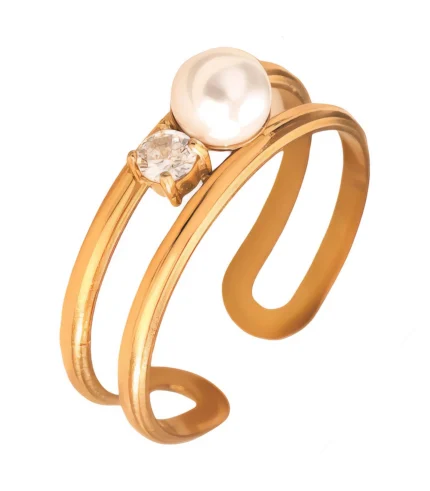
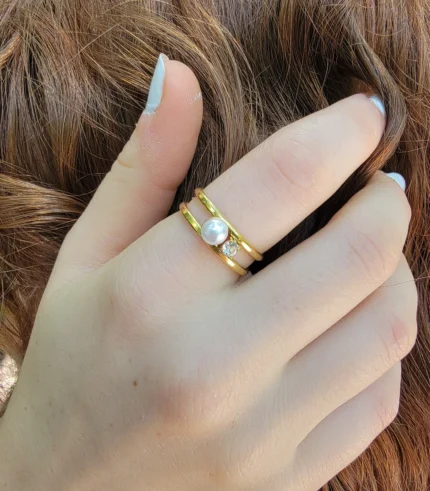
The real shift in how women approach travel jewelry is not about buying cheap costume pieces that turn your skin green by the second flight. It is about choosing materials that look beautiful, hold up to the wear and tear of travel, and do not represent a financial or emotional catastrophe if something goes wrong. This is exactly where 18K gold plated stainless steel has changed the equation.
Modern plating technology has dramatically improved durability, and the result is jewelry that looks identical to solid gold, weighs less on your wrist or neck, and costs a fraction of the price. think about it practically. If you are wearing a $4,000 solid gold bracelet through airport security at LAX — one of the top airports for theft claims — and it goes missing from a bin during a bag check, you are filing a claim that will statistically be denied two-thirds of the time.
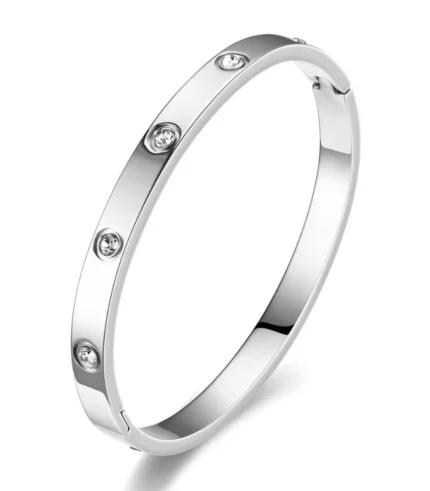
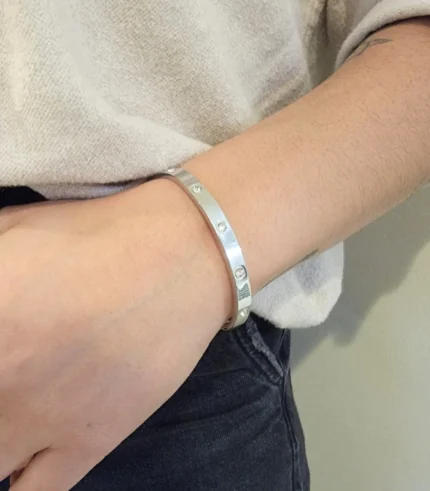
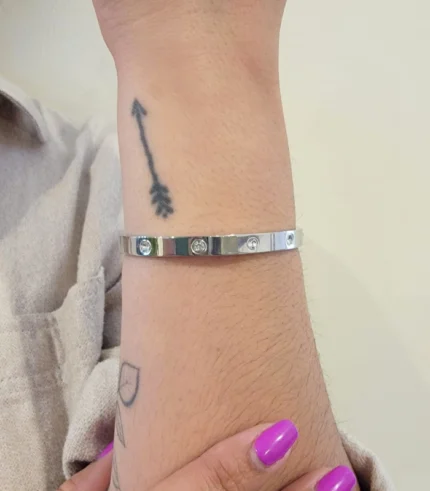
If you are wearing an 18K gold plated stainless steel bracelet that costs under $50, you still look polished, you still feel put together, and the worst-case scenario is an inconvenience rather than a disaster. That is not a compromise on quality. It is a different approach for a different priority.
For women who travel frequently for work or pleasure, building a small capsule of travel jewelry — two or three versatile pieces in gold plated stainless steel or sterling silver 925 — means you can match any outfit without packing your entire jewelry box. Keep your heirloom pieces at home in a proper jewelry box or safe, and let your travel collection do the heavy lifting on the road. ## How to Pack Jewelry for a Flight: Cases, Pouches, and Organization A dedicated travel jewelry case is not a luxury — it is a functional tool that saves time at security and protects your pieces from scratching against each other.
Look for a small, flat pouch or case that opens easily for inspection, keeps items separated in individual compartments, and fits inside your personal item or carry-on. Avoid anything bulky or opaque that might prompt a TSA agent to pull your bag for secondary screening. The key distinction here is between a case designed for travel and a regular jewelry box.
A travel case should be soft enough to compress in your bag, have closures that will not pop open, and ideally include anti-tarnish lining for sterling silver 925 or gold plated pieces. Roll-up leather pouches work well for necklaces because they keep chains from tangling, while small zippered compartments handle rings and earrings. If you are traveling with stud earrings, push them through a small piece of felt or a button so they stay paired.
Join the KartiKart community
10% off, on top of any current sale, your first order + early access to new collections
Free · No spam · Unsubscribe anytime
One comparison worth making: hard-shell travel jewelry cases offer better protection against crushing but take up more space and can look suspicious on an X-ray, potentially triggering a bag check. Soft pouches are faster through security and more discreet, but they offer less physical protection. For travel jewelry made from durable materials like stainless steel, a soft pouch is usually more than enough since the material itself resists scratching and bending far better than delicate solid gold chains.
Hotel Room Theft: The Risk Most Travelers Overlook
Here is a statistic that surprises most people: 35 percent of consumers who lost jewelry while traveling lost it in a hotel room, making it the single most common location for jewelry loss or theft — more common than airports, beaches, or restaurants. The impulse to toss your rings on the nightstand or leave a necklace on the bathroom counter is natural, but hotel rooms see a rotating cast of housekeeping staff, maintenance workers, and sometimes previous guests who still have key access. Hotel room safes offer a false sense of security.
They are bolted to furniture or shelves that can be removed, they use default codes that are widely known, and hotel staff typically have override access. If you are traveling with pieces that have significant financial or sentimental value, use the hotel vault at the front desk rather than the in-room safe. The front desk vault is monitored, logged, and insured by the hotel in most cases.
For travel jewelry in the under-$100 range — pieces like 18K gold plated stainless steel or sterling silver 925 — the hotel safe is perfectly fine for keeping things organized and out of sight while you are at the pool. The point is proportionality: match your security measures to the value of what you are protecting. A $40 bracelet does not need the same protocol as a $10,000 engagement ring, and that flexibility is one of the real benefits of traveling with more accessible pieces.
Jewelry Insurance: What It Covers and What It Does Not
If you are traveling internationally with fine jewelry, specialized jewelry insurance is worth serious consideration. Companies like Jewelers Mutual and Chubb offer worldwide all-risk coverage that includes theft, accidental damage, and mysterious disappearance — the last category being the one most standard policies exclude. Annual premiums typically run 1 to 2 percent of the item’s appraised value, so insuring a $5,000 ring costs roughly $50 to $100 per year.
The catch is that appraisals need to stay current. Gemstone and precious metal markets fluctuate, and if your ring was appraised five years ago at $3,000 but is now worth $5,500, you are underinsured by nearly half. The Gemological Institute of America (GIA) recommends updating jewelry appraisals every two to three years, or after any significant market shift.
Keep digital copies of appraisals, receipts, and photographs in cloud storage so they are accessible from anywhere if you need to file a claim abroad.
Building a Travel Jewelry Capsule That Works for Every Trip
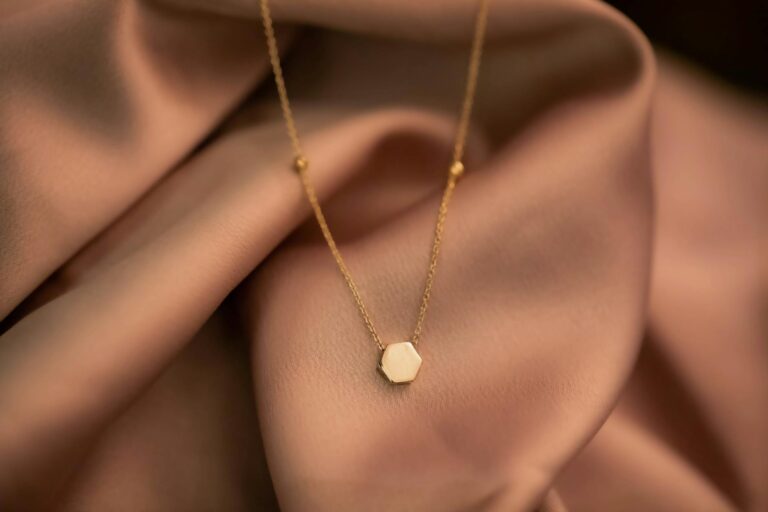
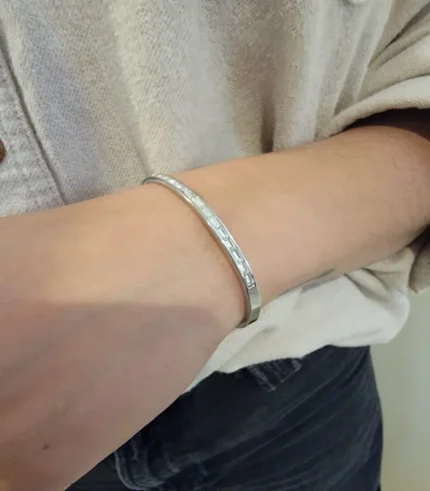
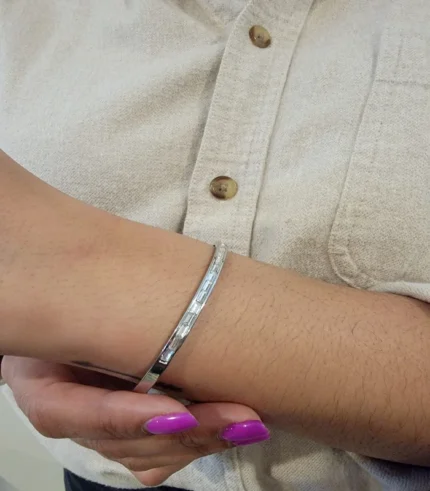
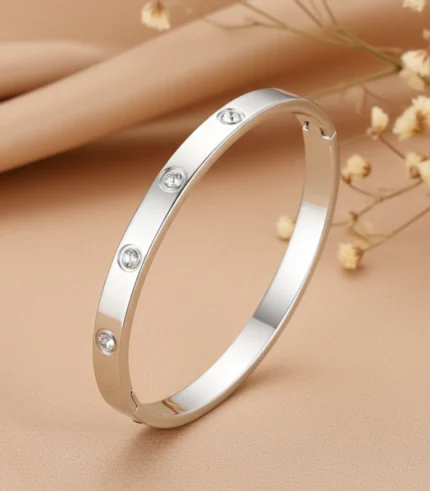
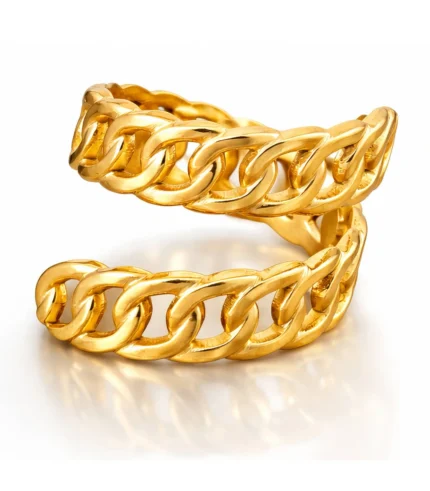
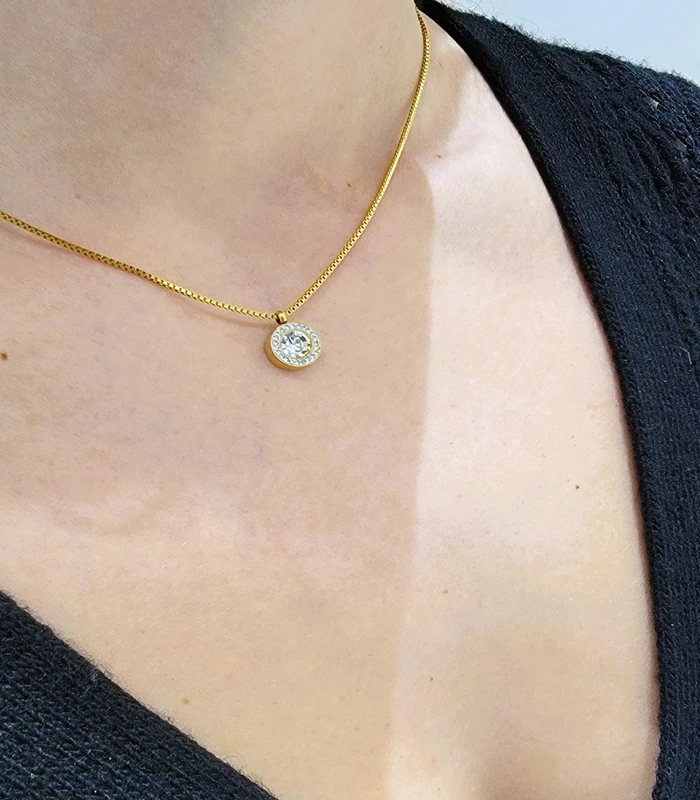
The most practical approach is to build a small, intentional collection of travel jewelry that covers your bases without overthinking it. A good starting point: one pair of simple gold plated stud or hoop earrings, one versatile necklace that works with both casual and dressy necklines, and one bracelet or ring that feels like your signature piece. Three pieces, all in 18K gold plated stainless steel, all lightweight enough to wear through security without triggering alarms, and all easy to replace if the worst happens.
The beauty of this approach is that it eliminates the pre-trip anxiety of deciding what to bring and what to leave behind. You are not agonizing over whether your grandmother’s pendant is safe in a hotel room in Barcelona. You are wearing pieces you love, that look elegant, and that let you actually enjoy your trip.
Easy maintenance — just avoid prolonged contact with water and store pieces in a soft pouch when you are not wearing them — keeps gold plated jewelry looking fresh for years of travel.
Looking for minimalist jade jewelry? Browse our full collection of necklaces, bracelets, earrings, and rings at KartiKart. Free shipping on all US orders.
Conclusion
Traveling with jewelry does not have to be stressful, but it does require a deliberate approach. Keep everything in your carry-on, photograph your pieces before every trip, remove bulky items before the body scanner, and never leave jewelry unattended in a security bin or on a hotel nightstand. If you are carrying high-value pieces, invest in specialized insurance and use hotel vaults instead of room safes.
And if you travel frequently, consider whether your everyday jewelry is really what you want to risk at the four airports with the highest theft claims in the country. The growing popularity of travel jewelry reflects a practical reality: you can look polished and put together on the road without putting irreplaceable pieces at risk. Materials like 18K gold plated stainless steel and sterling silver 925 have closed the gap between accessible and aspirational, giving women real options that hold up to the demands of travel. Pack smart, protect what matters most, and save the heirloom pieces for occasions where they are not competing with baggage handlers, hotel housekeeping, and the 100,000 items that go missing at TSA checkpoints every single month.
You Might Also Like
- How to Pick the Right Jewelry for a Wedding Guest Without Overdoing It
- Why the Jewelry Industry Exposed to Lab Testing Fails More Than You ThinkWait, let me give you something cleaner and more natural:Why Most Jewelry Sold as Solid Gold Would Fail an Independent Lab Test
- Why Most Jewelry Marked Hypoallergenic Actually Contains the Metals That Irritate Your Skin
From the KartiKart shop
Wear what you just read about
Dainty, everyday pieces, handpicked by a husband-and-wife team. Free U.S. shipping, gift-ready packaging, 30-day easy returns, and 5% of every order goes to organizations fighting human trafficking.
Shop tarnish-free gold-plated jewelry →