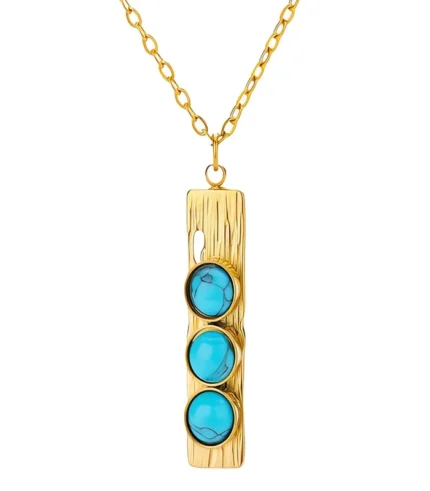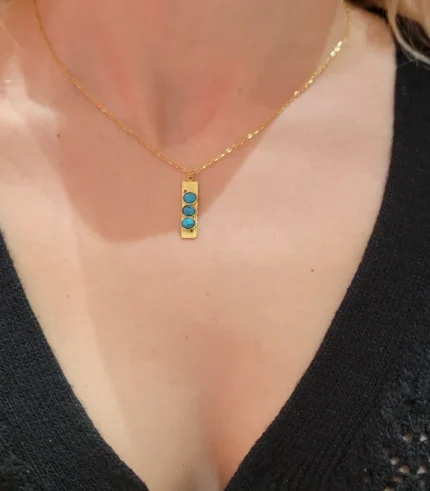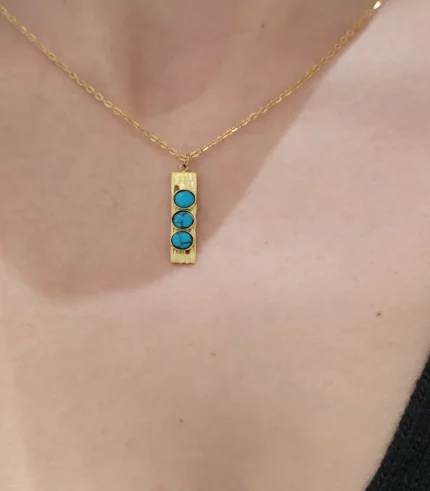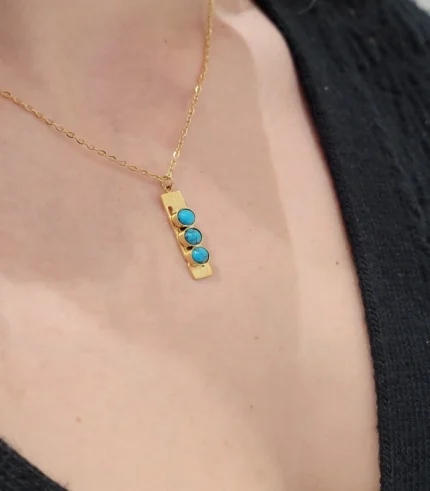
Crystal Pendant Guide: Choosing Stones by Intention
Crystal pendant jewelry has become one of the most personal ways to wear gemstones with purpose. Each stone carries a unique history rooted in geology and cultural tradition. Choosing a crystal pendant by intention means selecting a stone that aligns with a specific goal or emotional focus. For example, someone seeking calm might gravitate toward amethyst.
Someone focused on self-love might reach for rose quartz. This approach transforms jewelry from pure decoration into something meaningful. When set in 18K gold plated stainless steel, a crystal pendant becomes both a daily companion and an elegant accessory. The combination of natural stone and modern metalwork creates pieces that feel intentional from the start. Understanding which crystals match which intentions helps you build a collection that actually reflects your life.
Popular Crystals and Their Traditional Intentions
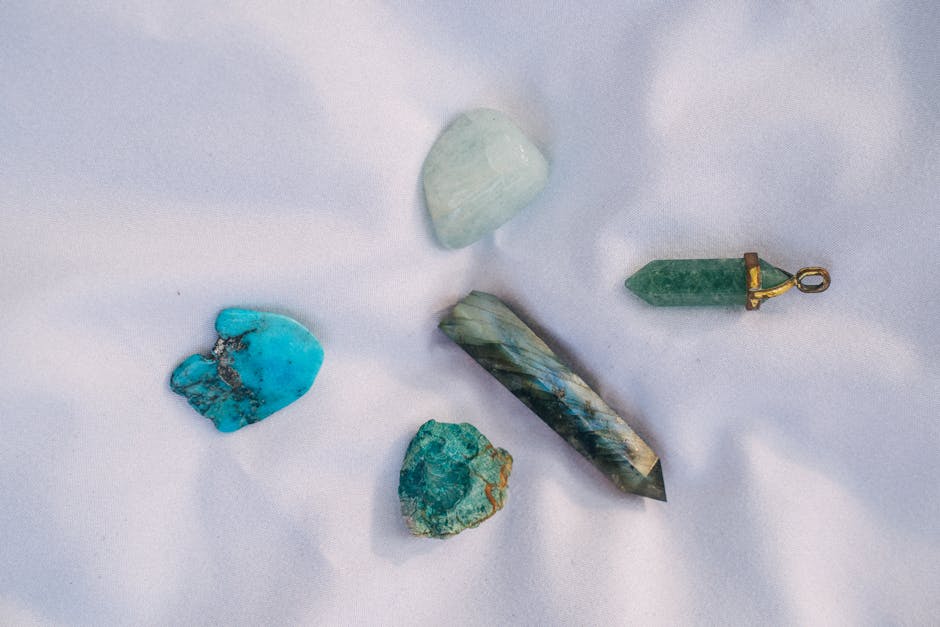
Every crystal pendant starts with the stone itself. The most popular choices belong to the quartz family. All quartz varieties share the same chemical formula — silicon dioxide (SiO₂) — and rank 7 on the Mohs hardness scale according to GIA. This makes them durable enough for everyday pendant wear. However, each variety develops its unique color from different trace minerals during formation.
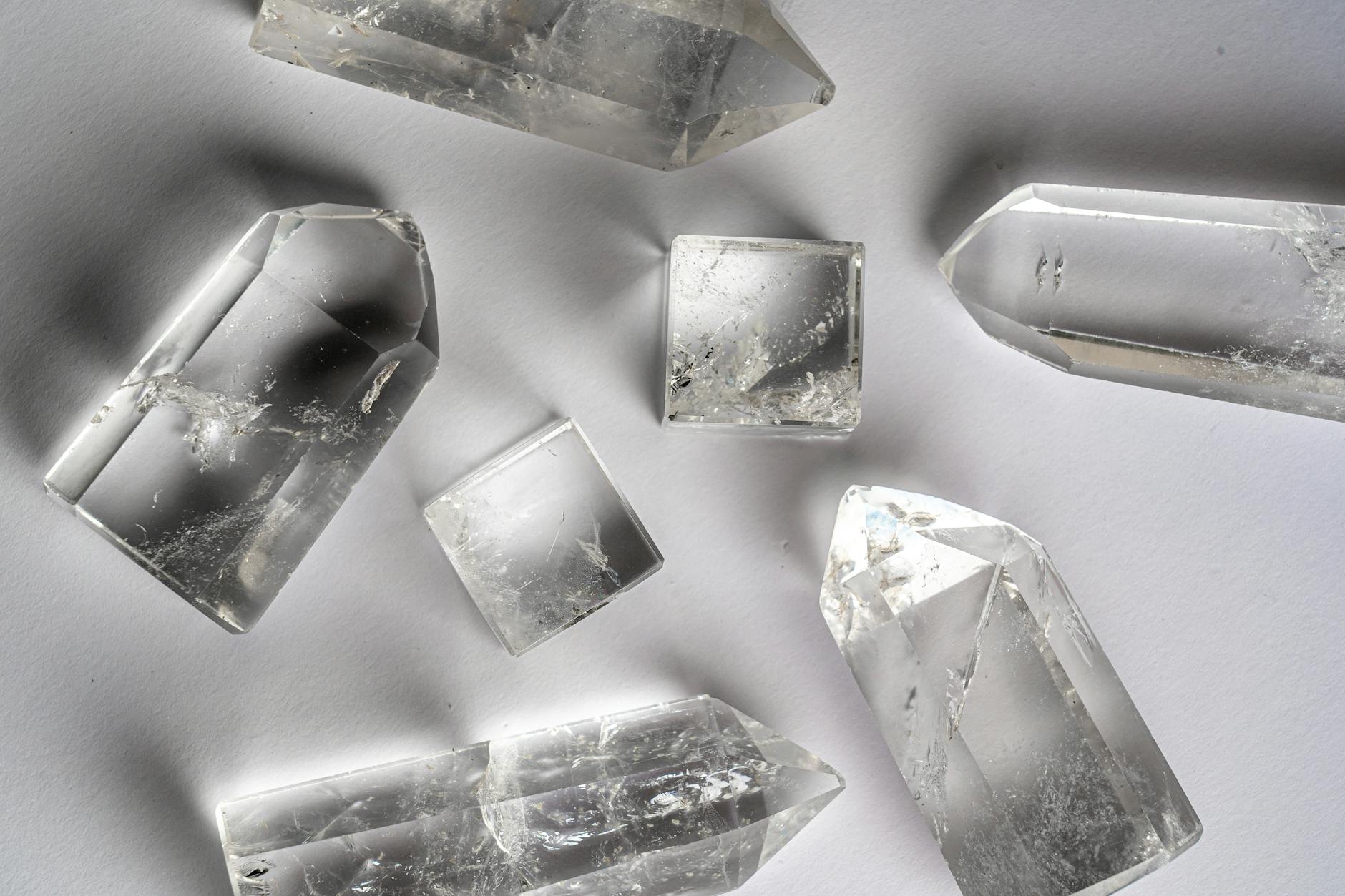
Amethyst gets its purple hue from iron impurities. Traditionally, it represents mental clarity, calm, and spiritual awareness. Rose quartz owes its pink tone to traces of titanium or manganese. It has long been called the “Heart Stone” and is associated with love and compassion. Citrine ranges from golden yellow to warm orange. It earned the nickname “Merchant’s Stone” for its association with abundance and creativity. Clear quartz is the purest form. It is often called the “Master Healer” and is linked to focus and intention amplification.
Black tourmaline stands apart from the quartz family. It is a complex boron silicate mineral with a Mohs hardness of 7 to 7.5. This stone is traditionally tied to grounding and protection. It also has genuine pyroelectric and piezoelectric properties, meaning it generates a small electrical charge when heated or compressed. For a crystal pendant focused on stability, black tourmaline is a popular choice.
Shop tarnish-free gold-plated necklaces
View all →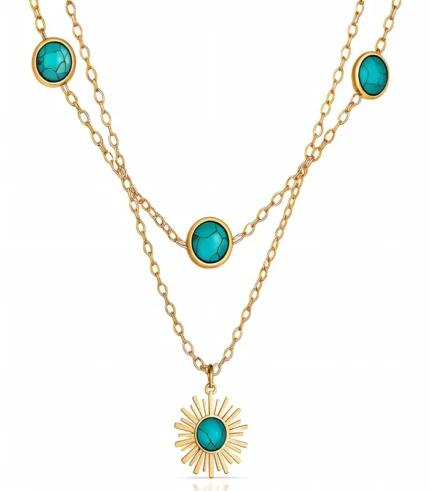


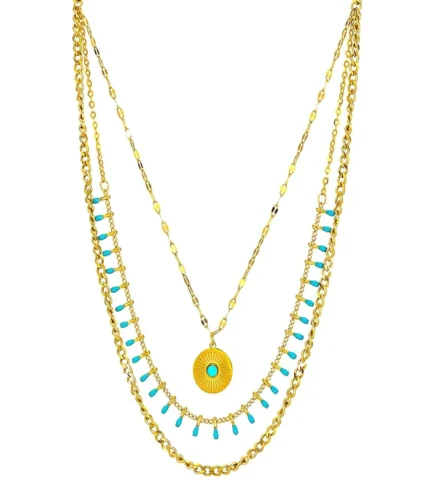
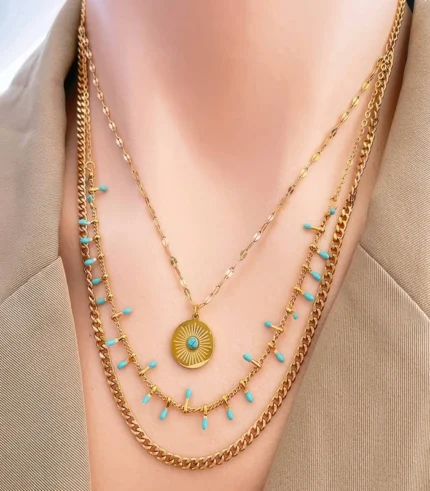
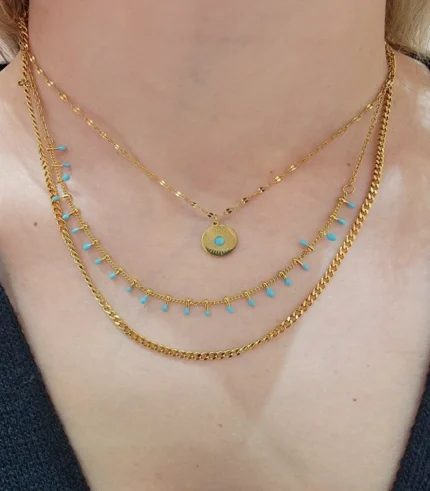
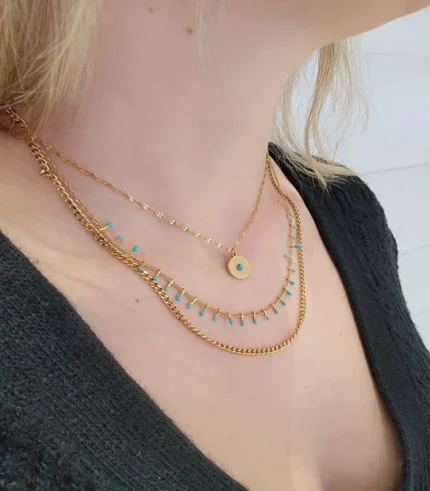
How to Choose a Crystal Pendant by Intention
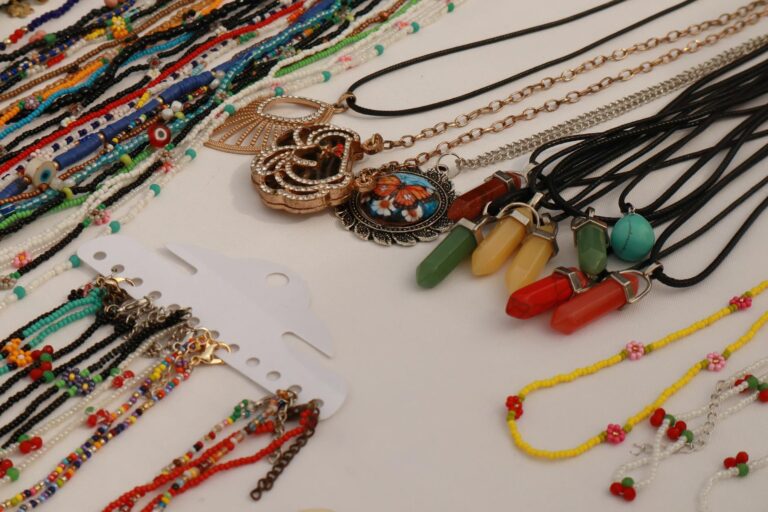
Start by identifying what you want more of in your daily life. Crystal pendant selection works best when you narrow your focus to one or two intentions. In most cases, people choose stones for emotional balance, confidence, creativity, or protection. Match that intention to the stone’s traditional association. Then consider how the color and shape of the crystal pendant will pair with your existing jewelry.
For love and relationships, rose quartz is the classic selection. For career focus and abundance, citrine is typically recommended. For calm during stressful periods, amethyst is widely chosen. For general clarity or when you want a versatile piece, clear quartz works with any intention you set. If you feel scattered or overwhelmed, black tourmaline offers grounding energy. The Smithsonian’s mineral collection documents the geological diversity within even a single quartz variety.
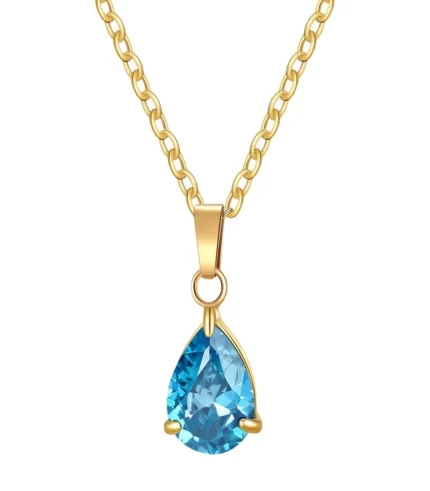
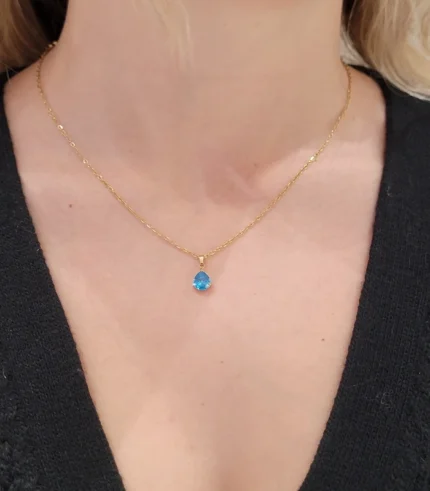
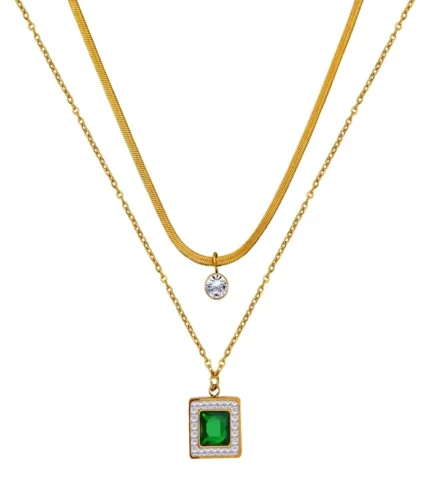
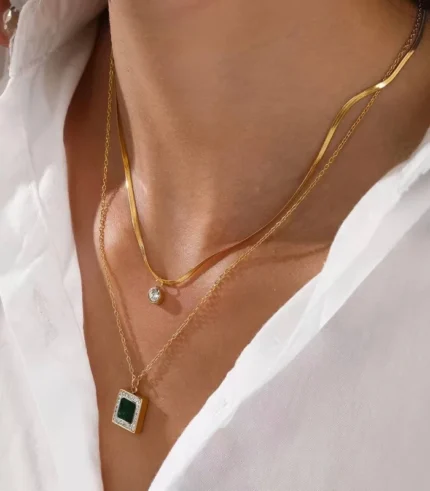
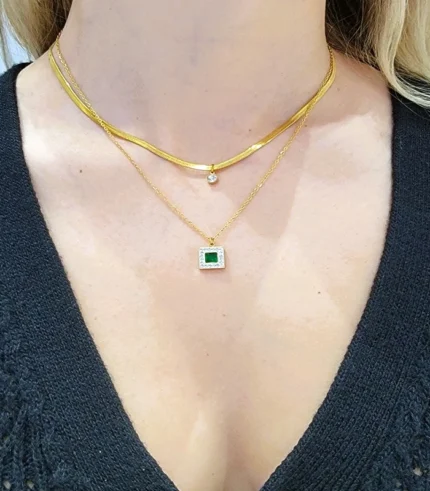
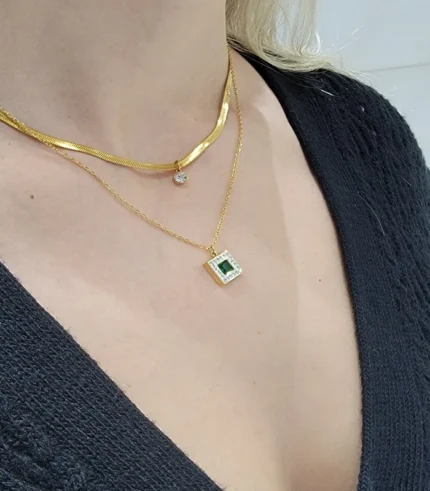
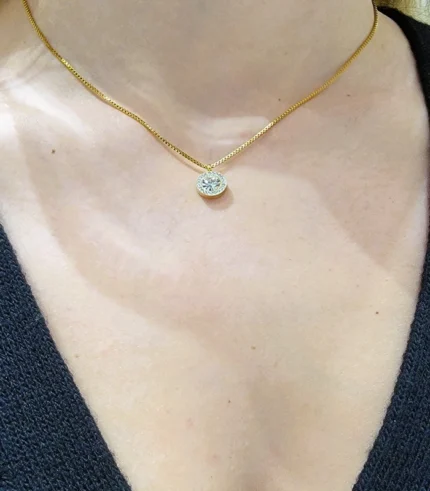
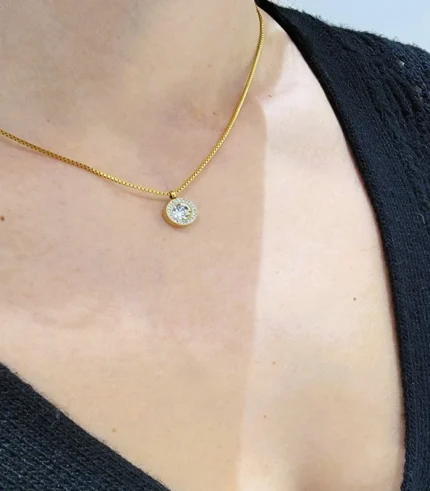
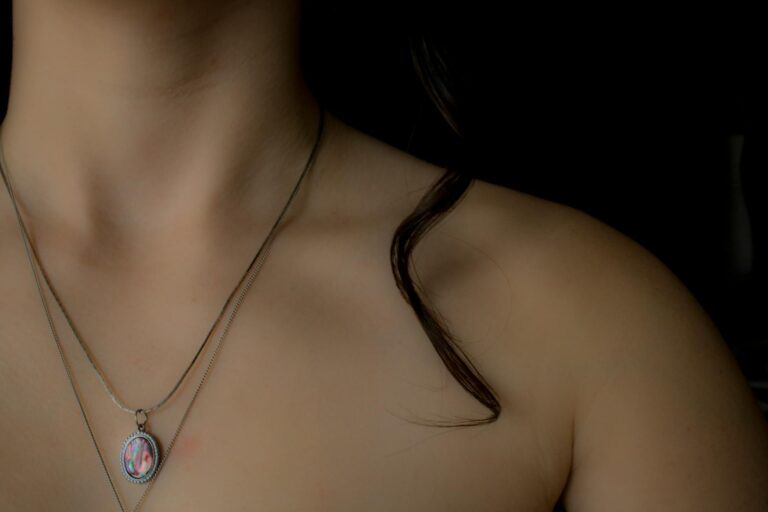
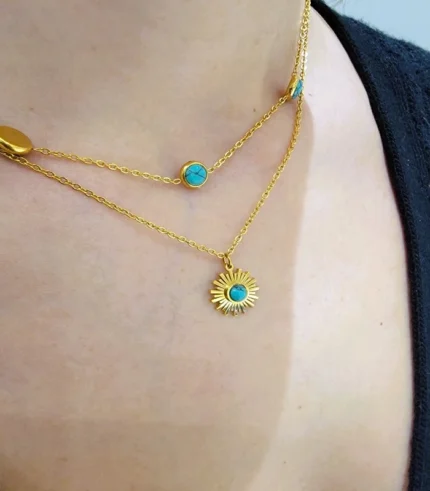
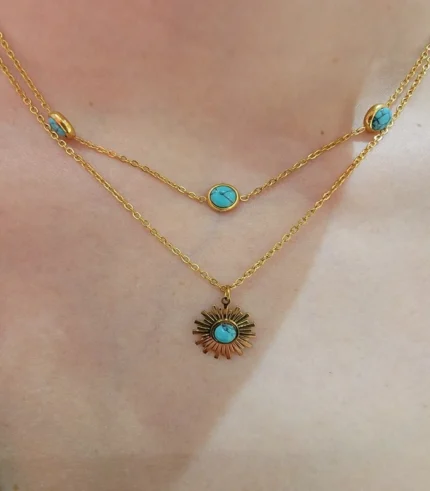
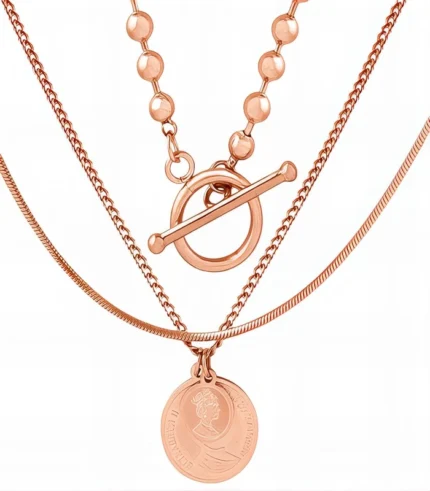
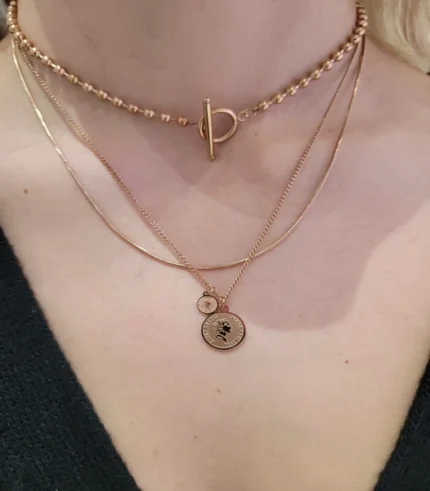
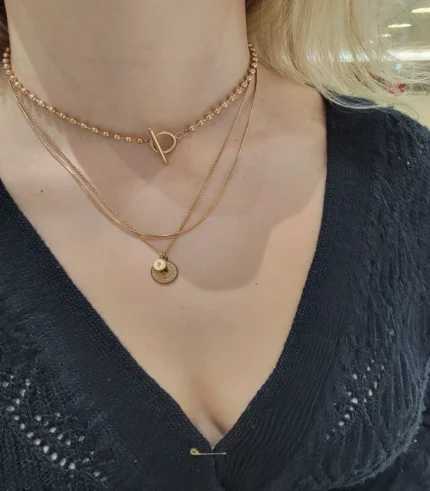
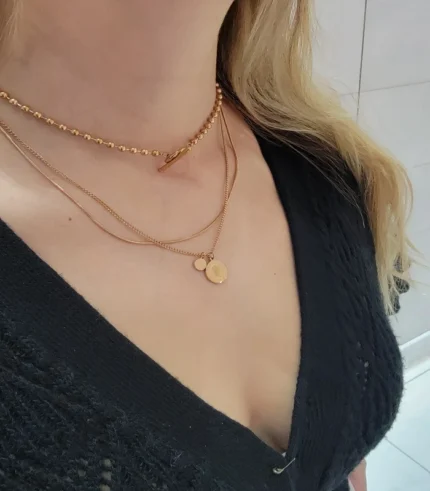
You can also layer intentions by wearing multiple crystal pendants on different chains. A rose quartz crystal pendant on a shorter chain paired with an amethyst on a longer one creates both visual depth and layered meaning. This is where 18K gold plated stainless steel settings shine. You can own several crystal pendant pieces for the price of one solid gold setting. That means real variety in your collection without compromise on appearance.
Crystal Pendant Settings and Quality Markers
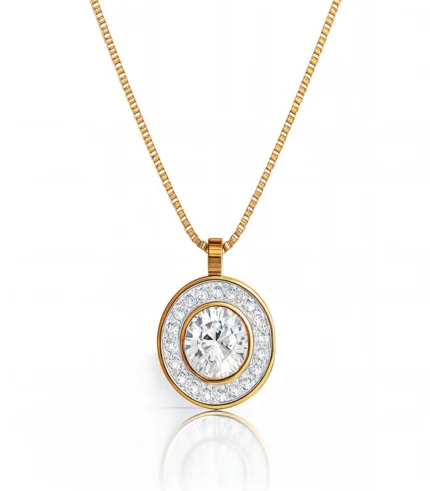
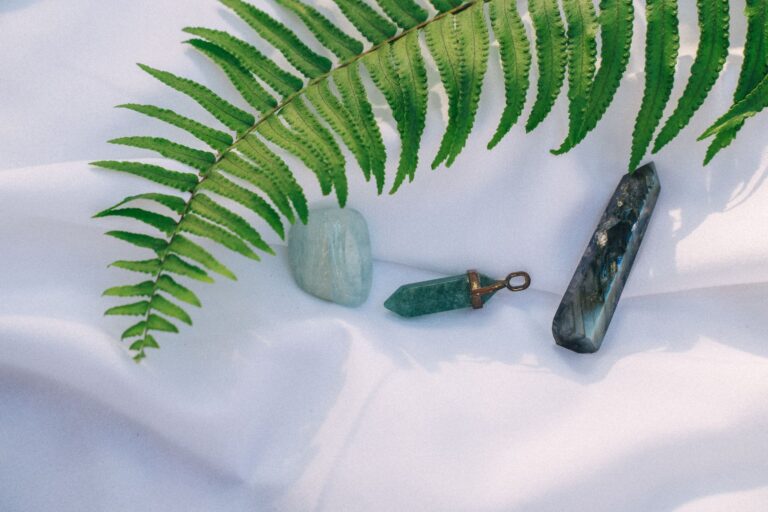
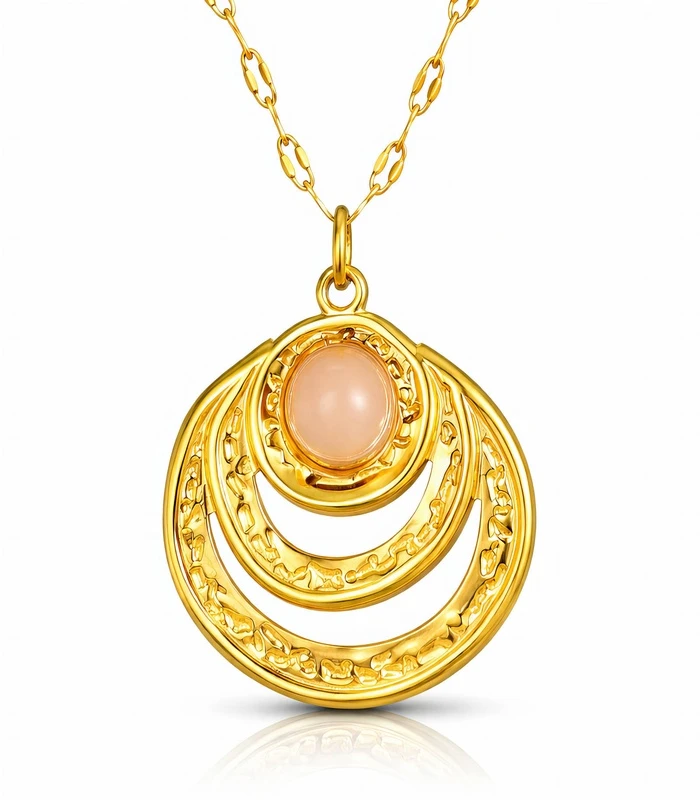
The setting matters as much as the stone. A crystal pendant typically uses either a bezel setting or wire wrapping. Bezel settings use a thin metal rim that surrounds the stone securely. This is one of the oldest and most reliable techniques in jewelry making. Wire wrapping twists metal wire around the crystal, which works especially well for raw or irregular stone shapes.
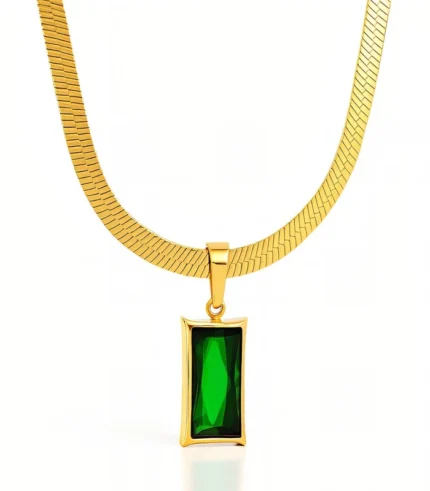
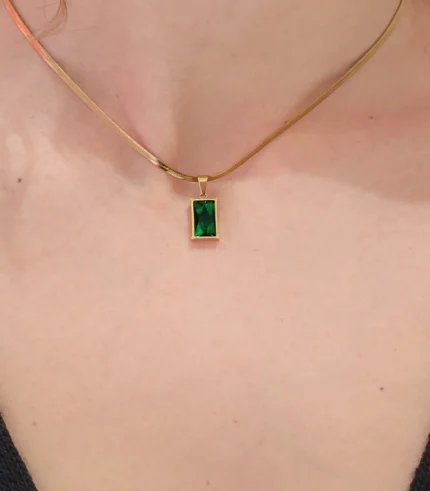
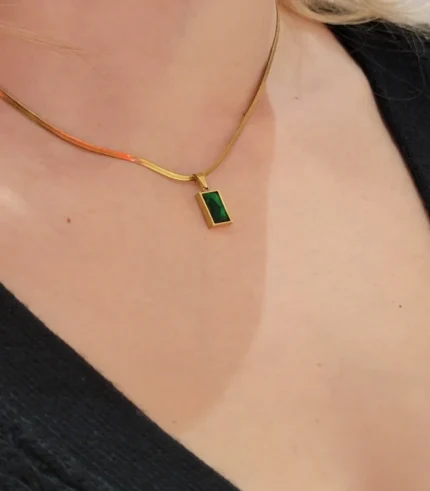
Modern 18K gold plating on stainless steel provides the ideal base for crystal pendants. The steel core is scratch-resistant and hypoallergenic. The gold layer adds warmth that complements every crystal color. Amethyst pops against gold. Rose quartz looks soft and feminine. Citrine harmonizes naturally with golden tones. This combination means your crystal pendant is designed for everyday wear without worry.
When evaluating quality, check that the stone is securely set with no wobble. Look for even plating coverage around the bail and setting edges. A well-made crystal pendant should feel solid in your hand. The chain attachment point should be reinforced since pendants carry weight at a single point.
Caring for Your Crystal Pendant Collection
Keeping a crystal pendant beautiful takes about 10 seconds of daily habit. Remove your pendant before showering or swimming. Store it in a soft pouch or lined jewelry box when not wearing it. These two steps protect both the stone and the gold plating for years of wear. Citrine and amethyst can fade with prolonged direct sunlight, so avoid leaving them on a windowsill. However, normal indoor and outdoor wear is perfectly fine.
Join the KartiKart community
10% off, on top of any current sale, your first order + early access to new collections
Free · No spam · Unsubscribe anytime
Clean your crystal pendant gently with a soft dry cloth after wearing. For deeper cleaning, use a slightly damp cloth and dry immediately. This keeps both the crystal’s natural luster and the 18K gold surface looking fresh. With a collection of several crystal pendants — easily achievable at accessible price points — you can rotate pieces based on your intention for the day or week.
Frequently Asked Questions
Which crystal pendant is best for beginners?
Clear quartz is the most versatile starting point. It pairs with any intention you want to focus on. It also matches every outfit and metal tone, making it an easy first crystal pendant.
Can I wear more than one crystal pendant at a time?
Yes. Layering crystal pendants on chains of different lengths is a popular styling technique. Many people combine stones with complementary intentions. For example, rose quartz and amethyst together support emotional balance.
How do I know if a crystal pendant stone is genuine?
Genuine quartz varieties feel cool to the touch and have natural inclusions or slight color variations. Perfect uniformity often indicates glass. The GIA Gem Encyclopedia provides detailed identification guides for every major gemstone family. A reputable jeweler will disclose the stone type clearly.
Shop Jewelry at KartiKart
Explore our collection of handcrafted 18K Gold Plated Stainless Steel jewelry. Every piece is designed for everyday elegance at an accessible price point.
Best Sellers · Bracelets · New Arrivals
Sources & Further Reading
For verified gemstone and jewelry information:
Content last reviewed April 2026. If you notice any outdated information, please contact us.
From the KartiKart shop
Wear what you just read about
Dainty, everyday pieces, handpicked by a husband-and-wife team. Free U.S. shipping, gift-ready packaging, 30-day easy returns, and 5% of every order goes to organizations fighting human trafficking.
Shop tarnish-free gold-plated necklaces →