Jade Healing Properties: What Traditional Medicine Says
Jade healing properties have fascinated cultures across the globe for thousands of years. This luminous green stone carries one of the longest histories of any gemstone used in traditional medicine. Ancient Chinese practitioners believed jade could calm the spirit and support kidney health. Mesoamerican civilizations valued it more than gold for its supposed curative powers.
Today, jade remains one of the most popular stones in wellness circles. However, understanding what traditional medicine actually says — versus modern marketing claims — helps you appreciate jade on a deeper level. Whether you wear jade jewelry for its beauty or its heritage, the cultural story behind this stone is genuinely remarkable. Let’s explore what centuries of tradition reveal about jade healing properties and how they connect to the jewelry we wear today.
The Ancient Roots of Jade Healing Properties
Jade has been used in China for over 7,000 years. Neolithic cultures like the Hongshan and Liangzhu carved it into ritual objects. In Confucian tradition, the scholar Xu Shen associated jade with five virtues: benevolence, righteousness, wisdom, courage, and purity. The Chinese word for jade is “yu” (玉), and it was called the “Stone of Heaven.” Traditional Chinese Medicine practitioners claimed jade healing properties included cooling the body and calming emotional turbulence.
The connection between jade and kidney health is literally built into its name. The word “nephrite” comes from the Greek “lapis nephriticus,” meaning kidney stone. Spanish explorers adopted this term in the 16th century after encountering Mesoamerican healers who used jade to treat kidney and hip ailments. For example, Maya and Olmec civilizations ground jade into powder and consumed it as medicine. This deep cross-cultural belief in jade healing properties is rare among gemstones.
Two Types of Jade and Their Healing Traditions
There are actually two distinct minerals sold as jade: nephrite and jadeite. According to the Gemological Institute of America (GIA), nephrite is a calcium-magnesium silicate with a Mohs hardness of 6 to 6.5. Jadeite is a sodium-aluminum silicate, slightly harder at 6.5 to 7. Both are exceptionally tough due to their interlocking crystal structure. Jadeite is rarer and includes the prized “Imperial jade” variety. Traditionally, both types were credited with jade healing properties, though nephrite dominated Chinese medicine for centuries.
In New Zealand, the Maori people treasure nephrite as “pounamu” or greenstone. They carve it into hei-tiki pendants believed to carry ancestral spiritual power called mana. This tradition continues today and is legally protected under New Zealand law. Meanwhile, in ancient China, jade burial suits — like the one discovered on Prince Liu Sheng dating to 113 BC — reflected the belief that jade healing properties could preserve the body after death. Wikipedia’s jade entry documents these practices across multiple civilizations.
What Modern Science Says About Jade Healing Properties
Modern gemology does not support medical claims about jade. The GIA classifies jade strictly as a gemological material. No peer-reviewed clinical studies confirm that wearing jade cures ailments. However, some traditional observations do have a basis in physics. Jade stays cool to the touch due to high thermal conductivity. This is a measurable physical property, not a metaphysical one. It is also used as a basic authenticity test by gemologists.
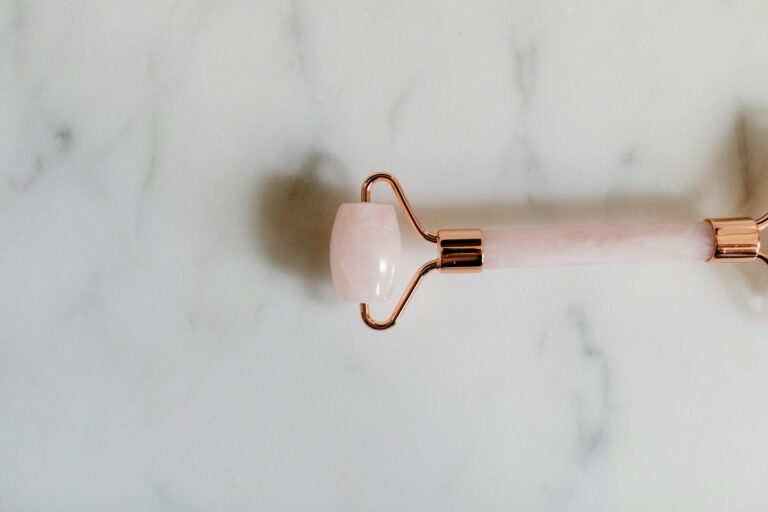
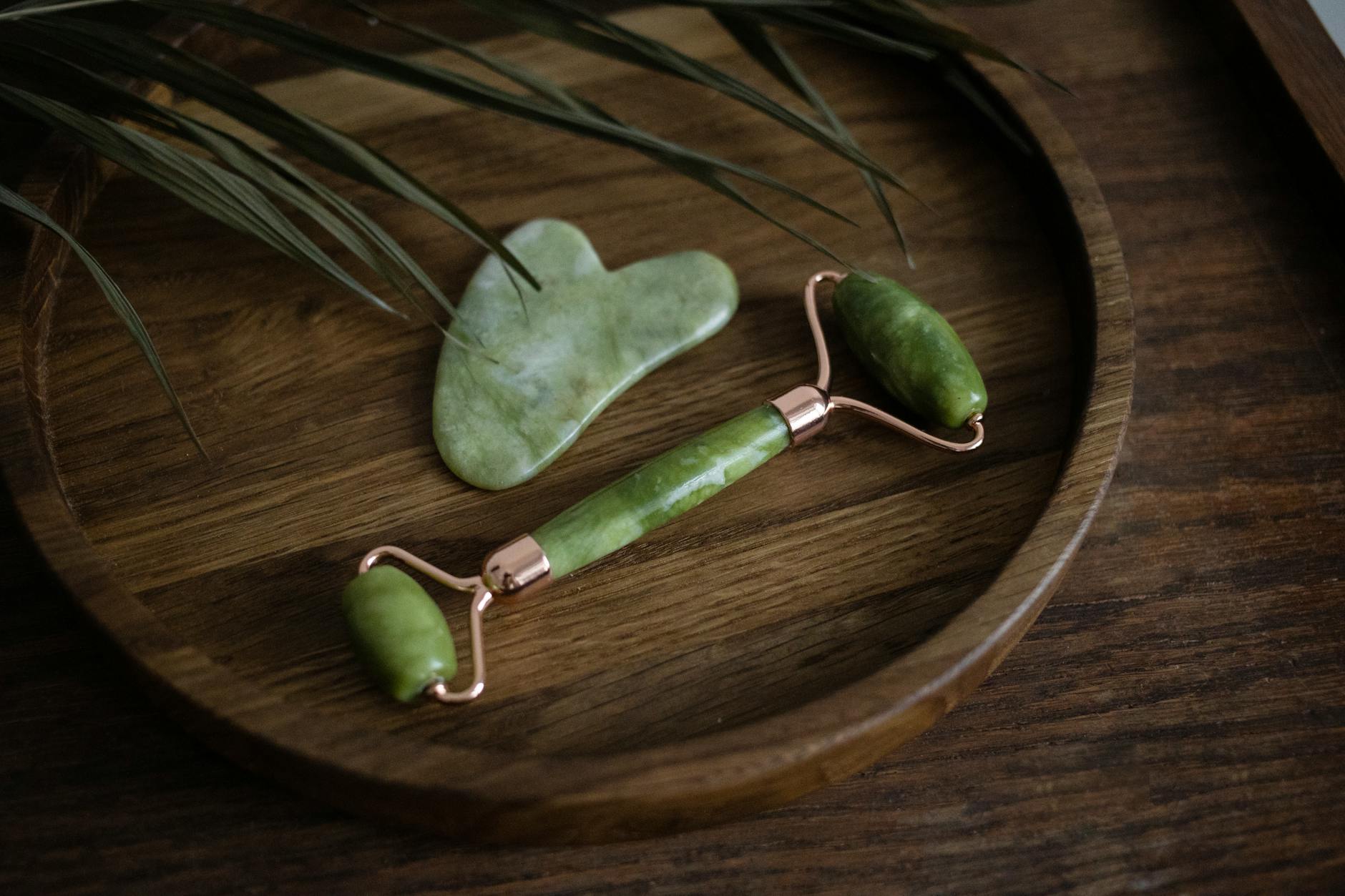
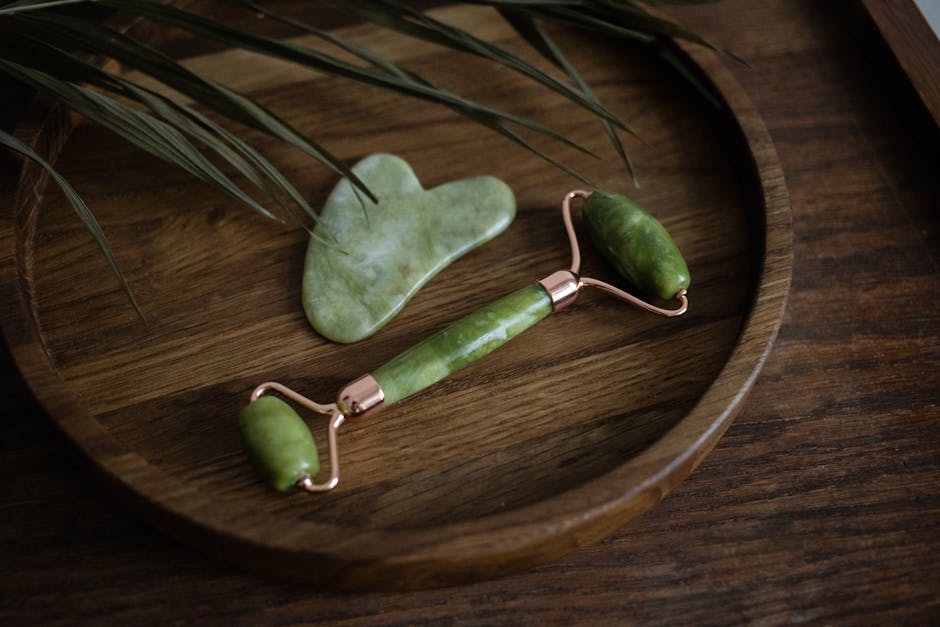
Jade rollers and gua sha tools have surged in popularity. Dermatologists note that facial massage with any smooth, cool tool can temporarily reduce puffiness through lymphatic drainage. The stone material itself is not the active ingredient. In most cases, the massage technique matters more than the tool. Still, the ritual of using jade connects modern users to centuries of tradition around jade healing properties. That cultural connection carries its own kind of value.
Wearing Jade Jewelry: Tradition Meets Modern Style
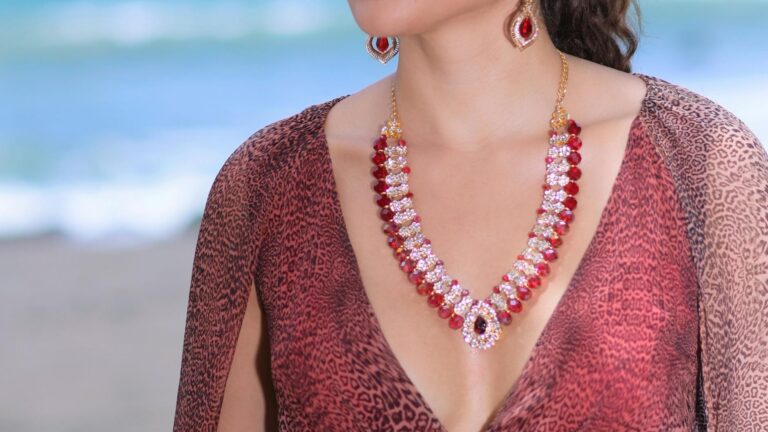
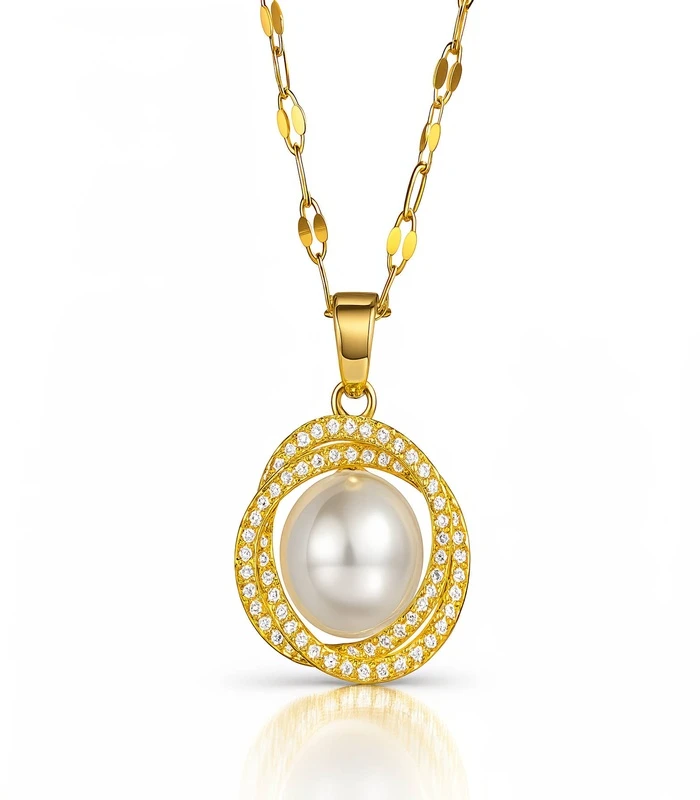
Many people wear jade jewelry specifically because of its traditional associations with balance and calm. You don’t need to believe in crystal healing to appreciate the heritage. Pairing jade beads or pendants with 18K gold plated stainless steel settings creates a striking contrast — warm gold tones against cool green stone. Modern plating technology makes these pieces scratch-resistant, hypoallergenic, and designed for everyday wear. Typically, this approach lets you build a versatile collection without a steep investment.
Caring for jade jewelry is simple. Store pieces separately to prevent scratching. Wipe jade gently with a damp cloth after wearing. These easy habits take about 10 seconds and keep your jewelry looking beautiful for years. Whether you’re drawn to jade healing properties, the stone’s cultural significance, or simply its timeless green color, jade jewelry remains a meaningful addition to any collection. The Smithsonian Institution features jade specimens that demonstrate why this stone has captivated humanity for millennia.
Frequently Asked Questions
Does jade actually have healing properties?
Join the KartiKart community
10% off, on top of any current sale, your first order + early access to new collections
Free · No spam · Unsubscribe anytime
Traditional Chinese Medicine and Mesoamerican cultures attributed jade healing properties to this stone for thousands of years. However, no modern clinical studies confirm medical benefits. The cultural and emotional value of wearing jade is real, even if the physical healing claims remain unproven by science.
What is the difference between nephrite and jadeite?
Nephrite and jadeite are two separate minerals both called jade. Nephrite is slightly softer and was historically used in Chinese medicine. Jadeite is rarer, harder, and includes the valuable Imperial jade variety. Both share jade healing properties in traditional belief systems.
Can you wear jade jewelry every day?
Yes. Jade scores 6 to 7 on the Mohs hardness scale, making it durable enough for daily wear. When set in 18K gold plated stainless steel, your piece combines the toughness of jade with a hypoallergenic, scratch-resistant setting. Just store it separately and wipe it clean occasionally.
Shop Jewelry at KartiKart
Explore our collection of handcrafted 18K Gold Plated Stainless Steel jewelry. Every piece is designed for everyday elegance at an accessible price point.
Bracelets · Earrings · Best Sellers
Sources & Further Reading
For verified gemstone and jewelry information:
Content last reviewed April 2026. If you notice any outdated information, please contact us.