How Humidity Affects Jewelry and What to Do About It
Humidity jewelry damage is a concern that affects millions of jewelry owners worldwide. Moisture in the air triggers chemical reactions on metal surfaces. These reactions cause tarnishing, discoloration, and corrosion over time. In fact, when relative humidity climbs above 60%, the rate of metal oxidation increases significantly. This is especially true in coastal areas and tropical climates.
However, not all metals respond the same way. Sterling silver reacts with sulfur compounds that humid air carries more efficiently. Copper alloys develop a greenish patina. Stainless steel, on the other hand, resists moisture remarkably well. Understanding how humidity jewelry damage works helps you choose better pieces and care for them properly. The good news is that modern materials and simple storage habits make prevention surprisingly easy.
The Science Behind Humidity Jewelry Damage
Moisture in the air acts as an electrolyte on metal surfaces. This means it speeds up chemical reactions between metals and atmospheric compounds. For example, sterling silver tarnishes when sulfur molecules bond with the metal surface. Humid air carries these sulfur molecules more effectively. The result is silver sulfide, that familiar dark layer on neglected silver jewelry. Copper-containing alloys face a similar problem. They form copper oxide or copper carbonate when exposed to sustained moisture.
Humidity jewelry damage becomes noticeable once indoor humidity exceeds 60%. At 80% and above, corrosion accelerates dramatically. For every 10°C rise in temperature combined with high moisture, corrosion activity can roughly double. Coastal regions add salt to the equation. Salt-laden humid air is particularly aggressive against most jewelry metals. This is why people in Florida or Southeast Asia often notice faster tarnishing than those in dry desert climates.
Galvanic corrosion is another form of humidity jewelry damage. It occurs when two different metals touch in the presence of moisture. The moisture acts as a conductor between them. One metal corrodes faster while the other stays intact. This is common in mixed-metal costume jewelry. However, pieces made from a single base metal with consistent plating avoid this issue entirely.
Shop tarnish-free gold-plated jewelry
View all →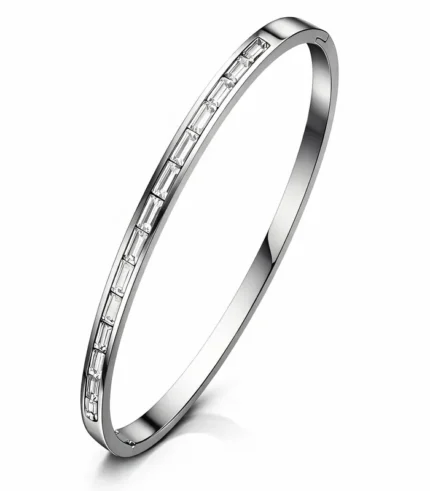
Which Metals Are Most Vulnerable to Humidity Jewelry Damage
Sterling silver is among the most humidity-sensitive jewelry metals. Its copper content (7.5% in standard 925 silver) reacts readily with moisture and airborne sulfur. In humid climates, sterling silver can tarnish within weeks of being left out. Brass and copper jewelry are similarly reactive. They develop green or blue-green patina through oxidation. This is a well-documented process studied by the Gemological Institute of America and conservation researchers worldwide.
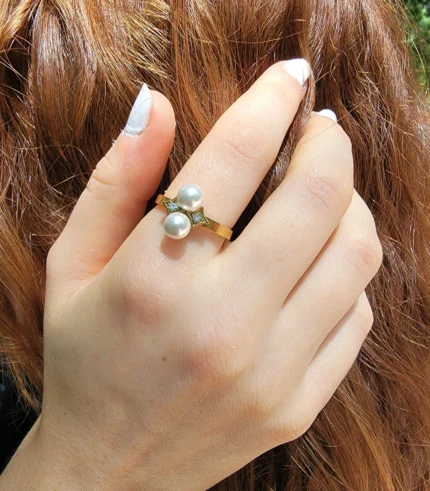
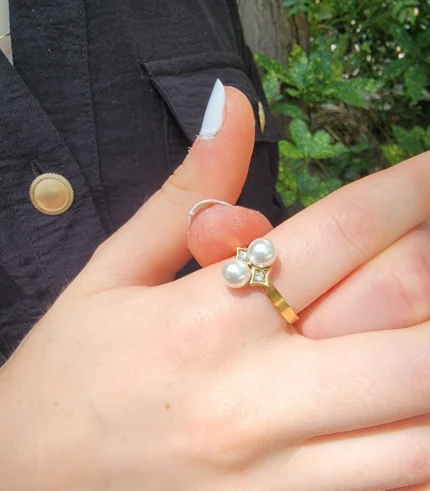
Stainless steel stands apart from these reactive metals. Its chromium content forms a passive oxide layer that actively resists humidity jewelry damage. This protective barrier regenerates itself when scratched. Typically, jewelry-grade 316L stainless steel performs well even in high-humidity environments. When you add 18K gold plating over stainless steel, you get a double layer of protection. The gold surface resists tarnishing. The stainless steel beneath resists corrosion. Modern electroplating technology creates a bond far more durable than older methods produced.
Pure 24K gold does not tarnish at all. However, lower-karat solid gold contains alloy metals like copper and nickel. These alloy components can react to humidity over time. In most cases, 18K gold plating gives you that rich gold appearance with stainless steel durability underneath. It is the smart approach for anyone living in a humid climate.
Practical Ways to Prevent Humidity Jewelry Damage
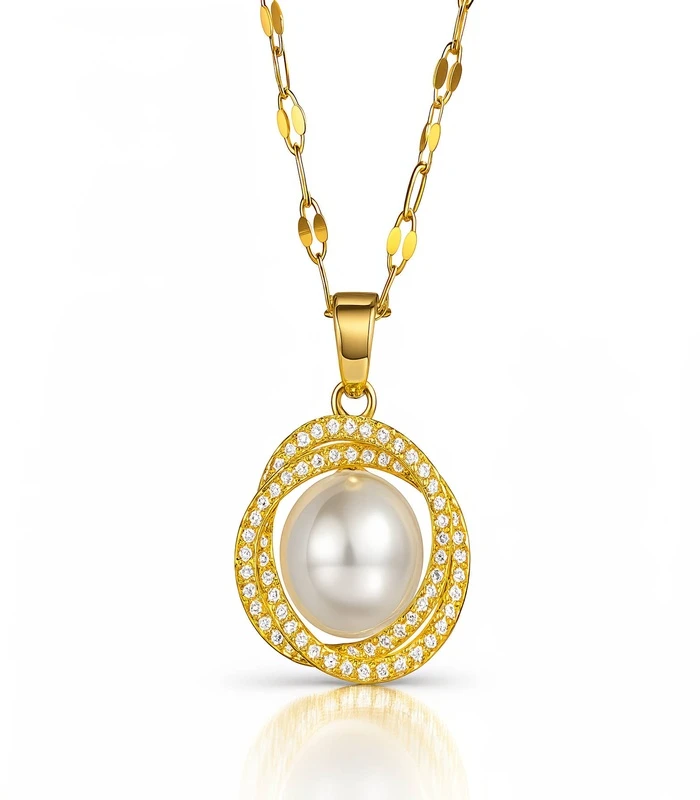
Storage is your first line of defense. Keep jewelry in airtight containers or sealed bags when not wearing it. Silica gel packets absorb excess moisture inside jewelry boxes. Anti-tarnish strips work similarly by neutralizing sulfur compounds. These simple tools cost very little and extend the life of every piece in your collection. Aim to keep your storage area between 35% and 45% relative humidity for optimal results.
Humidity jewelry damage is also preventable through quick daily habits. Wipe your jewelry with a soft cloth after wearing it. This removes sweat and moisture before they can react with the metal. Take pieces off before showering, swimming, or exercising. For gold-plated stainless steel jewelry, these 10-second habits keep pieces looking brilliant for years. It is genuinely that simple.
Consider where you store your jewelry at home. Bathrooms are the worst spot. Steam from showers creates a consistently humid environment. A bedroom dresser or closet shelf is typically much better. If you live in a high-humidity area, a small dehumidifier in your closet makes a meaningful difference. These steps protect against humidity jewelry damage without requiring any special expertise.
Why 18K Gold Plated Stainless Steel Handles Humidity Well
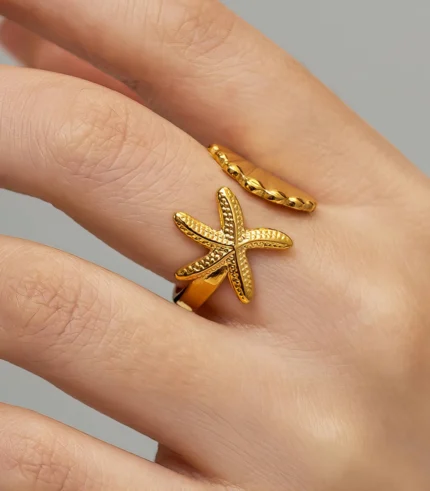
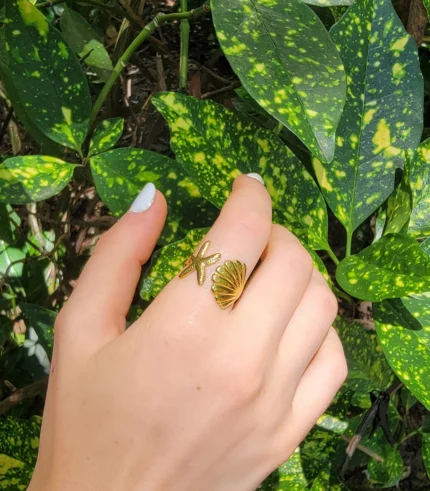
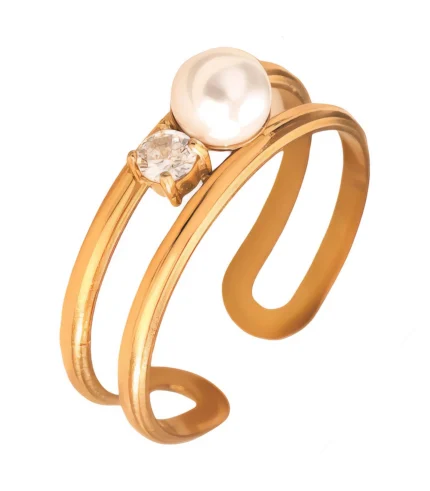
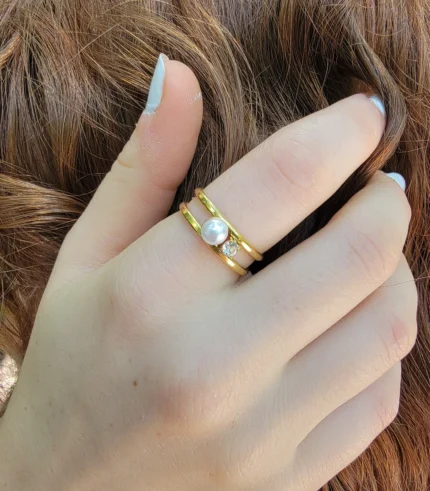
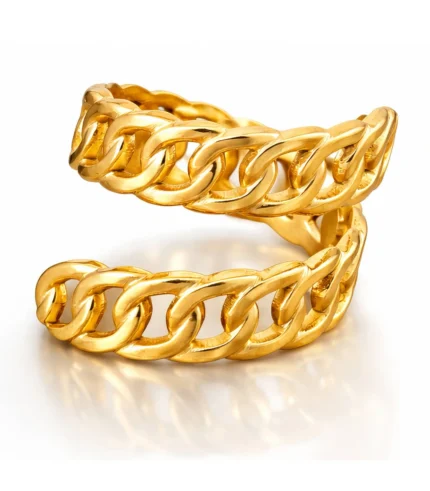
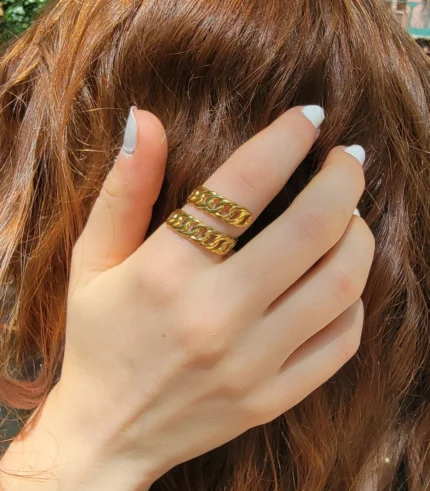
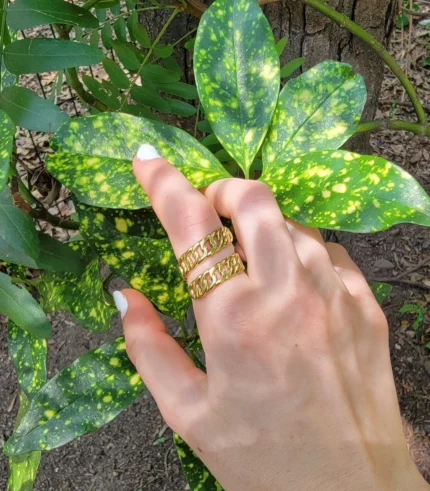
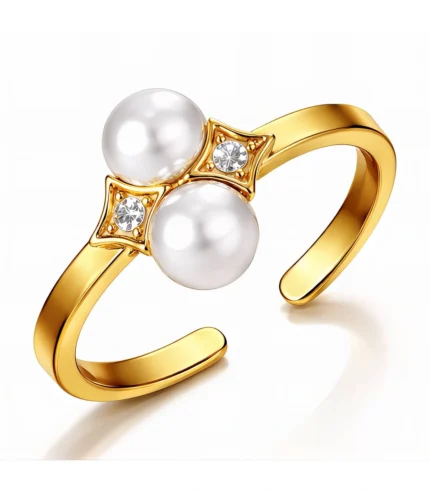
Modern 18K gold plated stainless steel jewelry is engineered for real life. The stainless steel base is naturally corrosion-resistant and hypoallergenic. The gold plating adds a luxurious finish that resists tarnishing. Together, they handle humidity far better than sterling silver, brass, or copper alternatives. You get the look of solid gold without the vulnerability of reactive alloy metals.
Join the KartiKart community
10% off, on top of any current sale, your first order + early access to new collections
Free · No spam · Unsubscribe anytime
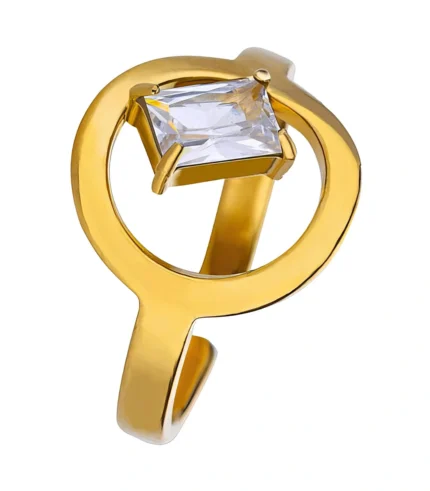
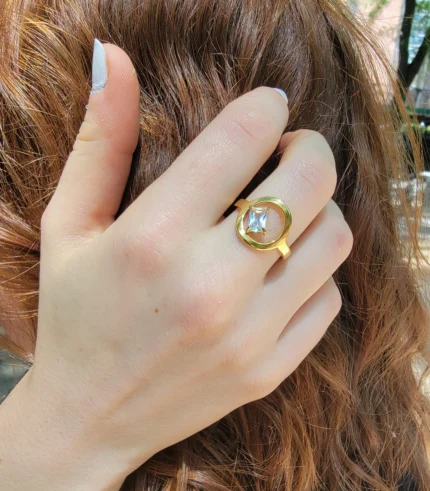
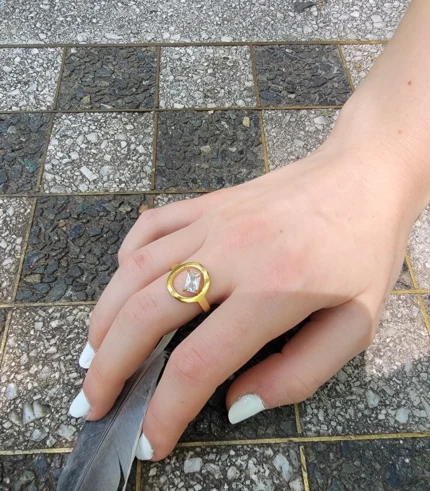
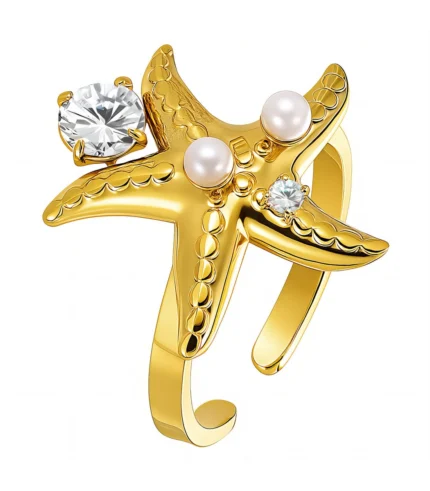
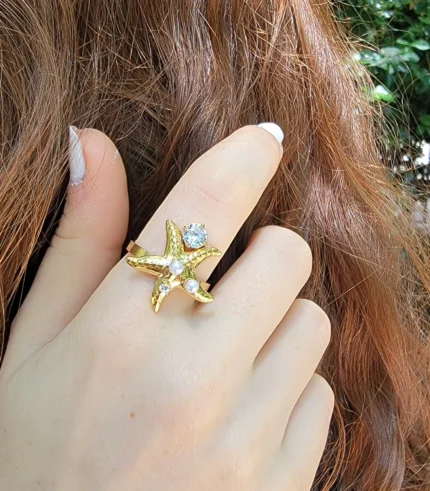
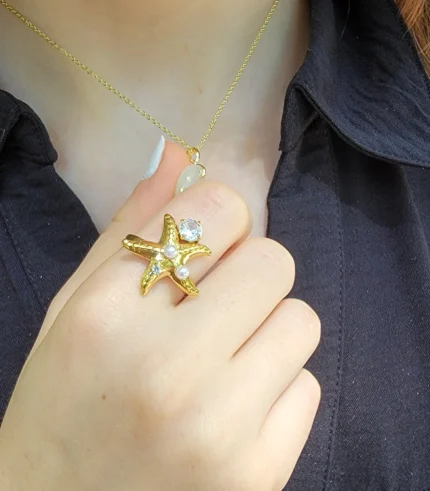
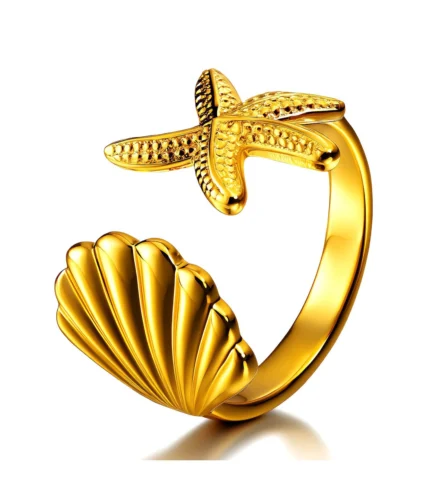
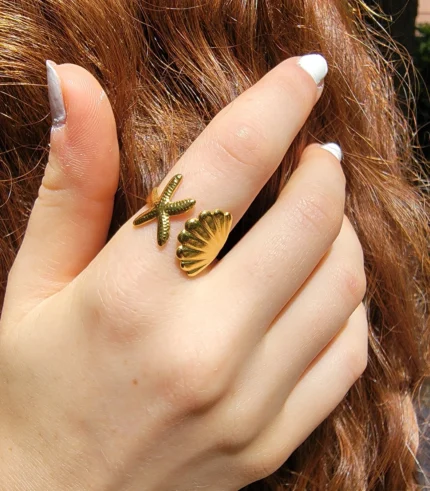
This combination also means you can own multiple beautiful pieces for the price of a single solid gold item. Variety and versatility matter in a jewelry collection. With five stunning gold-plated stainless steel pieces, you have options for every outfit and occasion. Each one is lightweight, scratch-resistant, and designed for everyday wear. A few easy care habits protect them from humidity jewelry damage and keep them looking gorgeous season after season.
Frequently Asked Questions
Does humidity cause gold jewelry to tarnish?
Pure gold does not tarnish from humidity. However, lower-karat gold contains alloy metals like copper that can react to moisture over time. 18K gold plating over stainless steel resists humidity jewelry damage effectively because stainless steel does not corrode easily.
What humidity level is safe for storing jewelry?
Keep your storage environment between 35% and 45% relative humidity. Humidity jewelry damage accelerates noticeably above 60%. Use silica gel packets or anti-tarnish strips in your jewelry box for added protection.
How do I fix jewelry that has already been damaged by humidity?
For tarnished silver, a gentle polishing cloth usually restores the shine. For gold-plated pieces, wipe with a soft damp cloth and dry immediately. Preventing humidity jewelry damage through proper storage is always easier than reversing it after the fact.
Shop Jewelry at KartiKart
Explore our collection of handcrafted 18K Gold Plated Stainless Steel jewelry. Every piece is designed for everyday elegance at an accessible price point.
Bracelets · Necklaces · Earrings
Sources & Further Reading
For verified gemstone and jewelry information:
Content last reviewed April 2026. If you notice any outdated information, please contact us.
From the KartiKart shop
Wear what you just read about
Dainty, everyday pieces, handpicked by a husband-and-wife team. Free U.S. shipping, gift-ready packaging, 30-day easy returns, and 5% of every order goes to organizations fighting human trafficking.
Shop tarnish-free gold-plated jewelry →