Hard Water and Jewelry: Mineral Buildup Dulls Pieces
Hard water jewelry problems are one of the most overlooked reasons beautiful pieces start to look dull at home. Hard water contains dissolved minerals like calcium, magnesium, and sometimes iron or limestone residue. These minerals leave a cloudy film on metal surfaces after every rinse, shower, or handwash. Over time, that film builds into a chalky layer that masks the shine beneath. According to the U.S. Geological Survey classification cited on Wikipedia, roughly 85% of American homes have hard water. For jewelry lovers, that statistic explains a lot — and the good news is that prevention takes seconds.
Why hard water jewelry issues happen in the first place
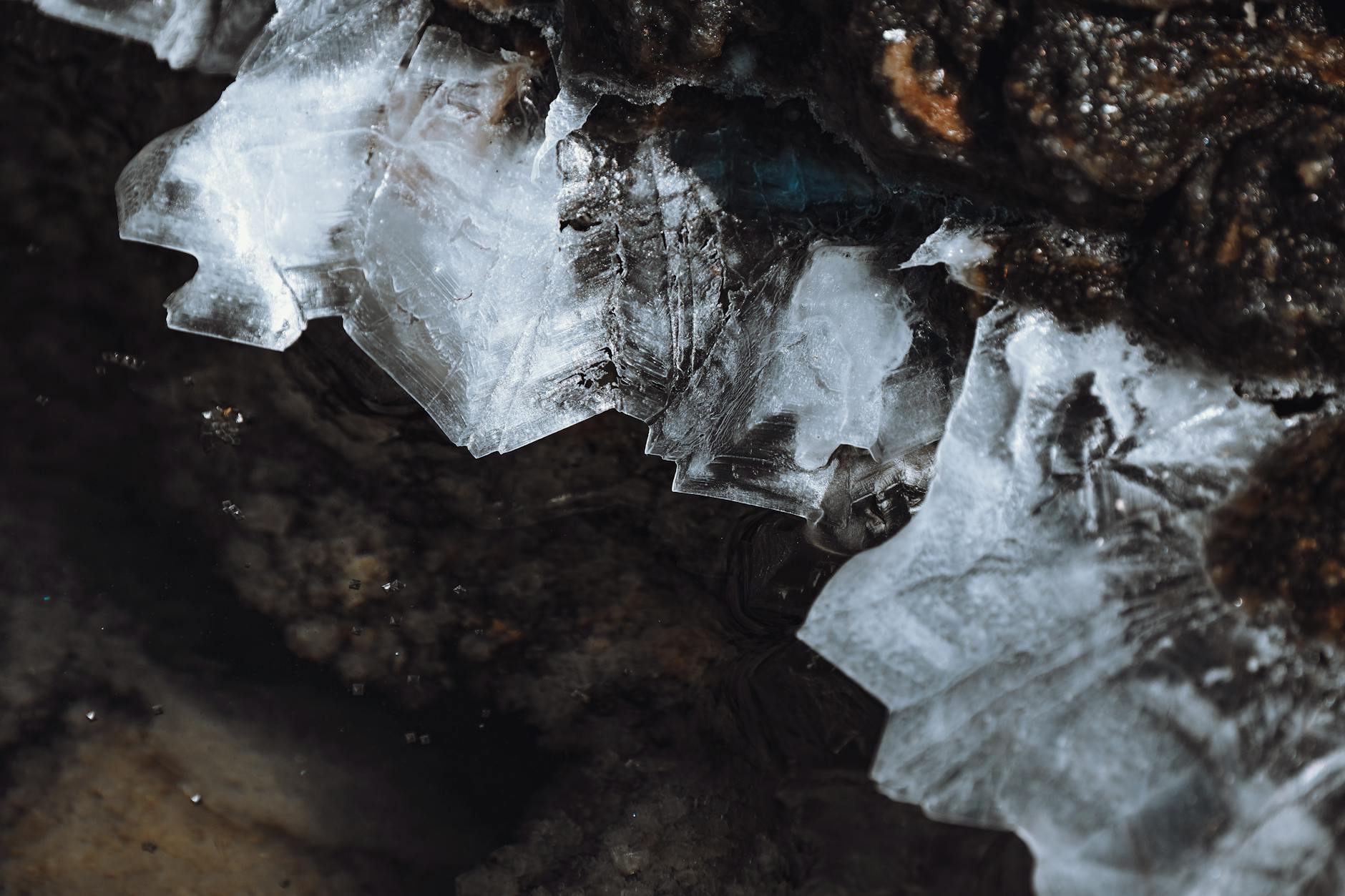
Water is called “hard” when it carries more than 60 milligrams of dissolved minerals per liter. When hard water jewelry meets air, the water evaporates but the minerals stay behind. They bond to the surface as microscopic white or grey deposits. On shiny metal, even a thin layer scatters light instead of reflecting it. The piece looks foggy, not sparkling.
The effect is worse on textured or detailed designs. For example, mesh bracelets, filigree pendants, and hammered rings have tiny crevices where minerals collect. Soap scum binds with calcium to form a sticky residue that traps dust. In most cases, a piece that feels “rough” after a few showers is coated, not damaged.
Gemstones suffer too. The Gemological Institute of America notes that porous stones like pearls, opals, and turquoise absorb minerals and lose luster faster than harder stones like diamond or sapphire. Hard water jewelry habits protect both the metal and the stones set into it.
Shop tarnish-free gold-plated jewelry
View all →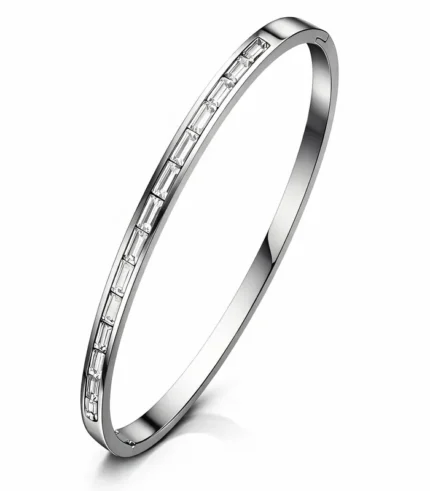
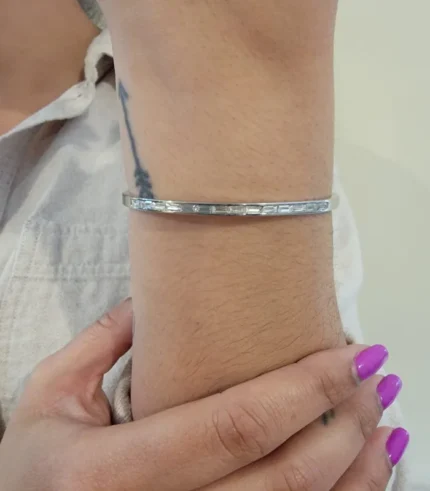
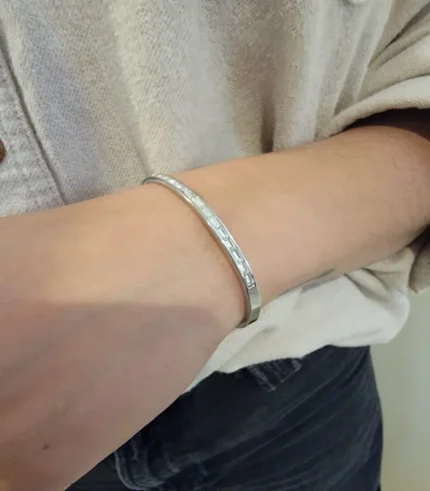
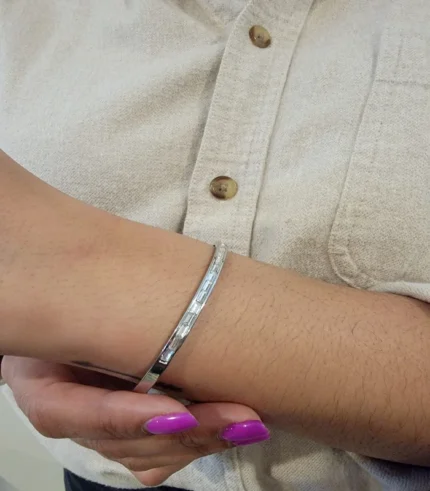
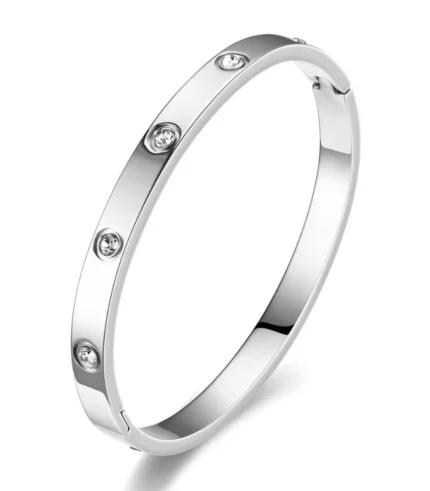
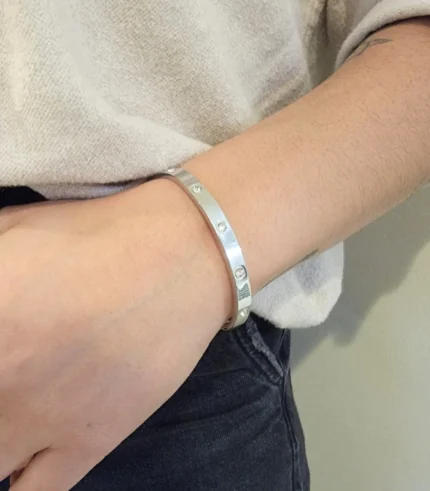
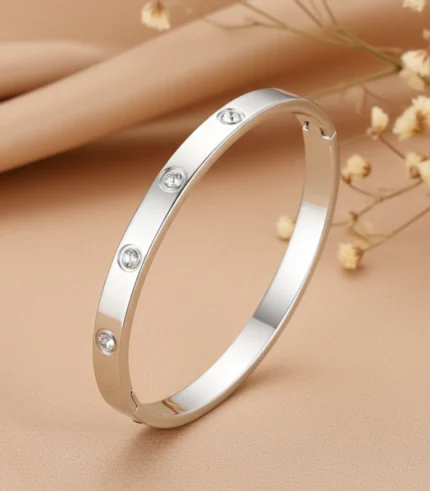
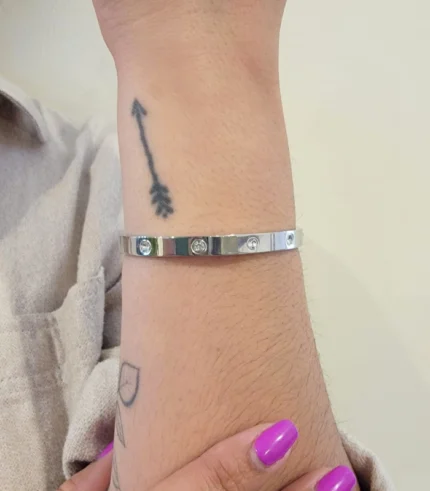
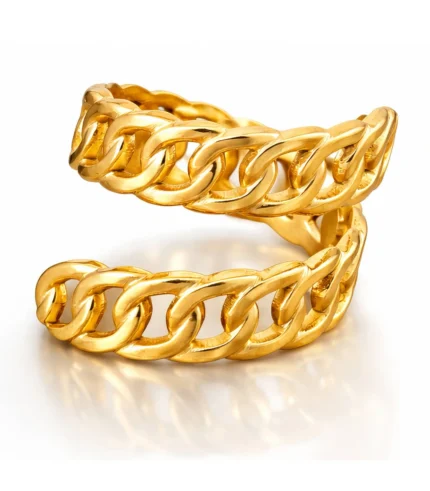
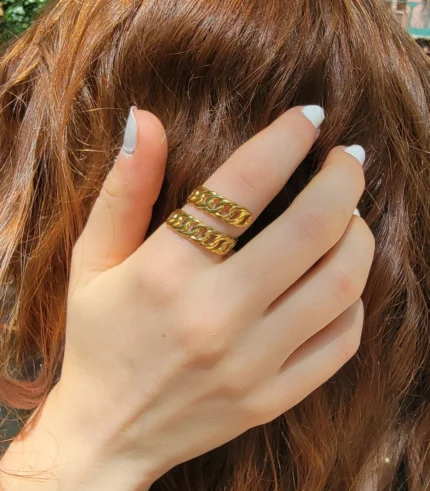
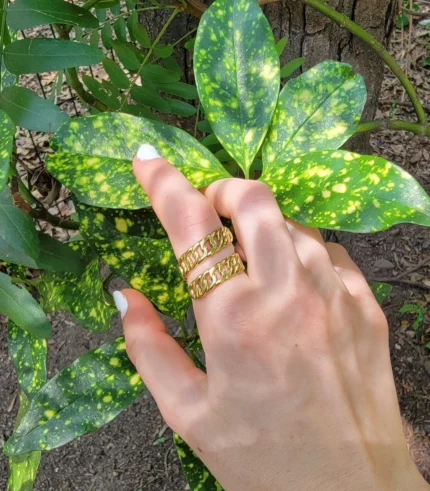
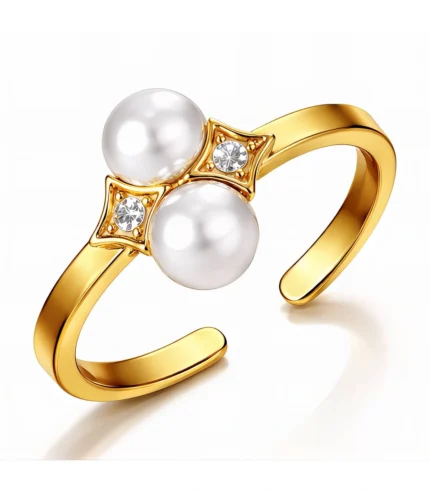
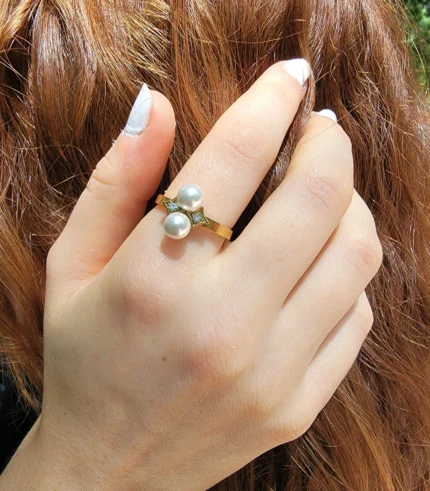
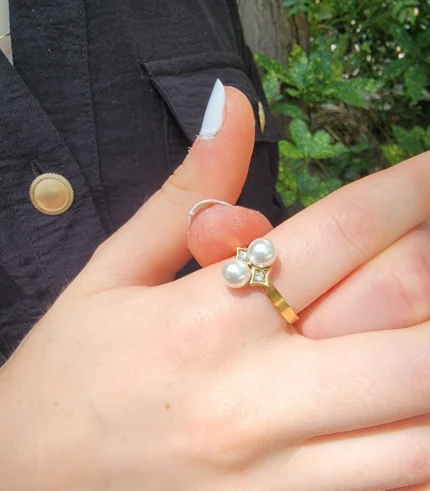
How mineral buildup affects different hard water jewelry finishes
Not every finish reacts the same way. Solid gold resists chemical corrosion, but minerals still cling to the surface and dull reflectivity. Silver develops a grey cast because calcium accelerates tarnishing alongside sulfur exposure. Stainless steel is tougher — however, the polished top layer can still pick up a chalky haze.
Modern 18K gold plated stainless steel is engineered for real life. Advanced ion plating fuses a dense gold layer to a stainless core, creating a finish that is scratch-resistant and hypoallergenic. Typically, it handles everyday contact far better than older electroplated styles from decades ago. For hard water jewelry wearers, this durability is a huge advantage — a quick wipe restores the gleam.
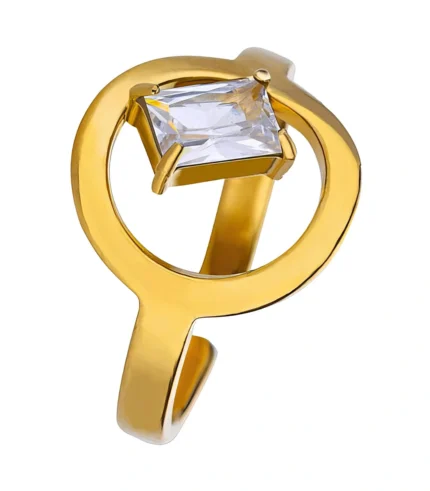
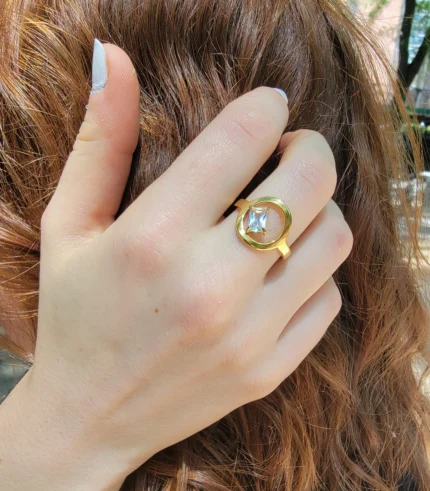
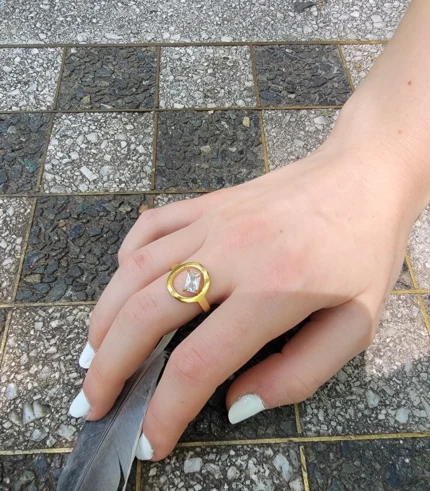
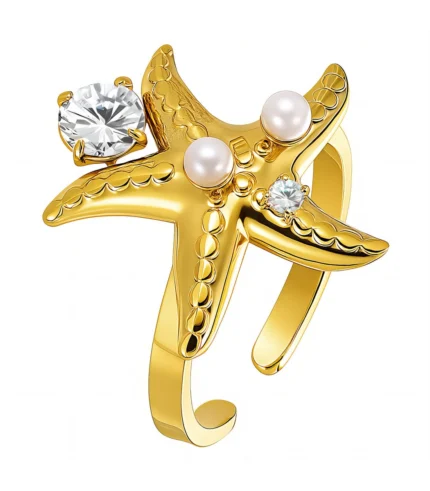
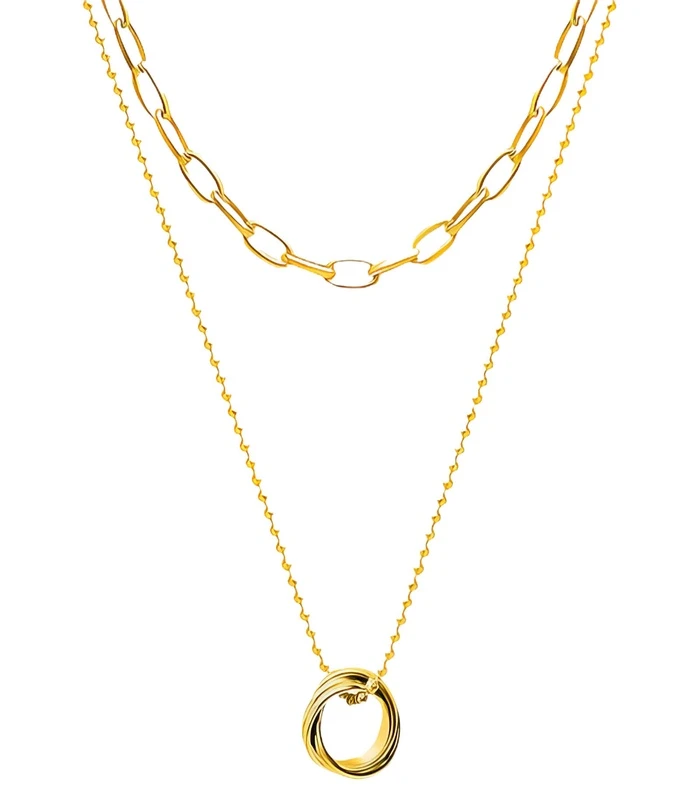
Compare priorities, not quality. A solid gold necklace is a single investment piece. The same budget can fill a jewelry box with five stunning 18K gold plated stainless steel pieces — a mesh bracelet, layered chains, hoops, a pendant, and a ring — letting you restyle every outfit. Variety wins on most mornings.
Practical steps to protect your hard water jewelry
The simplest rule is also the best. Remove jewelry before showers, dishes, and swimming. It takes ten seconds and saves hours of cleaning later. Keep a small ceramic dish by the sink and another on the nightstand. Make the habit automatic.
When a piece does get splashed, dry it immediately with a soft microfiber or lint-free cotton cloth. Do not let water air-dry on the surface — that is exactly when minerals deposit. For gentle cleaning, dip a soft toothbrush in lukewarm distilled water with a drop of mild, dye-free soap. Distilled water has no minerals, so it rinses clean.
For stubborn film on hard water jewelry, try a 50/50 mix of distilled water and white vinegar for 30 seconds, then rinse with distilled water and pat dry. Skip this on pearls, opals, or glued settings. The Smithsonian’s gem and mineral collection reminds us that natural stones each have unique care needs — always check before soaking.
Storage and styling choices for hard water jewelry households
Storage matters as much as cleaning. Keep pieces in a dry, padded box with separate compartments. Add a small silica gel packet to absorb humidity — bathroom air is the silent enemy. Never store damp jewelry; moisture trapped against metal speeds up every buildup problem.
Styling-wise, rotate your hard water jewelry often. Rotation lets each piece rest and dry fully between wears. It also means no single piece takes all the daily wear and tear. This is where owning a curated collection of 18K gold plated stainless steel shines — you can wear a different look every day without overworking any one item.
Join the KartiKart community
10% off, on top of any current sale, your first order + early access to new collections
Free · No spam · Unsubscribe anytime
Frequently Asked Questions about hard water jewelry
Does hard water permanently damage gold plated jewelry?
No, not with modern 18K gold plating on stainless steel. The mineral film sits on top and wipes away with a soft cloth. Simple habits keep pieces looking brand new for years.
How often should I clean jewelry exposed to hard water?
A quick dry-wipe after every accidental splash is ideal. A deeper clean with distilled water once a month handles any buildup. Textured pieces may need slightly more attention.
Is a water softener worth it for jewelry care?
A softener helps, but you still want to remove jewelry before water contact. Softened water reduces minerals, however soaps and shampoos still leave residue. The habit of taking pieces off remains the best protection.
Shop Jewelry at KartiKart
Explore our collection of handcrafted 18K Gold Plated Stainless Steel jewelry. Every piece is designed for everyday elegance at an accessible price point.
New Arrivals · Bracelets · Necklaces
Sources & Further Reading
For verified gemstone and jewelry information:
Content last reviewed April 2026. If you notice any outdated information, please contact us.
From the KartiKart shop
Wear what you just read about
Dainty, everyday pieces, handpicked by a husband-and-wife team. Free U.S. shipping, gift-ready packaging, 30-day easy returns, and 5% of every order goes to organizations fighting human trafficking.
Shop tarnish-free gold-plated jewelry →