How Jade Is Mined and Why Ethical Sourcing Matters
Jade mining ethical concerns have become impossible to ignore in today’s jewelry market. This ancient gemstone carries thousands of years of cultural significance. However, the journey from mine to marketplace often involves troubling realities. Myanmar produces approximately 70 percent of the world’s jadeite. The industry there generates billions in annual revenue. Most miners earn roughly one dollar per day. Environmental destruction in regions like Hpakant has erased entire tributaries from the landscape. For jewelry lovers, understanding where jade comes from matters more than ever. Ethical sourcing protects communities, preserves ecosystems, and ensures your purchase reflects your values.
How Jade Is Mined Around the World
Jade exists in two mineral forms. Jadeite belongs to the pyroxene group and rates 6.5 to 7 on the Mohs hardness scale. Nephrite belongs to the amphibole group and is extraordinarily tough due to its fibrous, interlocked crystal structure. The Gemological Institute of America classifies both as true jade. However, jadeite commands higher prices due to its rarity and vivid color range.
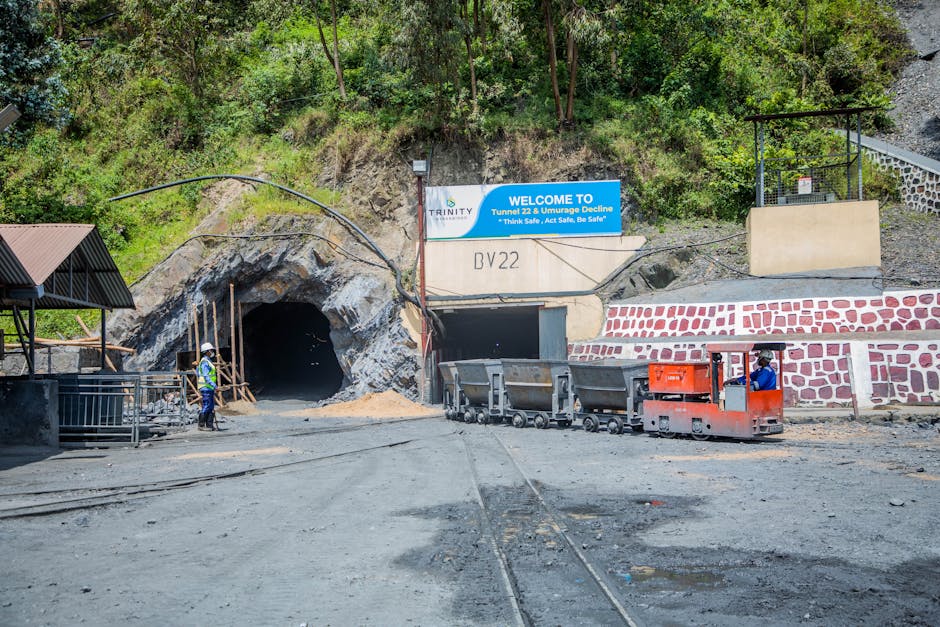
Three primary extraction methods dominate jade mining ethical discussions today. Open-pit mining uses heavy equipment to remove soil and rock layers. Alluvial mining targets river deposits where jade boulders accumulate naturally. Underground tunneling reaches deeper veins. In most cases, the method depends on geology and local regulations. British Columbia, Canada, produces 75 percent of the world’s nephrite jade. Mining there follows strict environmental standards and operates during a 60-day summer season.
Guatemala’s Motagua River valley yields vibrant jadeite with documented origins. Russia’s Polar Ural deposits produce high-quality stones comparable to Myanmar’s finest. New Zealand’s nephrite, called pounamu, is found only in South Island river boulders. These alternative sources demonstrate that jade mining ethical practices are achievable when governments enforce proper oversight.
Shop white & blue jade jewelry
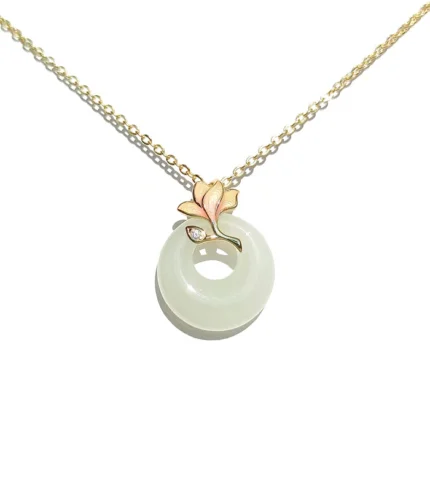
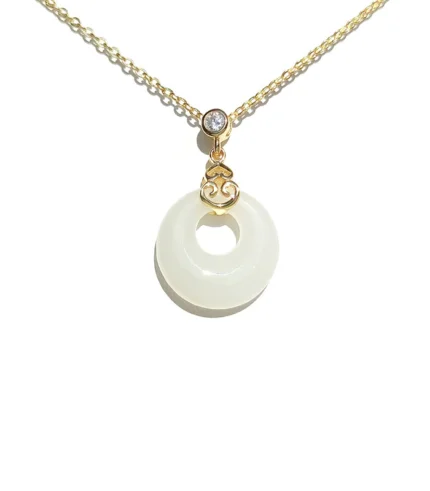
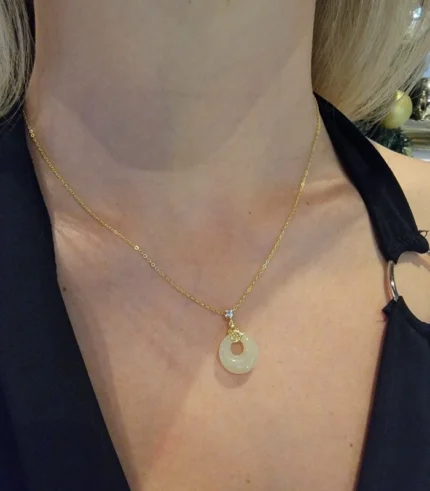
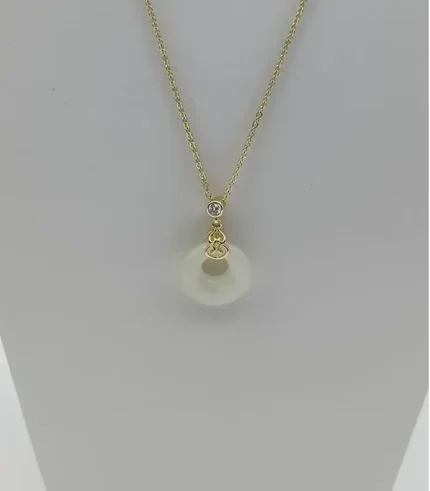
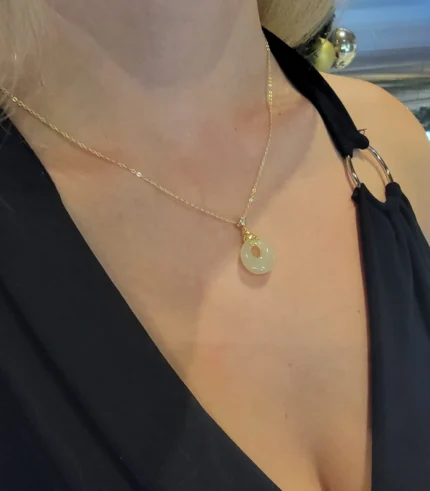
View all →Genuine White Jade Bi Disc Necklace in 14K Gold Plated Silver
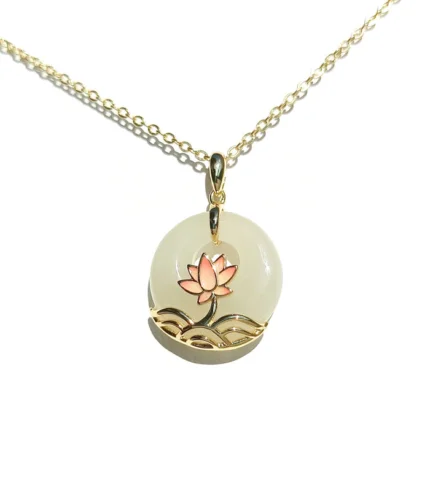
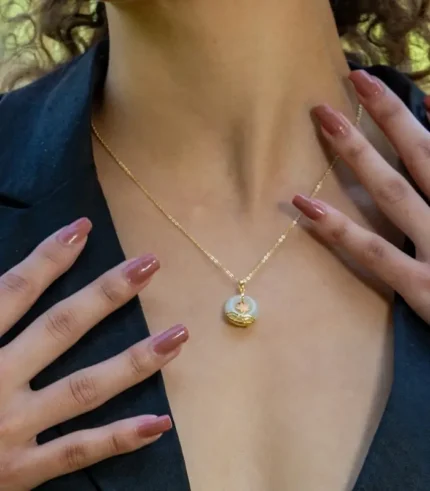
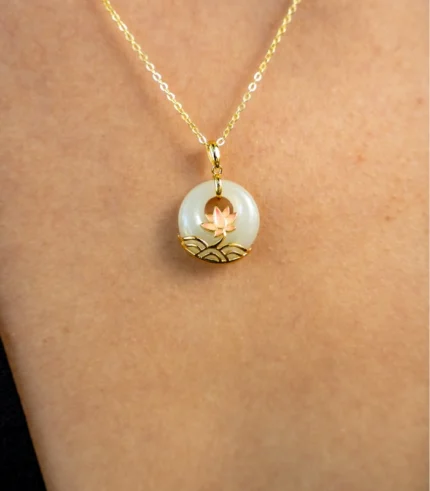
Original price was: $85.00.$76.50Current price is: $76.50.Genuine White Jade Lotus Necklace
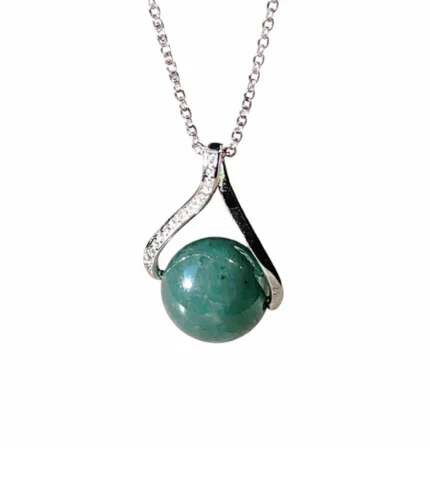
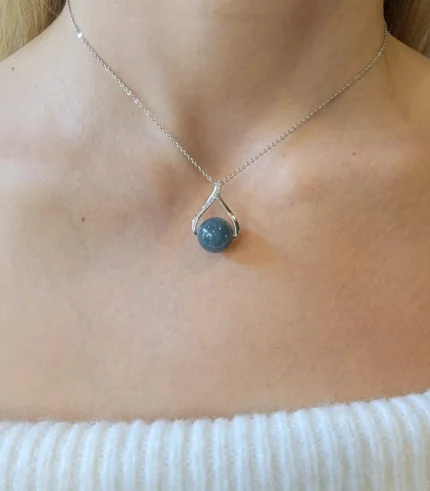
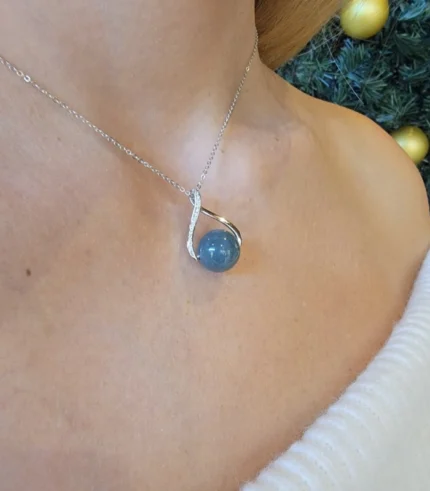
Original price was: $85.00.$76.50Current price is: $76.50.Genuine Blue Jade Round Necklace in Sterling Silver
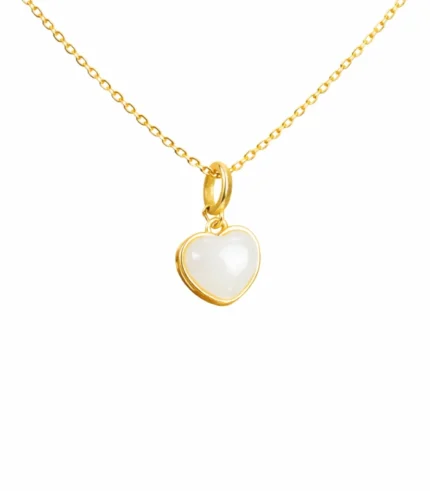
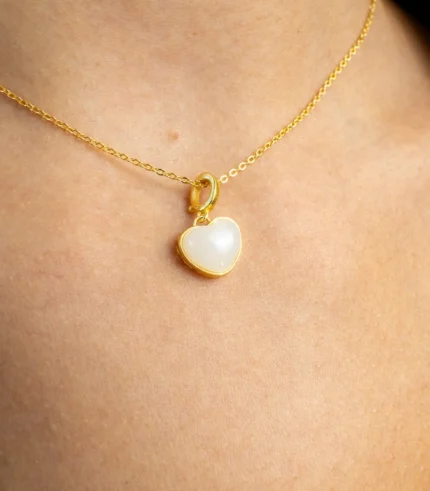
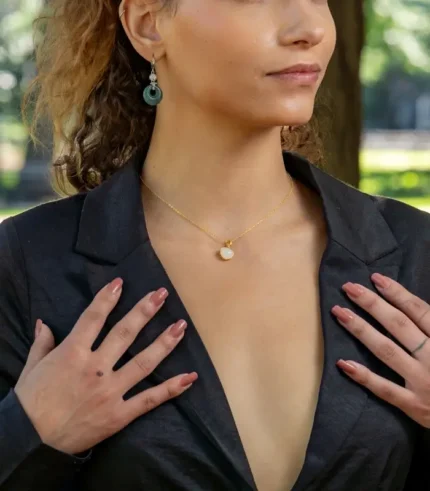
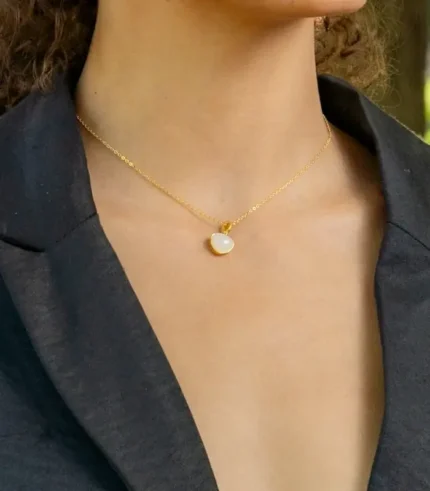
Original price was: $85.00.$76.50Current price is: $76.50.Genuine White Jade Heart Pendant Necklace in 14K Gold Plated Sterling Silver
Original price was: $85.00.$76.50Current price is: $76.50.

Why Jade Mining Ethical Standards Are Urgently Needed
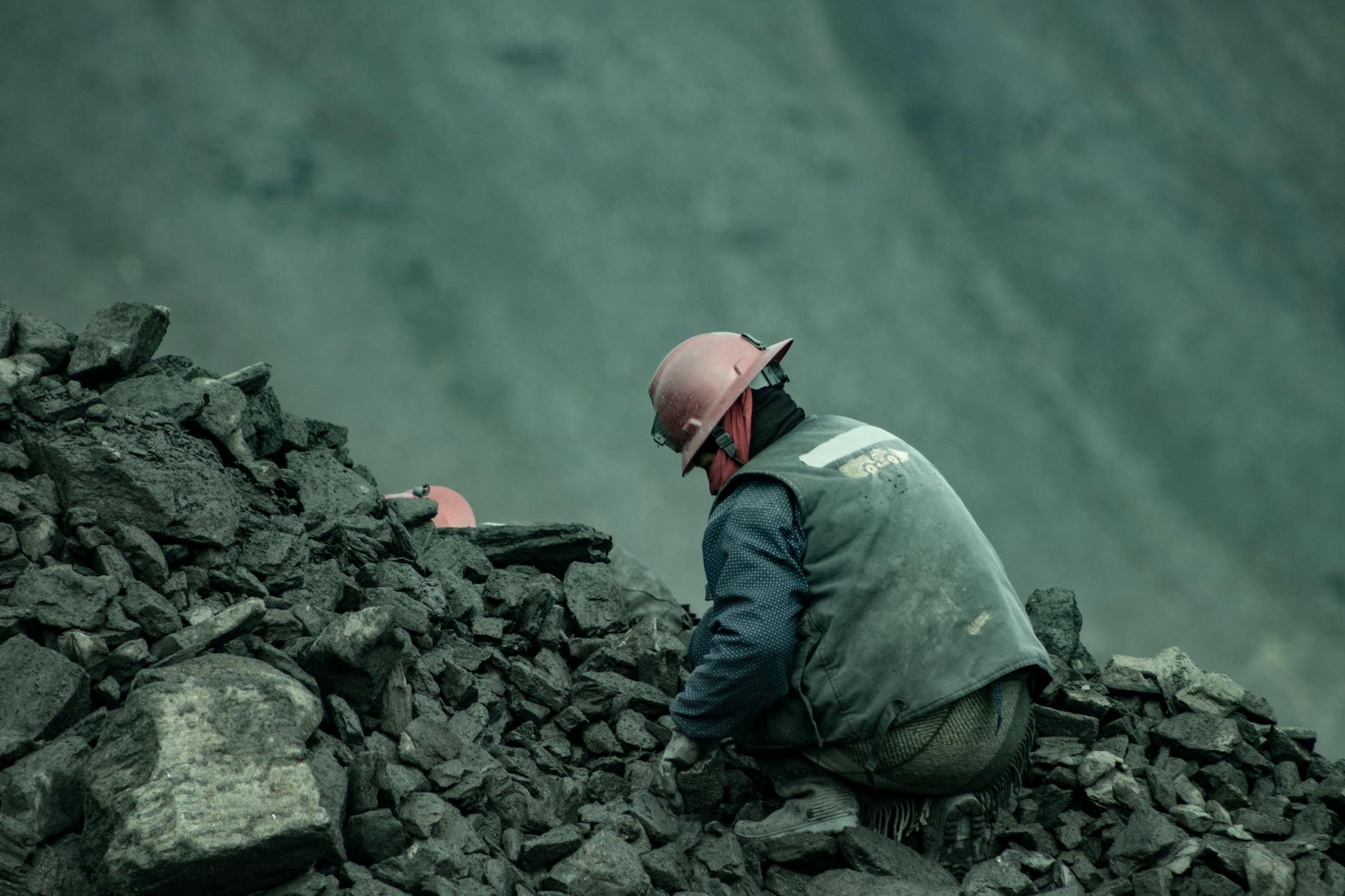
Myanmar’s jade industry illustrates what happens without accountability. In July 2020, a landslide at a Hpakant mining site killed 160 workers. It was the deadliest incident on record. Similar disasters occur almost yearly. Workers receive no safety equipment or training. The military controls major mining licenses through its economic holdings companies. Armed conflict in Kachin State continues partly because jade revenues fund weapons purchases.
Environmental damage compounds the human cost. The Uru Creek floor has risen over 20 feet since the 1990s from dumped mining waste. More than a dozen tributaries have completely disappeared. Flooding now threatens villages during monsoon season. For example, chemical treatments used in jade processing contaminate water supplies for decades. The land around Hpakant is so barren that environmental recovery may take generations.
The United States bans imports of jade and rubies mined in Myanmar. These sanctions target entities responsible for human rights abuses. However, jade laundering through third-party countries obscures true origins. This makes jade mining ethical verification challenging for consumers. Typically, nearly all Myanmar jade flows to China through illicit channels before entering global markets.
How to Verify Jade Mining Ethical Practices When You Buy
Up to 80 percent of jade jewelry sold globally is treated, dyed, or synthetic. This statistic from gemological research highlights the transparency crisis in this market. Asking the right questions protects you from unknowingly supporting harmful practices. Request independent certification from recognized laboratories like GIA, GIT, or NGTC. These certificates specify jade type, treatment status, and origin details.
Ask sellers directly about their supply chain. Reputable jewelers provide documentation of provenance. They can explain where their stones originate and under what conditions. Look for businesses with transparent sourcing policies and willingness to answer detailed questions. Canadian nephrite and Guatemalan jadeite offer verifiable, conflict-free alternatives. Vintage pieces with documented history also sidestep current jade mining ethical concerns entirely.
Consider what certifications a seller holds. Fair Trade standards ensure minimum prices, safe working conditions, and community benefit programs. B Corp certification indicates broader corporate accountability. While jade-specific ethical certifications remain limited, these broader frameworks signal a company’s commitment to responsible practices.
Building an Ethical Jewelry Collection You Love
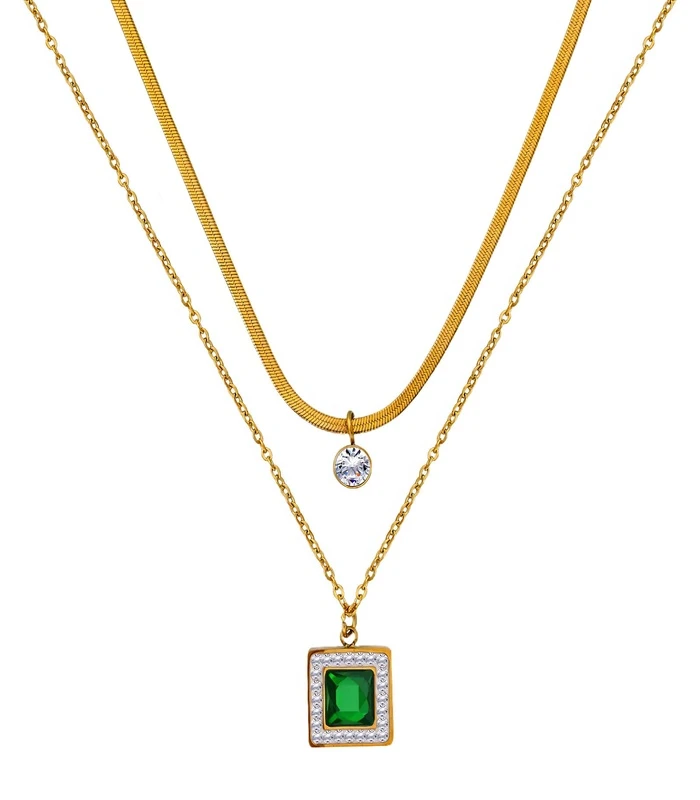
Jade mining ethical awareness extends to how you build your overall collection. Mixing gemstone pieces with modern materials gives you versatility without compromise. For example, 18K gold plated stainless steel jewelry offers an accessible way to complement jade accessories. Modern plating technology creates pieces that are scratch-resistant, hypoallergenic, and designed for everyday wear. You can own multiple beautiful pieces and rotate styles freely.
Caring for any jewelry collection takes simple habits. Store pieces separately to prevent scratching. Remove jewelry before swimming or showering. These ten-second routines keep everything looking fresh. The Smithsonian’s mineral collection demonstrates how properly maintained stones retain their beauty for centuries. Whether you choose jade, gold plated stainless steel, or both, informed purchasing and basic care preserve your investment.
Join the KartiKart community
10% off, on top of any current sale, your first order + early access to new collections
Free · No spam · Unsubscribe anytime
Frequently Asked Questions
What does jade mining ethical sourcing actually mean?
Jade mining ethical sourcing means the stone was extracted under fair labor conditions without funding armed conflict. It includes environmental protections, fair wages for workers, and transparent documentation from mine to retailer. Look for sellers who can trace their jade to specific, regulated sources.
Is all Myanmar jade considered conflict jade?
The U.S. government bans Myanmar jade imports due to military involvement in the industry. However, not every Myanmar stone directly funds conflict. The problem is verification. Without transparent supply chains, confirming jade mining ethical standards for Myanmar stones is nearly impossible for consumers.
Where can I find ethically sourced jade jewelry?
Canadian nephrite and Guatemalan jadeite are the most reliably ethical sources available today. Look for sellers providing GIA or equivalent certification with clear origin documentation. Jade mining ethical practices are strongest in countries with enforced environmental regulations and labor protections.
Shop Jewelry at KartiKart
Explore our collection of handcrafted 18K Gold Plated Stainless Steel jewelry. Every piece is designed for everyday elegance at an accessible price point.
Best Sellers · Bracelets · Earrings
Sources & Further Reading
For verified gemstone and jewelry information:
Content last reviewed May 2026. If you notice any outdated information, please contact us.
From the KartiKart shop
Wear what you just read about
Dainty, everyday pieces, handpicked by a husband-and-wife team. Free U.S. shipping, gift-ready packaging, 30-day easy returns, and 5% of every order goes to organizations fighting human trafficking.
Shop white & blue jade jewelry →Pieces our readers love
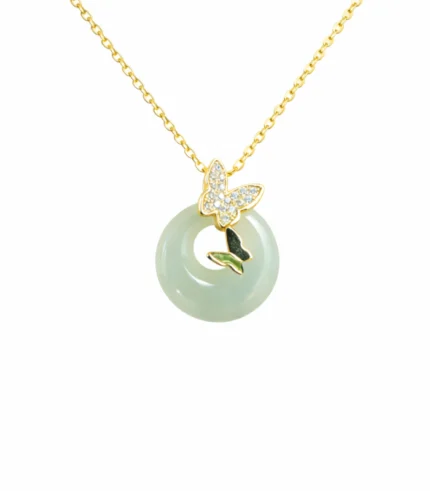
View all →Genuine White Jade Butterfly Necklace in 14K Gold Plated Silver
Original price was: $85.00.$76.50Current price is: $76.50.Genuine White Jade Flower Pendant Necklace in 14K Gold Plated Sterling Silver
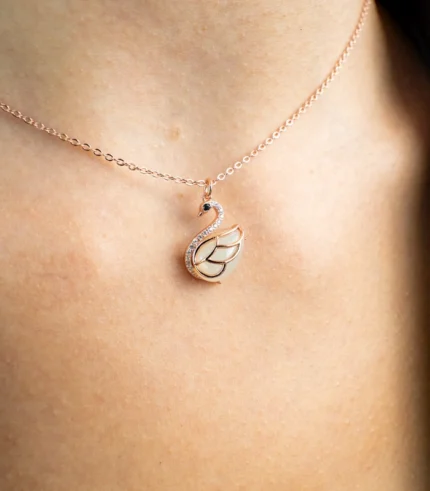
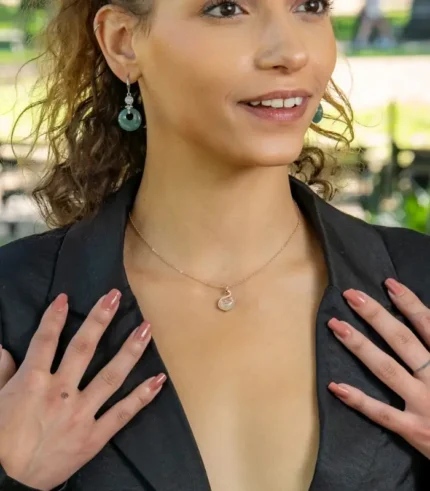
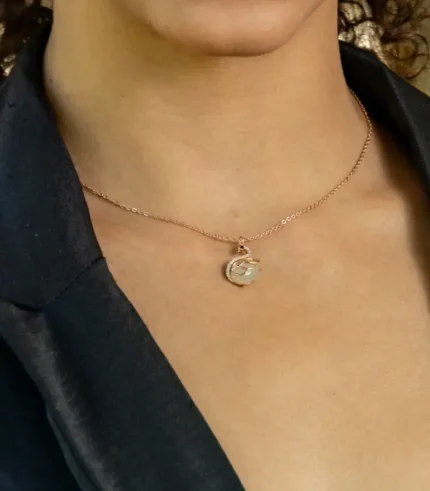
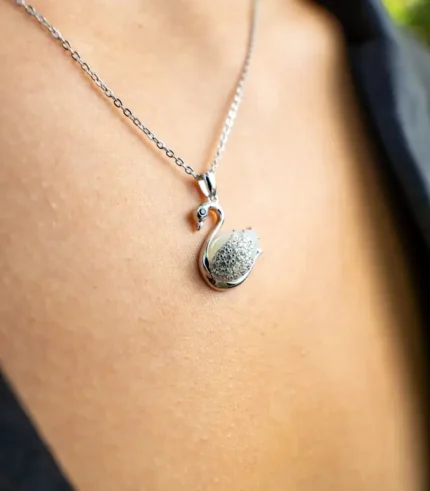
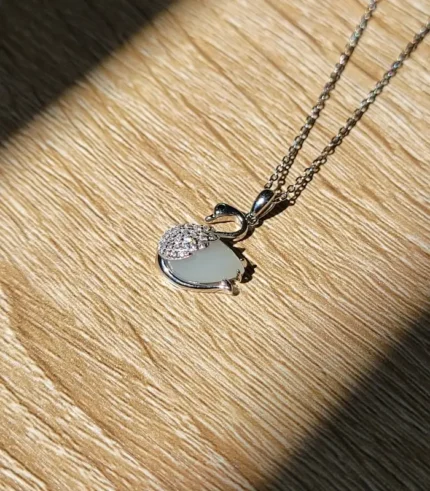
Original price was: $85.00.$76.50Current price is: $76.50.Genuine White Jade Swan Necklace in 14K Rose Gold Plated Silver
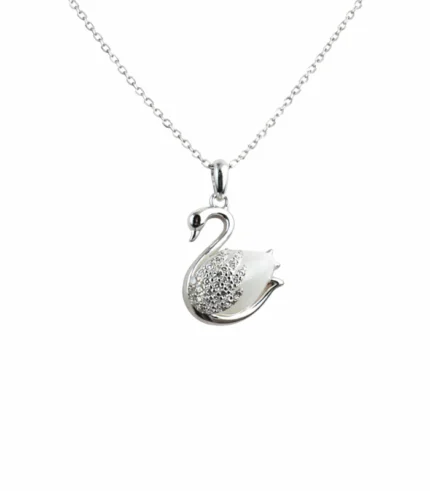
Original price was: $85.00.$76.50Current price is: $76.50.Genuine White Jade Swan Necklace in Sterling Silver
Original price was: $85.00.$76.50Current price is: $76.50.