Green Jade vs Emerald: Telling Them Apart
jade vs emerald is one of the most common questions in green gemstone jewelry. Both stones have a rich green color. Both carry centuries of history and symbolism. However, they are completely different minerals with different structures, origins, and looks.
Emerald is a transparent crystal from the beryl family. Jade is a tough, translucent stone that comes in two mineral forms. Knowing the difference helps you shop smarter, spot mislabeled stones, and choose the right piece for your style. This guide breaks down the jade vs emerald comparison in plain language. You will learn how each stone forms, how they look, and how to tell them apart.
Jade vs Emerald: Two Completely Different Stones
The core of the jade vs emerald question comes down to mineralogy. Emerald is a variety of the mineral beryl. Its chemistry is beryllium aluminum silicate. Trace amounts of chromium, and sometimes vanadium, create its famous green color. According to the Gemological Institute of America, emerald is one of the “big three” colored gemstones, alongside ruby and sapphire.
Jade, however, is not one mineral at all. It is a name shared by two different minerals: jadeite and nephrite. Jadeite is a pyroxene mineral rich in sodium and aluminum. Nephrite is an amphibole mineral rich in calcium and magnesium. The finest jadeite, called Imperial jade, also gets its green color from chromium. For example, top Imperial jade and top emerald share the same coloring element. Yet the stones look nothing alike up close.
Hardness and toughness also separate them. Emerald rates 7.5 to 8 on the Mohs scale. Jadeite rates 6.5 to 7, and nephrite rates 6 to 6.5. Emerald is harder, but jade is far tougher. Jade’s interlocking crystal structure resists chipping and breaking. Emerald typically contains internal fractures that make it more fragile.
Shop white & blue jade jewelry
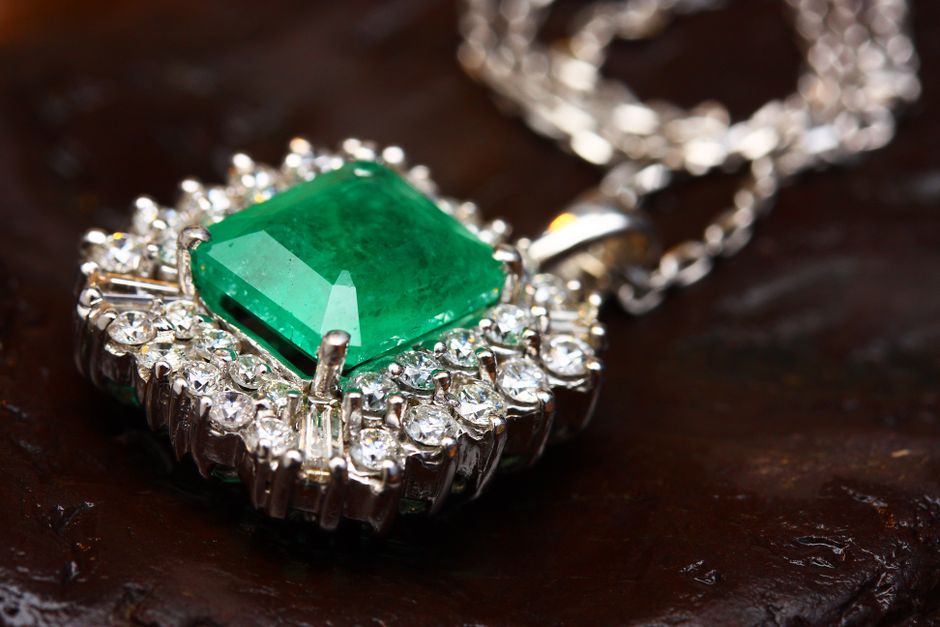
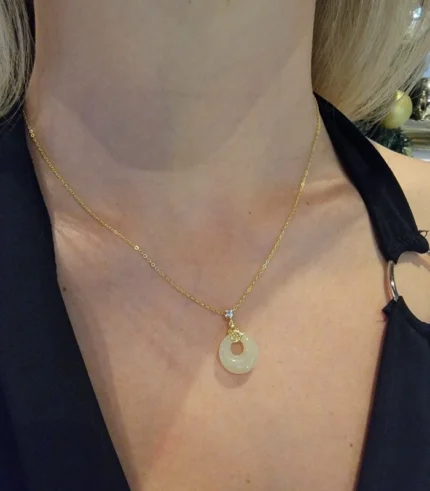
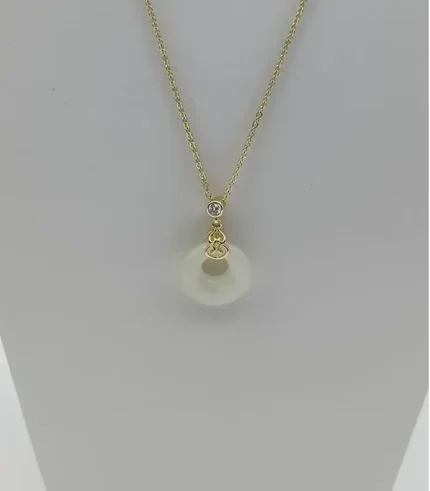
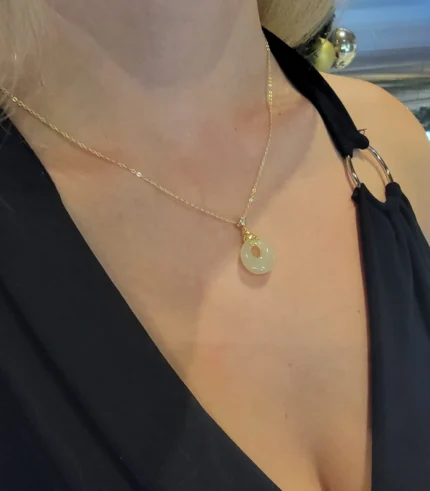
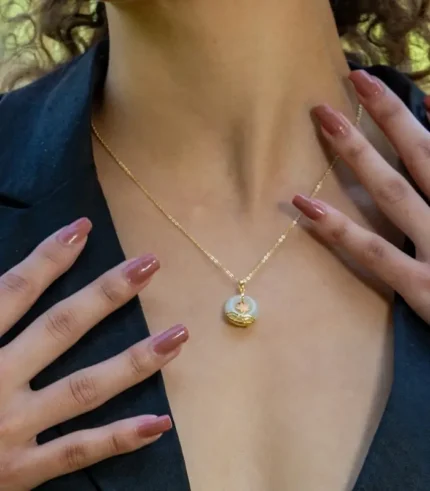
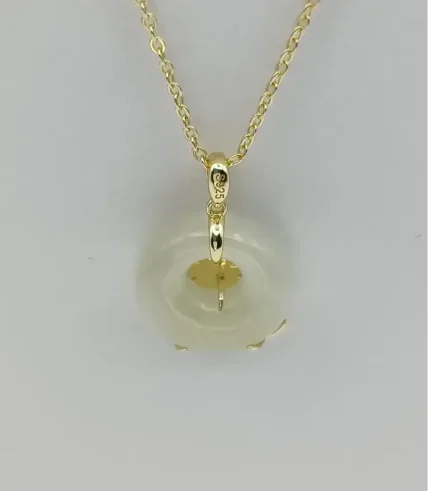
View all →Genuine White Jade Bi Disc Necklace in 14K Gold Plated Silver
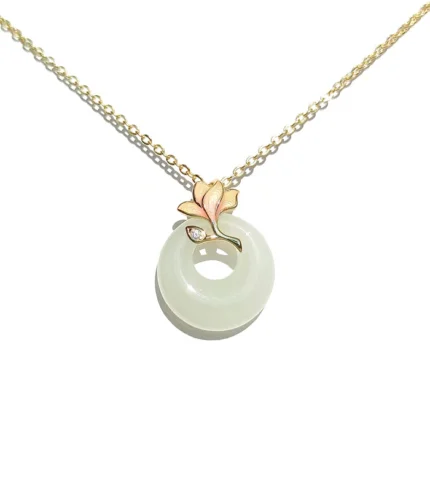
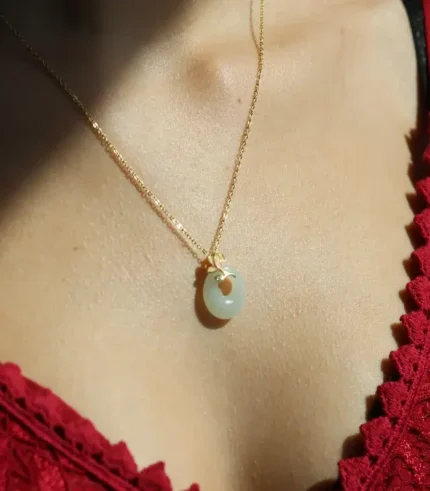
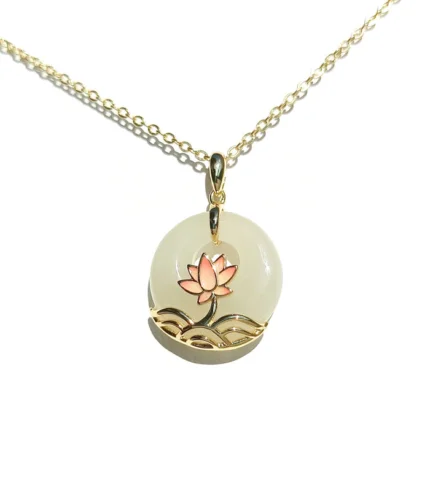
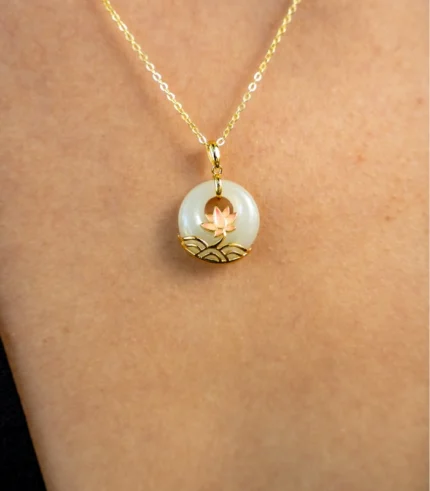
Original price was: $85.00.$76.50Current price is: $76.50.Genuine White Jade Lotus Necklace
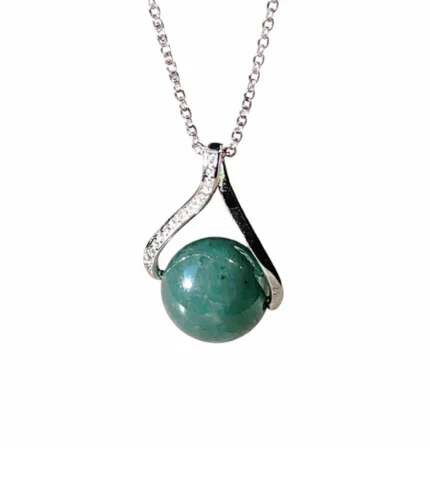
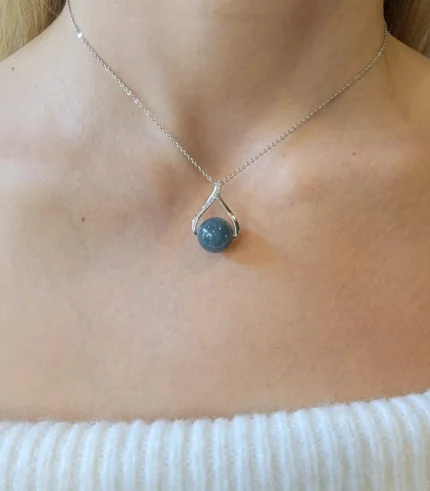
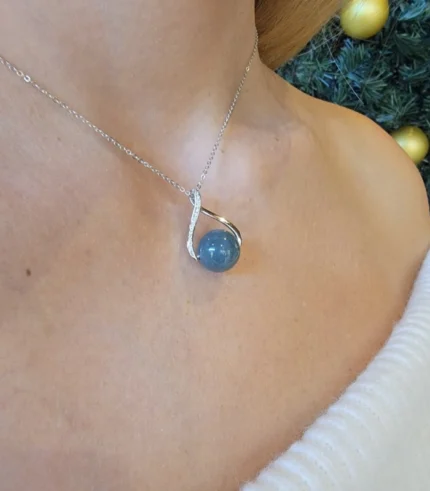
Original price was: $85.00.$76.50Current price is: $76.50.Genuine Blue Jade Round Necklace in Sterling Silver
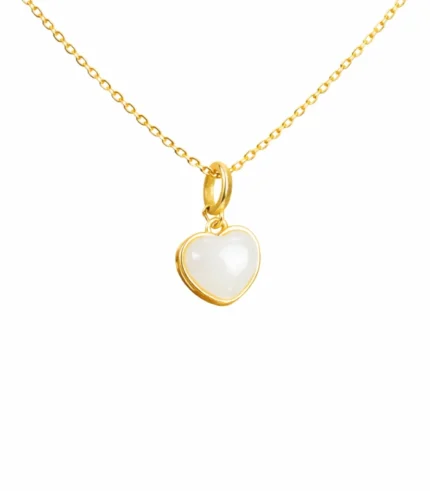
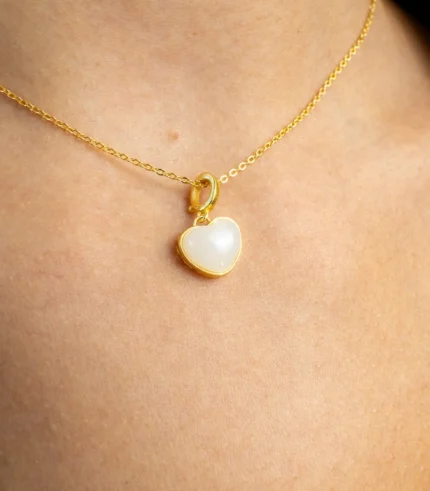
Original price was: $85.00.$76.50Current price is: $76.50.Genuine White Jade Heart Pendant Necklace in 14K Gold Plated Sterling Silver
Original price was: $85.00.$76.50Current price is: $76.50.

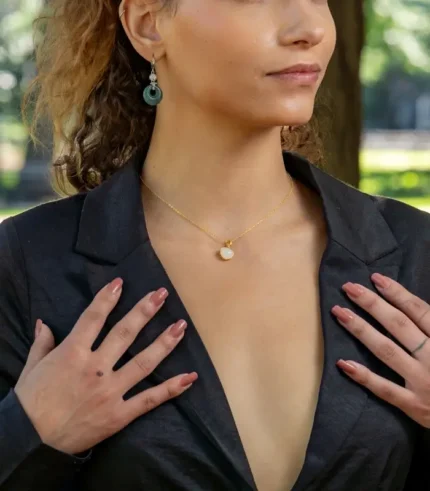
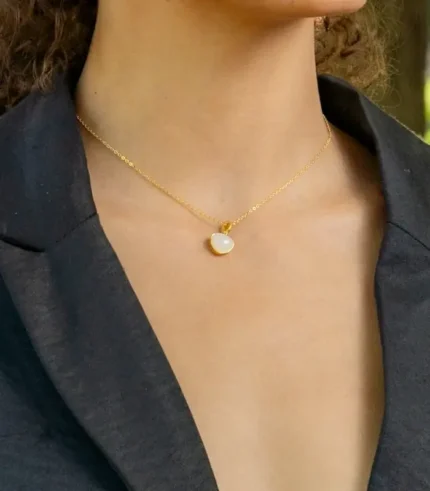
How Each Stone Forms and Where It Comes From
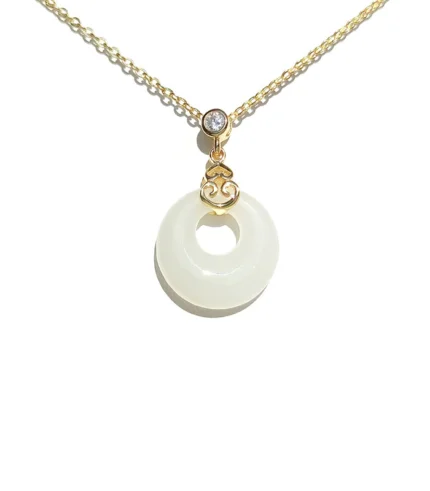
Emeralds form in hydrothermal veins and certain metamorphic rocks. The process requires beryllium and chromium to meet, which is geologically rare. Colombia is the most famous source. Zambia and Brazil are also major producers today. In most cases, natural emeralds contain visible inclusions. Gemologists call these inclusions the “jardin,” French for garden. A flawless-looking natural emerald is extremely rare.
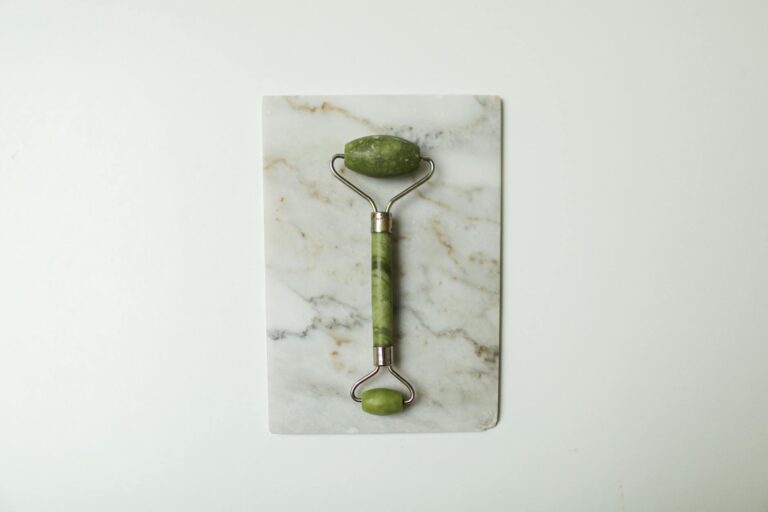
Jade forms under high pressure in subduction zones, where tectonic plates collide. Jadeite is the rarer form. Myanmar produces most of the world’s gem-quality jadeite. Nephrite is more common and comes from China, Canada, Russia, and New Zealand. The history of jade stretches back thousands of years. Ancient Chinese and Mesoamerican cultures carved it into tools, ornaments, and ceremonial objects.
This difference in formation explains the jade vs emerald contrast in appearance. Emerald grows as single crystals, so it can be transparent and faceted. Jade grows as a dense mass of tiny interlocked crystals. Typically, jade is translucent to opaque and is cut into smooth cabochons, beads, or carvings.
How to Tell Jade and Emerald Apart at a Glance
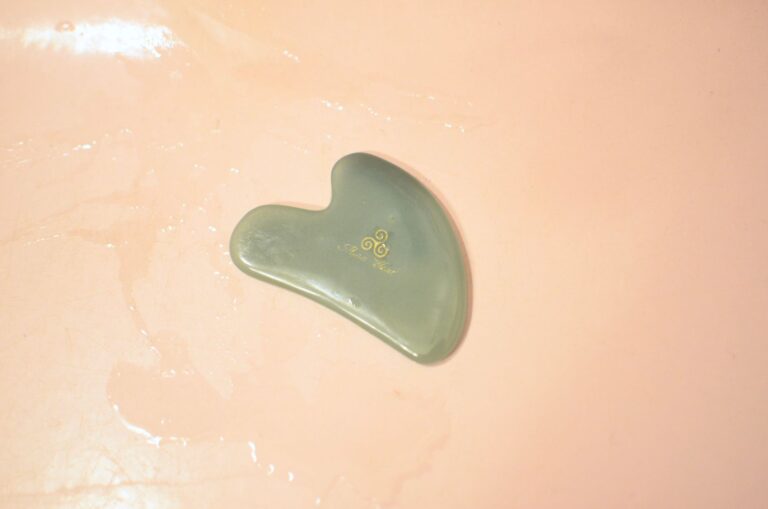
You can usually settle a jade vs emerald question with a few simple checks. First, look at transparency. Hold the stone up to light. Emerald is typically transparent, and light passes through it clearly. Jade glows softly instead. Light diffuses through jade with a waxy, dreamy quality rather than sparkling.
Second, check the cut. Emeralds are almost always faceted with flat, polished surfaces. The rectangular “emerald cut” was designed for this stone. Jade, however, is almost never faceted. It appears as smooth domes, round beads, bangles, or carved pendants. For example, a faceted green stone in a ring is far more likely to be emerald, glass, or a simulant than jade.
Third, study the color and texture. Emerald green is vivid, deep, and often slightly bluish. Its inclusions look like tiny gardens frozen inside the crystal. Jade green varies from pale mint to deep forest tones. Its color often swirls or mottles across the surface. The GIA’s jadeite guide notes that fine jadeite shows even color with a smooth, almost oily luster. If you are still unsure, a certified gemologist can test the stone in minutes.
Choosing, Styling, and Caring for Green Gemstone Jewelry
Price is the practical side of the jade vs emerald decision. Fine natural emeralds and Imperial jadeite both reach extraordinary prices at auction. However, you do not need a rare crystal to wear beautiful green jewelry. Jade-style and emerald-toned pieces set in 18K gold plated stainless steel deliver the same rich look at an accessible price point. Modern plating technology bonds a true 18K gold layer over a scratch-resistant, hypoallergenic steel core. The result looks identical to solid gold, feels lightweight, and is designed for everyday wear.
Join the KartiKart community
10% off, on top of any current sale, your first order + early access to new collections
Free · No spam · Unsubscribe anytime
This is the smart way to build variety. For the price of one solid gold emerald piece, you can own five stunning green gemstone looks. Care is simple, too. Keep pieces away from water, and store them in a soft pouch. These easy habits take ten seconds and keep both gemstones and gold plated settings glowing for years. Green stones pair beautifully with warm gold tones, so a gold-set green pendant or jade-green bangle instantly elevates neutral outfits.
Frequently Asked Questions
Is jade more expensive than emerald?
It depends on quality. Top Imperial jadeite can rival or exceed fine emerald prices per carat. However, common nephrite jade is far more affordable. In most cases, gem-quality emerald costs more than average jade.
Can jade and emerald be found in the same jewelry piece?
Yes, designers sometimes combine them. Emerald provides sparkle while jade adds smooth, carved texture. Typically, both stones pair beautifully with yellow gold settings, which intensify their green tones.
How do jewelers test jade vs emerald professionally?
Gemologists measure refractive index, specific gravity, and spectral absorption. Emerald and jadeite show distinct readings on all three tests. A gem lab report is the most reliable proof of identity.
Shop Jewelry at KartiKart
Explore our collection of handcrafted 18K Gold Plated Stainless Steel jewelry. Every piece is designed for everyday elegance at an accessible price point.
Bracelets · Best Sellers · New Arrivals
Sources & Further Reading
For verified gemstone and jewelry information:
Content last reviewed July 2026. If you notice any outdated information, please contact us.
From the KartiKart shop
Wear what you just read about
Dainty, everyday pieces, handpicked by a husband-and-wife team. Free U.S. shipping, gift-ready packaging, 30-day easy returns, and 5% of every order goes to organizations fighting human trafficking.
Shop white & blue jade jewelry →Pieces our readers love
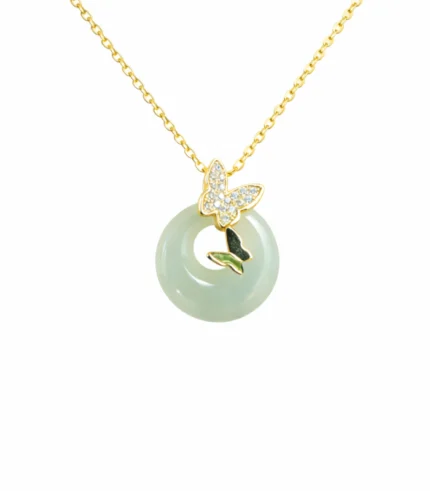
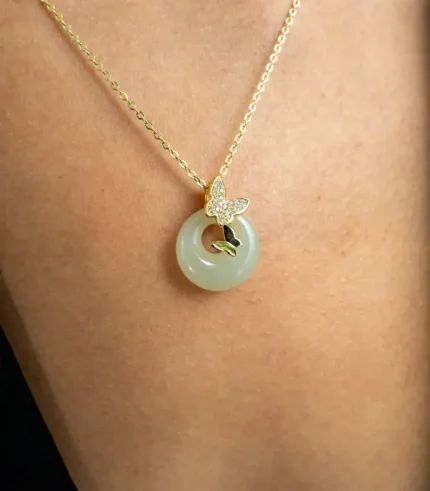
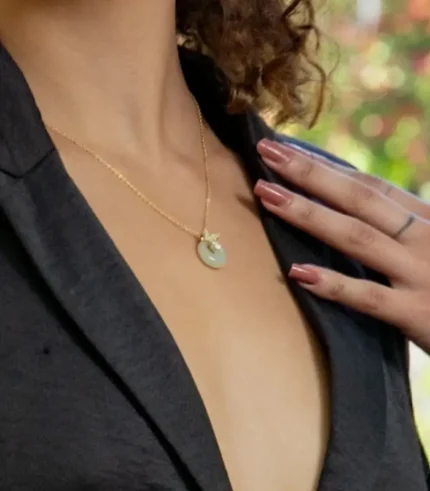
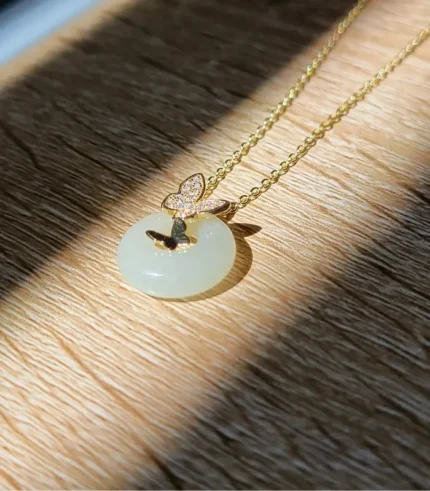
View all →Genuine White Jade Butterfly Necklace in 14K Gold Plated Silver
Original price was: $85.00.$76.50Current price is: $76.50.Genuine White Jade Flower Pendant Necklace in 14K Gold Plated Sterling Silver
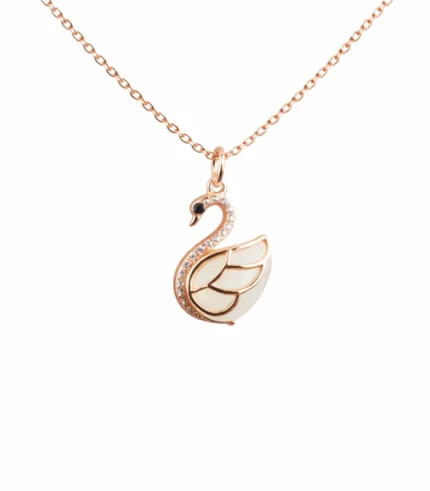
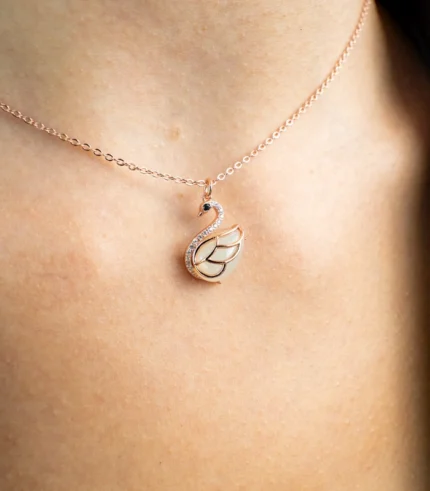
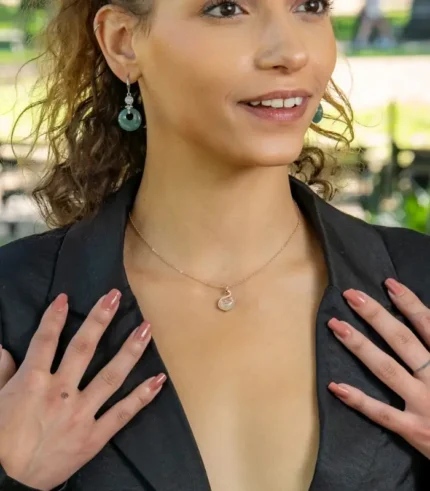
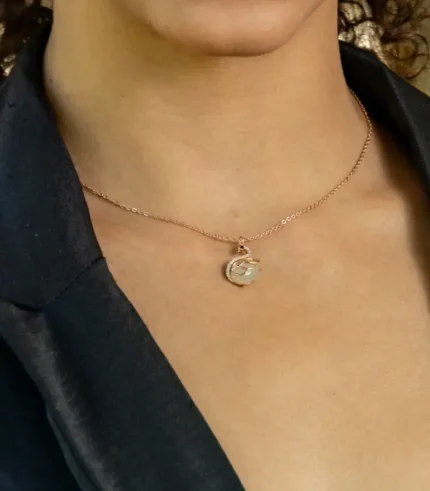
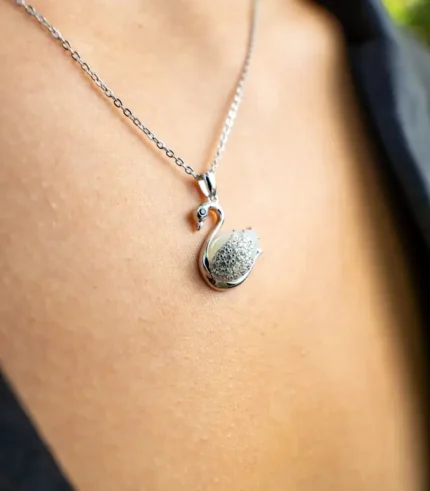
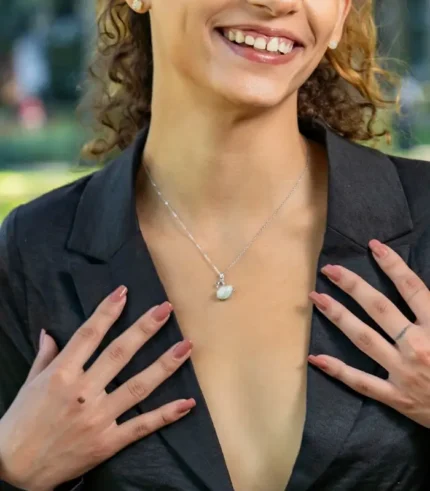
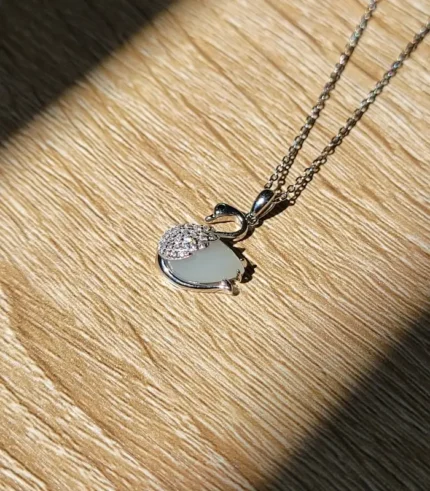
Original price was: $85.00.$76.50Current price is: $76.50.Genuine White Jade Swan Necklace in 14K Rose Gold Plated Silver
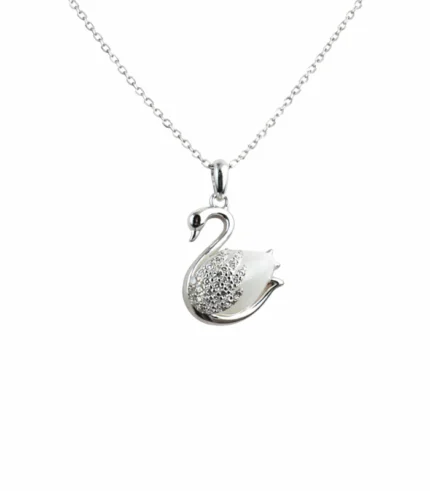
Original price was: $85.00.$76.50Current price is: $76.50.Genuine White Jade Swan Necklace in Sterling Silver
Original price was: $85.00.$76.50Current price is: $76.50.