Nephrite vs Jadeite: Understanding the Two Types of Jade
Nephrite vs jadeite — it’s a distinction most jewelry lovers never learn. Both stones are called “jade,” yet they are completely different minerals. For thousands of years, cultures across the globe treasured jade for its beauty and symbolism. However, it wasn’t until 1863 that French mineralogist Alexis Damour proved these two stones are scientifically distinct.
Nephrite belongs to the amphibole mineral family. Jadeite belongs to the pyroxene family. They differ in hardness, color range, luster, and value. Understanding the nephrite vs jadeite divide helps you make smarter choices when shopping for jade jewelry. Whether you’re drawn to creamy white nephrite or vivid green jadeite, knowing what you’re buying matters.
Nephrite vs Jadeite: The Mineral Science Behind Two Stones
Nephrite is a calcium magnesium iron silicate. It forms in the tremolite-actinolite series. Its interlocking fibrous crystal structure makes it exceptionally tough. In fact, nephrite is technically tougher than jadeite despite being slightly softer. It ranks 6 to 6.5 on the Mohs hardness scale.
Jadeite, in contrast, is a sodium aluminum silicate. It forms in the pyroxene mineral group. It ranks 6.5 to 7 on the Mohs scale. Jadeite’s granular crystal structure gives it a brilliant, almost glassy polish. This vitreous luster is one of the easiest ways to tell the two stones apart. Nephrite typically shows a softer, waxy or oily sheen instead.
For example, if you hold both stones side by side, the weight difference is noticeable. Jadeite has a specific gravity of 3.2 to 3.5. Nephrite comes in lighter at 2.9 to 3.1. These scientific differences between nephrite vs jadeite directly affect how each stone looks, feels, and polishes in finished jewelry.
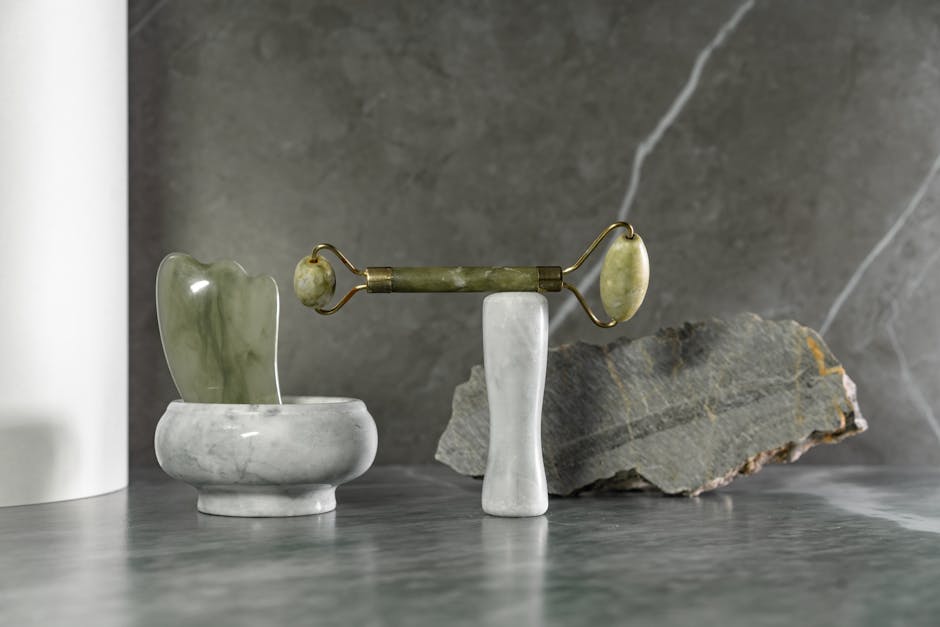
Shop white & blue jade jewelry
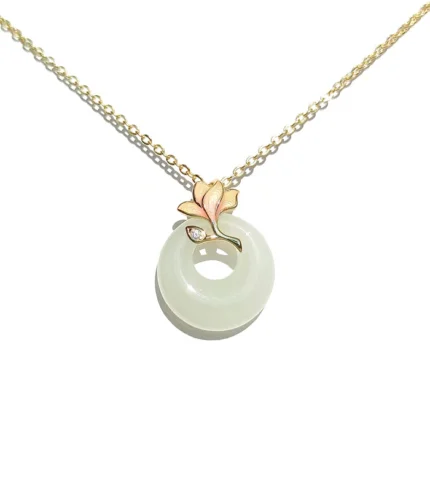
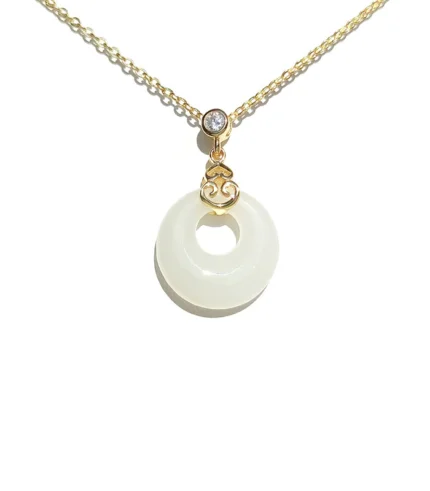
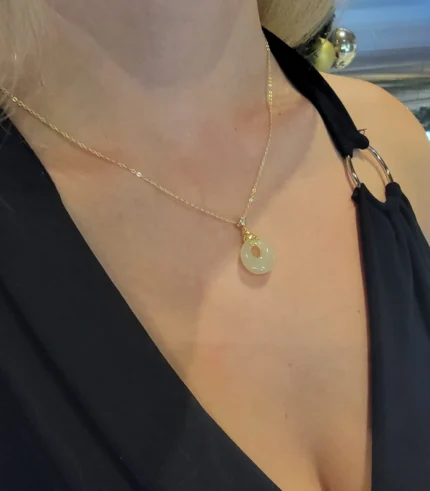
View all →Genuine White Jade Bi Disc Necklace in 14K Gold Plated Silver
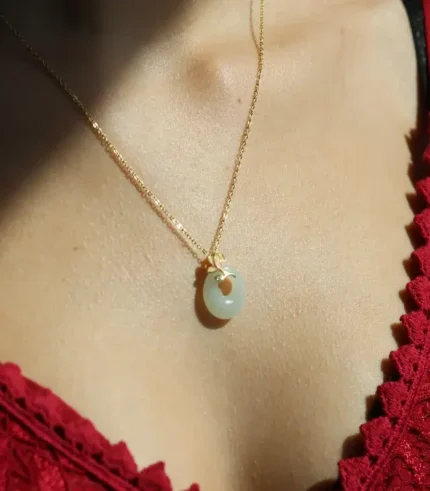
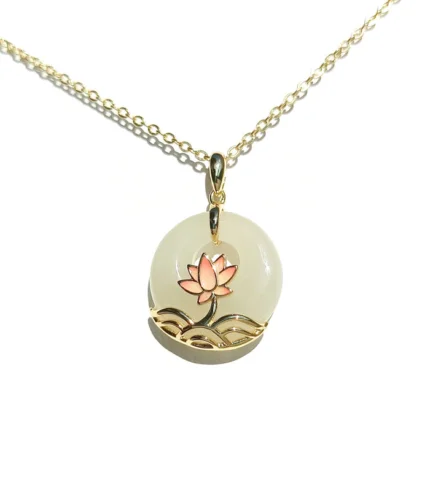
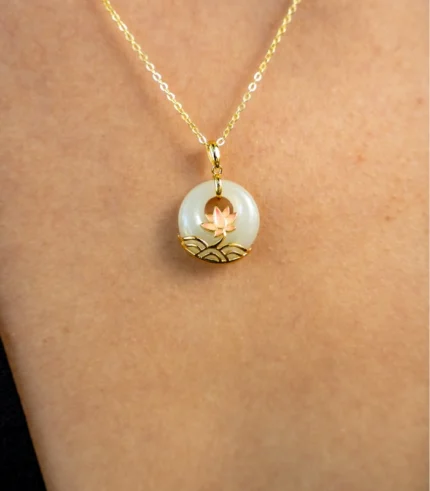
Original price was: $85.00.$76.50Current price is: $76.50.Genuine White Jade Lotus Necklace
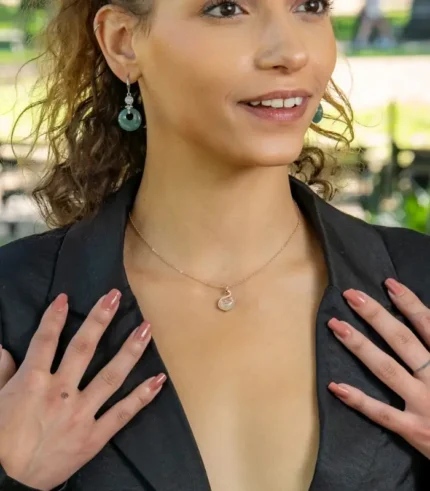
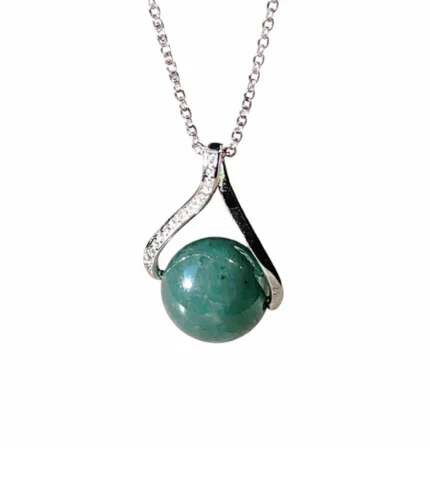
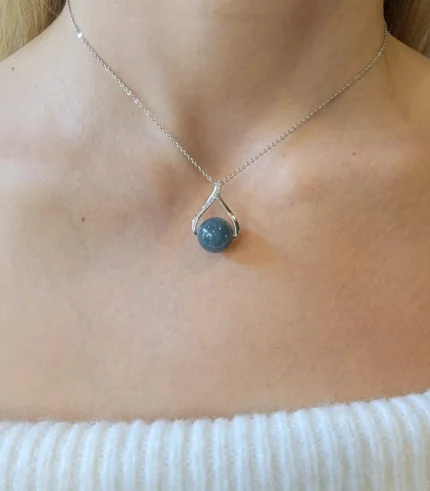
Original price was: $85.00.$76.50Current price is: $76.50.Genuine Blue Jade Round Necklace in Sterling Silver
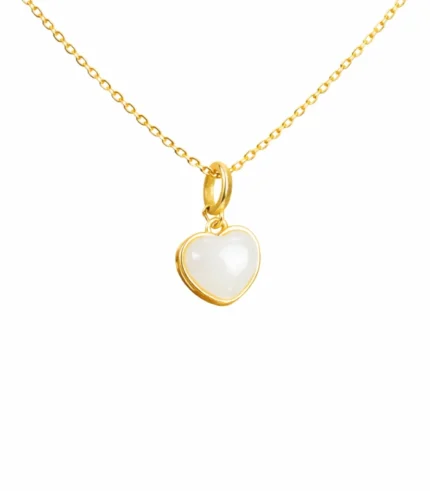
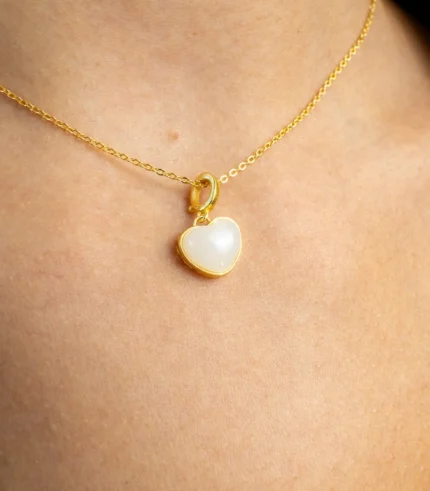
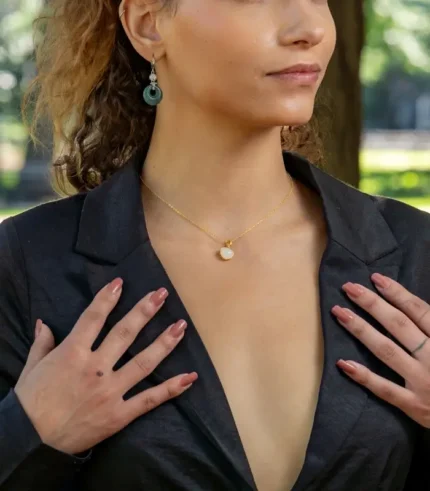
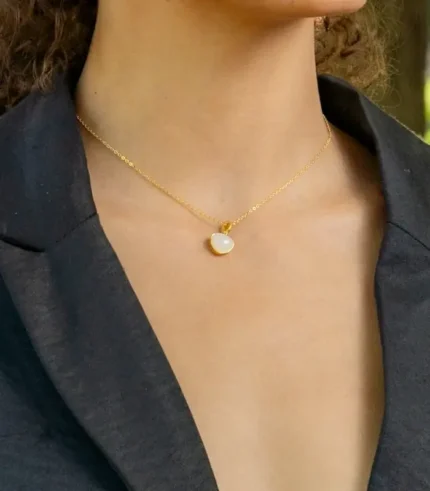
Original price was: $85.00.$76.50Current price is: $76.50.Genuine White Jade Heart Pendant Necklace in 14K Gold Plated Sterling Silver
Original price was: $85.00.$76.50Current price is: $76.50.

Color, Rarity, and Why Jadeite Commands Higher Prices
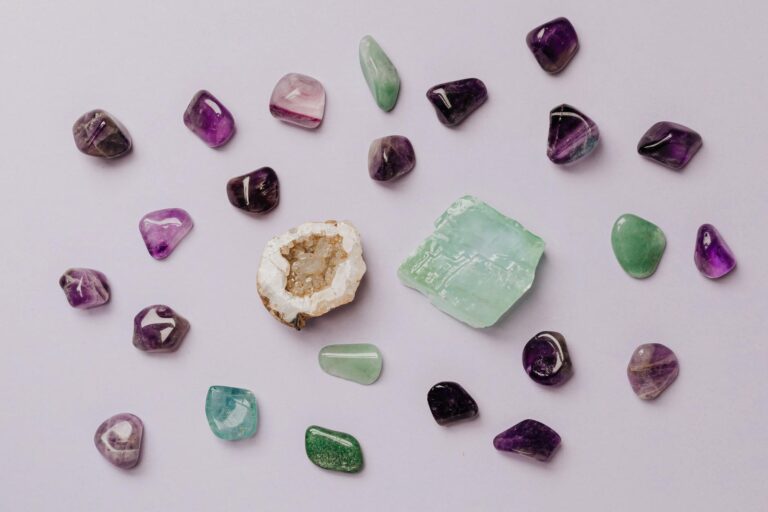
The nephrite vs jadeite color divide is dramatic. Nephrite appears in white, cream, olive green, and deep spinach green. Its palette is earthy and subtle. Jadeite, however, offers a far wider spectrum. You’ll find jadeite in vivid emerald green, lavender, yellow, orange, white, and even black.
The most prized variety is called “Imperial jade.” This refers specifically to translucent, deep emerald-green jadeite from Myanmar. Top-quality Imperial jade is among the most expensive gemstones in the world. Its combination of intense color saturation, high translucency, and extreme rarity drives extraordinary prices.
Nephrite is more abundant globally. Major deposits exist in Canada, China, Russia, and New Zealand. Jadeite’s primary commercial source is Myanmar, with smaller deposits in Guatemala and a few other locations. This scarcity is a key reason the nephrite vs jadeite price gap exists. In most cases, fine jadeite costs significantly more than comparable nephrite pieces.
Historical Significance: Nephrite vs Jadeite Across Civilizations
Ancient China revered nephrite for thousands of years. The stone represented purity, moral integrity, and wisdom. Nephrite from the Xinjiang region was carved into ritual objects, burial suits, and imperial seals. Interestingly, the Chinese did not encounter jadeite until roughly the 18th century, when Burmese jadeite entered trade routes. Both stones became known as “yù” in Chinese culture.
Across the Pacific, Mesoamerican civilizations prized jadeite above gold. The Maya and Olmec used Guatemalan jadeite for masks, jewelry, and ceremonial objects. In New Zealand, the Māori people carved nephrite — called pounamu — into weapons, tools, and treasured heirlooms. The nephrite vs jadeite story spans every continent and every era of human history.
Understanding this history adds meaning to modern jade jewelry. When you wear jade today, you’re connecting with one of humanity’s oldest gemstone traditions. Typically, the cultural background of a piece influences its style and symbolism.
How to Identify Nephrite vs Jadeite When Shopping
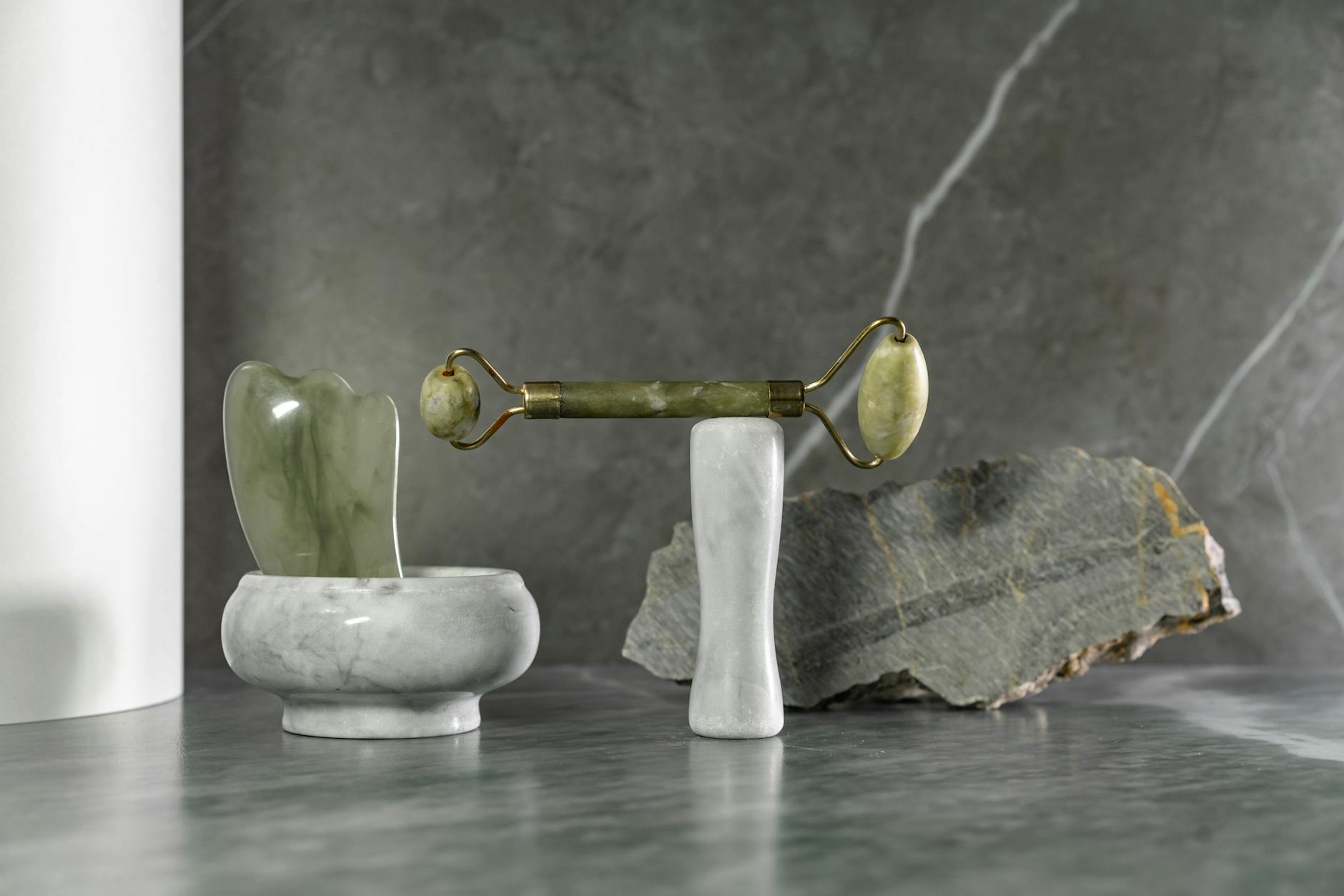
Start with luster. Jadeite polishes to a vitreous, glass-like shine. Nephrite has a gentler, waxy glow. Next, consider the color. If the stone is lavender, bright orange, or vivid emerald green, it’s almost certainly jadeite. Nephrite rarely appears outside the green-to-white range.
Weight offers another clue. Jadeite feels noticeably heavier in your hand for the same size piece. However, a definitive identification requires gemological testing. Reputable sellers provide certificates from labs like the Gemological Institute of America (GIA). Always ask for documentation when purchasing high-value jade.
When pairing jade with gold jewelry, consider how the stone’s color interacts with your metals. Warm green nephrite pairs beautifully with 18K gold plated stainless steel pieces. The rich gold tone complements jade’s natural warmth. Modern gold plating technology creates a durable, scratch-resistant finish that stands up to everyday wear alongside your gemstone collection.
Join the KartiKart community
10% off, on top of any current sale, your first order + early access to new collections
Free · No spam · Unsubscribe anytime
Caring for Jade Jewelry
Both nephrite and jadeite are durable stones, but smart care extends their life. Store jade pieces separately to prevent scratching from harder gemstones like diamonds or sapphires. Clean with a soft damp cloth and mild soap. Avoid ultrasonic cleaners and harsh chemicals. These simple 10-second habits keep your jade looking beautiful for decades.
The same easy care routine applies to your gold plated stainless steel settings. A quick wipe after wearing removes oils and keeps the finish radiant. Proper storage and minimal chemical exposure are all it takes. The nephrite vs jadeite care requirements are nearly identical — both stones reward gentle, consistent attention.
Frequently Asked Questions
Is nephrite or jadeite more valuable?
Jadeite is typically more valuable than nephrite. Top-grade “Imperial” jadeite from Myanmar commands some of the highest per-carat prices of any gemstone. Nephrite is more widely available, which keeps its prices lower in most cases.
Can you tell nephrite vs jadeite apart by looking?
Sometimes. Jadeite often has a glassy, vitreous luster while nephrite looks waxy or oily. However, definitive identification requires gemological testing. Certain colors like lavender or vivid emerald green almost always indicate jadeite.
Is all jade from China nephrite?
Historically, yes. Ancient Chinese jade artifacts are almost exclusively nephrite from Xinjiang province. Jadeite did not enter China until the 18th century via Myanmar trade routes. Today, both types are widely sold in Chinese markets.
Shop Jewelry at KartiKart
Explore our collection of handcrafted 18K Gold Plated Stainless Steel jewelry. Every piece is designed for everyday elegance at an accessible price point.
Best Sellers · Bracelets · New Arrivals
Sources & Further Reading
For verified gemstone and jewelry information:
Content last reviewed May 2026. If you notice any outdated information, please contact us.
From the KartiKart shop
Wear what you just read about
Dainty, everyday pieces, handpicked by a husband-and-wife team. Free U.S. shipping, gift-ready packaging, 30-day easy returns, and 5% of every order goes to organizations fighting human trafficking.
Shop white & blue jade jewelry →Pieces our readers love
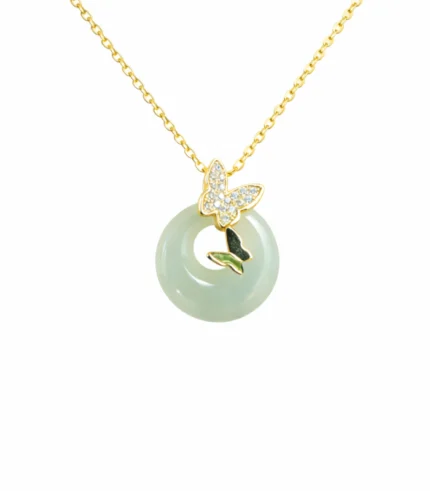
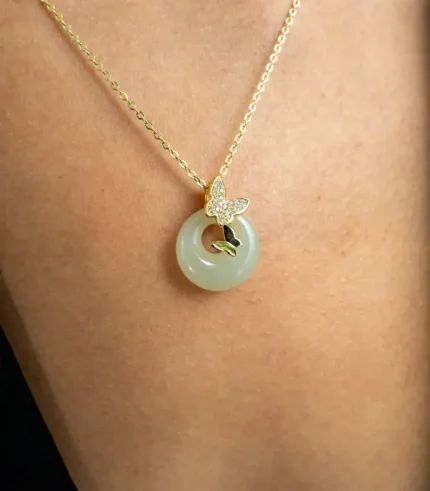
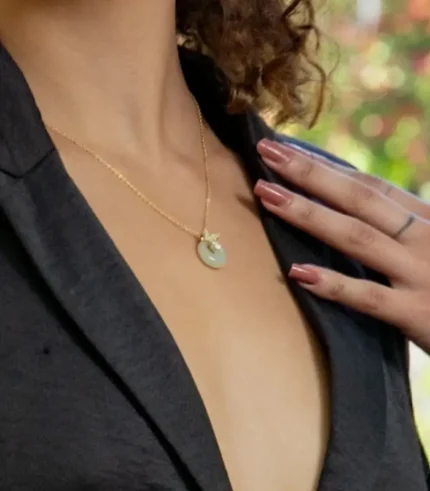
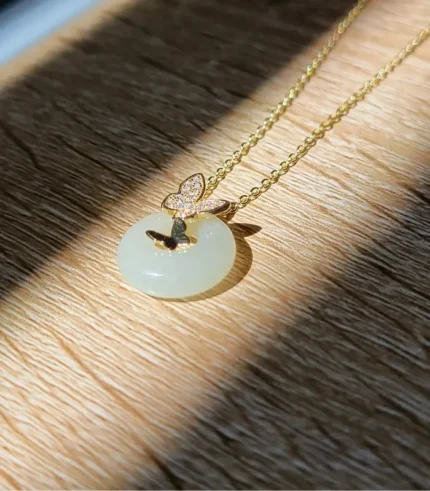
View all →Genuine White Jade Butterfly Necklace in 14K Gold Plated Silver
Original price was: $85.00.$76.50Current price is: $76.50.Genuine White Jade Flower Pendant Necklace in 14K Gold Plated Sterling Silver
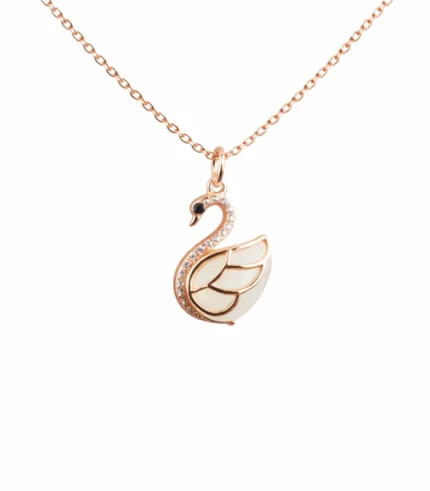
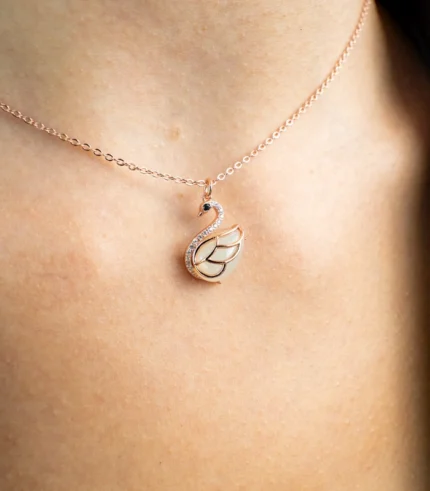
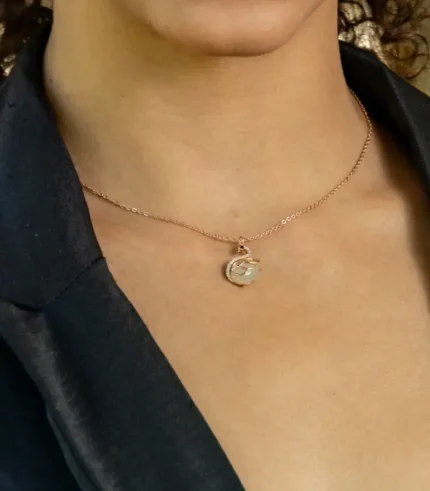
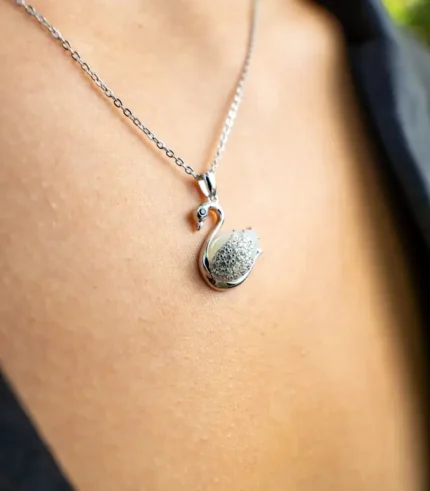
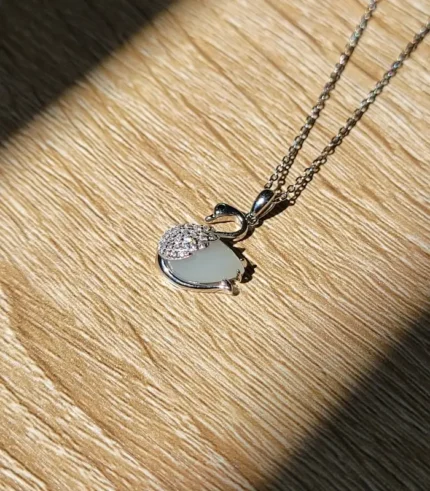
Original price was: $85.00.$76.50Current price is: $76.50.Genuine White Jade Swan Necklace in 14K Rose Gold Plated Silver
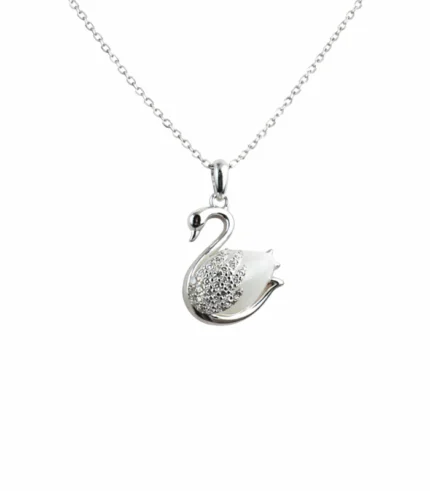
Original price was: $85.00.$76.50Current price is: $76.50.Genuine White Jade Swan Necklace in Sterling Silver
Original price was: $85.00.$76.50Current price is: $76.50.