How to Fix a Twisted Dainty Chain Without Snapping It
Twisted chain fix is the most searched jewelry rescue technique for a reason. Dainty gold chains twist, loop, and knot themselves with almost no help from you. It happens in jewelry boxes. It happens while you sleep. A 2007 study published in the Proceedings of the National Academy of Sciences proved why. Researchers at UC San Diego found that any flexible cord longer than 18 inches forms knots within seconds when confined in a small space.
Your jewelry box is that small space. The good news is that most twisted dainty chains can be saved at home. You do not need special tools. You do not need a jeweler. You need patience, a flat surface, and the right technique. This guide walks you through the entire twisted chain fix process without risking a single broken link.
Why Dainty Chains Twist in the First Place
Understanding the problem makes your twisted chain fix faster. Fine chains have extremely high flexibility and almost no rigidity. Every movement creates tiny loops. Body heat, breathing, and gravity cause the chain to swing in small chaotic arcs throughout the day. These arcs overlap and interlock. That is the beginning of a twist.
Chain type matters enormously. Cable chains are the most common dainty style and the most tangle-prone. Their uniform oval links slide against each other easily. Rope chains twist frequently because their spiral texture creates friction points where links catch. However, box chains and curb chains resist tangling naturally due to their angular link shapes.
Storage is the biggest culprit. Chains tossed loosely into a pouch or drawer replicate the exact tumbling conditions from that PNAS study. The science is clear. Confinement plus flexibility equals knots. Your twisted chain fix starts with understanding this so you can prevent the next one.
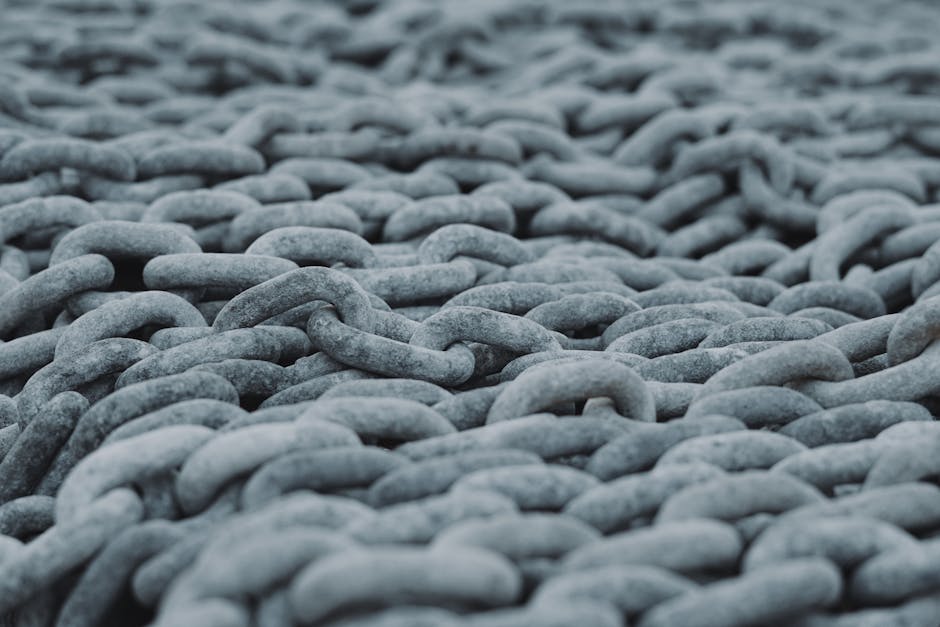
Shop tarnish-free gold-plated necklaces
View all →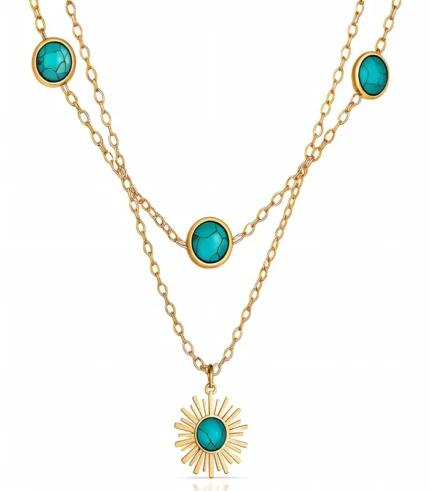



The Complete Twisted Chain Fix Method
Start by unclasping the chain completely. Remove any pendants or charms. These catch on links and make everything worse. Lay the chain flat on a smooth, light-colored surface. White paper or a white plate works well. Good lighting is essential for chains under 1mm wide.
Now apply one tiny drop of baby oil to the center of the twist using a cotton swab. The oil reduces friction between links so they slide past each other freely. Olive oil or hair conditioner work as alternatives. For example, many professional jewelers use baby oil as their first step in any twisted chain fix because it cuts untangling time in half.
Insert two straight pins into the center of the knot from opposite sides. Sewing pins with round heads work best because the knobs give you grip. Gently pull the pins away from each other. You are creating space inside the twist. Never pull from the edges. That tightens everything. Work from the center outward. Loosen the outermost loops first. Then work inward. In most cases, even badly tangled chains come free within five minutes using this approach. Wipe the chain clean with a soft lint-free cloth when finished.
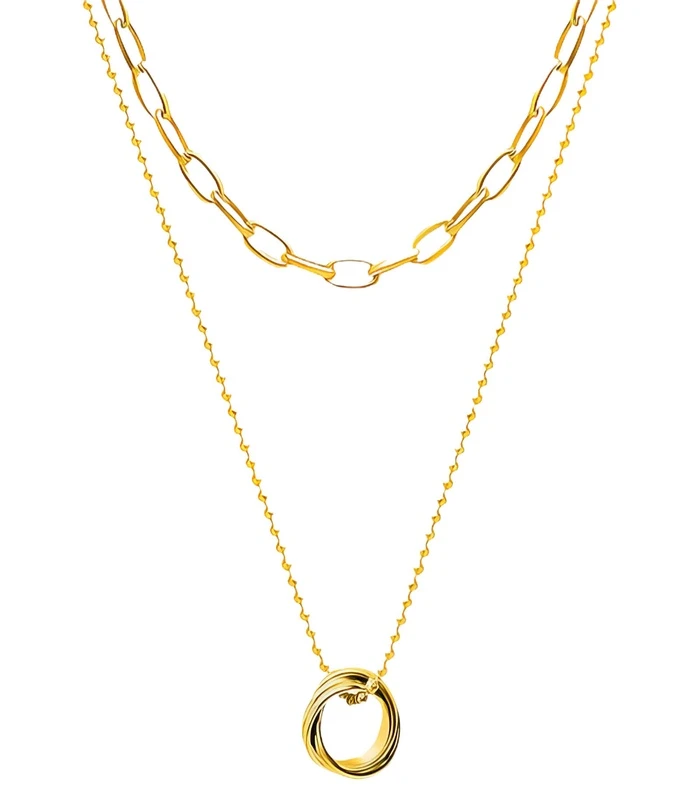
Twisted Chain Fix for Different Chain Types
Not every chain responds to the same twisted chain fix approach. Cable chains untangle most easily because their round links rotate freely once lubricated. Typically, a cable chain needs only pins and patience. Rope chains require more care. Their textured links grip each other. Use slightly more oil and work more slowly.
However, some chains kink rather than twist. Herringbone and snake chains are flat and rigid. A kink in these styles is a permanent bend. No twisted chain fix works on a true kink. If your herringbone chain has a sharp angle, a professional jeweler must repair it. For stainless steel chains with 18K gold plating, the base metal provides excellent resistance to both kinking and stretching. The steel core holds its shape far better than pure gold would.
For very fine chains under 1mm, use a magnifying glass. You need to see individual link orientation clearly. Flat-tip precision tweezers help hold one section steady while you work another. Never use pointed tweezers on plated jewelry. They can scratch the gold surface.
Preventing Future Twists and Protecting Your Chain
The best twisted chain fix is prevention. Always clasp your necklace before storing it. Hang chains vertically on individual hooks when possible. For travel, thread each chain through a drinking straw and clasp it at the top. This eliminates all movement inside your luggage. The Smithsonian’s jewelry collection documents how proper chain storage has been a concern since industrial jewelry production began in the 19th century.
Join the KartiKart community
10% off, on top of any current sale, your first order + early access to new collections
Free · No spam · Unsubscribe anytime
Modern 18K gold plating on stainless steel makes daily care remarkably simple. Wipe your chain with a soft cloth after wearing. Store pieces separately in compartmented boxes. These ten-second habits keep your chains smooth, untangled, and gleaming for years. The scratch-resistant surface means your twisted chain fix attempts will not damage the finish. Gold plated stainless steel handles gentle manipulation beautifully because the base metal is strong and forgiving.
Frequently Asked Questions
Can I use water to fix a twisted dainty chain?
Water alone does not reduce friction between links effectively. Baby oil or light lubricant works far better for any twisted chain fix. After untangling, wipe the chain dry immediately and store it properly to maintain your gold plating.
Will pulling on a twisted chain break it?
Yes. Pulling aggressively stretches individual links and creates weak points. In most cases, a stretched link will eventually snap. The correct twisted chain fix uses gentle outward pressure with pins. Never yank or force a tangled chain apart.
How often should I expect my dainty chain to twist?
Chains stored loosely will tangle almost every time. However, chains stored clasped and hanging vertically rarely twist at all. A proper twisted chain fix paired with better storage habits means you may never deal with this problem again. Typically, switching to vertical storage eliminates tangling completely.
Shop Jewelry at KartiKart
Explore our collection of handcrafted 18K Gold Plated Stainless Steel jewelry. Every piece is designed for everyday elegance at an accessible price point.
Necklaces · Best Sellers · Bracelets
Sources & Further Reading
For verified gemstone and jewelry information:
Content last reviewed May 2026. If you notice any outdated information, please contact us.
From the KartiKart shop
Wear what you just read about
Dainty, everyday pieces, handpicked by a husband-and-wife team. Free U.S. shipping, gift-ready packaging, 30-day easy returns, and 5% of every order goes to organizations fighting human trafficking.
Shop tarnish-free gold-plated necklaces →