Anti Tarnish Strips: Do They Actually Work for Jewelry Storage
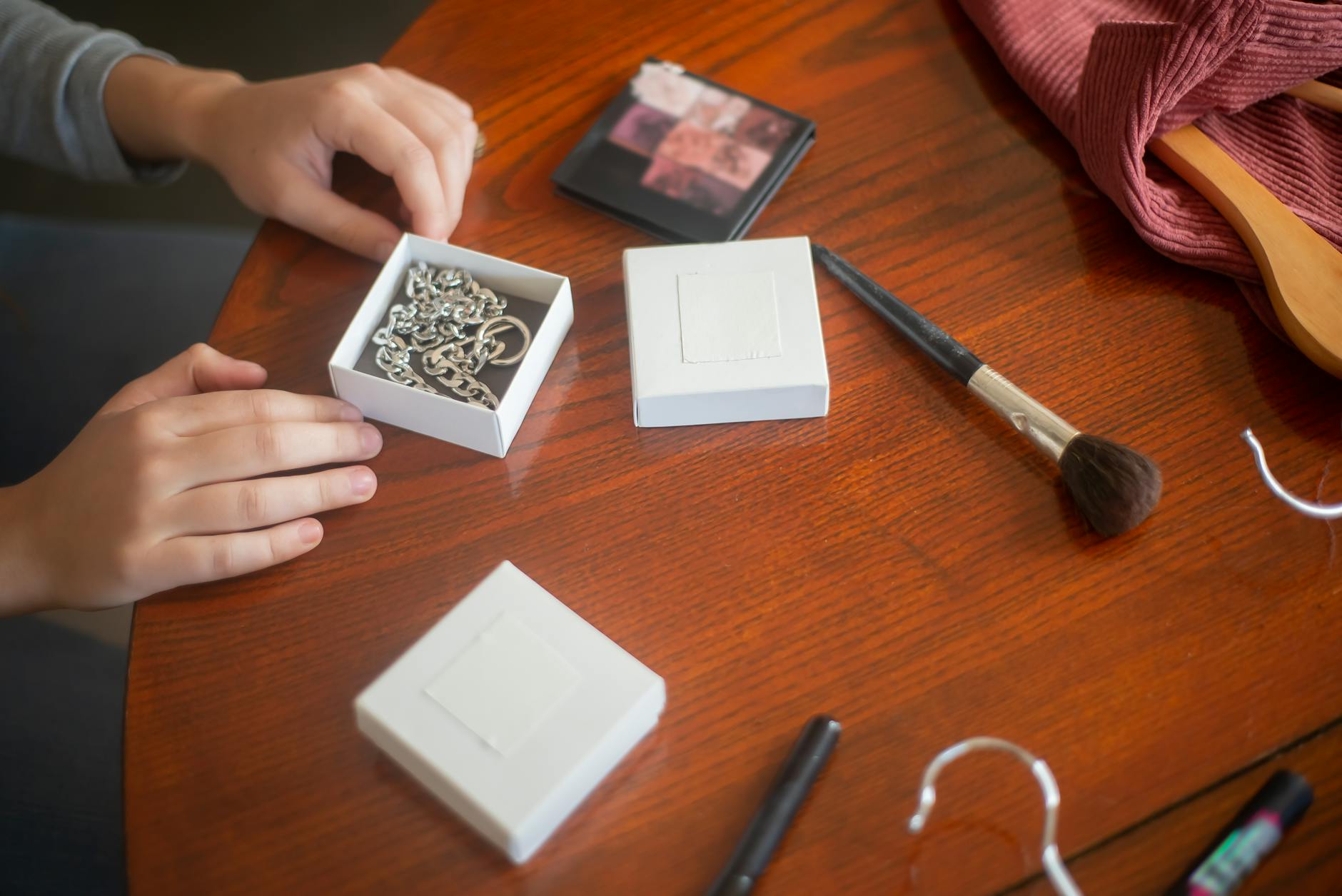
Anti tarnish jewelry storage has become a hot topic among collectors and everyday wearers alike. If you have ever opened a jewelry box to find a once-gleaming piece looking dull and discolored, you know the frustration. Tarnish forms when metals react with sulfur compounds in the air, particularly hydrogen sulfide. This chemical reaction creates a dark film called silver sulfide on the surface.
- What Are Anti Tarnish Strips and How Do They Protect Jewelry?
- Do Anti Tarnish Jewelry Strips Actually Work? The Science Says Yes
- Which Metals Benefit Most from Anti Tarnish Jewelry Storage?
- Best Practices for Anti Tarnish Jewelry Storage at Home
- Why Proper Storage Matters for Your Gold-Plated Collection
- Frequently Asked Questions
However, modern storage solutions promise to stop this process before it starts. Anti-tarnish strips are one of the most popular options on the market today. They claim to protect your pieces for months at a time. But do they actually deliver on that promise? This guide breaks down the science, the results, and the best ways to keep your jewelry looking flawless.
What Are Anti Tarnish Strips and How Do They Protect Jewelry?
Anti-tarnish strips are small treated papers or tabs placed inside jewelry boxes, bags, or drawers. They work by intercepting sulfur gases before those gases reach your jewelry. There are two main technologies behind them. The first uses activated carbon or zeolite to physically trap sulfur molecules on the strip surface. The second, called Intercept Technology, was originally invented at Bell Labs in the 1980s to protect telecommunications equipment. It uses reactive copper particles embedded in a polymer matrix to chemically neutralize sulfur compounds permanently.
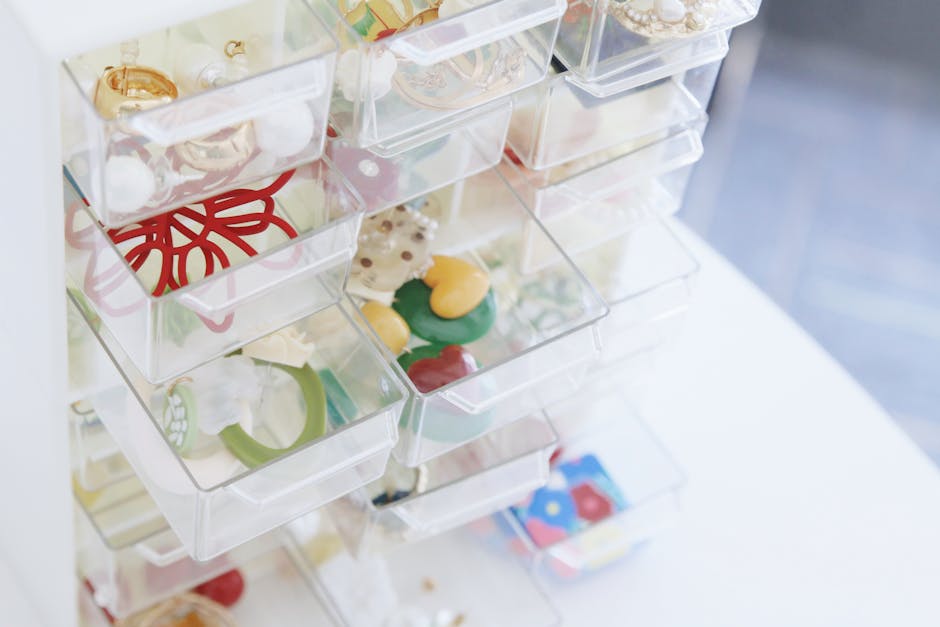
A single 2-by-7-inch strip typically protects about one cubic foot of storage space. In most cases, strips last around six months under normal conditions. In a fully sealed container, they can remain effective for up to twelve months. Anti tarnish jewelry products also come in other formats. You can find treated pouches, zip-seal bags with built-in linings, and even specialized fabrics like Pacific Silvercloth. This cloth contains embedded colloidal silver particles that tarnish first, acting as a sacrificial barrier for your actual jewelry.
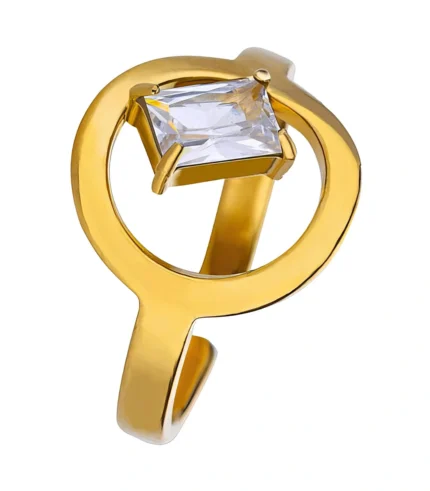
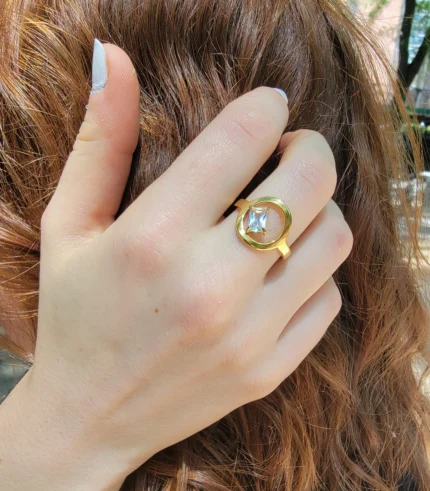
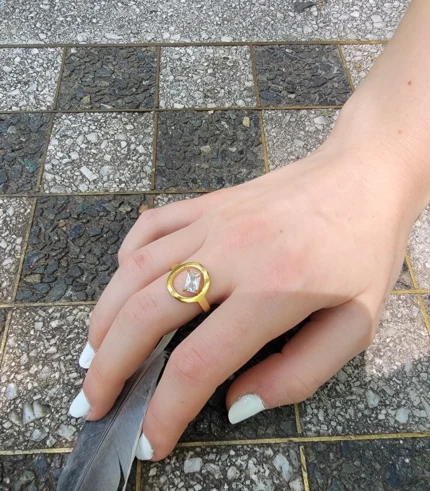
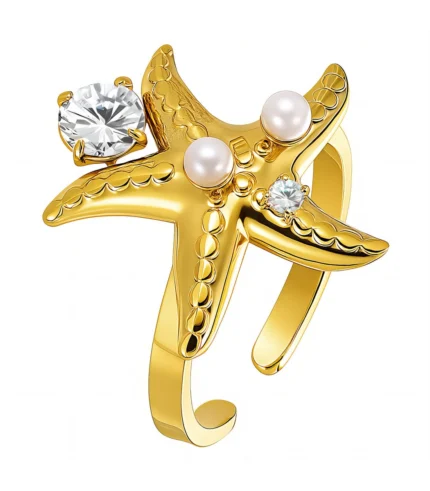
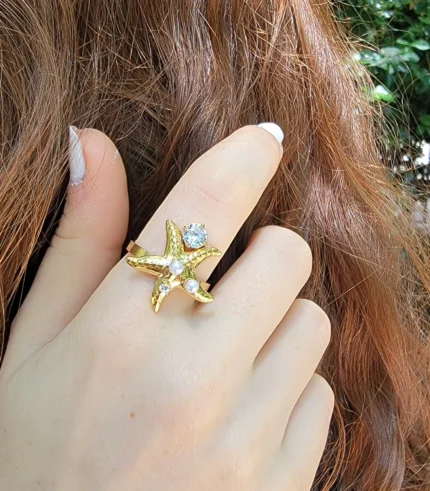
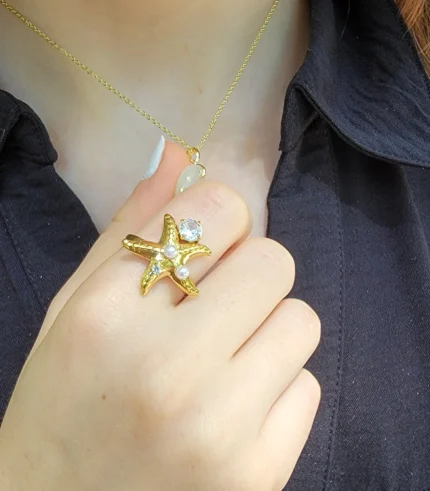
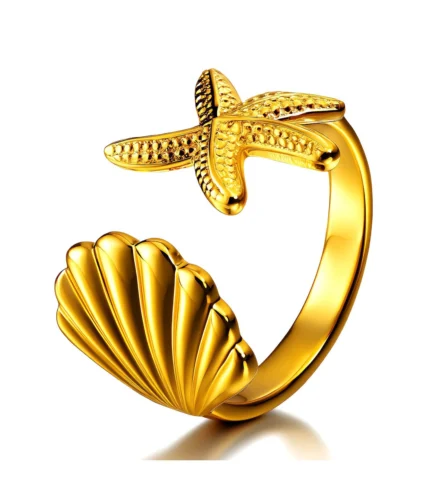
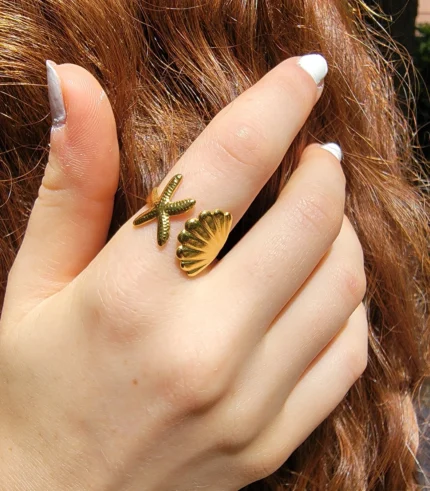
Shop tarnish-free gold-plated jewelry
View all →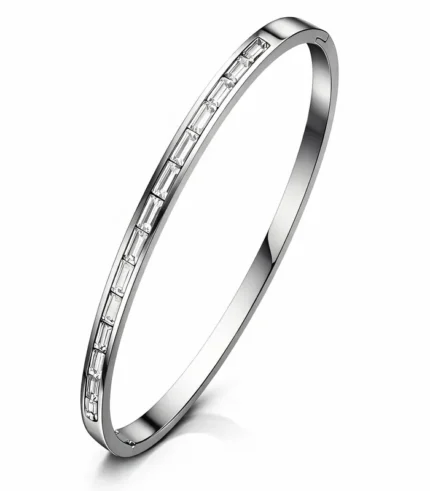
Do Anti Tarnish Jewelry Strips Actually Work? The Science Says Yes
Research from the Smithsonian Institution and conservation scientists confirms that hydrogen sulfide is the primary driver of metal tarnish. Anti-tarnish strips address this directly. They either absorb or neutralize the exact gases responsible for discoloration. The Canadian Conservation Institute recommends these products for long-term metal storage, including museum-grade silver collections. That level of endorsement carries real weight.
However, effectiveness depends heavily on your storage setup. Strips perform best in sealed, airtight containers. An open jewelry tray on your dresser lets fresh air constantly flow in, bringing new sulfur gases with it. The strip exhausts itself much faster in that scenario. For example, a strip in a sealed zip-lock bag might last a full year. The same strip in an open drawer might only last two to three months. Anti tarnish jewelry storage is only as good as the seal around it.
There is one important nuance. Strips primarily protect against airborne tarnish, not contact damage. Exposure to lotions, perfumes, chlorine, and sweat can still affect your pieces. Typically, the best results come from combining anti-tarnish strips with good daily habits. Remove jewelry before swimming, showering, or applying products. These quick ten-second habits make a real difference.
Which Metals Benefit Most from Anti Tarnish Jewelry Storage?
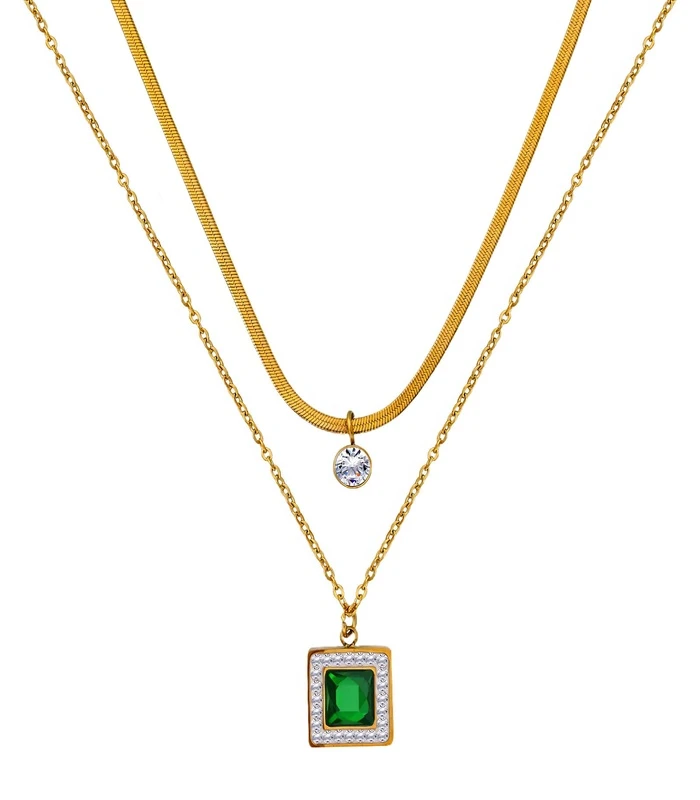
Sterling silver is the metal most vulnerable to tarnish, and it benefits the most from anti-tarnish strips. Brass, copper, and bronze also tarnish readily and respond well to this type of protection. For gold-plated jewelry, anti tarnish jewelry storage offers an extra layer of defense. Pure gold itself does not tarnish. However, the base metal underneath the plating can be affected over time. Strips slow that process by keeping sulfur gases away from the piece entirely.
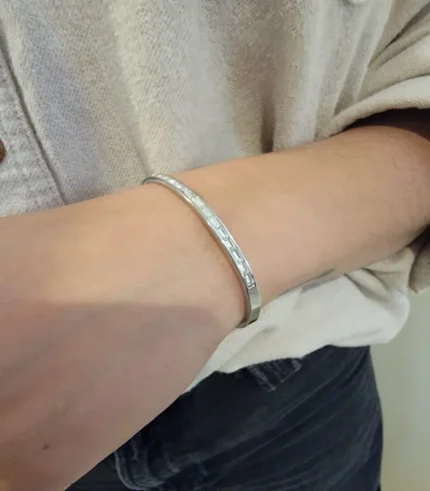
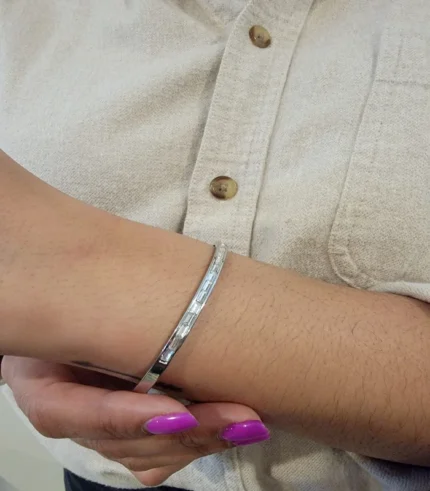
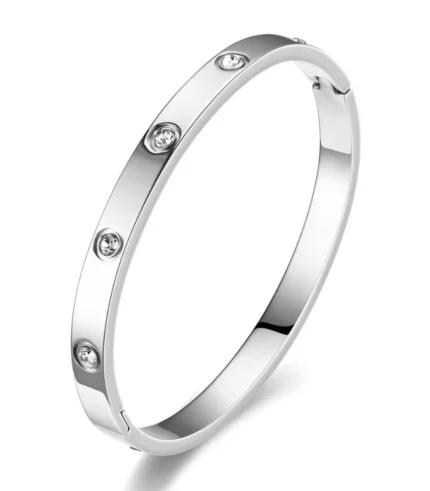
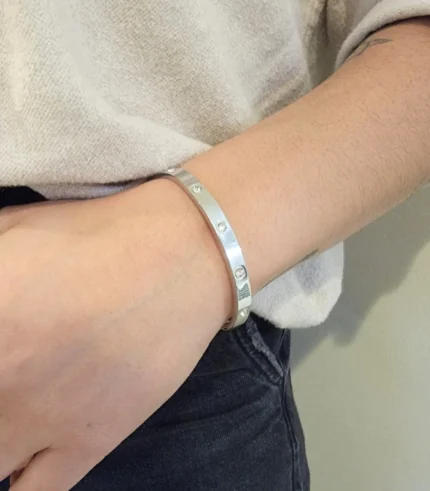
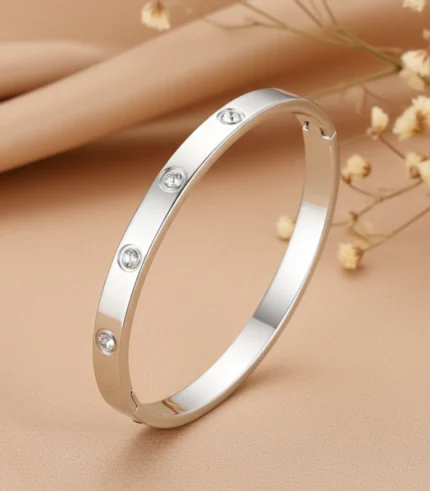
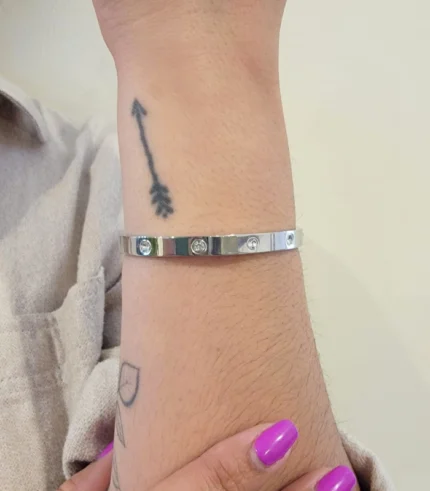
Modern 18K gold plating on stainless steel is already highly durable. The stainless steel base forms a protective chromium oxide layer that resists corrosion naturally. Adding anti-tarnish strips to your storage routine extends the life of your pieces even further. It is a smart, easy step. For example, storing your gold-plated stainless steel bracelet in a sealed pouch with a strip keeps it looking fresh for months between wears. This combination of modern plating technology and proper storage is the gold standard for anti tarnish jewelry care.
Metals that do not need strips include platinum, solid 24K gold, and rhodium-plated items. These are naturally resistant to tarnish and corrosion. However, if you store mixed metals together, adding a strip protects everything in the container.
Best Practices for Anti Tarnish Jewelry Storage at Home
Start with a sealed container. Zip-seal polyethylene bags work well and cost almost nothing. Squeeze out excess air before sealing. Place one anti-tarnish strip inside for every cubic foot of space. Replace strips every six months, or every twelve months if your container stays fully sealed. Mark your calendar so you do not forget.
Avoid storing jewelry in rubber, latex, or standard plastic containers. These materials actually release sulfur compounds and can accelerate tarnish. Wool and felt-lined boxes carry the same risk unless they are specifically labeled as anti-tarnish. The Canadian Conservation Institute recommends keeping storage areas below fifty percent relative humidity. Adding a small silica gel packet alongside your anti tarnish jewelry strip addresses moisture while the strip handles sulfur gases. These two products complement each other because they target different causes of tarnish.
One more tip from conservation experts: wrap each piece in acid-free tissue paper before placing it with a strip. This prevents the strip from directly contacting the metal surface. It also reduces scratching between pieces. Anti tarnish jewelry care does not have to be complicated. A sealed bag, a strip, and tissue paper give you museum-level protection at home.
Join the KartiKart community
10% off, on top of any current sale, your first order + early access to new collections
Free · No spam · Unsubscribe anytime
Why Proper Storage Matters for Your Gold-Plated Collection
Gold-plated stainless steel jewelry is the smart choice for building a versatile collection. For the price of one solid gold piece, you can own five beautiful designs. Modern 18K plating technology makes these pieces scratch-resistant, hypoallergenic, and designed for everyday wear. Anti tarnish jewelry storage helps you protect that investment with minimal effort. A ten-second habit of sealing your pieces in a treated pouch after each wear keeps them looking brand new.
Think of it this way. Anti-tarnish strips are inexpensive insurance for your jewelry collection. They cost a few dollars and last for months. Compared to professional cleaning or replacing tarnished pieces, that is an incredible return. Pair strips with the quick daily habits of removing jewelry before water and products, and your collection stays flawless season after season. Anti tarnish jewelry protection is not just for silver heirlooms anymore. It is for anyone who wants their favorite pieces to shine every single time.
Frequently Asked Questions
How often should I replace anti tarnish jewelry strips?
Replace strips every six months under normal storage conditions. In a fully sealed, airtight container, they can last up to twelve months. Mark the date on your calendar when you place a new strip so you stay on schedule.
Can anti tarnish strips damage my jewelry?
No. Anti-tarnish strips are safe for all jewelry metals, including gold-plated, sterling silver, and stainless steel. However, conservation experts recommend wrapping pieces in acid-free tissue paper so the strip does not rest directly against the metal surface.
Do anti tarnish jewelry strips work for gold-plated pieces?
Yes. While pure gold does not tarnish, the base metal beneath gold plating can be affected by sulfur gases over time. Anti-tarnish strips neutralize those gases before they reach your jewelry. Combined with modern 18K plating on stainless steel, this storage method keeps your pieces looking pristine for far longer.
Shop Jewelry at KartiKart
Explore our collection of handcrafted 18K Gold Plated Stainless Steel jewelry. Every piece is designed for everyday elegance at an accessible price point.
Necklaces · Bracelets · Best Sellers
Sources & Further Reading
For verified gemstone and jewelry information:
Content last reviewed May 2026. If you notice any outdated information, please contact us.
From the KartiKart shop
Wear what you just read about
Dainty, everyday pieces, handpicked by a husband-and-wife team. Free U.S. shipping, gift-ready packaging, 30-day easy returns, and 5% of every order goes to organizations fighting human trafficking.
Shop tarnish-free gold-plated jewelry →