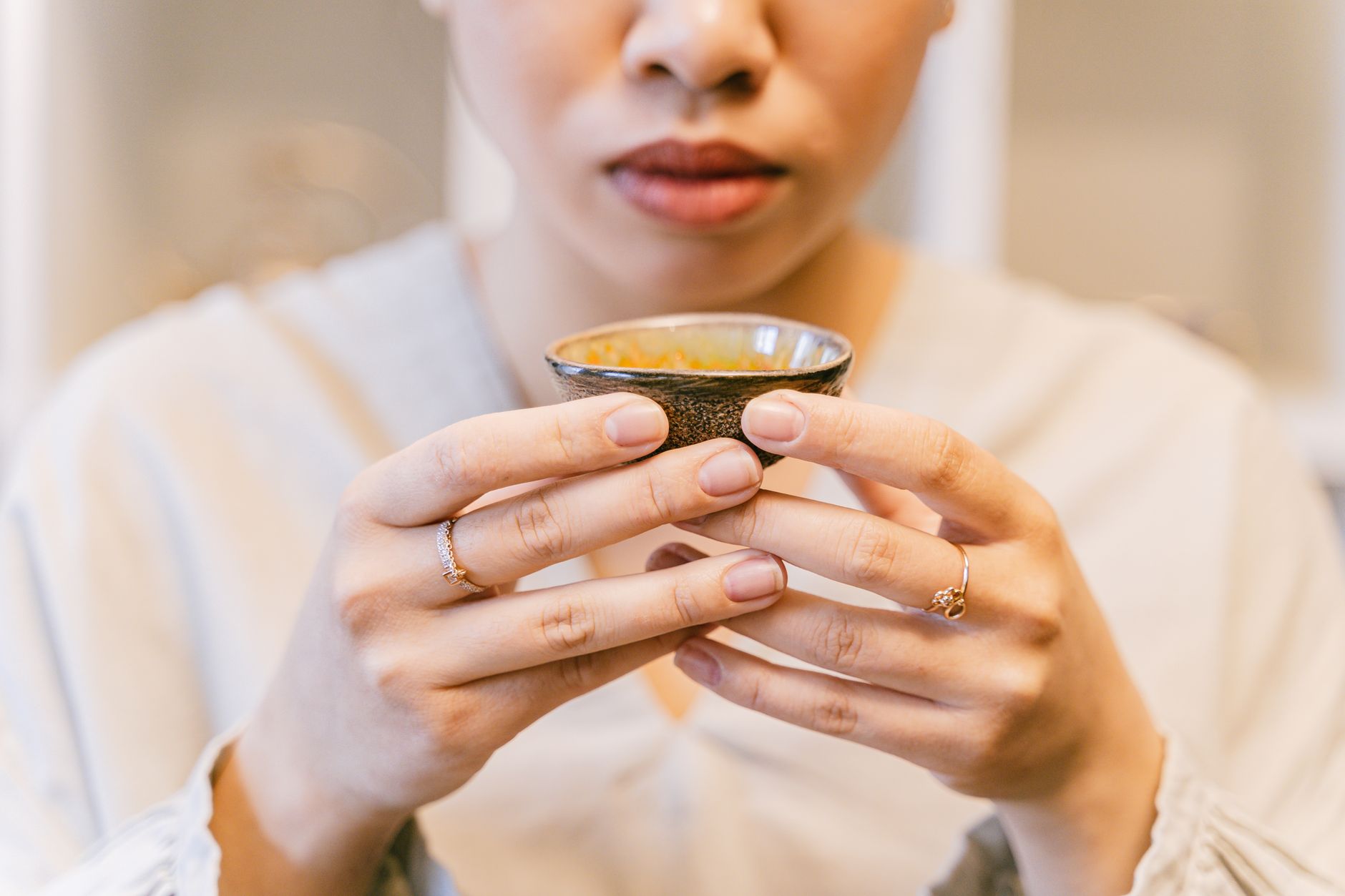
How Minimalist Jewelry Became a Symbol of Self Care
Jewelry self care is one of the quieter shifts in how people shop today. For decades, jewelry arrived as a gift. Someone else chose it, wrapped it, and handed it over on a birthday. However, that pattern has changed. People now buy small, beautiful pieces for themselves, on ordinary Tuesdays, for no reason at all.
Minimalist designs lead this shift. A thin chain or a smooth cuff feels personal rather than performative. It is a small, repeatable act of attention. Analysts tracking the wellness market, valued at over $5 trillion globally, place jewelry firmly inside the personal care category. In most cases, the purchase is not about display. It is about how the wearer feels putting it on.
Where the self care idea actually came from
The term “self-care” started in medicine during the 1950s. Doctors used it to describe patients maintaining independence. It was clinical language, not a lifestyle. In the 1970s the meaning widened considerably. Community health organizers reframed self-care as a deliberate act of preservation, not indulgence.
That history matters for jewelry self care. The original meaning was practical and daily. It was never about luxury. Minimalist jewelry fits that definition neatly. A simple gold chain is worn every day, not stored for occasions. It becomes part of a routine, like a morning walk.
For example, many wearers describe a small ritual. They put on one bracelet before work. The gesture takes five seconds. Typically, it signals a shift from home mode to focused mode. That is jewelry self care in its most honest form.

Why minimalism suits jewelry self care so well
Minimalism as a design movement emerged in the 1960s, drawing on earlier ideas from the Bauhaus school founded in 1919. The guiding principle was form follows function. Ludwig Mies van der Rohe summarized it as “less is more.”
Applied to jewelry, that philosophy removes friction. A minimalist piece has no styling requirements. It does not compete with your outfit. However, it still changes how a look reads. This is why jewelry self care and minimalism pair naturally. Complicated pieces demand decisions, and decisions cost energy.
Material choice drives the effect more than sparkle does. The Gemological Institute of America notes that karat marks describe gold content, while finish and construction determine how a piece wears. Weight, proportion, and surface texture do the real work in minimalist design.

Building a jewelry self care collection that actually gets worn
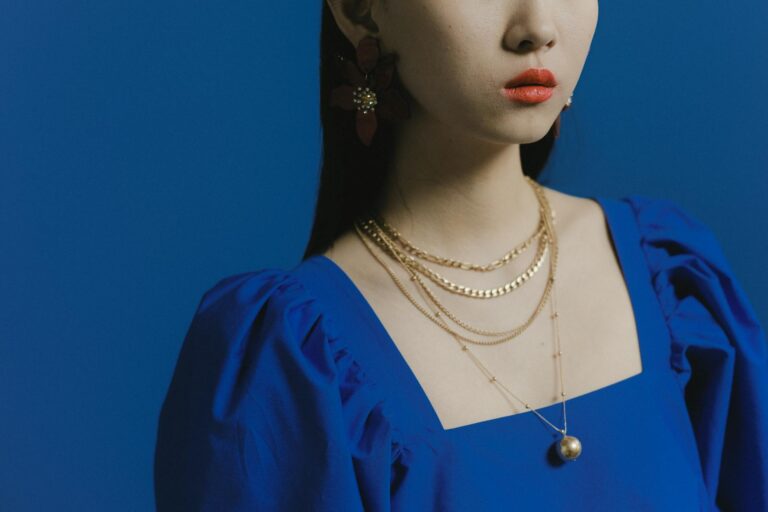
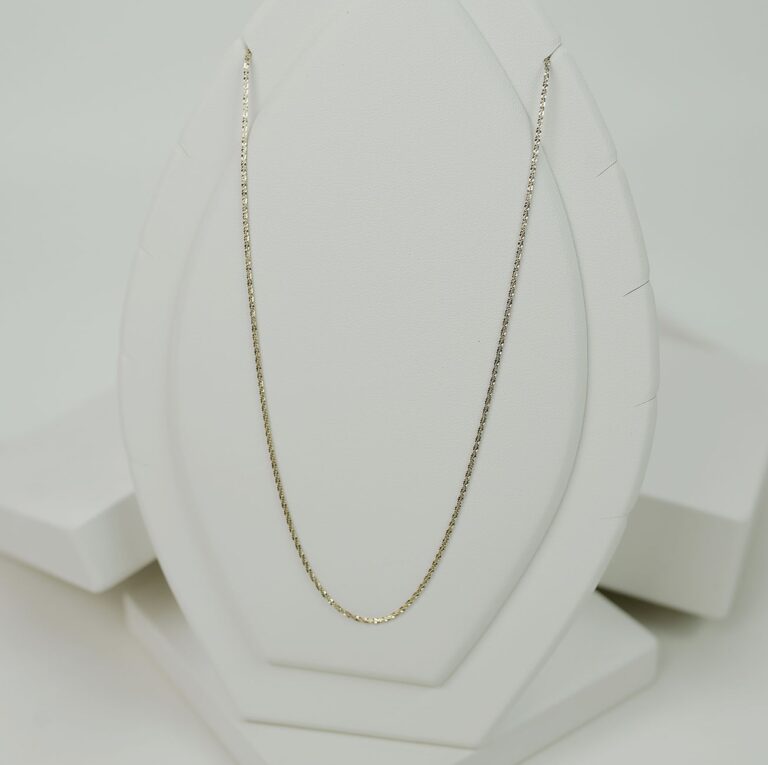
Start with three pieces, not thirty. Choose one chain necklace, one bracelet, and one pair of small hoops. These cover almost every situation. In most cases, this trio handles work, dinner, and travel without a second thought.
18K gold plated stainless steel is the smart foundation here, and the reason is math. One solid gold chain often costs what five beautifully finished plated pieces cost together. Variety wins. You can layer, swap, and rebuild a look constantly. A single expensive piece cannot do that. Jewelry self care thrives on options, not on one untouchable heirloom.
Modern plating technology also changed the equation significantly. Today’s gold finishes on stainless steel are molecularly bonded rather than thinly washed on. The result is scratch-resistant, hypoallergenic, and built for genuine daily wear. It looks identical to solid gold on the wrist. For example, a plated mesh bracelet catches light exactly the way its solid counterpart does.
Easy habits that keep pieces looking new
Care takes about ten seconds a day. Take pieces off before showering or swimming, and wipe them with a soft cloth at night. Store them flat in a pouch rather than tangled in a bowl. That is the entire routine.
Perfume and lotion go on first, jewelry second. This one habit protects any finish, solid or plated. Typically, people who follow it report their pieces looking new for years. Small habits like these are part of jewelry self care too. Caring for the object mirrors caring for yourself.
Join the KartiKart community
10% off, on top of any current sale, your first order + early access to new collections
Free · No spam · Unsubscribe anytime
Styling minimalist pieces without overthinking
Layer by length, not by matching. A short chain plus a longer pendant creates depth instantly. Stick to one metal tone for a clean effect, or mix deliberately if you prefer contrast. However, three necklaces is usually the ceiling before the look turns busy.
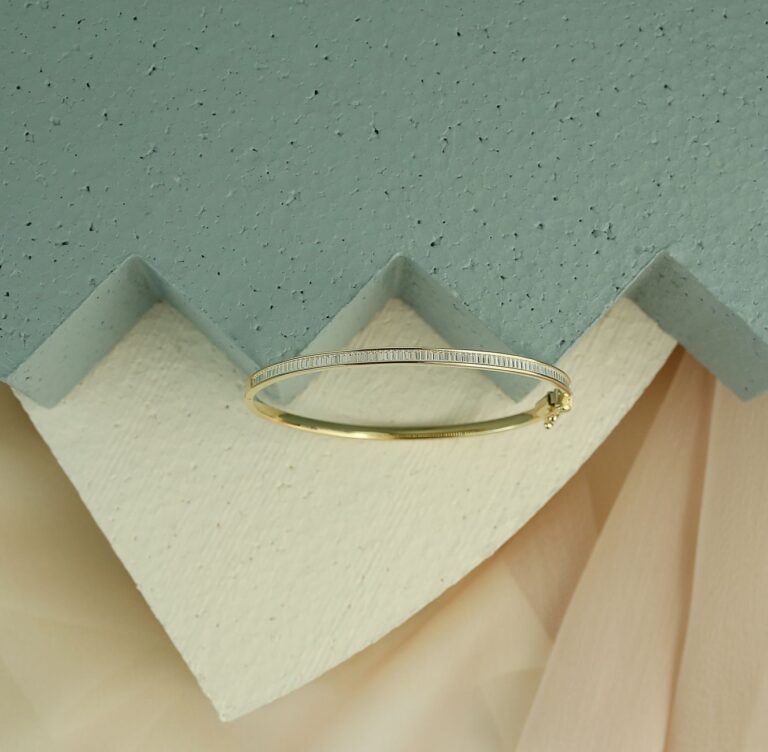
Stack bracelets in odd numbers. Two smooth cuffs plus one chain reads better than four of the same. Jewelry self care means wearing what feels comfortable all day. If you keep adjusting something, it is the wrong piece for you.
Frequently Asked Questions
Is gold plated jewelry good for everyday wear?
Yes. Modern 18K gold plating on a stainless steel base is designed for daily use. It resists scratches and is hypoallergenic, which suits sensitive skin well.
How many pieces do I need to start?
Three is plenty. One necklace, one bracelet, and one pair of earrings cover nearly every occasion. You can expand affordably from there whenever your style shifts.
Why does buying jewelry for myself feel different?
Because you chose it. The piece reflects your taste rather than someone else’s guess. That ownership is exactly what makes jewelry self care meaningful.
Shop Jewelry at KartiKart
Explore our collection of handcrafted 18K Gold Plated Stainless Steel jewelry. Every piece is designed for everyday elegance at an accessible price point.
Bracelets · Necklaces · Best Sellers
Sources & Further Reading
For verified gemstone and jewelry information:
Content last reviewed July 2026. If you notice any outdated information, please contact us.