Jade Hardness and Why It Resists Scratches
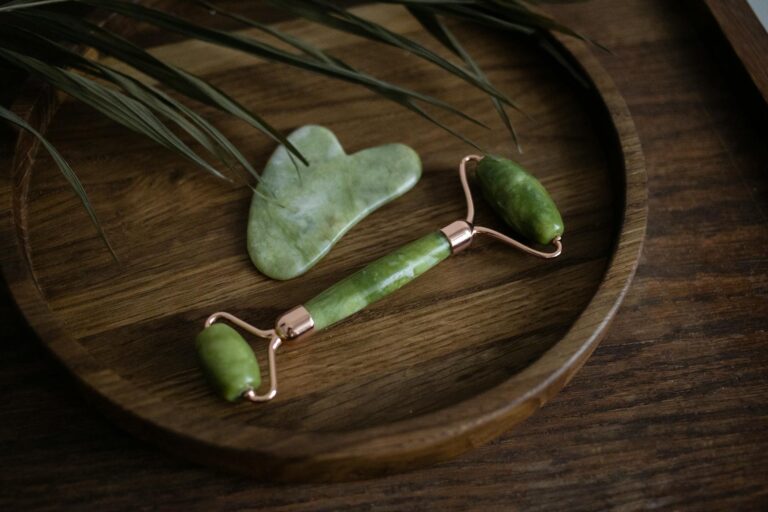
Jade hardness sits at the heart of why this stone has survived thousands of years of daily wear. Jade rates roughly 6 to 7 on the Mohs scale. That places it below sapphire and diamond, but comfortably above glass. However, hardness only tells half the story.
Jade also has extraordinary toughness, which is a completely different property. Toughness measures resistance to chipping and breaking. Hardness measures resistance to scratching. Understanding jade hardness helps you shop smarter and wear your pieces with real confidence. It also explains why jade pairs so beautifully with modern 18K gold plated stainless steel, another material built for everyday life rather than the safe deposit box.
What Jade Hardness Actually Measures
The Mohs scale ranks minerals from 1 to 10. Talc sits at 1. Diamond sits at 10. The scale is comparative, not linear. A mineral simply scratches everything below it. Jade hardness lands in the upper-middle range, which is a genuinely useful spot for jewelry.
Why does that matter in practice? Ordinary household dust contains quartz, which rates about 7. Steel blades rate around 5.5. So jade hardness is high enough to shrug off casual contact with keys, coins, and cutlery. For example, a jade cabochon in a ring will not dull from a day of typing or driving.
In most cases, the everyday scratches people fear come from harder materials. Sandpaper, grinding wheels, and gritty cleaning powders will mark jade. Typically, normal wear will not. You can read more about the Mohs scale of mineral hardness for the full ranking.
Jadeite and Nephrite: A Jade Hardness Comparison
“Jade” covers two distinct minerals. Jadeite is a pyroxene. Nephrite is an amphibole. They look similar but behave differently. Jadeite rates 6.5 to 7 on the Mohs scale. Nephrite rates 6 to 6.5. So jadeite wins slightly on jade hardness.
Nephrite, however, wins decisively on toughness. It is widely described as one of the toughest natural minerals on earth. The reason is structural. Nephrite is built from an interlocking meshwork of microscopic fibers. Those fibers measure roughly 0.1 to 5 microns across and 20 to 150 microns long. They tangle together like felt.
That felted structure absorbs impact instead of transmitting it. A blow that would shatter quartz gets distributed across thousands of tiny fibers. This is why ancient carvers made jade axe heads and blades. It is also why jade hardness discussions always circle back to toughness. The two properties together create a stone that genuinely lasts. The history and mineralogy of jade reflects thousands of years of this practical durability.
How to Judge Jade Hardness When You Shop
Start with a simple observation test. Real jade has a slightly greasy or waxy luster, not a glassy shine. Glass imitations often show tiny bubbles under magnification. Dyed stones may show color concentrated in surface cracks.
A careful scratch test can help, but use restraint. A steel pin rates about 5.5. It should not scratch genuine jade. Glass rates around 5.5 as well, so jade should scratch glass. However, only perform this on an inconspicuous spot, or better yet, ask the seller. Reputable dealers expect the question.
Also ask about treatment. Grading terms matter here. Type A jade is untreated. Type B has been bleached and polymer-impregnated. Type C is dyed. Treatment does not change the underlying jade hardness of the mineral itself. However, it can weaken the surface and dull the polish over time. For example, polymer-filled jade may yellow after several years of sunlight exposure.
Caring for Jade and Gold Plated Jewelry Together
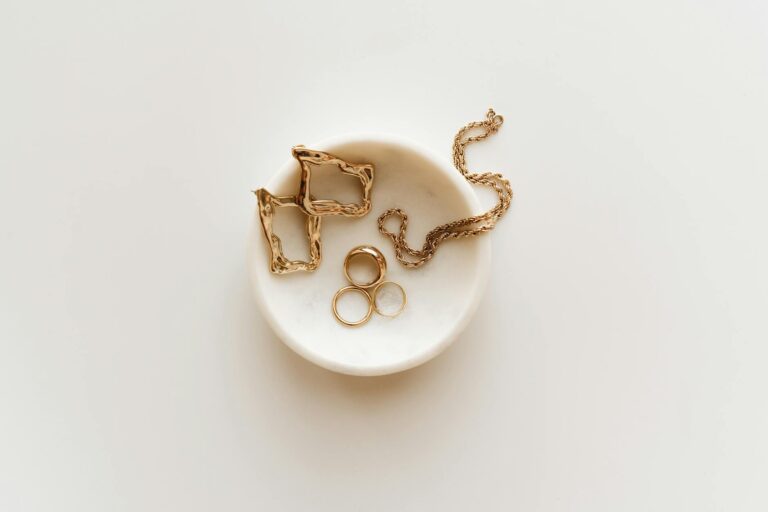
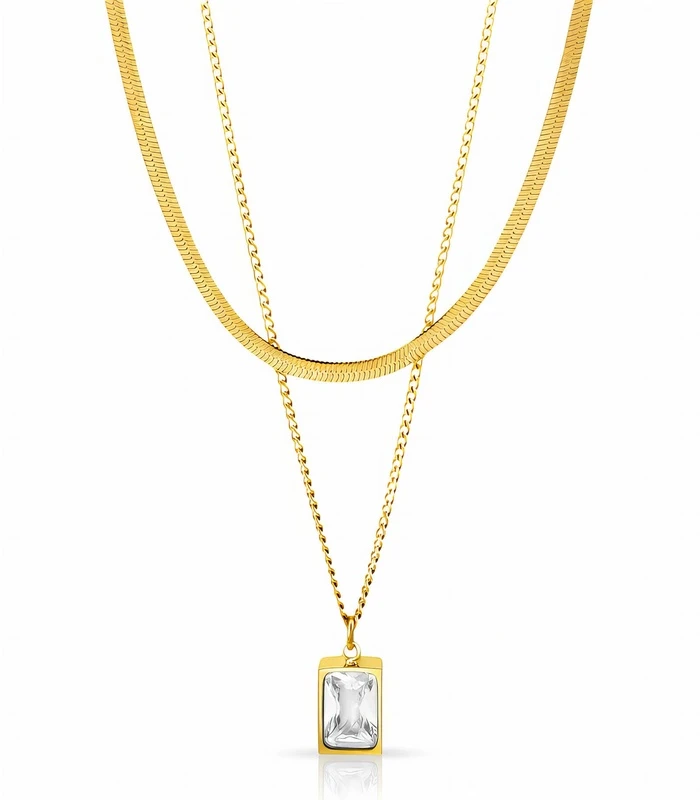
Jade and 18K gold plated stainless steel make a smart pairing. Both are built for actual wear. Modern plating technology bonds gold onto a stainless steel core, which produces a finish that is scratch-resistant, hypoallergenic, and genuinely everyday-ready. It looks identical to solid gold at a fraction of the price. That means you can own five beautiful pieces instead of one, and rotate them freely with the seasons.
Care is refreshingly simple for both materials. Wipe your piece with a soft dry cloth after wearing. That takes about ten seconds. Store items separately in a pouch or a lined box so harder gemstones cannot rub the surface. Remove jewelry before swimming, showering, or applying perfume. These are small habits, not sacrifices. Typically, they add years of shine. For deeper guidance, GIA’s jade care and cleaning guide covers cleaning solutions in detail.
Join the KartiKart community
10% off, on top of any current sale, your first order + early access to new collections
Free · No spam · Unsubscribe anytime
Avoid ultrasonic cleaners and steam on treated jade. Warm water and mild soap work better. In most cases, that is all any jade piece will ever need. The same gentle routine keeps gold plating bright and even, which is exactly why plated pieces have become the practical choice for people who actually wear their jewelry daily rather than saving it for special occasions.
Frequently Asked Questions
Is jade harder than diamond?
No. Diamond rates 10 on the Mohs scale, while jade hardness rates 6 to 7. However, jade is far tougher than diamond. Diamond can cleave along its crystal planes, while jade resists fracturing remarkably well.
Will jade scratch if I wear it every day?
Typically not from ordinary activity. Jade hardness is sufficient to resist keys, coins, and clothing contact. However, store it away from harder stones like sapphire, topaz, and diamond, which will leave marks.
Does gold plating scratch more easily than jade?
Modern 18K gold plating over stainless steel is impressively durable and built for daily wear. The stainless steel core gives it real structural strength. For example, a simple cloth wipe and separate storage keep both jade and plated gold looking beautiful for years.
Shop Jewelry at KartiKart
Explore our collection of handcrafted 18K Gold Plated Stainless Steel jewelry. Every piece is designed for everyday elegance at an accessible price point.
Earrings · Bracelets · Necklaces
Sources & Further Reading
For verified gemstone and jewelry information:
Content last reviewed July 2026. If you notice any outdated information, please contact us.