7 Jewelry Industry Secrets Most Shoppers Never Learn
Table of Contents
Most jewelry tips you find online stop at the surface, telling you to keep pieces dry and store them separately without ever explaining what actually happens to your jewelry over time. The jewelry tips that matter most are the ones the industry rarely spells out for shoppers, because they involve manufacturing details, material behavior, and styling logic that only becomes obvious after years of wearing and caring for pieces. We pulled together seven guides that pull back the curtain a little, covering everything from plating thickness to how a bare neckline changes what you should put on it. Think of this as the collection of jewelry tips you wish someone had handed you before your first real purchase.
Styling Jewelry With a Strapless Top
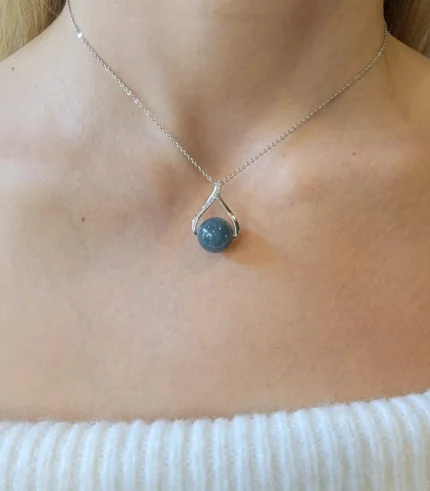
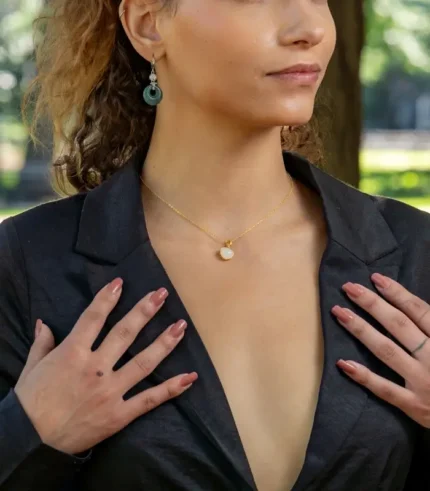
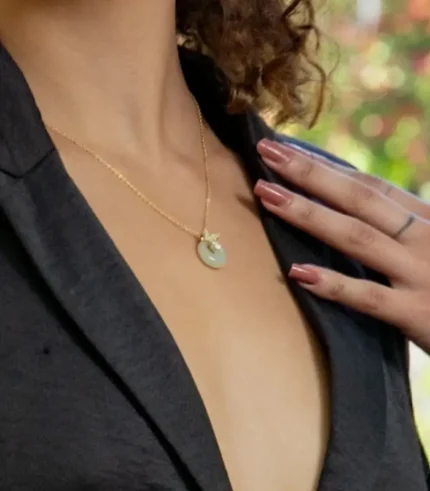
A strapless top creates one of the trickiest styling situations in jewelry, and almost nobody warns you about it in advance. As the guide explains, strapless top jewelry is where accessorizing gets both easier and trickier at the same time. A bare neckline gives you a clean canvas with no collar, no strap, and no print competing for attention, which sounds like it should make everything simpler.
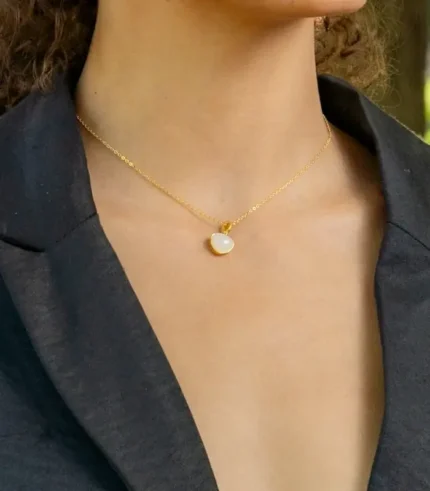
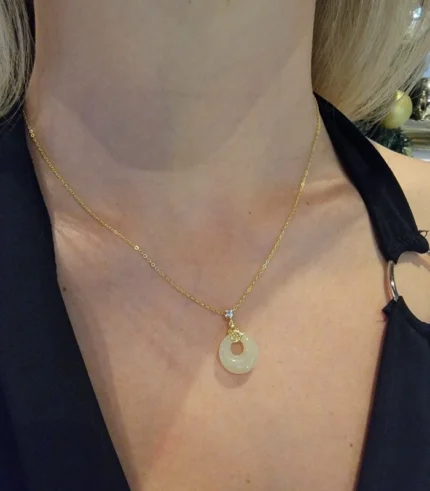
The complication is that the same open space that frees you up can also swallow delicate pieces whole. A thin chain that looks perfect against a crew neck can visually disappear across a wide expanse of bare skin. That is the kind of detail that turns into wasted money when you buy a necklace for an outfit and it reads as nothing at all in photos.
This guide is worth reading before your next event because it treats the neckline as an active part of the styling equation rather than a blank background. If you have ever stood in front of a mirror in a strapless dress feeling like something was missing, the jewelry tips here explain exactly why that happens and what to reach for instead.
Shop our best sellers
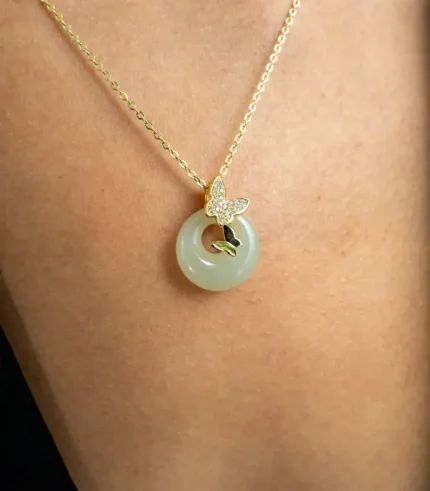
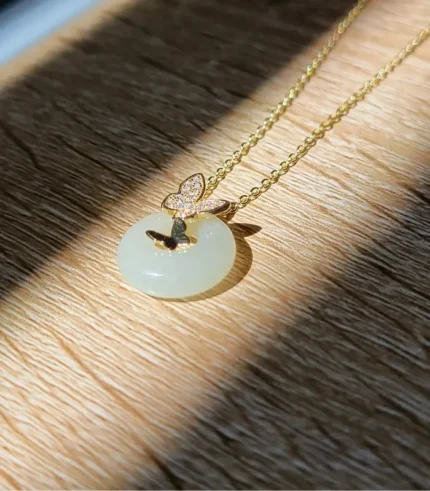
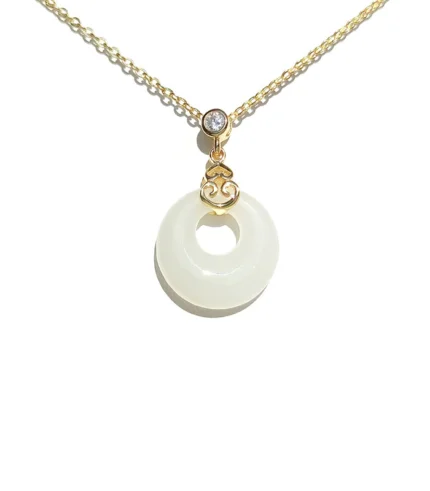
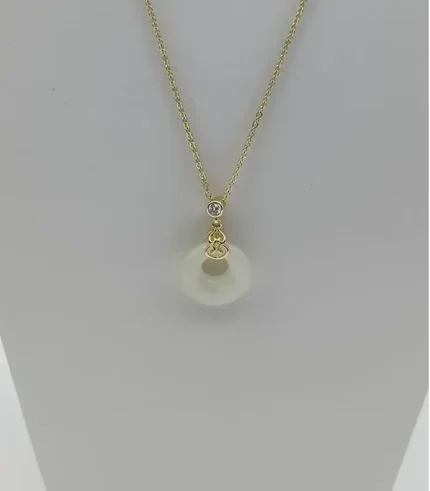
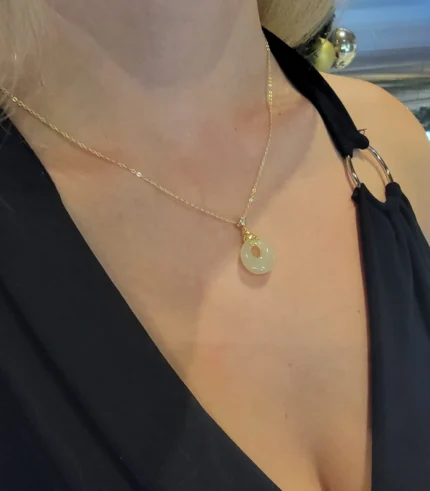
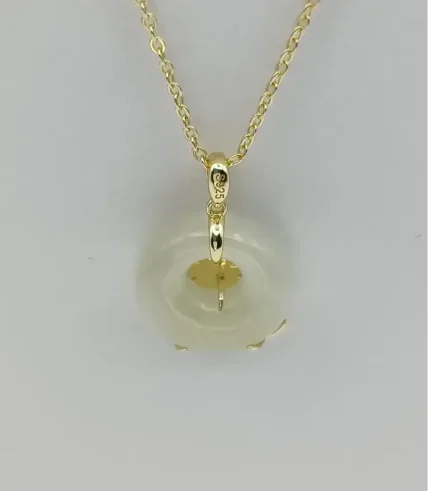
Genuine White Jade Bi Disc Necklace in 14K Gold Plated Silver
Original price was: $85.00.$76.50Current price is: $76.50.
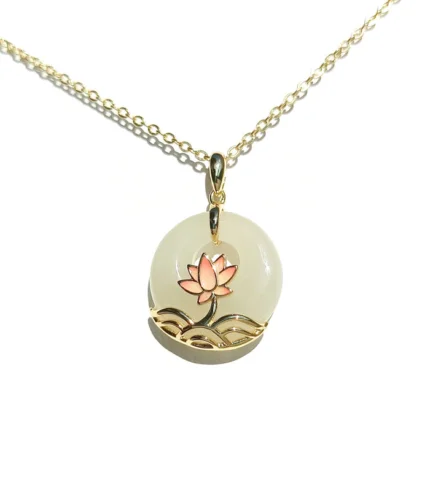
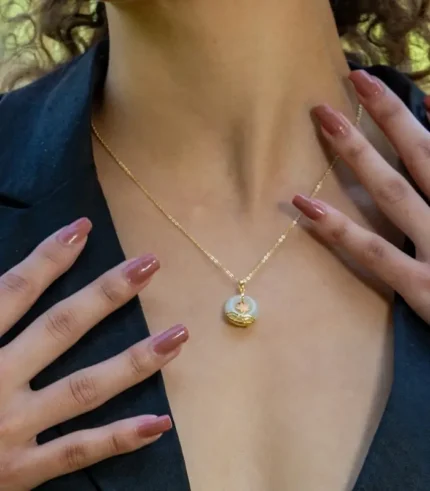
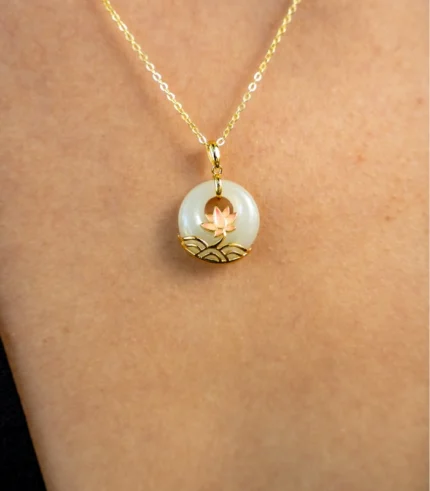
Genuine White Jade Lotus Necklace
Original price was: $85.00.$76.50Current price is: $76.50.
How Plating Thickness Affects Durability
If you read only one piece on this list, make it this one. Plating thickness is the single most useful number in gold plated jewelry, because it tells you how much real gold actually sits on the surface of a piece. It is measured in microns, where one micron equals one thousandth of a millimeter.
That sounds impossibly small, and that reaction is exactly why the number gets ignored by most shoppers. Two pieces can look completely identical in a product photo, carry similar descriptions, and behave entirely differently after six months of regular wear. The difference usually comes down to a specification that was sitting right there in the listing the whole time.
Understanding microns changes how you shop permanently. It reframes the question from “does this look good” to “will this still look good,” which is the single most valuable shift in any set of jewelry tips. Once you know what to look for, you stop comparing pieces on price alone and start comparing them on what you are actually getting.
Tiny Stud Earrings for a Clean Look
Tiny stud earrings are the quietest piece of jewelry you can own. They sit close to the lobe and catch light without asking for attention, and for a lot of people that restraint is precisely the point. This guide makes the case that understatement is a deliberate choice rather than a default setting.
There is a practical argument here too. Tiny studs are the pieces you can genuinely wear every day, through work, workouts, sleep, and everything in between, without the constant low-level management that larger earrings demand. They do not catch on sweaters, they do not tangle in hair, and they do not need to be swapped out when the setting changes.
The guide also covers why tiny studs never go out of style, which is a fair question when trends move as fast as they do now. If you are building a jewelry collection with limited budget, the jewelry tips in this piece make a strong case for starting with the smallest thing in the case rather than the flashiest.
Join the KartiKart community
10% off, on top of any current sale, your first order + early access to new collections
Free · No spam · Unsubscribe anytime
Jade Cuff Bracelets for a Modern Look
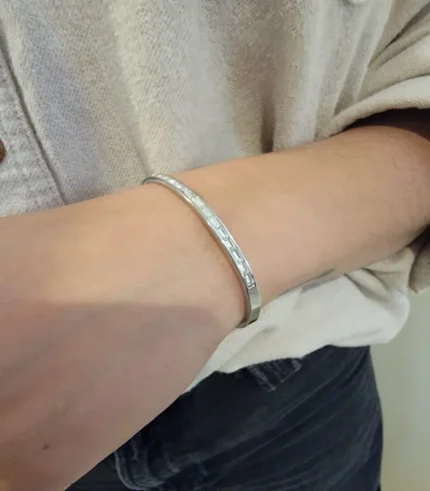
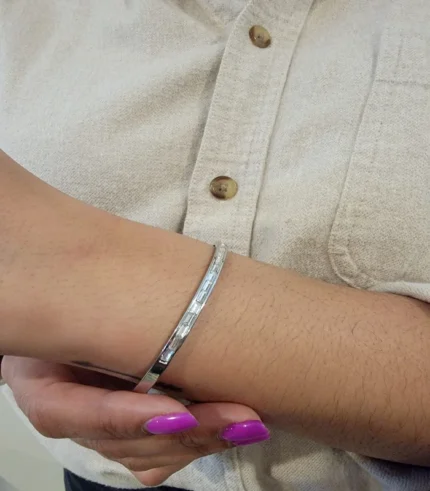
Jade has an image problem that this guide sets out to fix. Jade cuff bracelet designs have moved far beyond the antique jewelry box, and today they sit comfortably next to gold-plated chains, watches, and stacked bangles without looking out of place or dated.
The appeal is easy to understand once you see it styled well. Jade brings color and calm that metal alone simply cannot deliver, and it adds a warmth to a stack that would otherwise read as cold or purely metallic. It works as the piece that keeps an arm stack from looking like a uniform.
What makes this guide useful is that it addresses the modern context rather than treating jade as a heritage item you inherit and never wear. If you have a jade piece sitting unworn in a drawer because you were not sure how to make it feel current, these jewelry tips give you a way back into wearing it regularly.
How to Clean Jewelry With Baking Soda
Baking soda jewelry cleaning is one of the oldest kitchen-cabinet tricks around, and your grandmother probably swore by it. A spoonful of sodium bicarbonate, a splash of warm water, and tarnished silver suddenly looks new again. It is the kind of home remedy that gets passed around endlessly without much scrutiny.
The important detail is in the qualification: the trick works, but not on everything. That distinction is what separates a useful cleaning method from an expensive mistake, and it is the reason a piece of advice that helped your grandmother’s silver can quietly ruin something else in your jewelry box.
This is the guide to read before you mix anything in a bowl. Cleaning damage is almost always permanent and almost always avoidable, which makes these jewelry tips some of the highest-value information on this entire list. Knowing when not to use a method matters as much as knowing how to use it.
Sweet 16 Jewelry Gift Ideas
Sweet 16 jewelry has been part of American birthday tradition for well over a century, and the guide traces the celebration itself back to Victorian-era debutante balls, where a young woman’s sixteenth year marked their formal entrance into society. That history explains why the occasion still carries more weight than an ordinary birthday.
The meaning has shifted considerably since then, and that shift is exactly what makes gift-buying difficult. What reads as thoughtful and appropriate now is not what it was a generation ago, and getting it wrong means a well-intentioned gift ends up in a drawer instead of on a wrist.
This guide is useful for anyone shopping for a milestone rather than a whim, because it puts the tradition in context before it gets to suggestions. Gift jewelry tips work best when they account for the person and the occasion together, and that is the approach taken here.
Jewelry for a First Date
First date jewelry sits in that tricky space between “I made an effort” and “I tried too hard,” and the guide is honest about how narrow that gap really is. The right pieces do quiet work for you, catching light when you gesture and giving your hands something to do.
The failure mode is just as clearly described. The wrong pieces distract and pull attention away from the conversation instead of supporting it. Jewelry that jangles, snags, or needs constant adjusting becomes something you are managing all evening rather than something you are wearing.
What makes this guide different from generic date-outfit advice is that it thinks about how jewelry behaves in motion, not just how it photographs. If you get nervous about overdressing or underdressing, these jewelry tips give you a clear framework instead of a guess.
What to Know Before You Buy: Practical Jewelry Tips
A few themes run through all seven of these guides. The first is that specifications matter more than photographs. Plating thickness, material, and construction determine how a piece ages, and none of that is visible in a well-lit product image. The best jewelry tips almost always come down to reading the details rather than trusting the styling.
The second theme is that context changes everything. A necklace that works against a crew neck can vanish against a strapless top, and a cleaning method that restores one metal can damage another. Learning to ask “right for what” rather than just “is this good” is the shift that separates confident buyers from frustrated ones.
It also helps to know your rights as a shopper. The Federal Trade Commission publishes guidance on how jewelry and precious metals must be described and labeled, and you can read it at the FTC consumer page on buying jewelry. Knowing the terminology retailers are required to use makes vague listings much easier to spot.
Finally, build slowly. Most people would be better served by a few well-chosen pieces they genuinely wear than by a drawer full of impulse buys. These jewelry tips work best applied over time, one considered purchase at a time.
Wrapping Up
None of the seven guides above is trying to sell you a specific piece. They exist because jewelry rewards people who understand what they are buying, and most of that understanding is never handed to shoppers directly. Reading through even two or three of these will change how you evaluate the next listing you come across.
If you found these jewelry tips useful, there is plenty more in the same vein covering buying guides, care instructions, and styling advice. Browse the full collection at https://kartikart.com and take your time with it.
From the KartiKart shop
Wear what you just read about
Dainty, everyday pieces, handpicked by a husband-and-wife team. Free U.S. shipping, gift-ready packaging, 30-day easy returns, and 5% of every order goes to organizations fighting human trafficking.
Shop our best sellers →Pieces our readers love
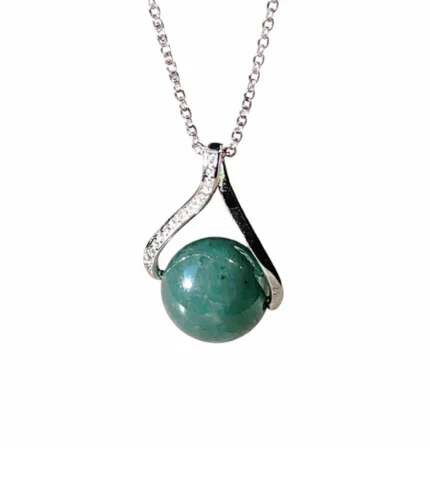
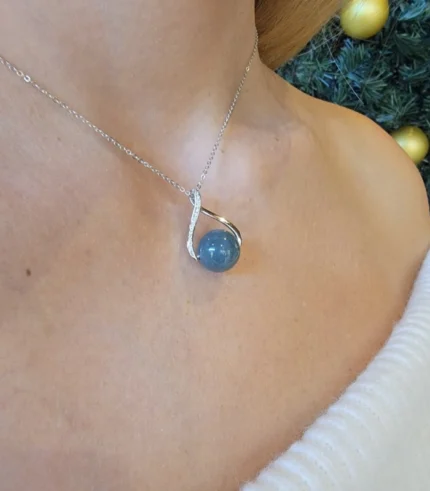
View all →Genuine Blue Jade Round Necklace in Sterling Silver
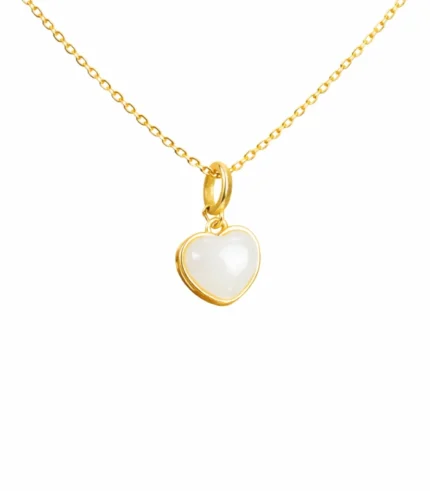
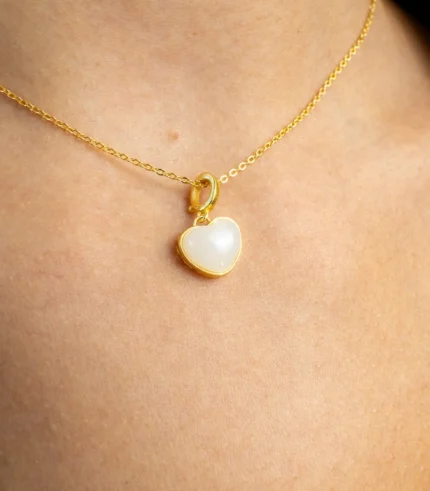
Original price was: $85.00.$76.50Current price is: $76.50.Genuine White Jade Heart Pendant Necklace in 14K Gold Plated Sterling Silver
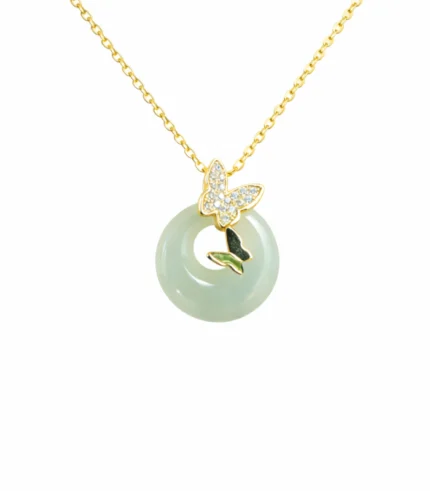
Original price was: $85.00.$76.50Current price is: $76.50.Genuine White Jade Butterfly Necklace in 14K Gold Plated Silver
Original price was: $85.00.$76.50Current price is: $76.50.